


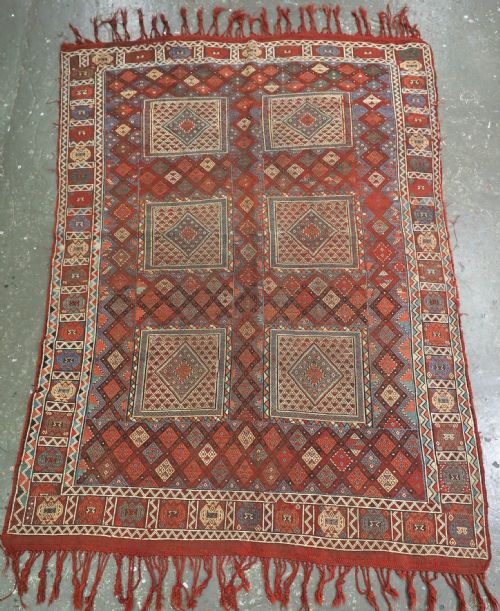
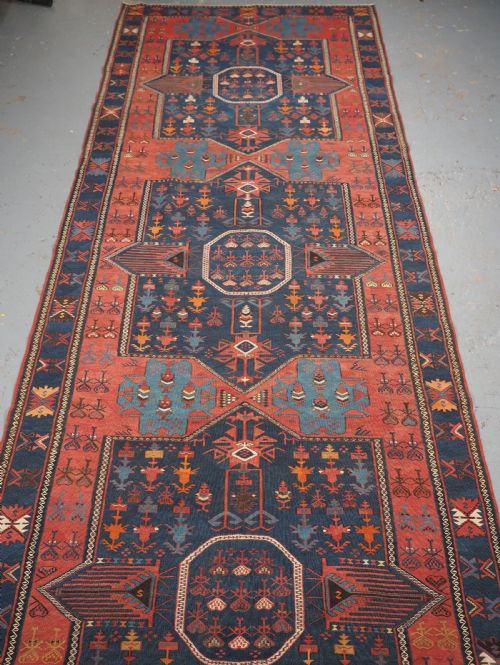
Caucasian Kilim Carpet
A caucasian kilim carpet brings geometric tribal patterns and flat-woven wool into a room with direct, authentic regional character.
Caucasian Kilim Carpet
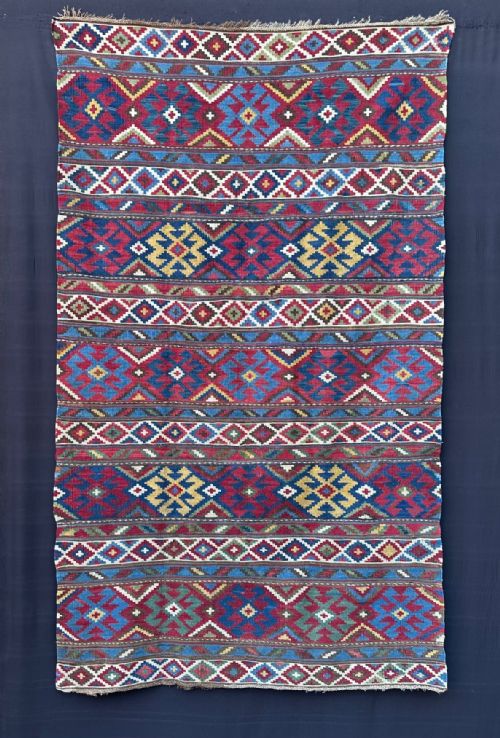
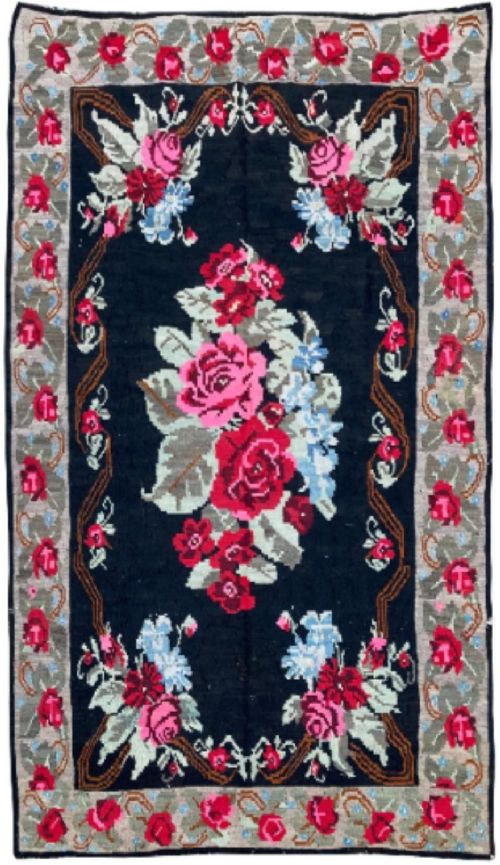
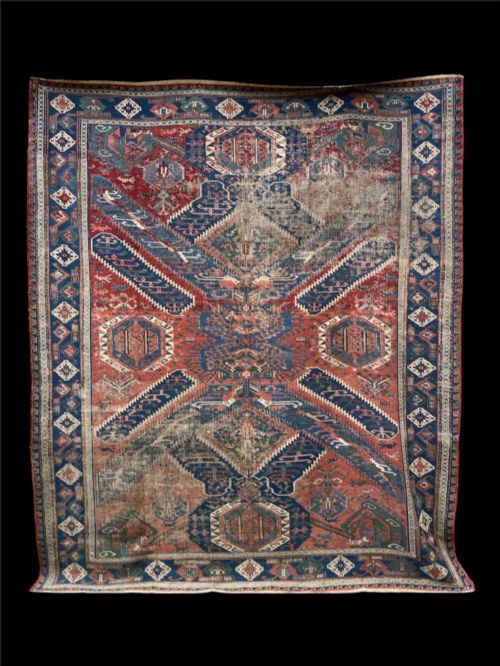
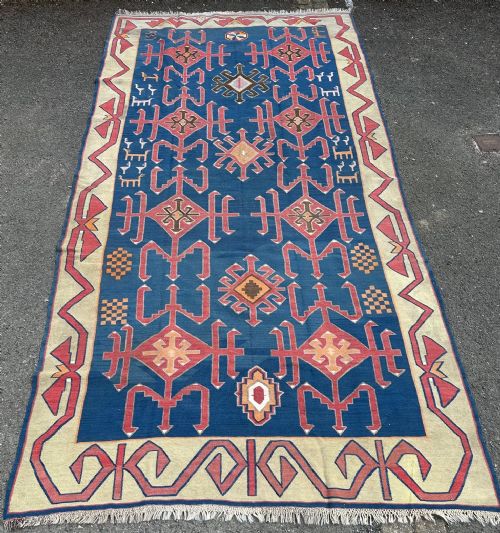
A caucasian kilim carpet is a flat-woven textile originating from the Caucasus region, encompassing styles associated with tribal and nomadic makers. Buyers searching this phrase look for authentic regional floor coverings and panels that display bold geometric design rather than pile. The pieces seen here include rugs, runners, flat-weaves, and storage bags originating from specific areas like Shirvan, Karabagh, and Daghestan.
The most common version met on this page is the nineteenth-century flat-weave, often featuring banded designs or large central medallions. These textiles draw on traditions from specific groups including the Shahsevan, Avar, and Kurdish weavers. Production spans from the late nineteenth century through to the early decades of the twentieth century, capturing a period of traditional regional craft.
Factors of Quality
Quality in these flat-weaves depends upon the tightness of the weave and the precision of the geometric design. Tighter structures and finer technical execution distinguish superior regional examples from coarser utility items.
The harmony and preservation of the natural dyes significantly influence the visual success of a piece. Softer, well-preserved colour palettes and intact original borders or complete formats elevate individual examples within the tradition.
Listings feature pieces spanning from the 1870s through to the 1940s, utilising wool, cotton, and natural dyes.
The Caucasian Kilim Carpet Glossary
- Kilim
- A flat-woven carpet or rug produced without a pile by tightly interweaving warp and weft strands. This technique creates a lightweight textile with identical patterns visible on both sides.
- Soumak
- A brocading technique involving wrap-threads that produce a textured, ribbed surface on the face of the textile. It offers greater structural weight than standard flat-weaving.
- Mafrash
- A large rectangular storage bag or chest panel made by nomadic tribes for bedding and household goods. These panels are frequently separated and repurposed into smaller rugs or flat-weaves.
- Warp
- The stationary vertical threads stretched onto a loom that form the foundational skeleton of the rug. Weft threads are woven horizontally across these structural elements.
Caucasian Kilim Carpet: Frequently Asked Questions
How do I clean a kilim?
Vacuum gently without a rotating brush roll to remove loose surface dirt and grit.
Professional specialist washing is recommended for deeper cleaning to protect natural dyes and wool fibres.
Are these rugs reversible?
Most flat-woven pieces display the pattern clearly on both the front and reverse sides due to the weaving technique.
Using an appropriate underlay helps prevent slipping when placed on smooth floors.
Where were they made?
Pieces originate from the Caucasus region, spanning areas such as Shirvan, Karabagh, Daghestan, and Kuba.
Tribal groups including the Shahsevan, Avar, and Kurds produced these regional textiles.
What is the difference between a kilim and a soumak?
A kilim is purely flat-woven with interlocking wefts creating a smooth, thin textile surface.
Soumak incorporates wrapped weft threads that leave raised structural details and extra threads on the reverse.