
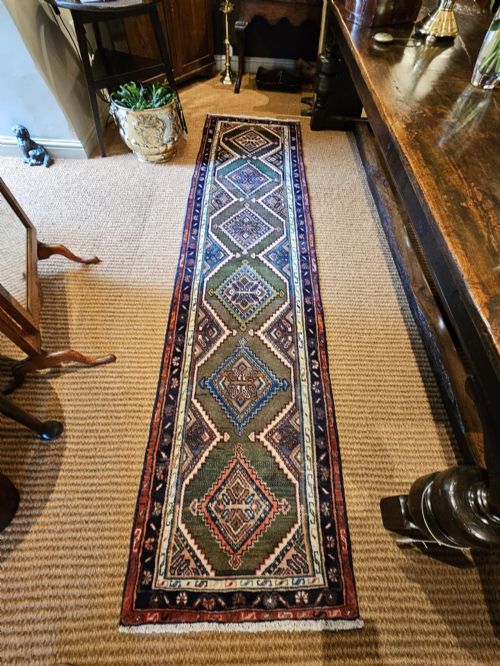
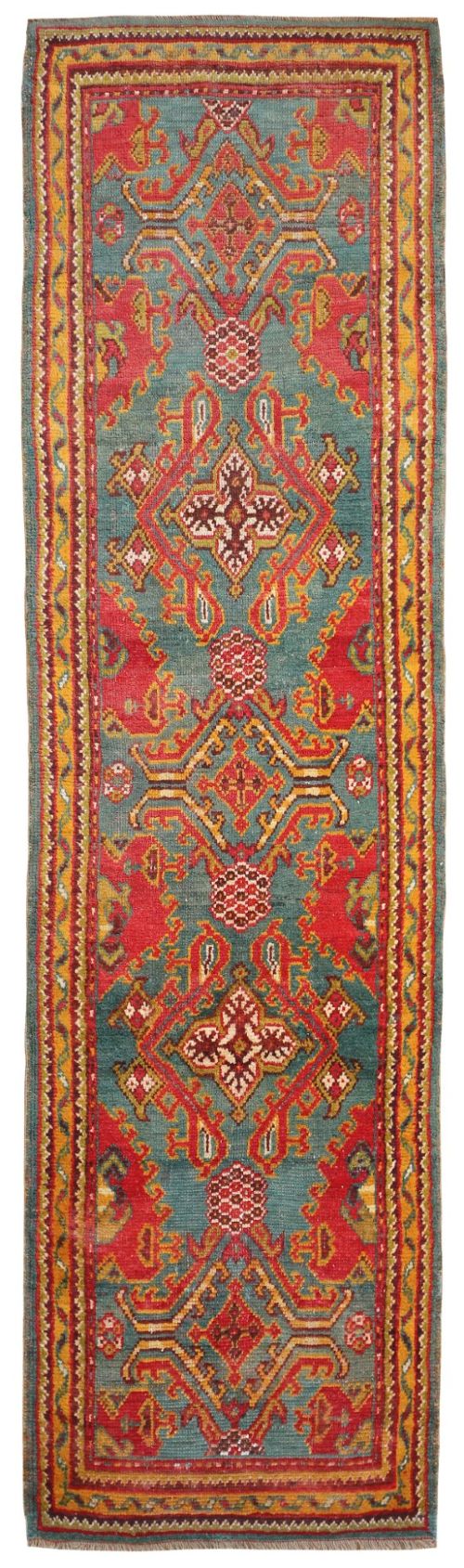
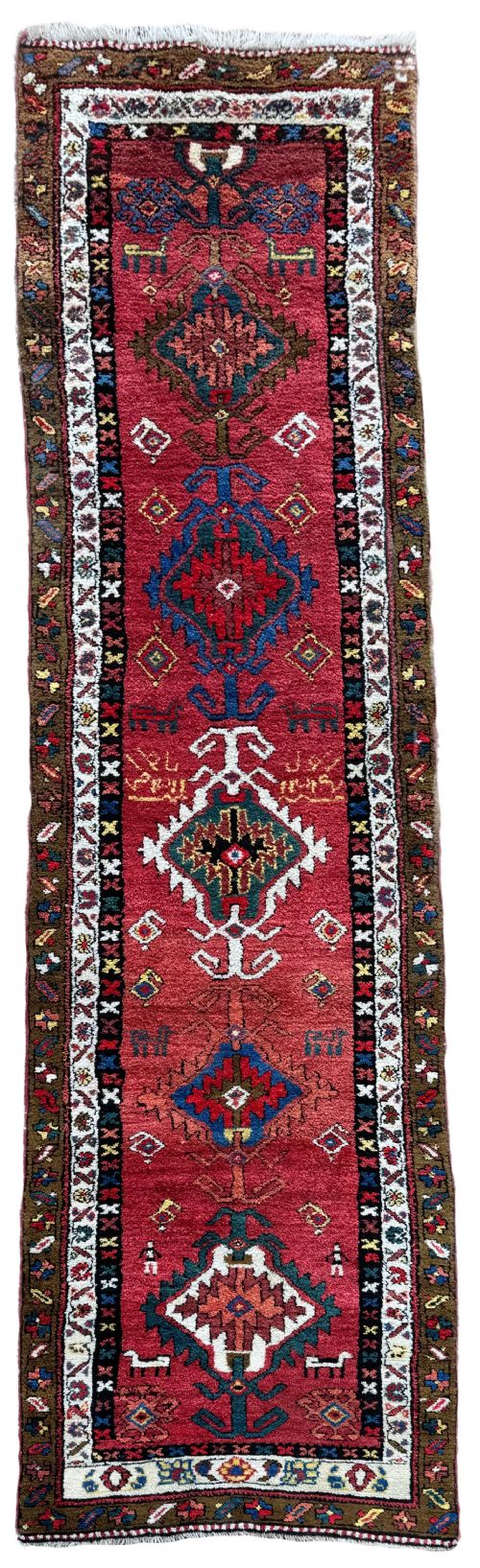
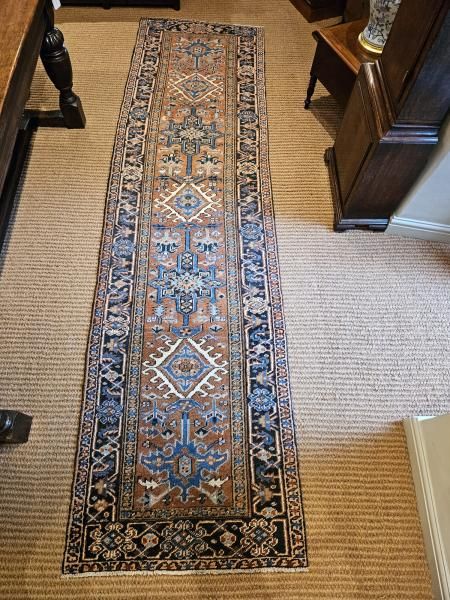


Handwoven Hallway Runner
When you need a handwoven hallway runner, you are looking at floor coverings designed to line narrow spaces using wool and natural dyes.
Handwoven Hallway Runner
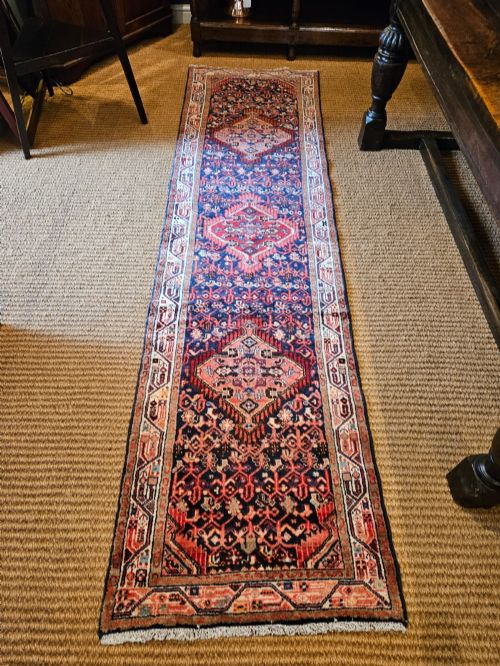
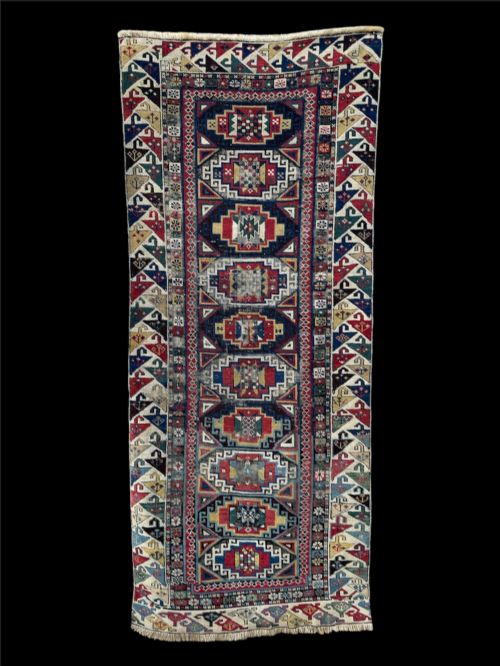
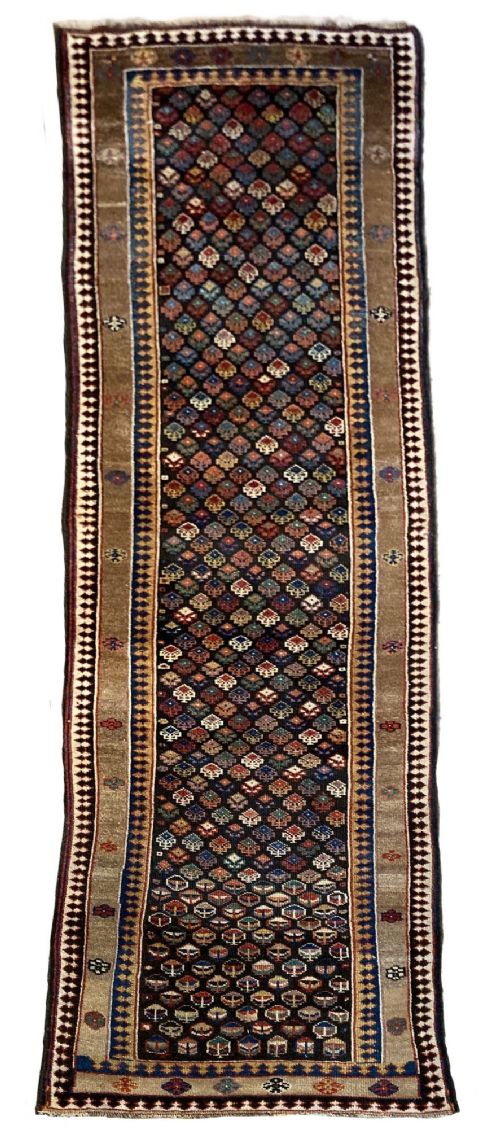
A handwoven hallway runner brings narrow, elongated floor coverings into domestic passages. These pieces span production dates from the late nineteenth century through to the early decades of the twentieth century. They originate from Persian, Caucasian, Turkish, Afghan, Moroccan, and Central Asian weaving traditions.
You will encounter regional types such as Heriz, Hamadan, Shirvan, Baluch, and Kurdish runners. Forms include flatwoven kilims, piled carpets, and corridor rugs designed specifically for linear spaces. The dimensions vary from compact lengths to substantial galleries exceeding four metres.
The aesthetic vocabulary ranges from geometric tribal patterns to structured medallion designs. Pieces often utilise wool foundations, sometimes incorporating camel hair or cotton elements. Colours develop through traditional dyeing practices using natural colourants.
How they were made
Weavers constructed these runners using hand-spun wool for the pile and foundation yarns, occasionally employing cotton or camel hair for structural stability. Workers knotted or flatwove the textiles on vertical or horizontal looms using traditional village and tribal techniques.
Colour palettes derived from natural dyes extracted from plants, roots, and minerals. These organic colourants produce subtle variations in tone along the length of the runner as dye lots shift during production.
Listings span production dates from the 1870s through the 1930s, featuring wool, cotton, camel hair, and natural dyes.
What varies in quality
Knot density and structural tightness dictate the durability of the weave. Tighter packing of the weft threads against the warp creates a firmer, more resilient fabric that withstands heavy passage along corridors.
The clarity of the design drawing and the consistency of the hand-spun wool reflect the skill of the individual workshop or weaver. Finer execution in geometric motifs or curved floral elements separates standard village work from master examples.
The Handwoven Hallway Runner Glossary
- Kilim
- A flatwoven textile produced without a raised pile. These pieces rely on interlocking weft techniques to create geometric patterns.
- Warp
- The vertical threads stretched tightly on the loom that form the structural foundation of the runner. All knots and wefts tie around these stationary strands.
- Weft
- The horizontal threads passed through the warp to bind the structure together. In flatweaves, these threads carry the visible colour design.
- Camel hair
- Un-dyed animal fibre utilised in weaving for its durable natural brown or golden tones. It often appears in the borders or foundation of tribal pieces.
- Natural dye
- Colourants sourced from organic materials rather than synthetic chemicals. These substances yield harmonious hues that mellow gracefully over time.
Handwoven Hallway Runner: Frequently Asked Questions
Where were these runners used?
These runners were traditionally placed in hallways, corridors, and long passage areas of homes to protect wooden flooring and provide warmth underfoot. Their elongated proportions suited the narrow architectural layouts of nineteenth and early twentieth century dwellings.
Nomadic and village weavers constructed them to endure high foot traffic while adding decorative colour to otherwise utilitarian spaces. Today, they serve the same practical purpose in modern interiors.
How do I clean a wool runner?
Regular gentle vacuuming without a rotating brush roll helps remove embedded dust and grit from the wool pile. Professional cleaning suited to antique textiles remains necessary for deep washing.
Water exposure should be managed carefully to prevent dye migration in pieces dyed with natural substances. Specialist textile cleaners understand the specific requirements of hand-knotted wool.
Are these pieces made from real wool?
The listed items utilise genuine hand-spun sheep wool for their pile and structural foundations. Some examples incorporate cotton for warp threads or camel hair for natural colour variation.
Traditional production methods rely entirely on animal and plant fibres rather than synthetic substitutes. This material composition gives the textiles their characteristic weight and resilience.
How can I tell regional styles apart?
Regional styles reveal themselves through distinct colour palettes, specific geometric or floral motifs, and knotting techniques. Caucasian pieces often display crisp, bold polygons, while Persian Heriz runners feature structured medallion layouts.
Kurdish and Baluch pieces tend to show darker tones and tribal patterns derived from specific weaving communities. Comparing border designs and wool textures helps identify the origin.