



Handwoven Caucasian Rug
A handwoven caucasian rug brings geometric mastery and rich regional character directly to a room through centuries-old nomadic weaving traditions.
Handwoven Caucasian Rug
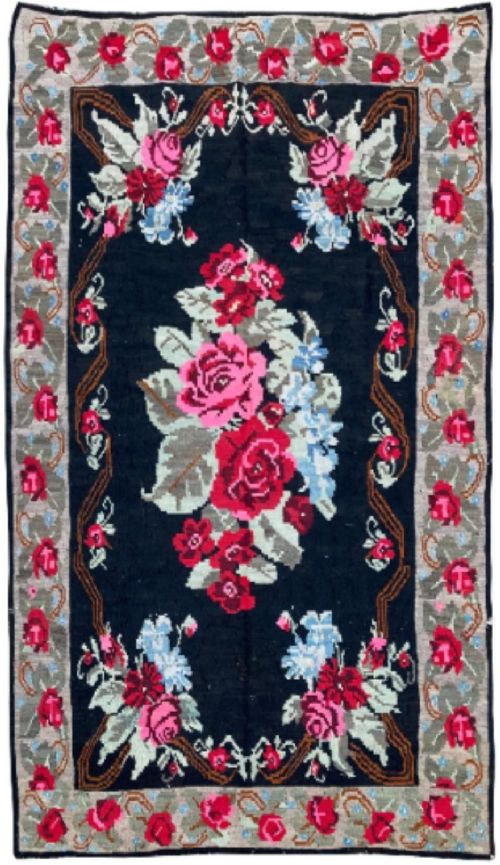
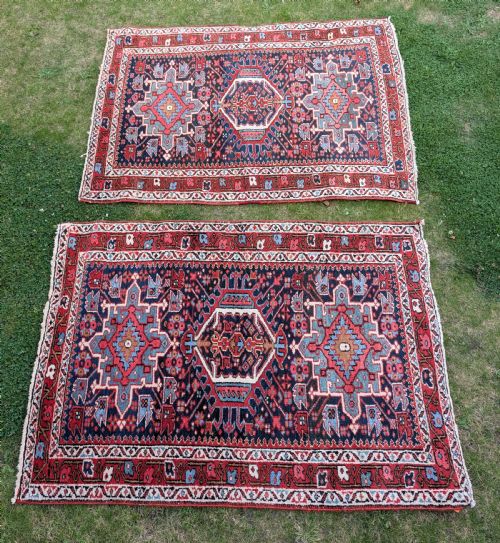
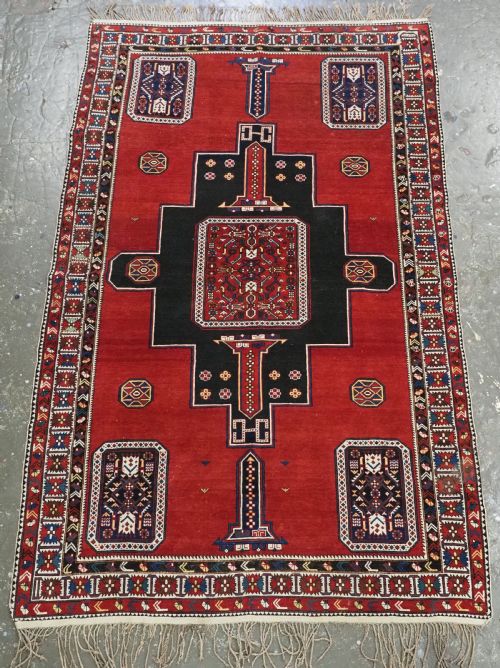
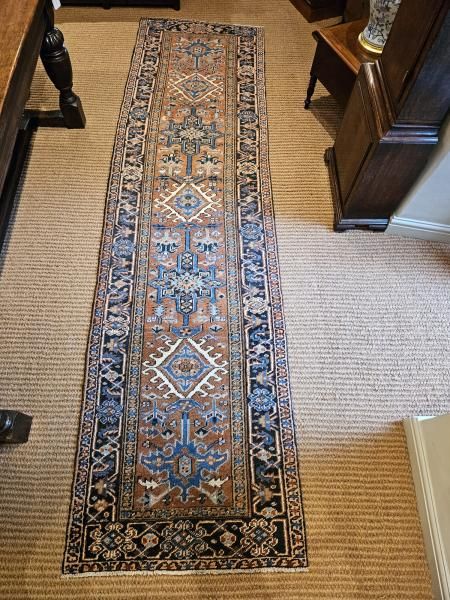
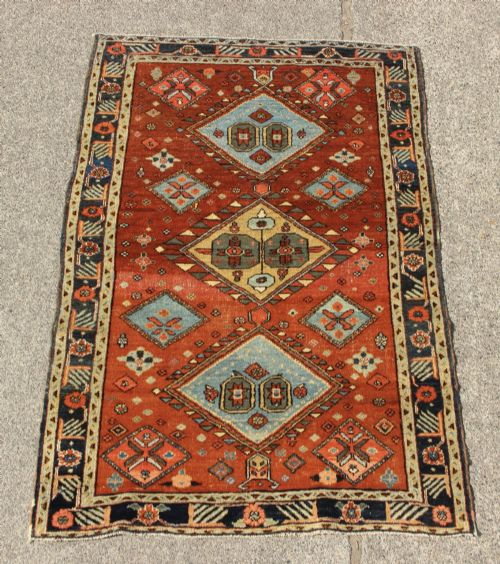
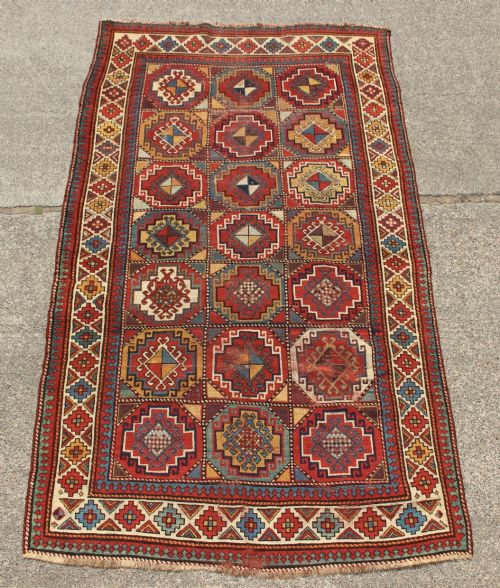
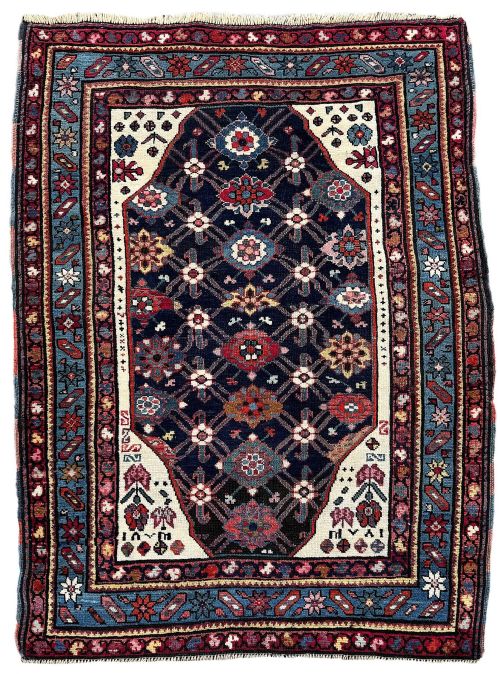
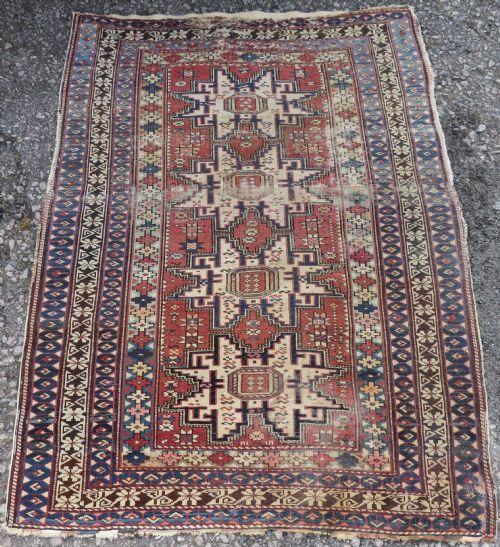
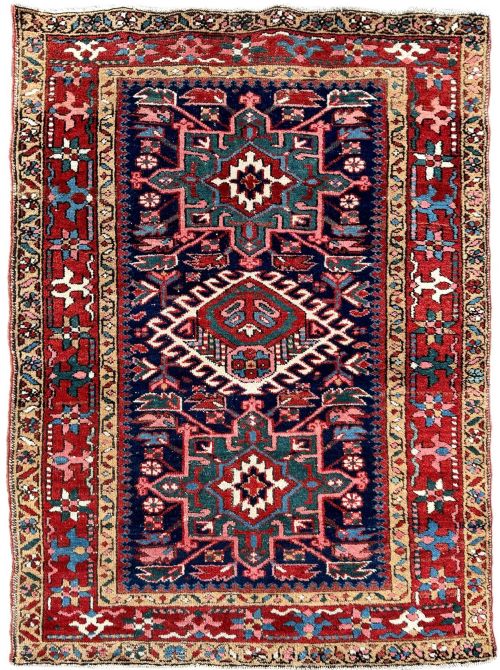
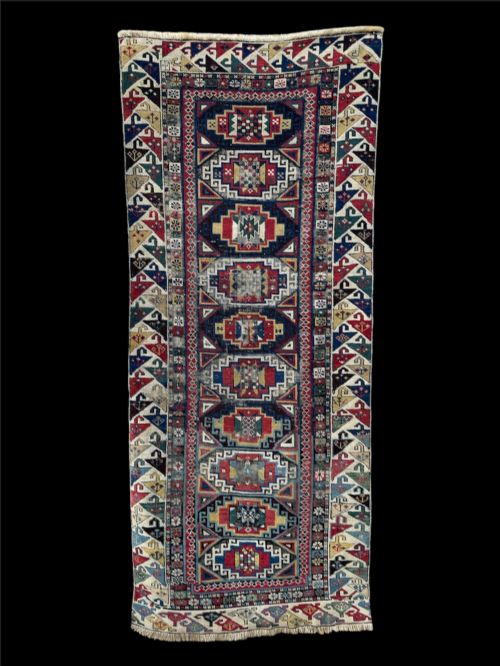
A handwoven caucasian rug is defined by the distinct tribal and nomadic designs originating from the Caucasus region during the nineteenth and early twentieth centuries. These pieces encompass various regional formats, including area rugs, runners, prayer rugs, flat-weave kilims, and small bag faces.
The versions most commonly met on this page date from the late nineteenth century up to the 1930s, reflecting traditional Caucasian styles alongside related Persian tribal and nomadic aesthetics. Buyers will find everything from large carpets down to compact hearth rugs and cushions.
Regional attributions often point towards specific weaving centres such as Karabagh, Kuba, Shirvan, Kazak, Gendje, and Daghestan. Each area contributes unique motifs, from cruciform medallions to banded kilim designs and intricate geometric field patterns.
Materials and construction methods
These textiles rely on wool for the pile and foundation, frequently utilising hand-spun wool that accepts natural dyes with depth and variation. Cotton also appears in the construction, particularly for warps and wefts in later or specific regional productions.
Weavers employed traditional knotting and flat-weave techniques, including Soumak wrapping and slit-tapestry kilim construction, to create durable structures. The application of natural dyes ensures that the colours mellow gracefully over decades of use.
Object types recorded include area rugs, runners, flat-weave kilims, bag faces, cushions, and panels.
Assessing quality and craftsmanship
Quality in these textiles rests upon the precision of the geometric drawing, the tightness of the weave, and the integrity of the wool. Finer pieces demonstrate meticulous execution in complex medallions and crisp tribal motifs.
The vitality and depth of the natural dyes significantly influence the visual success of a piece, with harmonious palettes separating standard examples from superior works. Original proportions and surviving borders also determine the overall standing of an antique rug.
The Handwoven Caucasian Rug Glossary
- Kazak
- A designated style of rug originating from the western Caucasus, known for bold geometric designs and saturated primary colours. These pieces often feature large medallions and rectilinear animal or plant motifs.
- Kilim
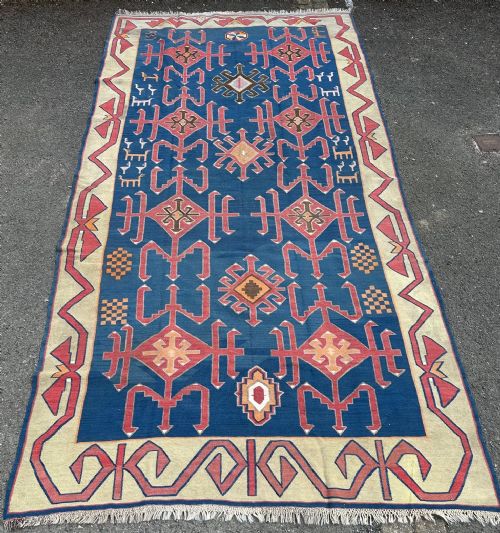
- A flat-woven carpet or rug produced without a pile by tightly interweaving warp and weft strands. This technique creates a lightweight, reversible textile with sharp geometric patterns.
- Soumak
- A flat-weave technique where extra decorative-weft threads are wrapped around the warp yarns to create a textured, durable surface. It results in a sturdy structure with a braided appearance on the face.
- Prayer rug
- A small format rug featuring a mihrab or niche design at one end, traditionally oriented towards Mecca during daily prayers. These pieces often display specific regional iconography.
- Warp
- The vertical threads stretched tightly on the loom that form the structural skeleton of the rug. The exposed ends of these threads frequently form the fringe.
- Medallion
- A central ornamental motif positioned in the middle of the rug field. In tribal weaving, these shapes range from simple octagons to complex cruciform arrangements.
Handwoven Caucasian Rug: Frequently Asked Questions
How do I clean an antique rug?
Gentle surface brushing and professional specialist cleaning suited for natural wool and dyes preserve the integrity of the textile. Water saturation and harsh chemical detergents must be avoided.
Regular light vacuuming without a rotating power brush helps remove embedded grit from the wool pile without damaging the hand-spun foundation.
Can I use these runners in hallways?
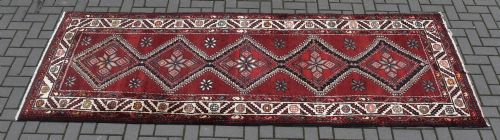
Runner formats suit high-traffic hallways and corridors when paired with a quality underlay to prevent sliding and cushion footfall. The durable wool construction handles everyday domestic movement well.
Rotating the runner periodically ensures even wear across the length of the piece over years of placement.
How do I identify different regional styles?
Regional attribution relies on studying the specific palette, border arrangements, and characteristic geometric motifs unique to areas like Shirvan, Kuba, or Gendje. Structure and knotting characteristics also provide clues.
Comparing known design structures helps separate Kazak productions from Daghestan or Karabagh pieces.
Are flat-weaves as durable as piled rugs?
Flat-woven kilims and Soumaks lack a raised pile but offer considerable strength through tightly beaten tapestry weaves. They function effectively on floors when supported by a secure rug pad.
Their lower profile makes them particularly versatile for layering or placing beneath furniture where a thick pile might impede doors.