




Indigo Caucasian Carpet
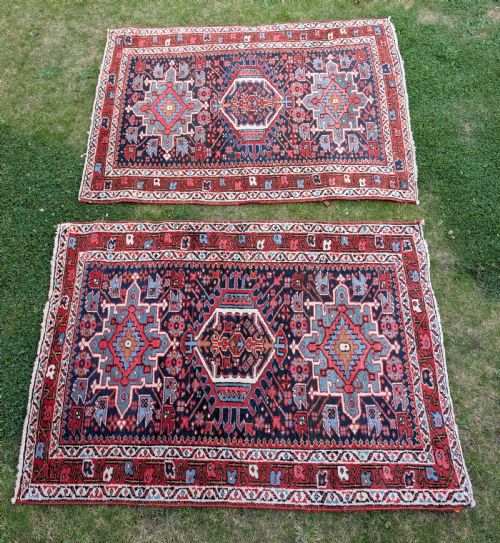
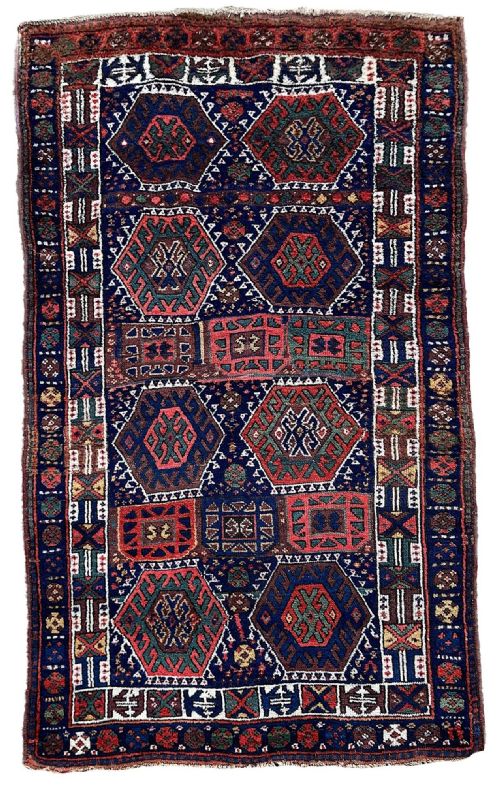
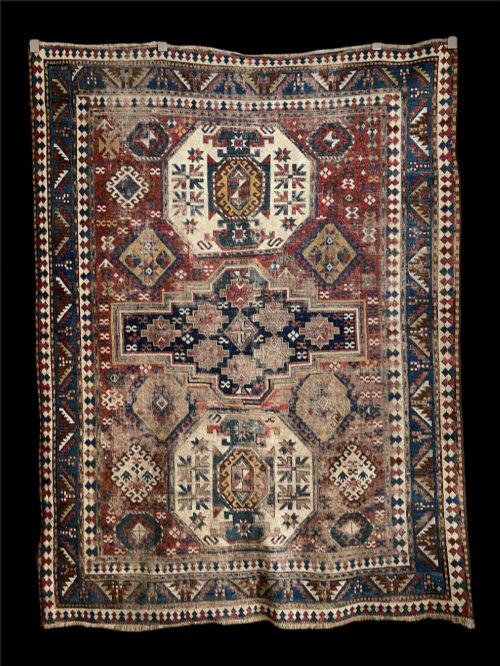
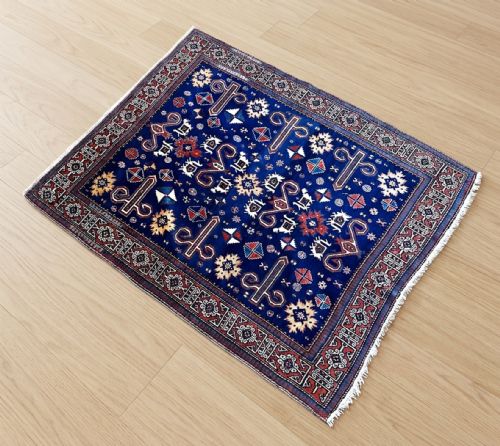
An indigo caucasian carpet brings striking tribal geometry and deep blue saturation into a room.
Indigo Caucasian Carpet
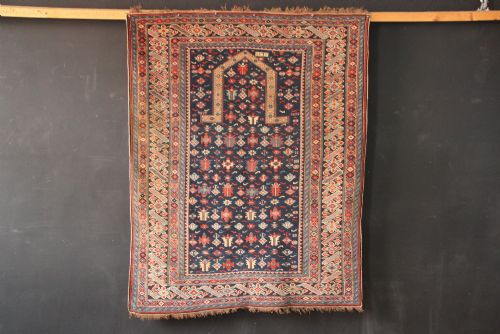
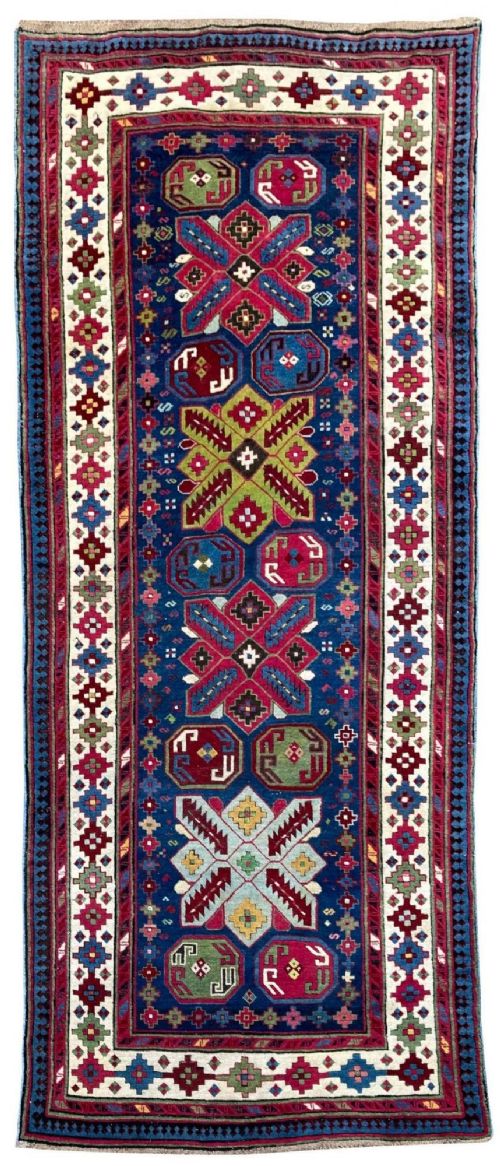
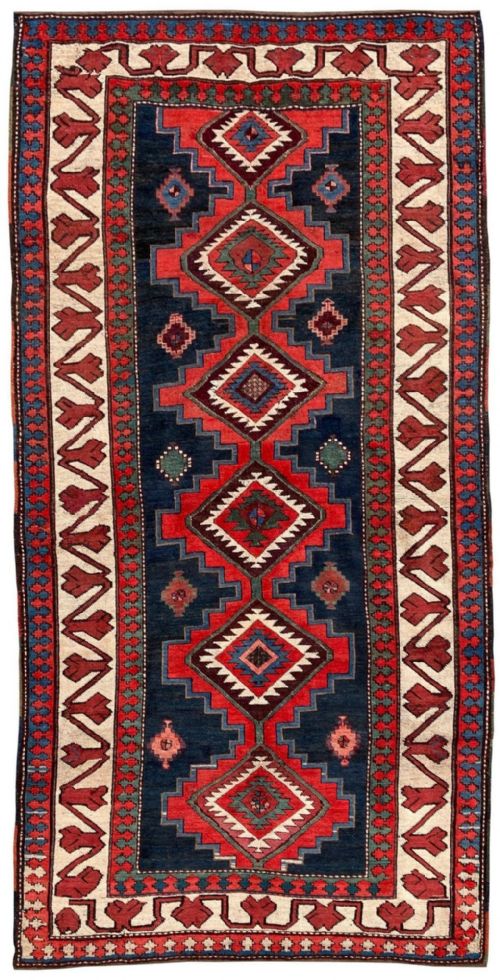
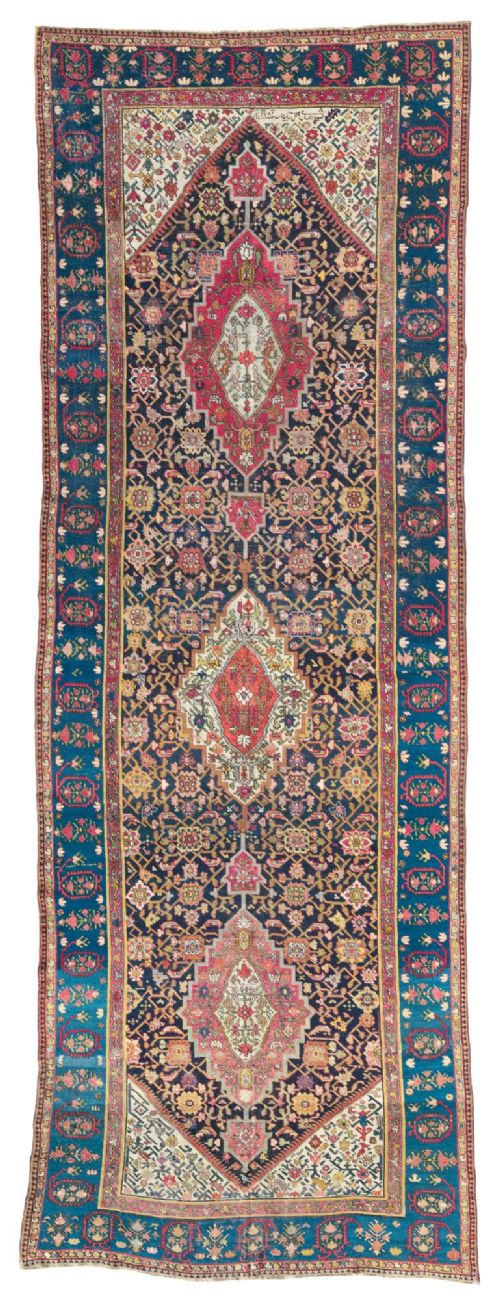
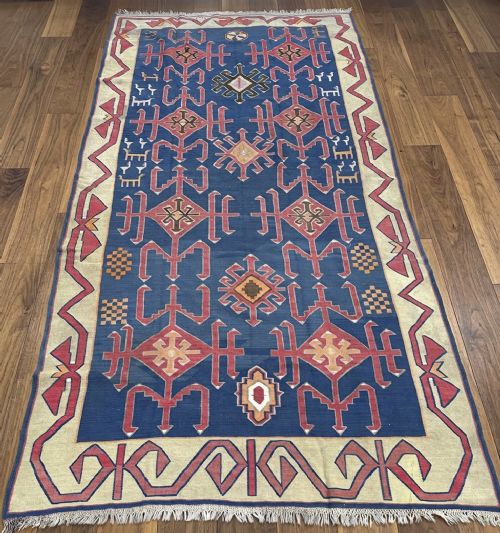
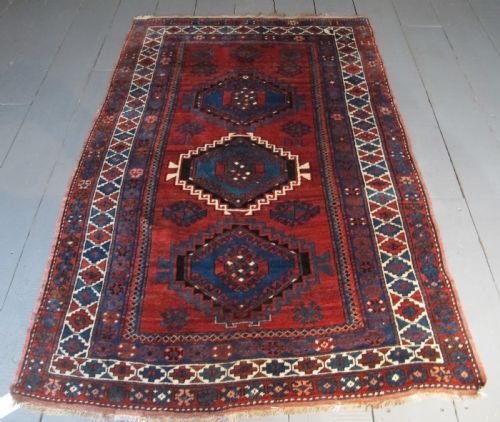
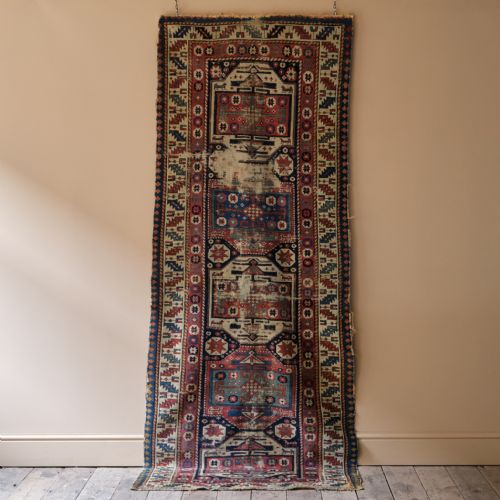
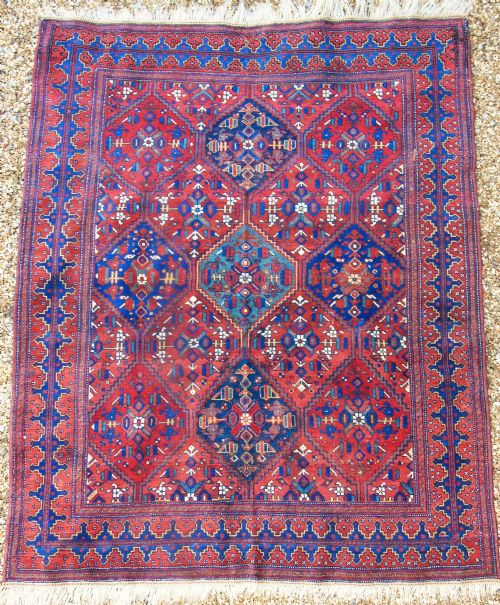
An indigo caucasian carpet represents hand-knotted and flat-woven textile traditions originating across the Caucasus region during the nineteenth and early twentieth centuries. These pieces encompass specific weaving styles including Kazak, Karabagh, Shirvan, Talish, Gendje, and Derbent. Buyers encounter formats ranging from square area rugs and long runners to large carpets and flat-woven kilims.
The material identity centres on heavy wool foundations and piles, often structured with cotton, which yields a firm and durable handle. Stylistically, the inventory demonstrates traditional tribal motifs, geometric medallions, Lezghi stars, and repeat patterns linked to specific villages and nomadic groups. Dating spans from the middle of the nineteenth century through to the decades following nineteen hundred.
Materials and Construction
Weavers utilised local wool for the pile and foundation yarns, sometimes incorporating cotton for structural warp and weft threads. This combination provides the characteristic dense weight and resilience found in tribal weaving from the region.
Colour derives from natural dyes applied to the wool, producing deep indigo blue grounds alongside contrasting tones. The pieces combine knotting techniques with flat-weave kilim methods, particularly in utilitarian items and repurposed panels.
Indigo Caucasian Carpet Retail Price Guide 2026
Typical asking prices for indigo caucasian carpet among the pieces listed under this phrase on Sellingantiques today, from the lower quarter to the upper quarter. They describe what is for sale here now, not the wider market.
Listings span periods from eighteen fifty to nineteen forty, documenting wool, cotton, and natural dyes across Caucasian, Persian, and Kurdish tribal styles.
Distinctions in Quality
Quality rests upon the crispness of the geometric drawing, the saturation of the natural dyes, and the integrity of the wool pile. Finer examples display balanced proportions, clear medallion outlines, and well-preserved borders.
The handling of the indigo blue ground dictates much of the visual impact, where depth and uniformity elevate the piece. Structural soundness across the edges and ends also separates standard production from finer tribal work.
The Indigo Caucasian Carpet Glossary
- Kazak
- A designated style of antique rug originating from the western and southern Caucasus, known for bold geometric medallions and saturated primary colours. These pieces often feature large-scale designs executed in heavy wool.
- Talish
- A specific Caucasian long rug format characterised by a narrow field, frequently dominated by a central blue ground and structured medallion borders. They originate from the Caspian Sea region.
- Kilim
- A flat-woven textile produced without a pile, created by tightly interweaving warp and weft strands to form geometric patterns. These items serve as floor coverings or utilitarian wall hangings.
- Kelleh
- A large format carpet or long rug traditionally utilised in Middle Eastern interiors for specific floor spaces. They display extended proportions distinct from square area rugs.
- Mafrash
- A storage bag panel originally used by nomadic tribes for bedding, which collectors occasionally find repurposed into smaller flat-woven rugs or kilims.
Indigo Caucasian Carpet: Frequently Asked Questions
What defines a caucasian carpet?
These carpets are hand-woven textiles created by various tribes and village workshops situated in the mountainous Caucasus region between the Black Sea and the Caspian Sea.
They are characterised by distinct geometric patterns, tribal symbols, and saturated natural dye palettes, particularly deep indigo blues and vibrant reds.
How do I care for an antique rug?
Protect the textile by vacuuming gently without a rotating brush bar and keeping the piece out of direct, prolonged sunlight.
Rotate the rug periodically to ensure even wear across the surface from foot traffic and furniture placement.
How are different regional types told apart?
Distinctions rely on the specific geometric vocabulary, medallion structures, and border arrangements unique to weaving centres such as Kazak, Shirvan, or Talish.
The choice of ground colour and the handling of the wool also provide strong indicators of regional origin.
Were these pieces used on floors?
Weavers produced these textiles primarily as functional floor coverings, seating areas, and tent furnishings for nomadic and village daily life.
Some formats, such as mafrash panels, served originally as storage containers before being adapted later.