

Handled Silver Bowl
A handled silver bowl brings together functional form and historic metalwork, offering collectors a tangible piece of domestic heritage.
Handled Silver Bowl
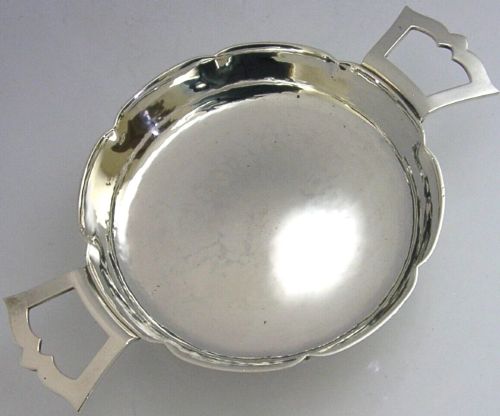
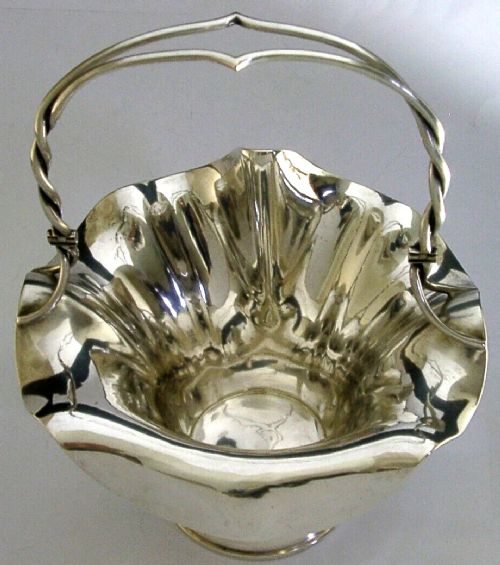
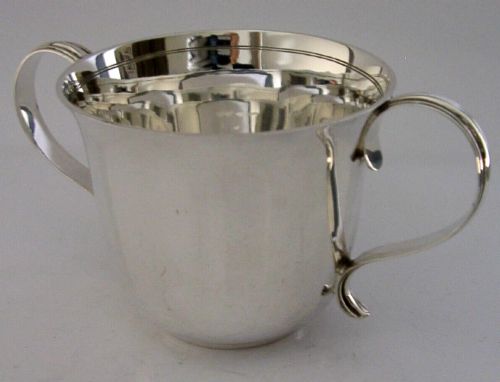
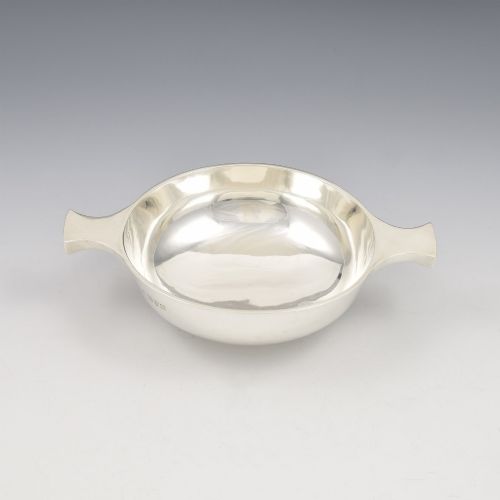
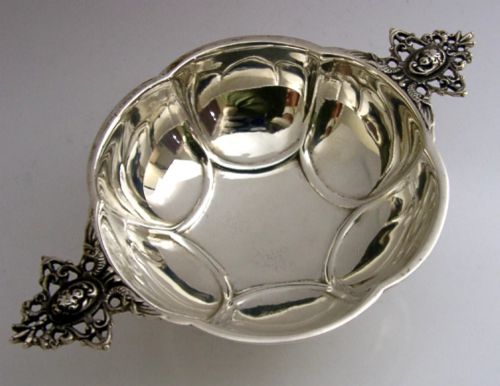
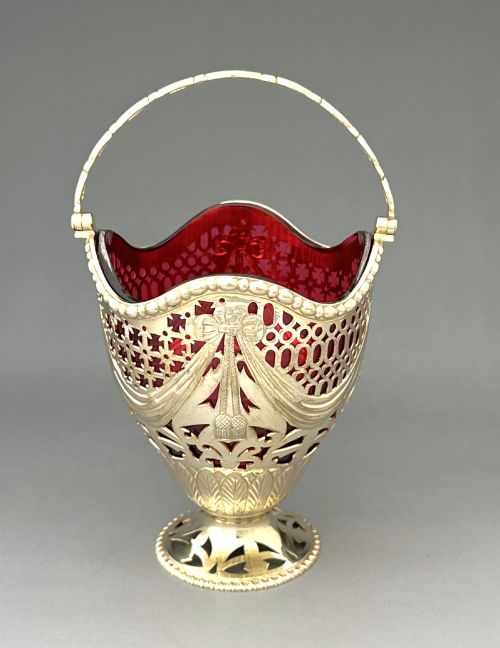
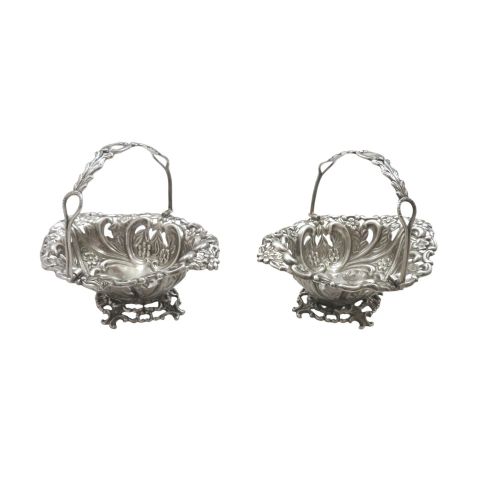
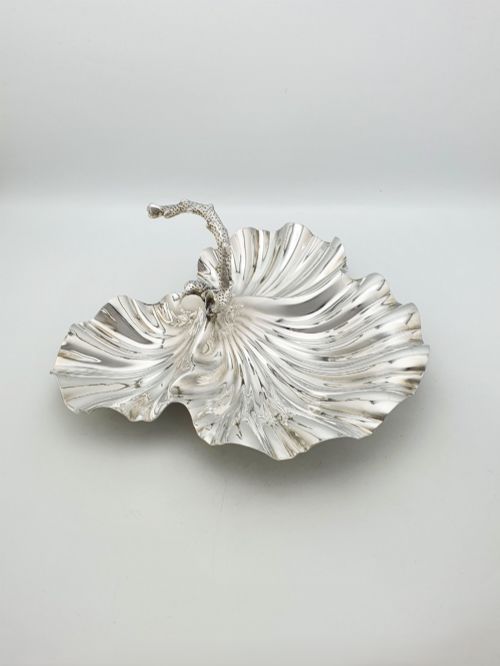
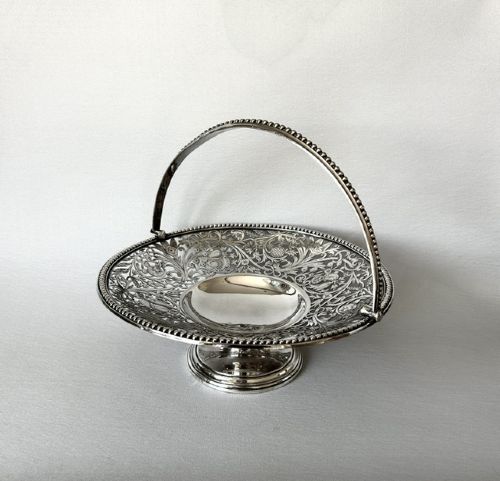
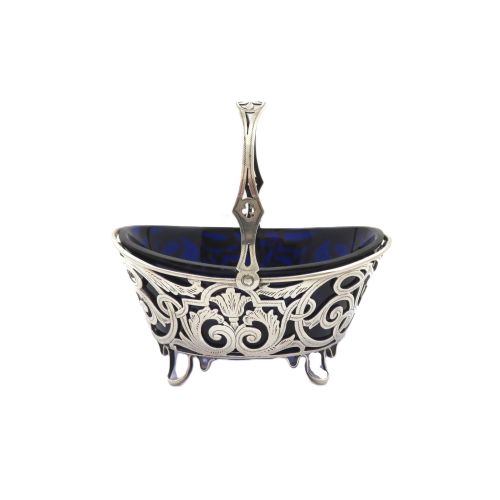
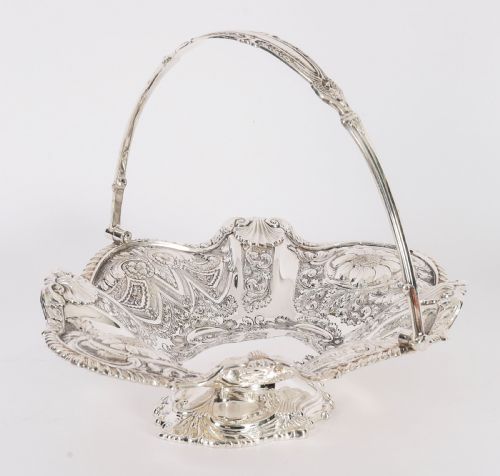
When searching for a handled silver bowl, buyers encounter a diverse array of domestic items spanning several centuries, from Georgian sugar baskets to Edwardian swing-handled fruit vessels. The selection frequently includes twin-handled porringers, quaich cups, and neo-classical fruit baskets originating from Victorian and early twentieth-century workshops.
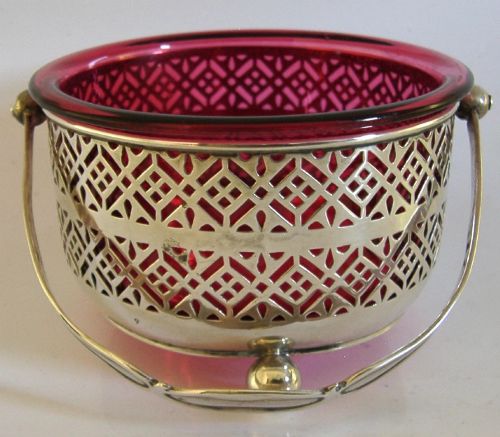
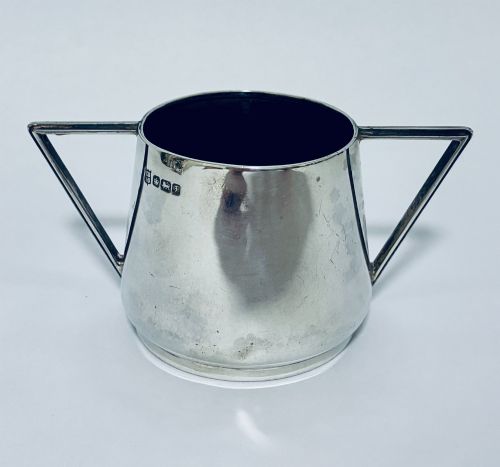
The objects served varied functions in historical dining and entertaining, operating as sugar basins, sweetmeat holders, cream pails, or decorative table centrepieces. Examples with glass liners, such as cranberry or cobalt vessels, also appear alongside solid metal forms and plated variants.
Edwardian and Victorian pieces dominate the available selection, reflecting shifts in domestic hospitality where handled vessels were central to tea and dessert service. Collectors also find earlier Georgian examples, which display precise piercing and classical proportions.
How they were made
Silversmiths utilised traditional manufacturing methods including hammering, casting, and hand-piercing to shape sterling silver, solid silver, and old Sheffield plate. Planished surfaces show direct hammer marks left by the artisan, a technique prominent in Arts and Crafts pieces.
Composite items combined precious metals with contrasting elements like glass liners, copper, ebonised wood, and electroplated nickel silver. Handles were frequently cast separately and soldered or pinned to the main body, ranging from simple reeded loops to stylised floral repoussé rims and bird motifs.
Listings feature periods from Georgian and Victorian eras through to Edwardian, Art Nouveau, Arts and Crafts, and Art Deco designs.
What varies in quality
The distinction between standard domestic items and superior examples lies in the weight of the metal and the crispness of the hand-chased decoration. Heavier gauges of silver resist distortion and retain sharper relief in repoussé floral motifs or geometric Art Nouveau lines.
Maker execution defines the upper tier, where disciplined planishing, balanced proportions, and integrated handling demonstrate advanced craftsmanship. Piercing work varies from simple geometric piercing to intricate neo-classical patterns that require precise saw-work.
R E Stone·Nathan and Hayes·Martin Hall and Co·Aldridge and Green·Henry Chawner·Hukin and Heath·Elkington·Thomas Bradbury·A E Jones·Henry Matthews
The Handled Silver Bowl Glossary
- Quaich
- A traditional Scottish two-handled drinking vessel or shallow bowl, often adapted as a small decorative bowl or barware.
- Porringer
- A small, two-handled bowl used historically for porridge, broth, or as a christening gift.
- Repoussé
- A metalworking technique where the artisan pushes the design out from the reverse side by hammering, creating a raised pattern on the front.
- Old Sheffield Plated
- An early method of fusing a thin sheet of silver to a thicker copper base before rolling them into sheets for fabrication.
- Planished
- A surface texture achieved by hammering metal with a polished round-faced hammer to smooth the form and leave regular facets.
Handled Silver Bowl: Frequently Asked Questions
What is a handled silver bowl used for?
These vessels historically functioned for serving sugar, fruit, sweetmeats, or broth during formal dining and tea rituals. Their handled design allowed servants or hosts to pass them safely around the table.
Today, collectors utilise them as decorative table centerpieces, catch-alls for small items, or functional serving dishes for modern entertaining.
How do I date a silver bowl?
Dating relies heavily on hallmarks stamped into the metal, which indicate the assay office, date letter, and maker's mark. Stylistic indicators like neo-classical piercing or Art Nouveau whiplash lines also narrow down the era of production.
Examining construction methods, such as old Sheffield plating techniques versus later electroplating, provides further chronological clues.
What is the difference between solid silver and silver plate?
Solid silver, including sterling standard, consists of precious metal throughout the entire thickness of the object. It carries assay office marks guaranteeing the purity of the metal.
Silver plate involves a base metal, such as copper, nickel silver, or pewter, covered with a thin outer layer of silver. Old Sheffield plate uses a fused sheet technique, whereas later pieces often employ electroplating.
How should I clean my handled silver bowl?
Regular maintenance involves washing the bowl in warm, soapy water with a soft cloth to remove dust and oils. Avoid harsh abrasive cleaners that scratch the metal surface or wear down thin silver plating.
For tarnish removal, use a dedicated silver polish applied gently with cotton wool, followed by thorough rinsing and drying.