







Handcrafted Wool Rug
A handcrafted wool rug brings tactile warmth and enduring regional design into a room, spanning tribal trappings and room-sized carpets.
Handcrafted Wool Rug
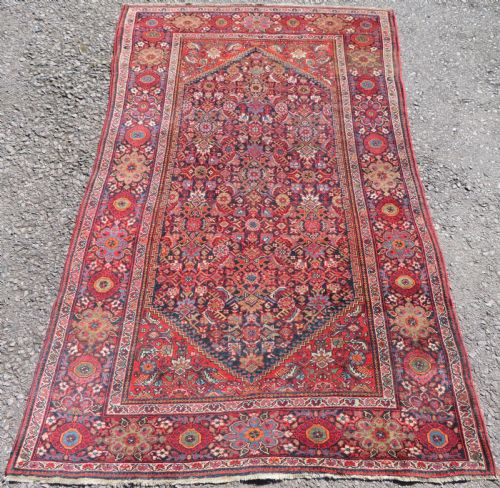
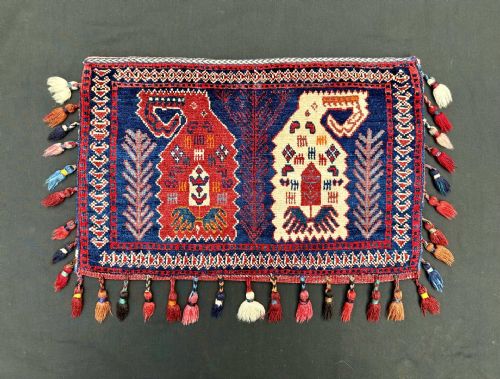
A handcrafted wool rug encompasses knotted carpets, flat-woven kilims, narrow runners, and embroidered wall hangings originating from Persia, Central Asia, Turkey, and Portugal. The pieces span domestic floor coverings to nomadic storage bags and tent trappings created across the late nineteenth and early twentieth centuries.
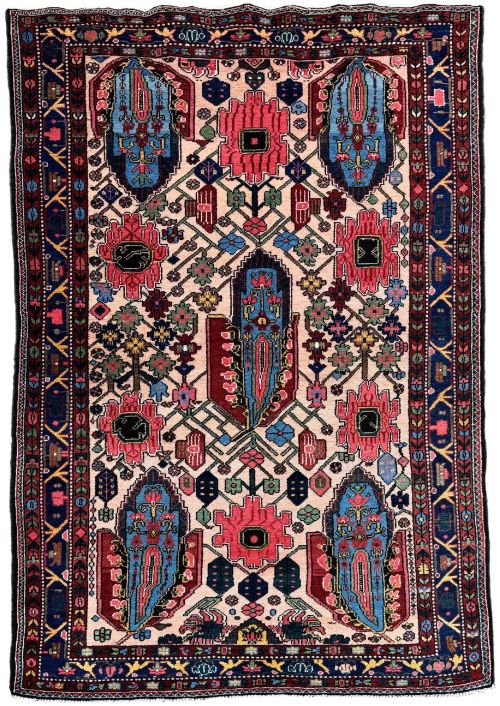
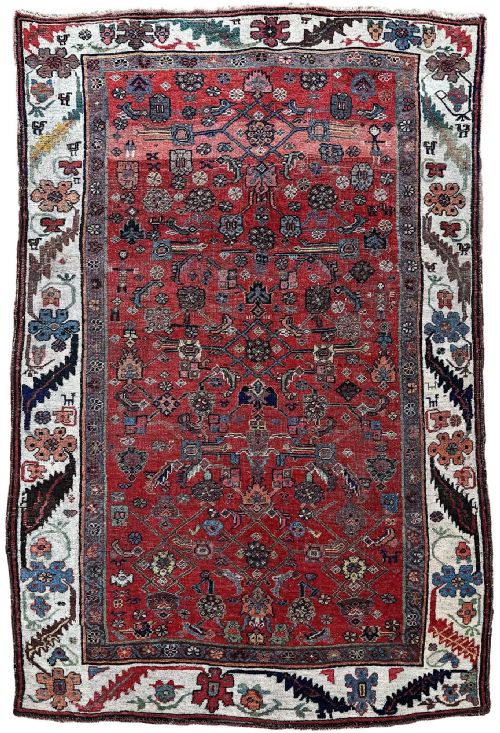
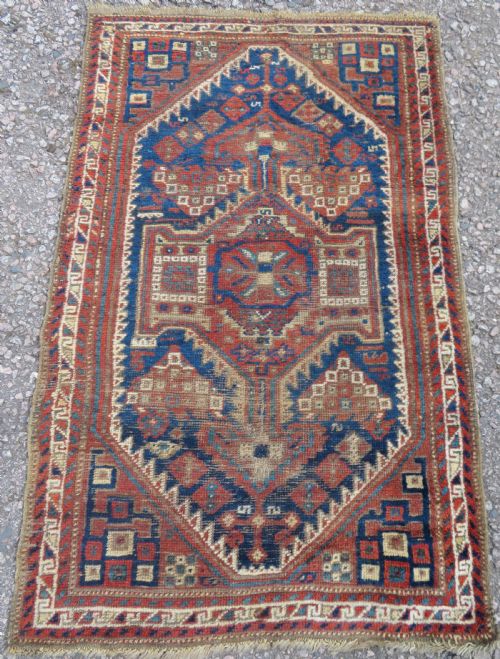
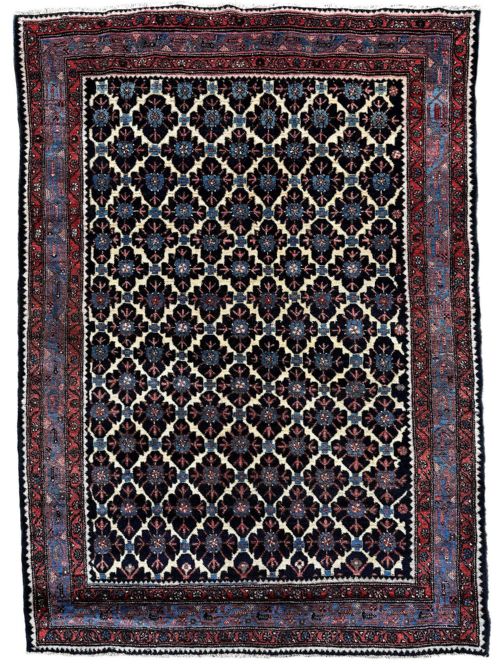
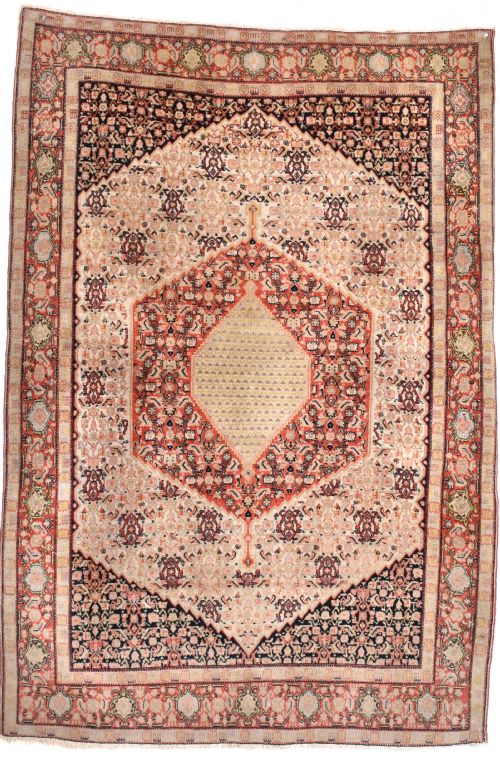
Buyers seeking a handcrafted wool rug will encounter room-sized carpets, smaller scatter rugs, and specific regional variations such as Bidjar, Malayer, and Bakhtiar formats. These items reflect traditional tribal and town weaving practices that utilise natural materials and time-honoured knotting or flat-weaving techniques.
The selection ranges from finely detailed city carpets to robust tribal pieces featuring geometric motifs, medallion patterns, and pictorial designs. Each textile demonstrates the distinct artistic vocabulary of the weavers who produced them in regions renowned for textile heritage.
Materials and construction
Wool forms the primary structural and pile material across the selection, frequently paired with cotton foundations for warp and weft threads, and occasionally incorporating silk highlights or glass beads for ornamentation. Natural dyes impart the rich colour palettes found in these textiles, yielding varied tones that mature gracefully over decades of use.
Weavers employed hand-knotting, flat-weaving methods such as soumak and kilim, and needlepoint or chain-stitch embroidery depending on the regional tradition. These manual techniques created dense pile carpets, durable flatweaves, and decorative wall or door hangings built to withstand daily practical demands.
Handcrafted Wool Rug Retail Price Guide 2026
Typical asking prices for handcrafted wool rug among the pieces listed under this phrase on Sellingantiques today, from the lower quarter to the upper quarter. They describe what is for sale here now, not the wider market.
Nomadic weavers occasionally incorporated protective glass beads directly into tribal bagfaces to ward off the evil eye.
Judging quality and execution
Quality rests upon the tightness of the weave, the precision of the pattern execution, and the handling of natural dyes. Finer knots per square inch and carefully sorted wool quality distinguish city workshops from everyday nomadic utility pieces.
The integrity of the structural foundation, the evenness of the pile wear, and the saturation of the dye colours determine the overall standing of an individual textile. Pieces retaining clear design symmetry and original selvedges demonstrate superior original craftsmanship.
The Handcrafted Wool Rug Glossary
- Warp
- The vertical foundation threads stretched tightly on a loom before weaving begins. The pile knots are tied around these stationary threads.
- Weft
- The horizontal threads passed back and forth across the warp threads to secure the rows of knots or flat-woven fabric. They provide structural stability to the completed textile.
- Kilim
- A flat-woven carpet or rug produced without a pile by tightly interweaving warp and weft strands. This technique creates a lightweight textile with identical patterns visible on both sides.
- Soumak
- A flat-weaving technique where decorative coloured threads are wrapped over and around the warp threads in a herringbone effect. It results in a thick, durable structure with a clean finish on the reverse.
- Selvedge
- The finished side edges of a rug formed by binding the outermost warp threads. Original selvedges indicate that the textile retains its intended width and structural integrity.
Handcrafted Wool Rug: Frequently Asked Questions
How do I clean a handcrafted wool rug?
Professional dusting and gentle washing suited to natural dyes preserve the wool fibres without causing colour bleed or structural damage.
Regular light vacuuming without a rotating brush bar prevents dirt accumulation in the pile.
Can these rugs be placed in high traffic areas?
Durable wool construction and sturdy cotton foundations allow many traditional rugs to withstand regular foot traffic in hallways and living spaces.
Nomadic tribal pieces and flatweaves handle everyday use well when protected with a suitable underlay.
How do I identify the origin of a rug?
Specific motifs, colour combinations, knotting styles, and structural materials point directly to particular weaving centres and nomadic tribes.
Comparing border designs and field patterns against documented regional examples clarifies where and roughly when a textile was made.
What is the difference between a rug and a kilim?
Rugs feature a raised pile created by individual knots tied to the foundation, offering a plush surface underfoot.
Kilims are completely flat-woven without pile, relying on interlocking weft threads to form crisp geometric designs.