
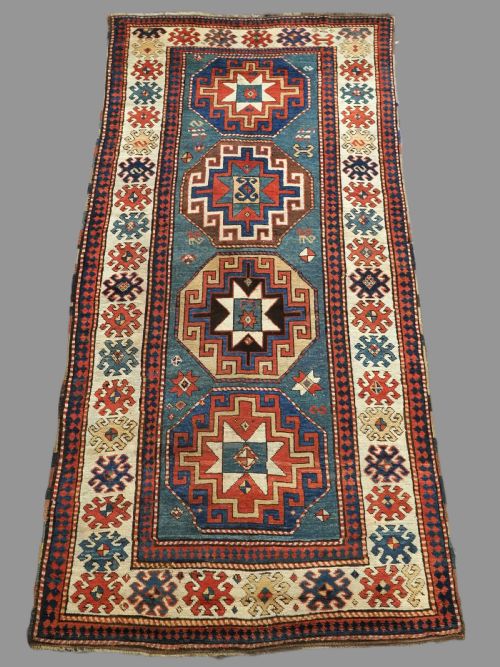
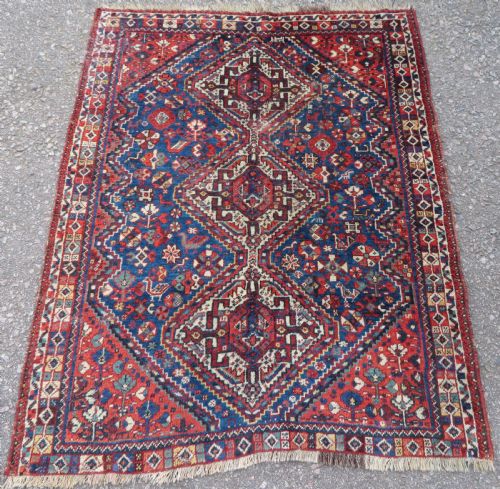
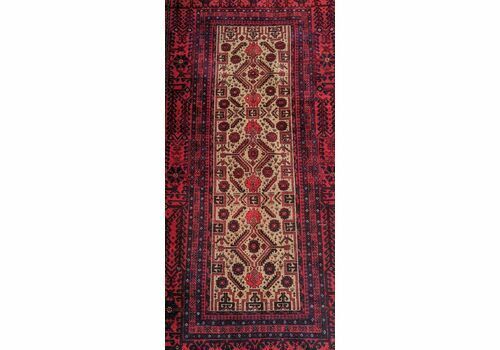
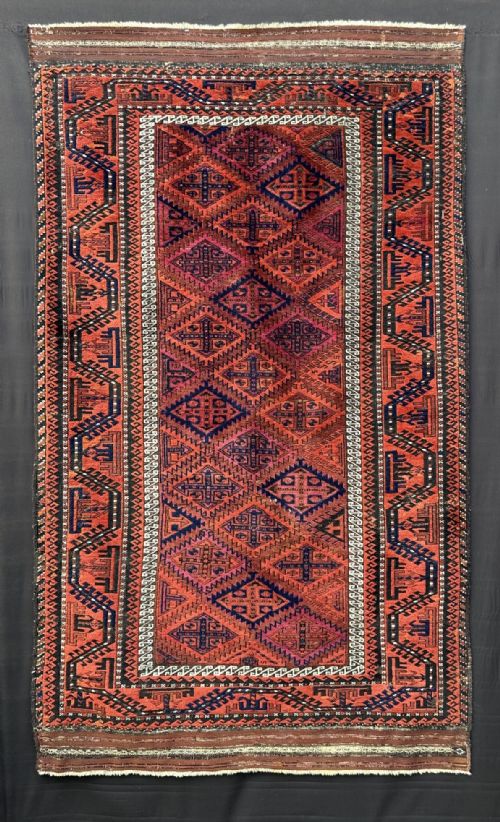
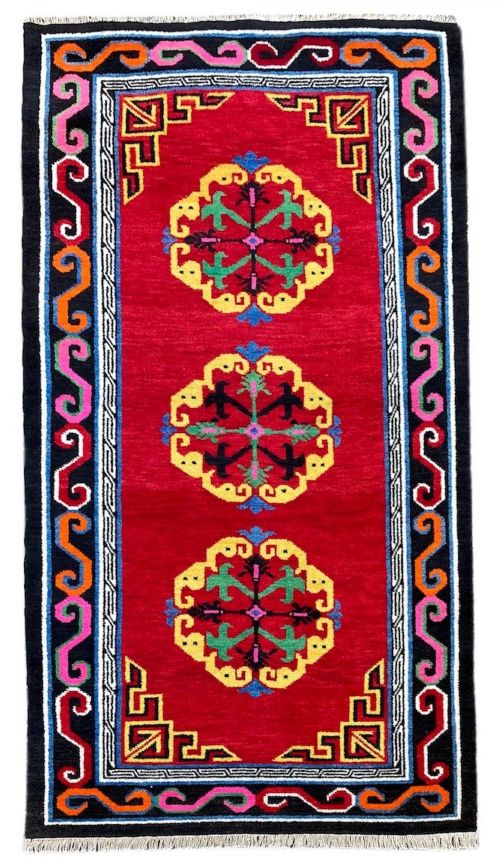
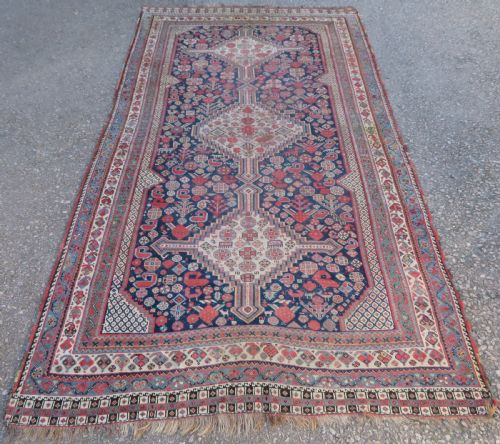


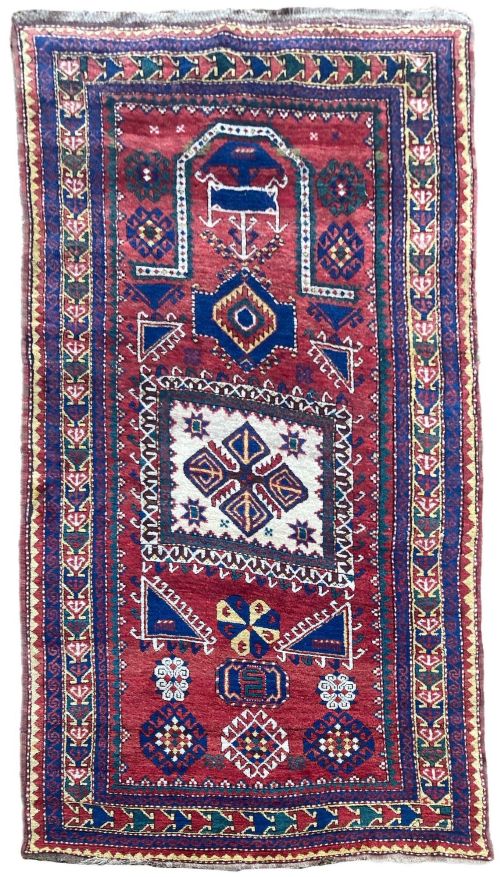

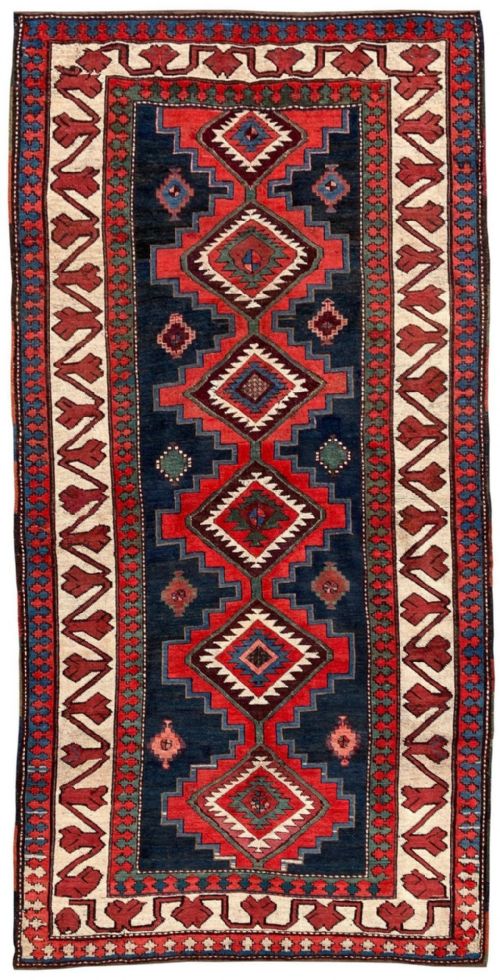
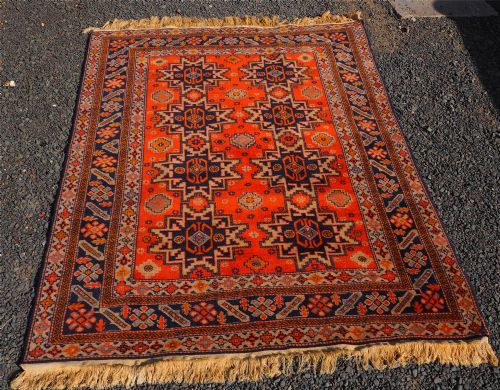
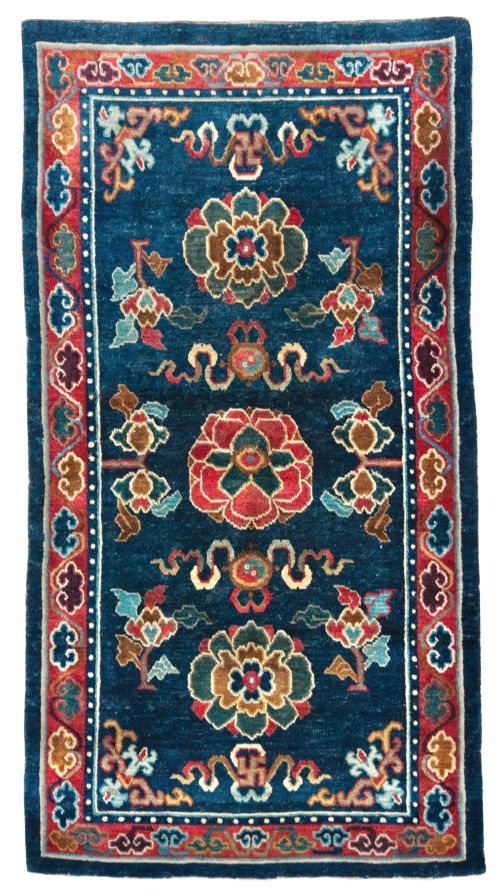
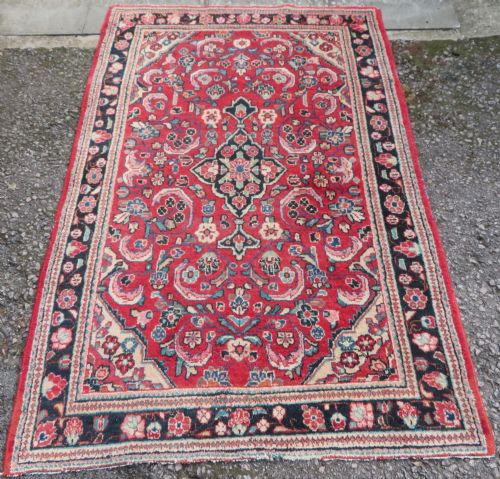
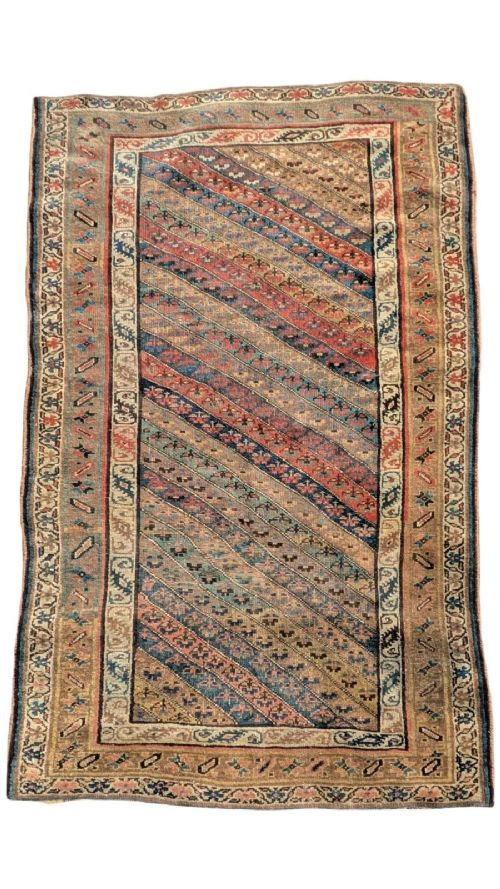
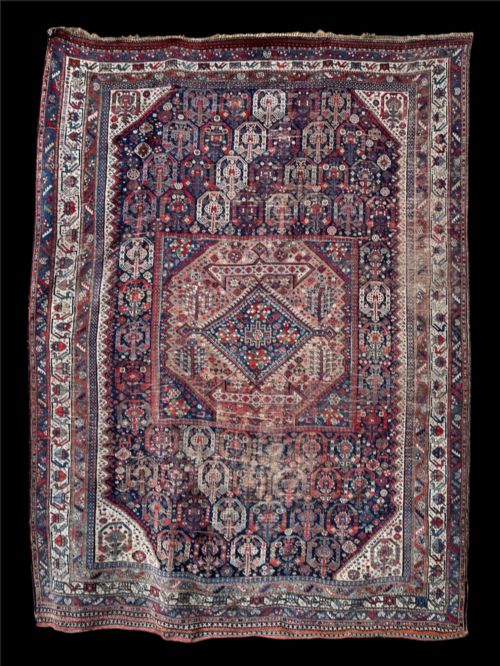
Hand Woven Tribal Runner
These hand woven tribal runner examples bring centuries of village weaving and nomadic heritage directly to long hallways.
Hand Woven Tribal Runner
A hand woven tribal runner represents practical nomadic and village floor coverings designed for heavy use in narrow spaces. These textiles emerge from traditions across Persia, the Caucasus, and Central Asian regions, spaning the nineteenth and early twentieth centuries.
The inventory on this page ranges from compact formats to extended hallway runners. Buyers encounter pieces originating from specific tribal confederacies and weaving villages, each carrying distinct regional motifs and structures.
Materials and Construction
Makers utilised hand-spun wool for its natural resilience, combining it with sturdy cotton foundations in many village and workshop examples. These fibres absorb dye deeply and withstand generations of foot traffic.
Natural dyes provide the characteristic palette seen across these textiles, developing subtle variations in tone over decades of exposure and use.
Some runners retain wool spun by hands that walked dusty paths across the Caucasus over a century ago.
Assessing Quality
Quality rests upon the handled integrity of the wool, the precision of the knotting, and the clarity of the design structure. Superior examples maintain firm foundations and balanced proportions along their length.
The depth and harmony of the natural dye palette separate standard production from exceptional pieces. Artisans achieved greater visual richness through careful preparation of natural colourants.
The Hand Woven Tribal Runner Glossary
- Runner
- A long, narrow carpet format specifically suited for hallways, corridors, and staircases. These pieces balance length with restricted width.
- Natural Dyes
- Colourants derived from plant, insect, and mineral sources rather than synthetic chemical processes. They yield complex tones that mature gracefully over time.
- Hand-Spun Wool
- Yarn processed by hand rather than industrial machinery, retaining irregular thickness and natural lanolin. This material gives tribal rugs their tactile character and durability.
- Prayer Rug
- A textile featuring a central niche or mihrab design, traditionally used for personal devotional practice. These formats often display compact dimensions.
Hand Woven Tribal Runner: Frequently Asked Questions
Where should I place a runner?
These long formats suit narrow corridors, hallways, and entrance spaces where a durable floor covering adds both warmth and character. Their dimensions bridge rooms while protecting high-traffic wooden flooring.
Ensure you use an appropriate underlay to keep the textile stable on smooth surfaces and prevent premature wear from friction.
How do I care for antique wool?
Regular gentle vacuuming without a rotating brush roll keeps dust from settling into the wool foundation. Address spills immediately by blotting rather than rubbing the fibres.
Professional cleaning tailored to antique textiles helps maintain the integrity of natural dyes and hand-spun wool over the years.
What defines tribal village designs?
Nomadic and village weavers drew upon generational motifs, geometric patterns, and stylized animal or plant forms rather than rigid court templates. This freedom yields expressive and varied compositions.
Such designs reflect the specific cultural heritage and environment of the makers rather than standardised commercial production.
How do I identify the period?
Dating relies upon structural analysis, the chemistry of natural dyes, and stylistic markers characteristic of nineteenth and early twentieth-century weaving centres. Variations in wool preparation also offer clues.
Examining the selvages, end finishes, and back knotting reveals technical shifts tied to specific decades of production.