
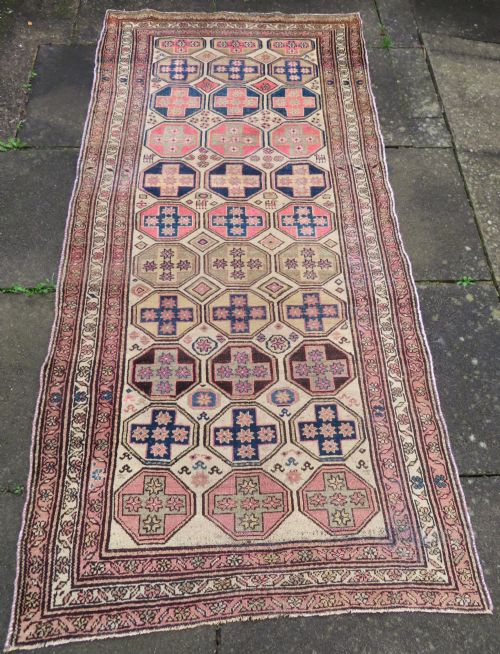




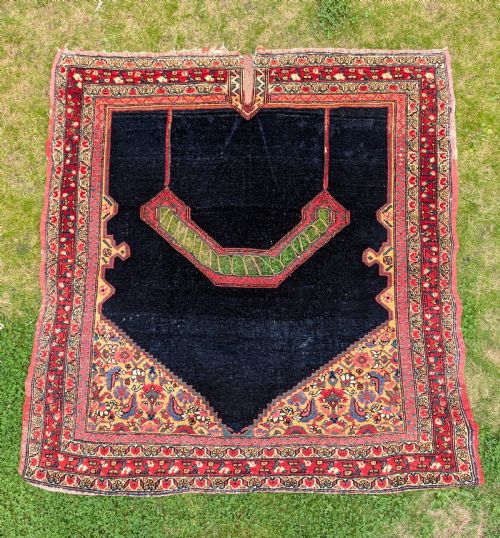
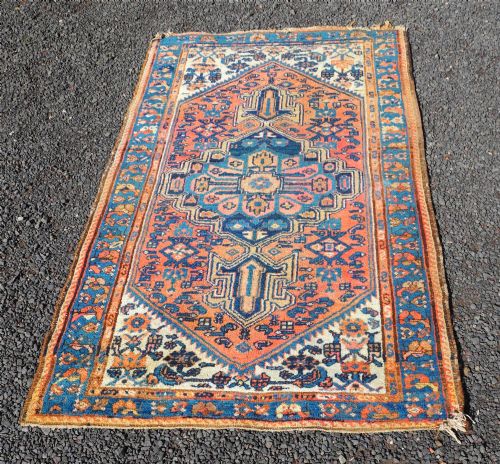

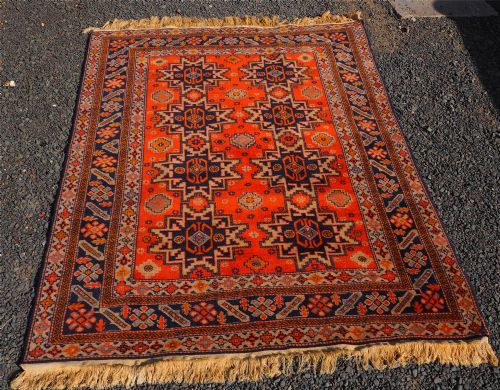
Hand Woven Tribal Carpet
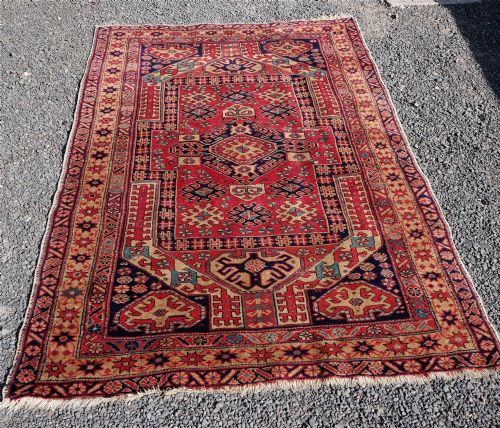
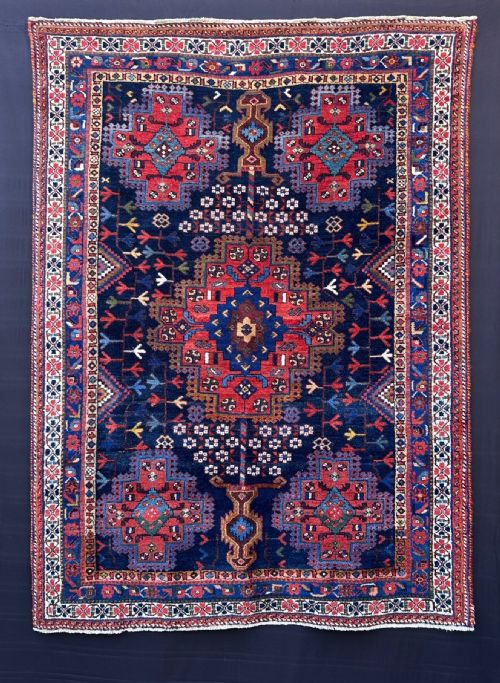
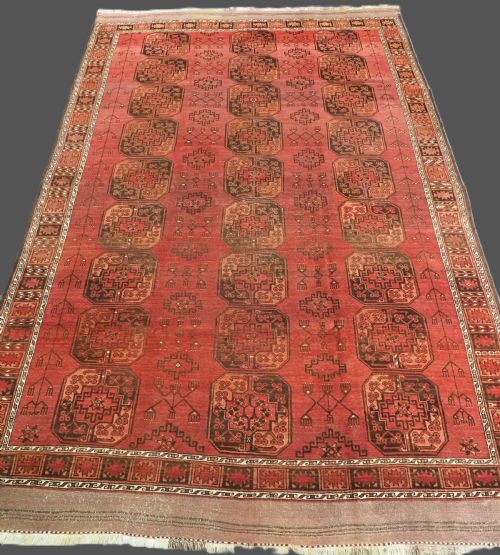
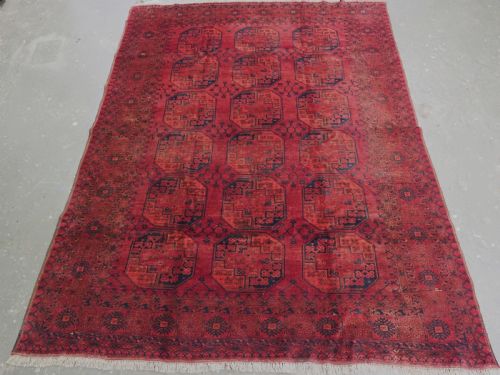
When you search for a hand woven tribal carpet, you are looking at wool floor coverings made by nomadic and village weavers across Persia, the Caucasus, and Central Asia.
Hand Woven Tribal Carpet
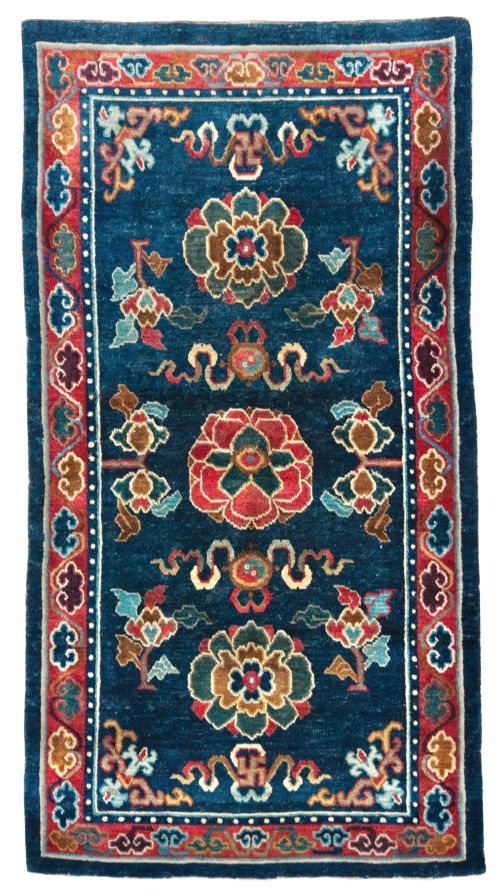
A hand woven tribal carpet represents the traditional weaving practices of specific tribal confederations and village communities, spanning the nineteenth and early twentieth centuries. These pieces encompass formats ranging from large main carpets and area rugs down to specialised items such as prayer rugs, saddle covers, and tent bags.
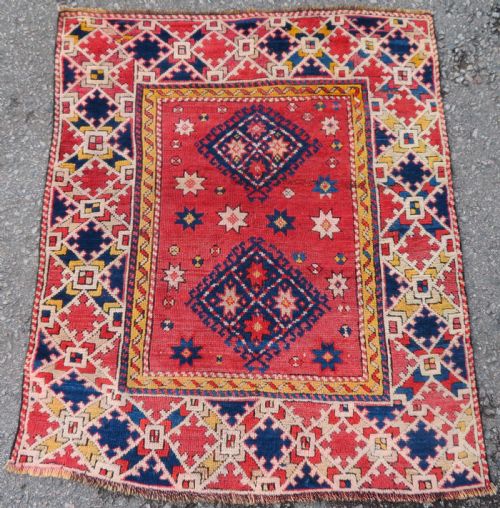
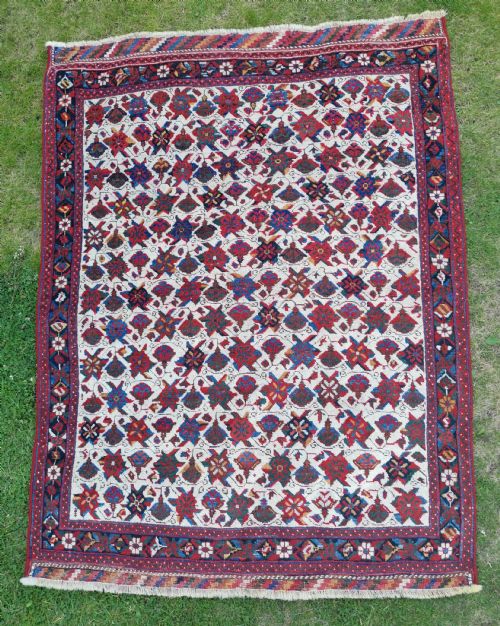
The most common examples on this page are Persian and Caucasian tribal rugs, alongside Turkmen and Afghan pieces originating from nomadic or village workshops. Pieces from regions such as Hamadan, Bakhtiar, Khamseh, and Kazak frequently appear, showing distinct regional patterns and formats.
Makers ranged from individual nomadic weavers working on portable vertical looms to village workshops producing pieces for local use and trade. Their work preserves geometric medallions, repeat field motifs, and traditional animal or floral abstractions passed down through generations.
How they were made
These textiles rely primarily on wool for both the pile and the foundation structure, frequently utilising hand-spun wool that retains natural lanolin and irregular texture. Cotton is also utilised for warp and weft foundations in specific village and town productions.
Weavers employed natural dyes to colour the wool, yielding rich reds, indigos, yellows, and browns that mellow gracefully over time. The structural technique relies on hand knotting onto vertical warps, creating a dense and durable textile designed to withstand daily use.
Hand Woven Tribal Carpet Retail Price Guide 2026
Typical asking prices for hand woven tribal carpet among the pieces listed under this phrase on Sellingantiques today, from the lower quarter to the upper quarter. They describe what is for sale here now, not the wider market.
Nomadic weavers occasionally incorporated minor deliberate asymmetries into strict geometric layouts to ward off the evil eye.
What varies in quality
Quality rests in the handling of the wool, the saturation and depth of the natural dyes, and the precision of the weave relative to the type. Early pieces with high-grade hand-spun wool and balanced proportions show greater integrity and character.
The crispness of the tribal geometry and the complexity of the border arrangements distinguish finer examples from standard village work. Individual artistic expression in the layout of medallions and tribal symbols also elevates certain pieces above routine production.
The Hand Woven Tribal Carpet Glossary
- Warp
- The vertical foundation threads running the length of the carpet onto which the knots are tied. The visible fringe at either end of a rug consists of these extended warp threads.
- Weft
- The horizontal threads passed back and forth through the warp threads after each row of knots to secure them in place. Multiple weft shots can determine whether a rug handles with a supple or stiff drape.
- Pile
- The upright woolen surface of the carpet formed by the cut ends of the knots. The height and density of this pile affect the tactile feel and visual clarity of the design.
- Natural Dyes
- Colourants derived from plants, roots, insects, and minerals rather than synthetic aniline compounds. These dyes age with subtle variations in tone known as abrash.
- Abrash
- Variations of colour within a single field of tone caused by changes in dye batches or different dye pots. This is a normal characteristic of traditional hand dyeing.
Hand Woven Tribal Carpet: Frequently Asked Questions
How do I clean an old tribal carpet?
Routine maintenance requires gentle vacuuming without a rotating power brush to protect the pile and vulnerable fringe ends. Professional immersion washing by a specialist familiar with antique wool and natural dyes remains essential for deep cleaning.
Water exposure and standard household detergents can cause fugitive dyes to bleed and weaken the brittle wool foundation. Keeping the rug out of direct, prolonged sunlight also helps preserve the original tone of natural dye colours.
Where were these tribal rugs made?
Production centres span the Caucasus, Persia, and Central Asia, encompassing regions inhabited by nomadic and semi-nomadic confederations. Specific weaving groups include the Afshar, Khamseh, Bakhtiar, Kazak, and various Turkmen tribes.
Weavers worked in camps, villages, and oasis settlements, utilising local wool and regional design repertoires. These distinct geographical origins imparted characteristic colour palettes and geometric structures to each piece.
Can I use a tribal carpet in a hallway?
Certain formats listed as runner rugs or hallway runners are proportioned specifically for narrow spaces and corridors. Placing a quality rug pad underneath provides essential cushioning and prevents the carpet from sliding on hard floors.
High-traffic areas will accelerate wear on an antique wool pile, so balancing daily foot traffic against the density of the weave is important. Rotating the carpet periodically ensures even exposure to wear and light over time.
How do I tell different tribal designs apart?
Design attribution relies on analyzing the specific structural geometry, border motifs, and colour palette characteristic of particular regions. Caucasian pieces often feature bold, stark polygons and hooked guls, whereas Persian tribal work may incorporate finer floral elements or repeating boteh motifs.
Examining the selvedge finish, knot type, and foundation materials provides additional clues to geographic origin. Comparing field layouts against documented tribal types helps clarify whether a piece originates from the Caucasus, Persia, or Turkmen territories.