

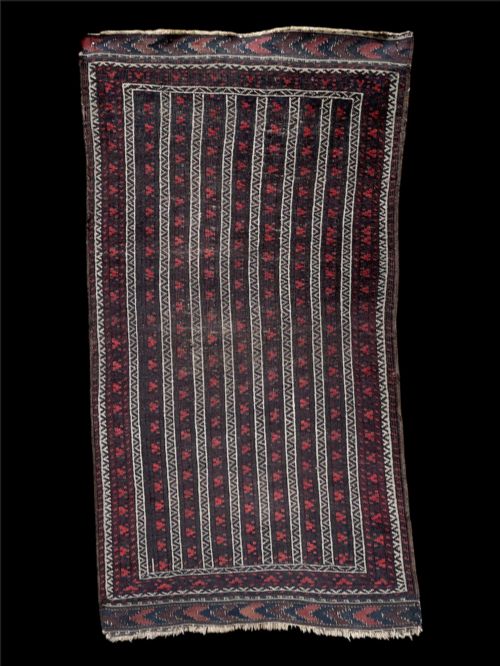


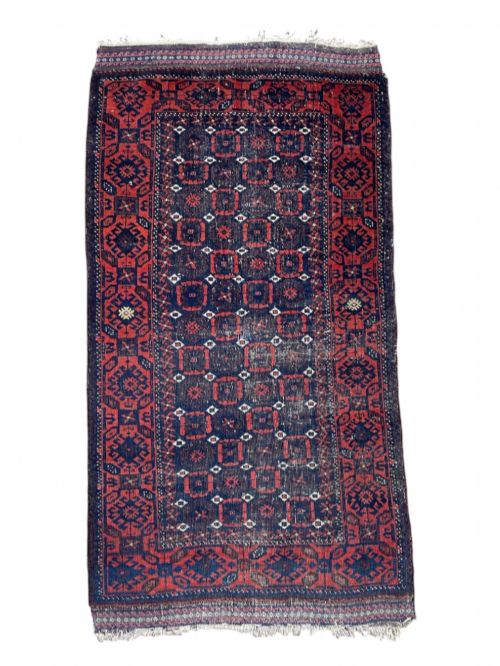


Hand Woven Baluch Rug
A hand woven baluch rug brings authentic tribal geometry and rich wool textures into a room, offering centuries of nomadic weaving traditions.
Hand Woven Baluch Rug
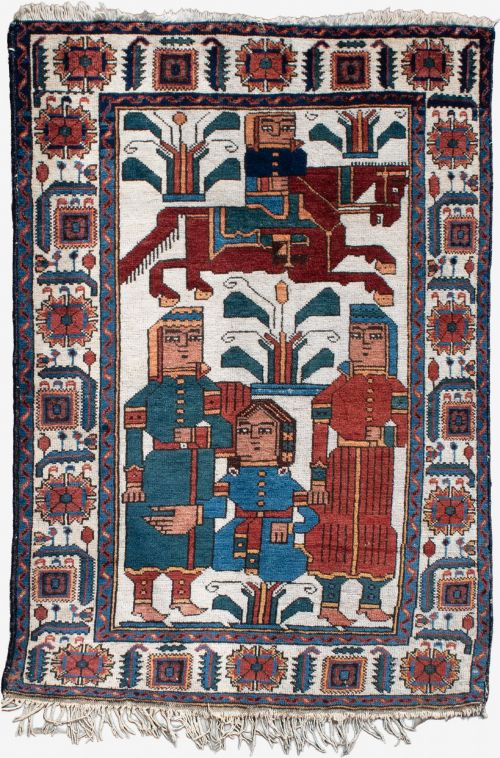
When you search for a hand woven baluch rug, you encounter tribal and nomadic textiles originating from regions across Afghanistan, Persia, and Khorasan. These pieces span from the nineteenth century through the early decades of the twentieth century, reflecting traditional village and tribal craftsmanship.
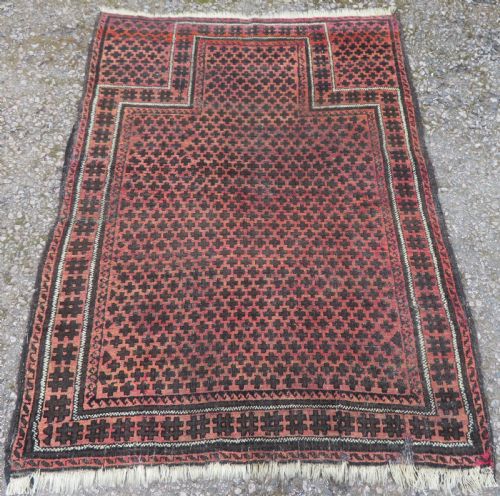
The most common formats you will meet on this page include standard area rugs, small prayer rugs with mihrab designs, and utilitarian items such as saddle bag faces. Tribal weavers produced these floor coverings and wall hangings for domestic utility rather than commercial export.
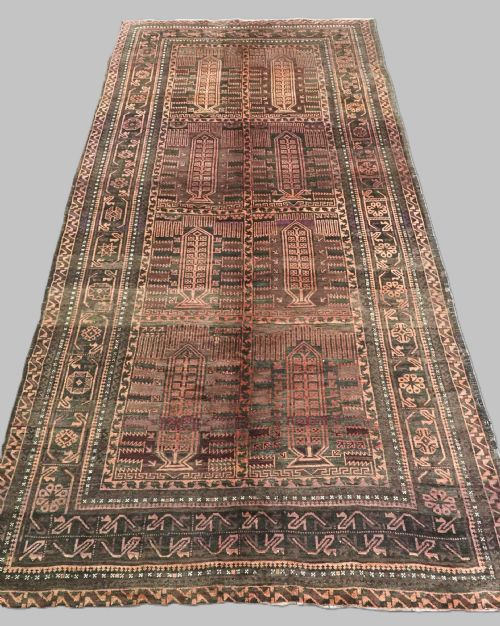
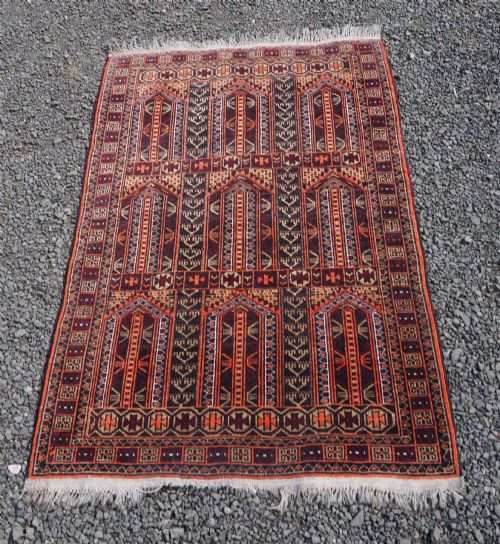
Design patterns range from classic pencil box motifs and kalam donneh patterns to repetitive star in octagon layouts and mina khani variants. Each format displays the distinctive visual vocabulary of tribal groups including Timuri, Salar Khani, and Mahdad Khani weavers.
Materials and construction methods
Weavers relied heavily on hand-spun wool and natural dyes, occasionally incorporating camel wool, cotton foundations, and goat hair for structural durability. These organic materials create a dense, tactile pile that withstands heavy floor use while ageing gracefully.
The construction relies on traditional knotting techniques executed on upright tribal looms. Natural colour palettes derived from local plants and minerals produce deep, earthy tones that patinate distinctively over decades of exposure.
Hand Woven Baluch Rug Retail Price Guide 2026
Typical asking prices for hand woven baluch rug among the pieces listed under this phrase on Sellingantiques today, from the lower quarter to the upper quarter. They describe what is for sale here now, not the wider market.
Some saddle bag faces survived entirely intact because families repurposed them as decorative household panels.
Quality variations in tribal weaving
Quality in these textiles depends heavily on the density of the knotting and the fineness of the hand-spun wool used in the pile. Tighter foundations and well-balanced proportions separate finer tribal examples from simpler utility pieces.
The complexity and execution of the design also dictate distinction, with clear, crisp geometric motifs and well-preserved natural dyes indicating superior craftsmanship. Furthermore, structural integrity and minimal wear to the wool pile elevate certain pieces above heavily distressed alternatives.
The Hand Woven Baluch Rug Glossary
- Mihrab
- A niche design on prayer rugs pointing toward Mecca. This architectural motif serves as the central focal point for Islamic prayer carpets.
- Pushti
- A small mat or rug designed for sitting or kneeling. These compact tribal pieces often display intricate medallion or face designs.
- Gul
- A medallion or repeating floral motif used in oriental carpets. Tribal weavers repeat these geometric crests across the field to signify specific clans.
- Pencil box
- A descriptive term for elongated, stacked compartment designs found in specific main carpets. This layout arranges geometric motifs into narrow horizontal bands.
- Kalam donneh
- A repeating teardrop or paisley motif woven in rows across the field. Artisans arrange these curved elements in structured diagonal patterns.
Hand Woven Baluch Rug: Frequently Asked Questions
How do I identify a genuine tribal piece?
Authentic tribal pieces display hand-spun wool, natural dye variations, and irregular geometric geometries woven on nomadic looms. Examining the back reveals knotting inconsistencies typical of village production.
Makers often utilised camel hair or goat hair in the outer corded selvages. These organic irregularities confirm traditional methods distinct from machine-made reproductions.
Where were these textiles originally made?
Nomadic and village weavers produced these textiles across border regions of Afghanistan, Western Pakistan, and Eastern Persia. Khorasan and Sistan provinces served as primary hubs for specific tribal groups.
Weavers lived a semi-nomadic lifestyle, incorporating regional symbols into their carpets. Their geographical movements influenced the stylistic crossover seen in Timuri and Baluch formats.
How should I care for an antique wool rug?
Protect the textile by vacuuming gently without a rotating brush bar to prevent fibre damage. Professional cleaning by specialists in antique oriental carpets ensures the natural dyes remain stable.
Keep the rug out of direct sunlight to prevent natural dye fading. Using a breathable underlay prevents slipping and reduces friction against hard flooring.
What do prayer rug designs signify?
Prayer rug designs feature a distinct arched mihrab niche that symbolised a doorway or sanctuary. Weavers oriented these rugs toward Mecca during daily prayers.
Variations include seh mihrab layouts featuring triple arches. These sacred formats were created for personal devotional use within nomadic households.