




Hand Painted White Platter
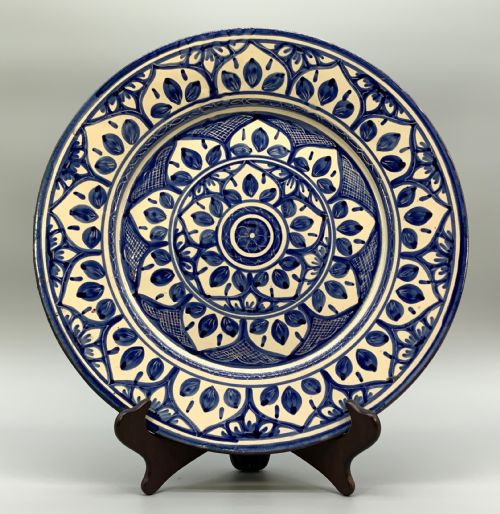
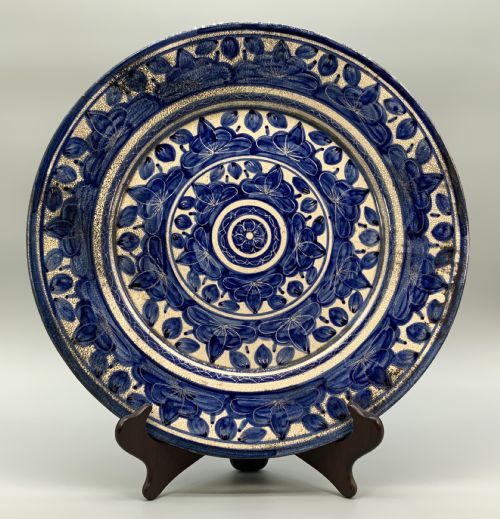
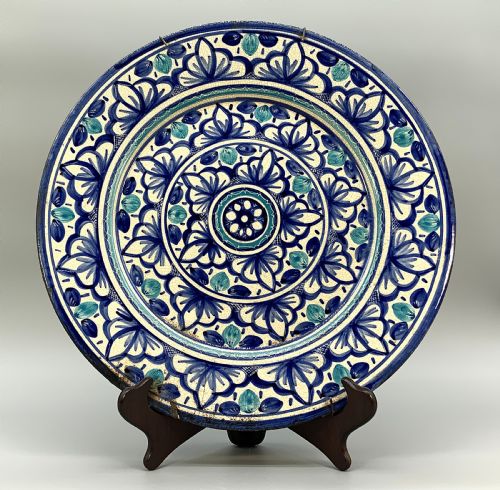
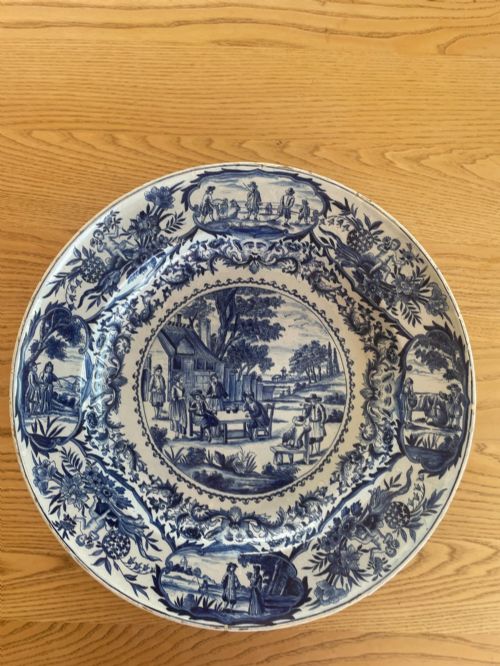
A hand painted white platter brings centuries of ceramic artistry to the table, offering a large surface that displays both everyday utility and intricate painted design.
Hand Painted White Platter
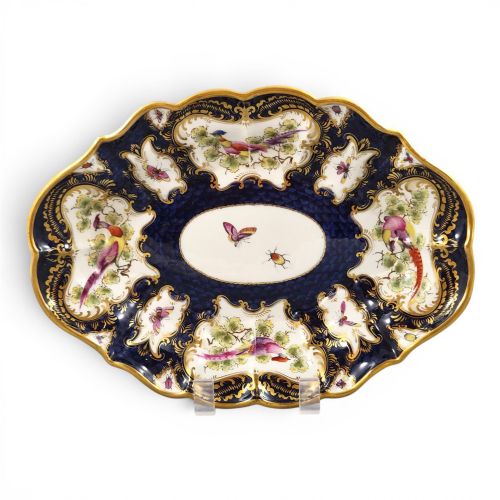
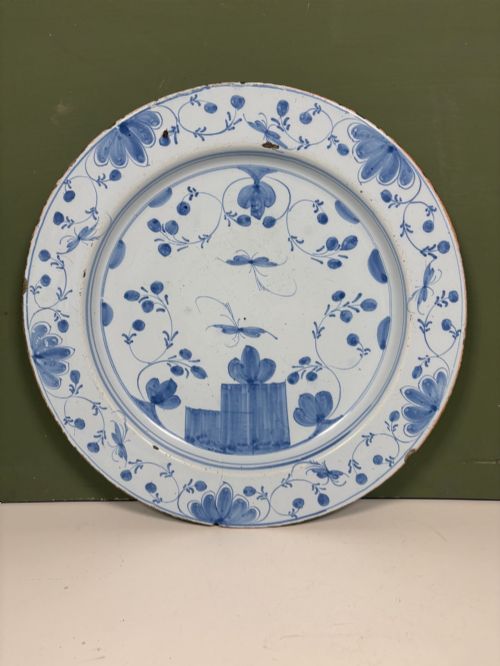
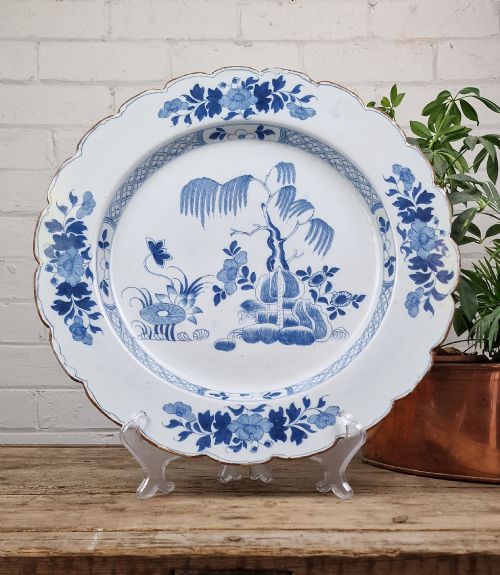
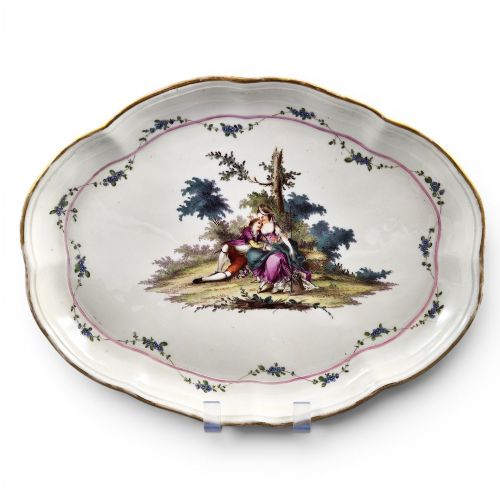
A hand painted white platter encompasses a wide variety of large serving dishes, chargers, and decorative plates originating from European and Asian kilns across the eighteenth, nineteenth, and early twentieth centuries. When searching this phrase, a buyer encounters forms ranging from English and Dutch delftware chargers to Japanese Imari plates and continental porcelain serving trays.
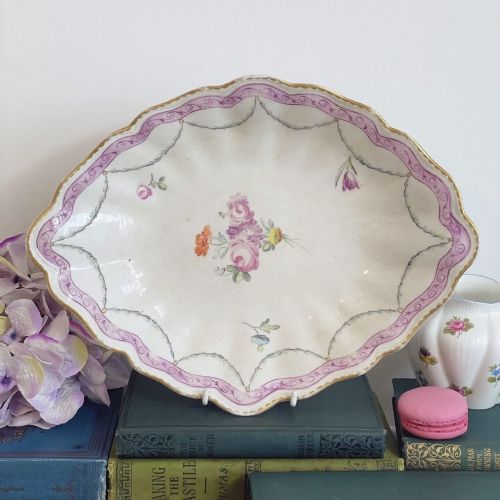
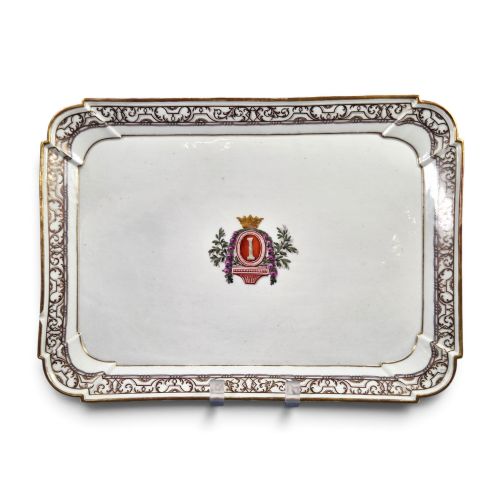
The objects on this page primarily consist of earthenware, tin-glazed earthenware, and porcelain substrates finished with hand-painted decoration. These pieces function as wall chargers, serving dishes, and decorative plates that reflect periods such as the Georgian era, the Meiji period, and the eighteenth and nineteenth centuries.
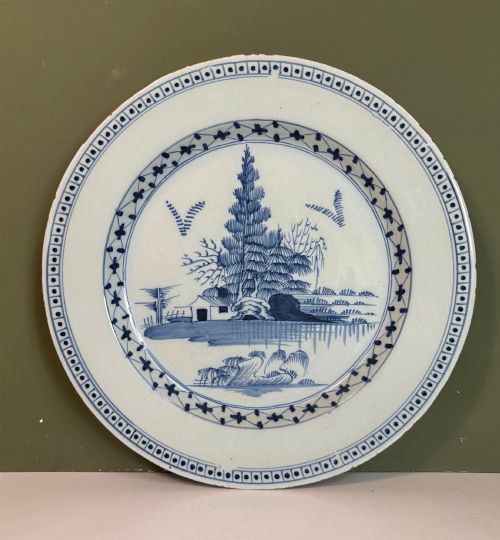
Delft chargers and Japanese porcelain dishes dominate the available selections, showing how potters utilised white grounds or tin glazes to set off cobalt blue and polychrome pigments. Buyers find both deep wall chargers meant for display and shallow serving platters designed for table use.
Materials and construction methods
Potters formed these items from ceramic, earthenware, and fine porcelain bodies, often coating the clay in tin glaze or standard transparent glaze to create a white or pale ground. This white surface served as the canvas for hand-painted cobalt blue, polychrome pigments, and occasional accents of gold leaf.
Kiln firing methods varied by region, with European faience and delftware utilising opaque tin glazes over earthenware, whilst Asian and European porcelain makers fired high-temperature kaolin clay bodies. Artisans applied pigments directly onto the raw glaze or biscuit body before the final glaze firing.
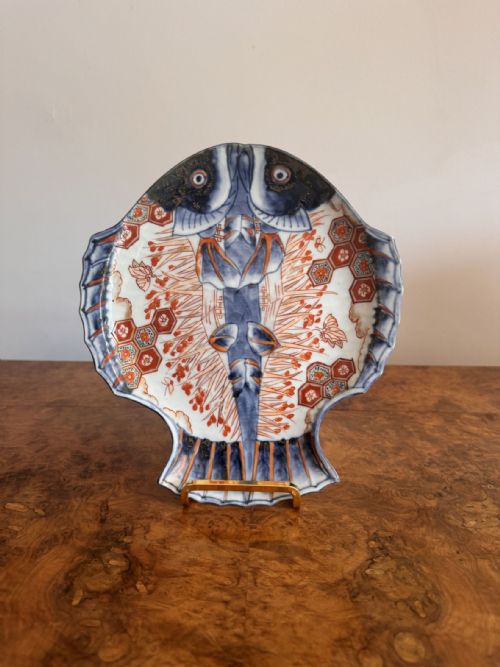
Several antique platters take the literal form of a swimming fish, turning a standard serving dish into a playful table centrepiece.
Distinctions in craftsmanship and preservation
Quality rests in the crispness of the hand painting and the control shown in the brushwork across the white glaze. Finer pieces demonstrate confident, fluid strokes in the floral or pictorial motifs, whilst simpler items display heavier or more repetitive patterns.
The condition of the glaze and the stability of the ceramic body also separate examples, as early tin-glazed earthenware tends to show edge chipping and crazing due to the softer nature of the clay. Porcelain bodies retain their smooth surfaces and bright white grounds more resiliently over centuries.
Royal Worcester·KPM·Ludwigsburg Porcelain·Müller Volkstedt
The Hand Painted White Platter Glossary
- Charger
- A large decorative plate or serving dish typically measuring over twelve inches across. These pieces often hung on walls or anchored large dining tables during formal meals.
- Tin Glaze
- An enamel glaze containing tin oxide that turns opaque white during firing. This coating provides the pale background characteristic of delftware and faience.
- Imari
- A style of Japanese porcelain featuring a palette of underglaze blue, iron red, and gold. Artisans produced these wares in Arita for both domestic use and export.
- Faience
- European tin-glazed earthenware produced in France, Germany, and other regions. This ceramic type mimics the appearance of Chinese porcelain using local clay bodies.
- Polychrome
- Decoration employing multiple colours painted onto the ceramic surface. This term distinguishes multi-colour floral or pictorial designs from single-colour blue and white wares.
Hand Painted White Platter: Frequently Asked Questions
How were these large platters used?
Large platters and chargers served both functional and decorative roles in historic dining rooms. They held meats or side dishes at formal meals and hung on walls when not in use.
Collectors today continue to display wall chargers on plate rails or utilise sturdy serving dishes for presentation during gatherings.
Are these platters safe for food?
Many antique ceramic and earthenware platters carry historic glazes that may not meet modern standards for daily food use. Hairlines, crazing, and soft tin glazes can absorb liquids over time.
Buyers often reserve these pieces for decorative display, dry serving, or gentle hand washing to preserve the historic painted surface.
How do I identify delftware?
Delftware typically consists of a buff earthenware body covered in a white tin glaze that shows a slightly milky or opaque appearance. The hand-painted decoration is usually in cobalt blue.
Examining the foot rim often reveals patches where the glaze touched the kiln support or where the darker clay body shows beneath the white coating.
What is Japanese Imari porcelain?
Japanese Imari porcelain originates from the town of Arita and is recognised by its distinct colour palette. Makers combined cobalt blue underglaze with iron red and gold overglaze.
These plates and chargers frequently display dense floral, geometric, and natural motifs inspired by traditional Japanese textiles and screens.