





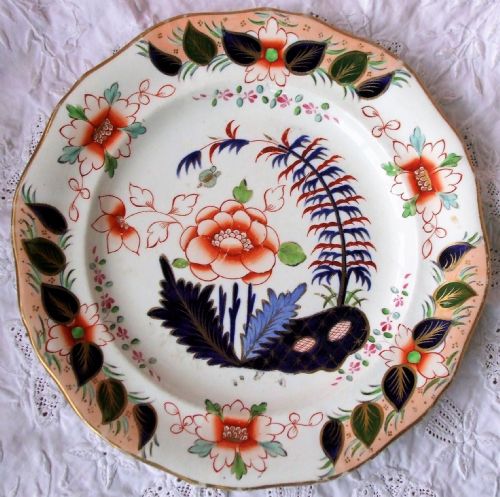
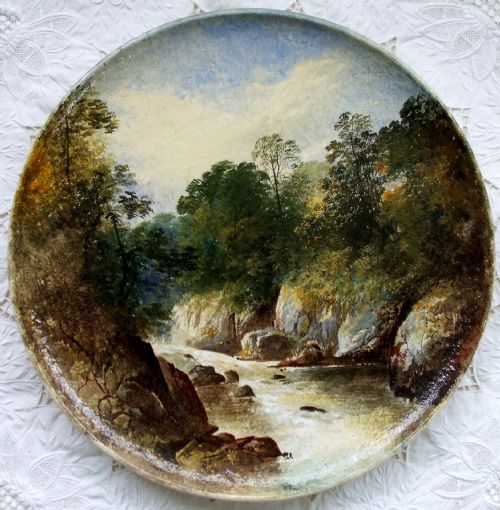

Hand Painted Wall Platter
When you search for a hand painted wall platter, you enter a world of large decorative ceramics and metalwares designed specifically for display.
Hand Painted Wall Platter
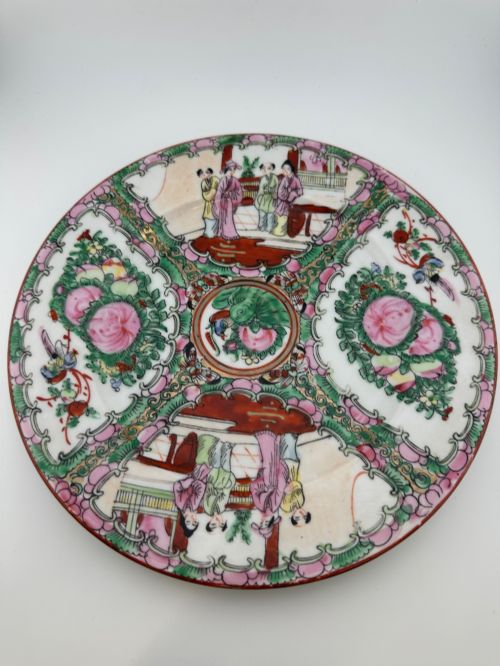
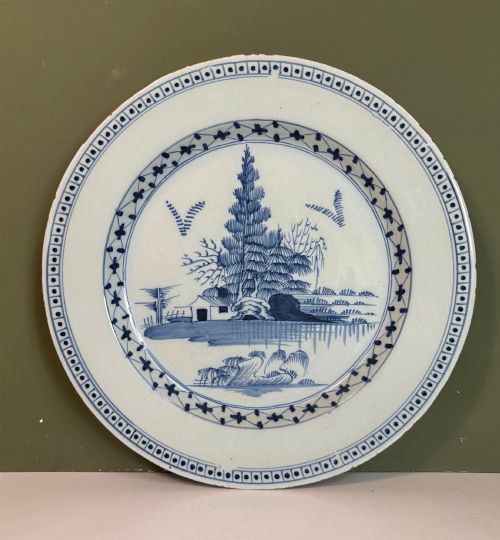
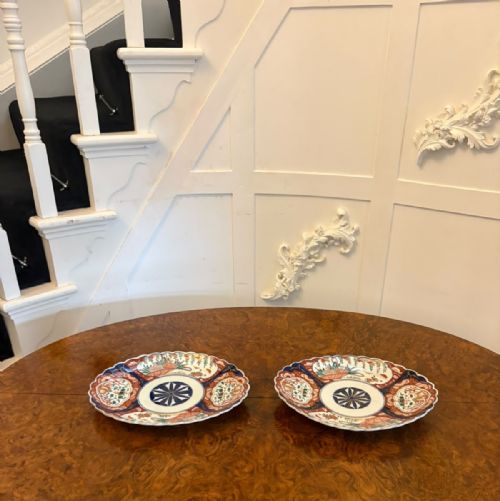
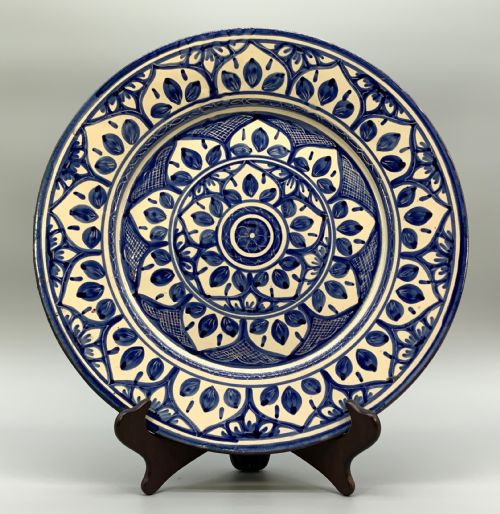
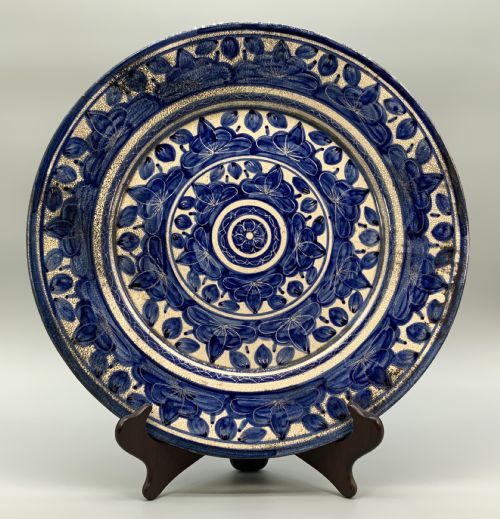
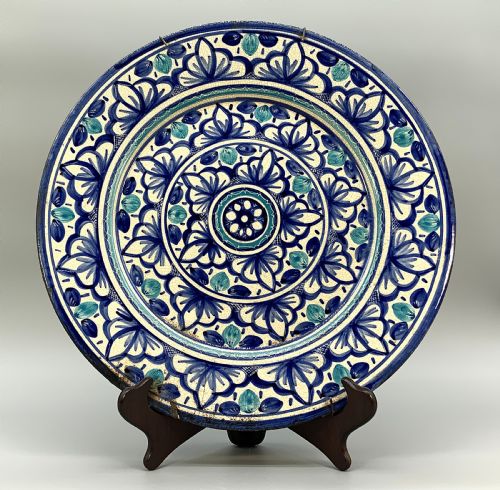
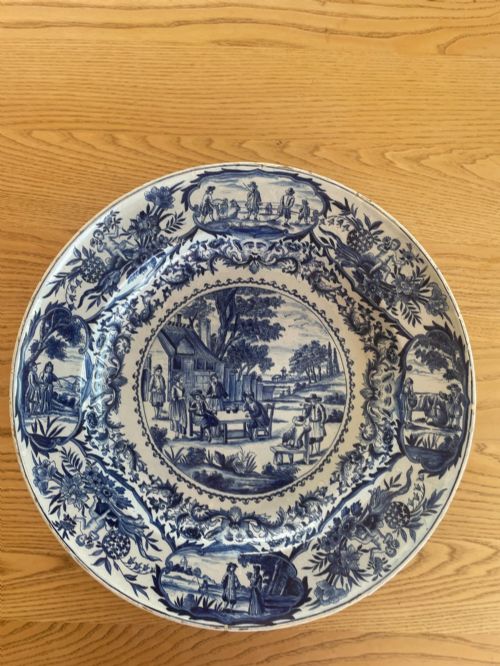
A hand painted wall platter takes the form of large decorative plates, chargers, and plaques meant to be hung or rested on surfaces rather than used for dining. You will frequently encounter Japanese Imari chargers from the Meiji period and tin-glazed earthenware delftware originating in the eighteenth century.
The selection ranges from British porcelain cabinet plates depicting Welsh landscapes to massive continental delft faience pieces in the Moorish style. These objects bridge the gap between functional tableware and pure wall art, often featuring pierced foots rings at the back for hanging wire.
How They Were Made
Potters shaped these pieces using ceramic bases such as porcelain, earthenware, and ironstone, alongside metallic supports like tôleware and papier-mâché. Artisans applied tin-glaze, enamel, and glaze before executing detailed brushwork, occasionally incorporating gold leaf and gilt highlights to accentuate the design.
Firing techniques varied according to the medium, with earthenware requiring lower temperatures than porcelain bodies. Hand painting was applied directly onto the raw glaze or over initial underglaze cobalt blue, depending on the stylistic tradition of the workshop.
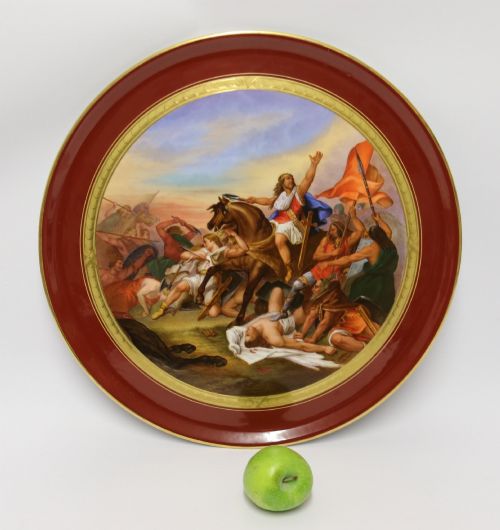
Some antique chargers depict entire medieval battles or Japanese deities squeezed onto a single circular dish.
What Varies in Quality
The distinction between ordinary and superior pieces lies in the precision and ambition of the brushwork. Master painters achieved exceptional depth in figural scenes and botanical motifs, whereas lesser examples rely on repetitive, mechanical stencilling or hurried strokes.
Material preparation and firing success also determine grade. A well-controlled kiln environment prevents distortion in large porcelain or earthenware bodies, ensuring the flat centre and wide rim remain perfectly balanced for display.
John Davenport of Longport·Royal Bonn·Copeland Pottery·Coalport
The Hand Painted Wall Platter Glossary
- Charger
- A large ornamental plate, usually exceeding twelve inches in diameter, designed primarily for wall display or sideboard presentation rather than dining use.
- Tin-Glazed Earthenware
- Pottery covered with an opaque white tin oxide glaze that provides a smooth, pale canvas for polychrome or blue-and-white painted decoration.
- Imari
- A style of Japanese porcelain featuring a distinctive palette of underglaze blue, iron red, and gold, widely exported to Europe from the port of Imari.
- Tôleware
- Lacquered or enamelled sheet metal items, often hand painted with elaborate pictorial subjects and gilt accents.
- Faience
- European tin-glazed earthenware produced in imitation of fine Chinese porcelain and Islamic wares.
Hand Painted Wall Platter: Frequently Asked Questions
How do I hang a heavy antique charger safely?
Most large display pieces intended for walls feature factory-made pierced foot rings or require specialised spring-loaded brass hangers that distribute the weight evenly across the rim.
Ensure the wall fixing is anchored securely into brick or studwork rather than relying on standard plasterboard plugs.
What is the difference between a plate and a charger?
Plates were historically produced for dining service and individual food consumption, whilst chargers are substantially larger decorative vessels intended for display.
Chargers measure upwards of twelve inches across, offering a broad surface area specifically suited for narrative painting or complex geometric patterns.
How do I distinguish eighteenth-century delft from later copies?
Early tin-glazed earthenwares exhibit irregular potting, fine crazing within the glaze, and subtle mineral impurities accumulated during low-temperature kiln firings.
Later continental revivals often display heavier, more uniform ceramic bodies and brighter, chemically consistent blue pigments.
Can these decorative platters be used for food?
Historic painted ceramic and metal wares are generally unsuited for modern culinary use due to the fragility of historic glazes and potential lead content in early pigments.
Displaying them on walls or plate stands preserves the delicate hand-painted surfaces from scratching and chemical degradation.