




Hand Painted Trinket Box
When you search for a hand painted trinket box, you are looking at small decorative vessels made to hold keepsakes, snuff, or patches.
Hand Painted Trinket Box
A hand painted trinket box is a small lidded vessel designed for keeping personal items such as jewellery, snuff, or patches secure. These objects span several centuries, with particular concentration in the eighteenth and nineteenth centuries.
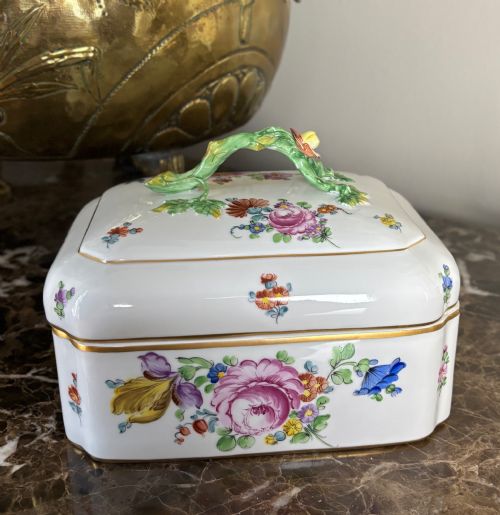
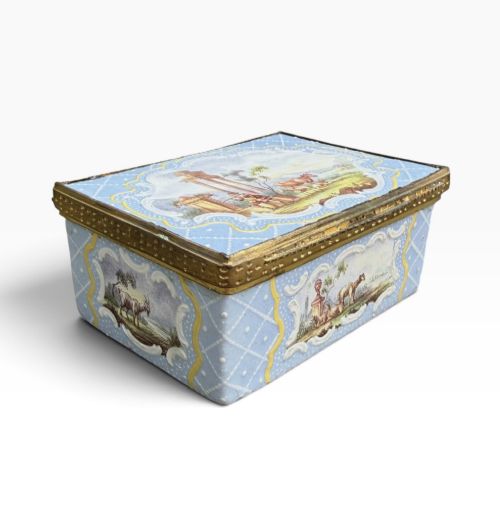
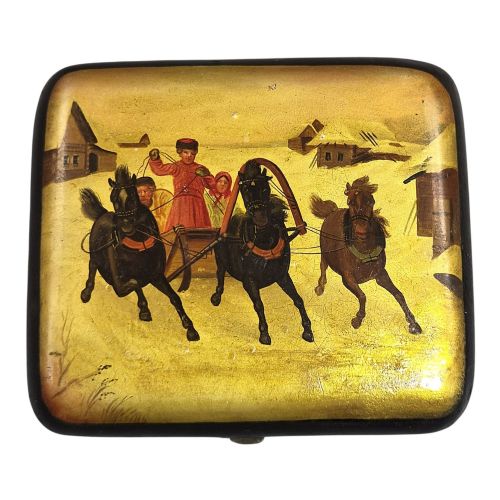
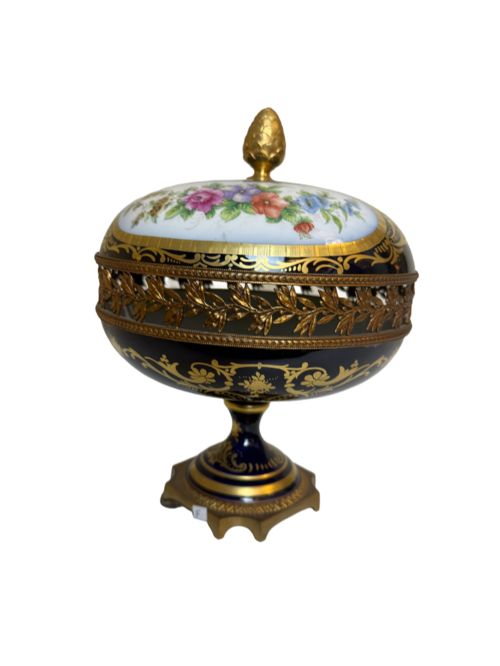
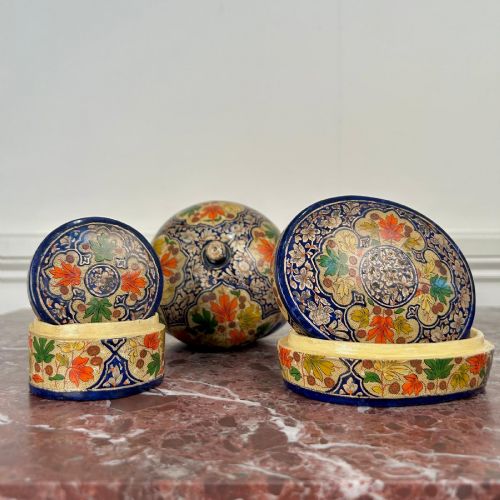
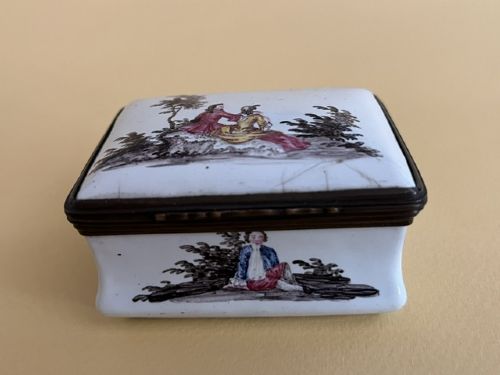
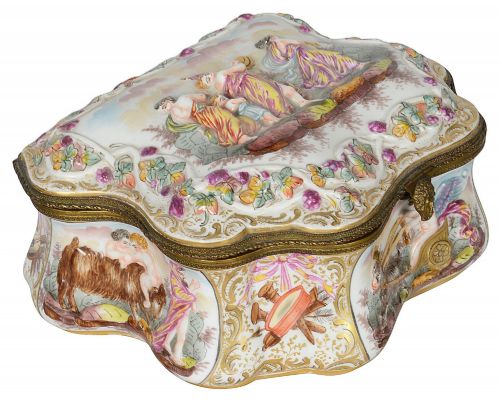
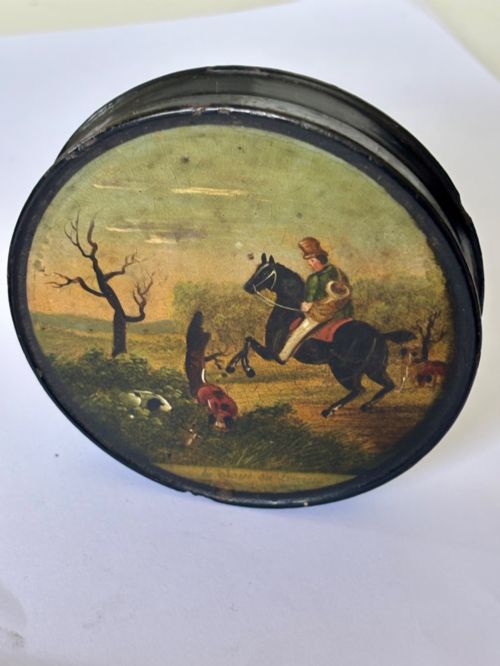
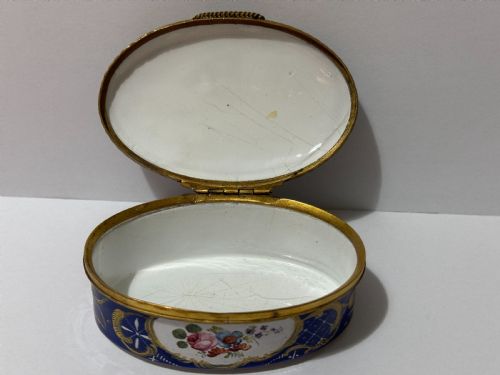
The versions most commonly met on this page include enamel patch boxes from English production centres, porcelain caskets from continental European factories, and lacquered papier-mâché pieces.
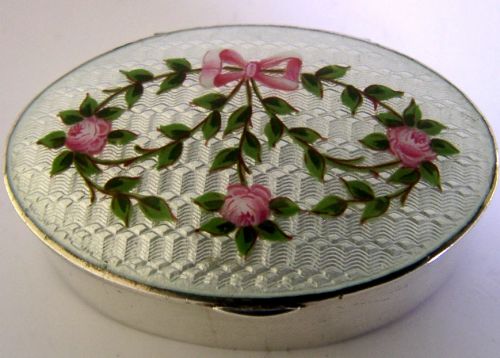
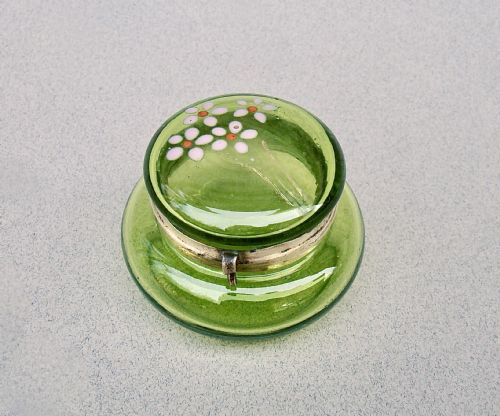
Makers shaped these containers in various forms, including rectangular, oval, and round configurations, utilising materials suited to delicate painted decoration.
How they were made
Craftspersons utilised base materials such as copper for enamelling, hard-paste porcelain, wood, and papier-mâché to form the body of each container. Enamel boxes involved fusing vitreous glass powders to a metal substrate through firing in a kiln.
Painters applied fine details by hand using mineral pigments directly onto the prepared enamel, glaze, or lacquer surface. Artisans frequently incorporated metal mounts in brass, copper, or gilt bronze to frame the openings and secure the lids.
What varies in quality
Quality rests primarily in the precision and delicacy of the painted brushwork across the lid or body. Finer examples display subtle shading, controlled lines, and well-preserved pigments without heavy fading.
The integrity of the structural material and the alignment of the metal hinges determine the durability of the piece. Superior specimens retain their original mounts and close securely without gaps.
Vishnyakov Workshop·Toshozan
The Hand Painted Trinket Box Glossary
- Patch box
- A small container utilised in the eighteenth century to hold small fabric shapes used to conceal blemishes or display social status. These pieces frequently feature enamel surfaces with painted lids.
- Papier-mâché
- A composite material made from paper pulp or layers of paper bound with glue, then dried and painted. This medium received extensive use for snuff and cigarette cases.
- Faience
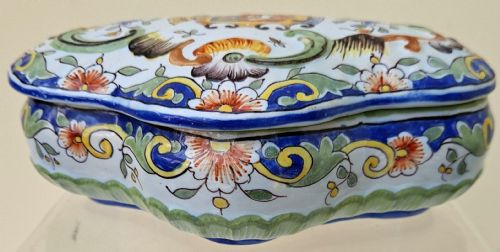
- Tin-glazed earthenware produced in various European regions. This pottery body provided an opaque white ground suitable for hand-painted decoration.
- Ormolu
- Gilt bronze mounts applied to furniture and decorative objects such as porcelain jewellery caskets. The technique involved applying a mercury-gold amalgam to cast bronze.
Hand Painted Trinket Box: Frequently Asked Questions
What were small enamel boxes used for?
These small containers served to hold items like powdered tobacco, small fabric face patches, or confectionery. People carried them in pockets or kept them on dressing tables.
Their portable nature made them fashionable personal accessories across European courts during the eighteenth century.
How do I care for an antique painted box?
Keep these items away from direct sunlight to prevent the painted pigments from fading over time. Dust them gently with a dry, soft cloth.
Avoid using liquid cleaners or abrasive materials, particularly on delicate enamel surfaces and lacquered papier-mâché.
Are eighteenth-century enamel boxes fragile?
Enamel fused to copper can chip or crack if subjected to sharp impacts or sudden temperature changes. The glass surface requires careful handling during examination.
Despite this fragility, many survive in good condition due to careful preservation by collectors.
How can I tell the period of a porcelain casket?
Examine the base for factory marks, glaze characteristics, and the style of the painted decoration. Different ceramic centres utilised distinct paste compositions and pigments.
Stylistic cues such as neoclassical borders or rococo scrolls also help narrow down the date of manufacture.