



Hand Painted Pine Drawers
Hand painted pine drawers bring warmth and history to a room through painted wooden surfaces and sturdy softwood construction.
Hand Painted Pine Drawers
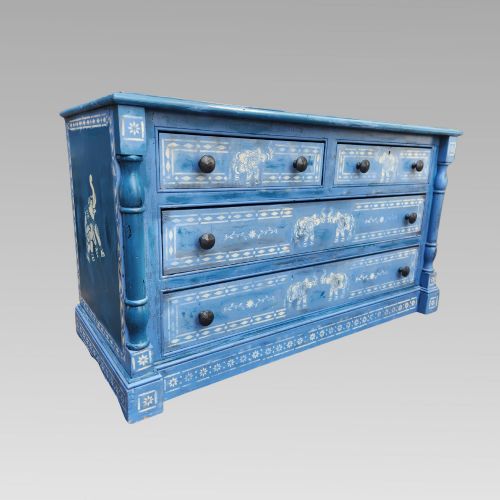
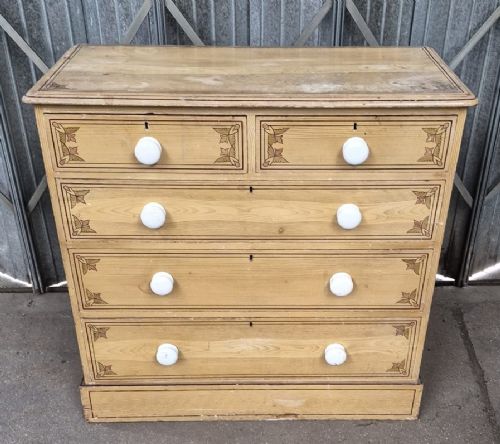
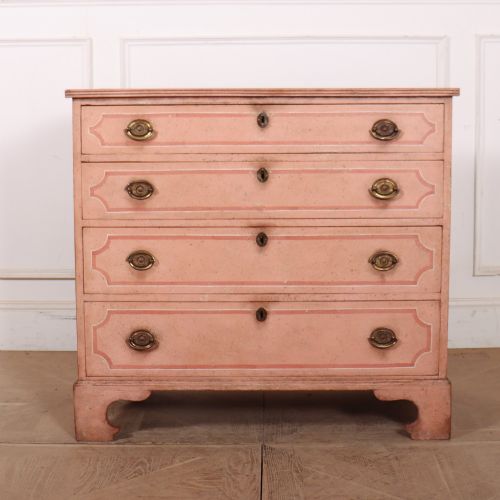
Hand painted pine drawers comprise chests of drawers, bureaux, dresser bases and mule chests originating from periods including the Georgian and Victorian eras, alongside 19th century items and early 20th century examples from 1910, 1920 and 1930. These pieces emerge from English, Hungarian and Swedish workshops, displaying styles ranging from Victorian Country and English Country to Scandinavian Country, Gustavian and European Folk Art.
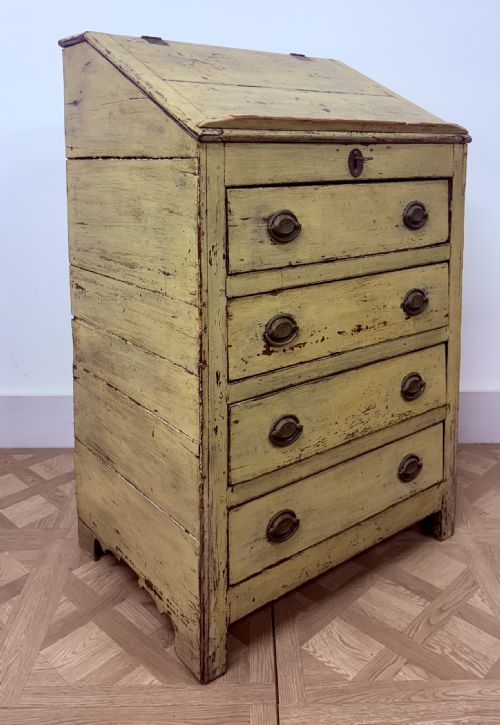
The most common form encountered on this page is the chest of drawers, often constructed from softwood such as pine and finished with paint, scumbling or simulated birch effects. Many retain original painted surfaces, occasionally featuring specific details like writing slopes or school sign-writing such as Bluecoat School, Liverpool.
Buyers seek these items for their blend of practical storage and decorative painted finishes that suit rustic farmhouse and traditional interiors. The combination of timber carcases and applied pigment creates varied visual textures across different regional traditions.
Materials and Construction
Construction relies primarily on pine and softwood timber, built into forms like chests, dressers and mule chests using traditional joinery methods suited to domestic furniture. Timber carcases provide the structural strength necessary for daily storage use.
Surfaces are finished with paint, scumbling techniques to simulate grain, or specialised treatments such as simulated birch as seen in Scandinavian pieces. Hardware components like brass handles and ceramic elements complete the functional assembly.
Hand Painted Pine Drawers Retail Price Guide 2026
Typical asking prices for hand painted pine drawers among the pieces listed under this phrase on Sellingantiques today, from the lower quarter to the upper quarter. They describe what is for sale here now, not the wider market.
Materials recorded across the inventory include pine, painted wood, softwood, brass, and ceramic elements.
Assessing Quality and Finish
The distinction between items rests in the survival of original painted surfaces and the integrity of the softwood structure. Pieces retaining untouched early paintwork or specific regional folk art characteristics command greater interest than later repainted examples.
Proportion, decorative restraint and the quality of the brushwork or scumbling define the visual success of each piece. Subtle details, such as integrated writing slopes or original ceramic and brass fittings, elevate individual examples within the broader range.
Gemla Fabrikers
The Hand Painted Pine Drawers Glossary
- Scumble
- A decorative painting technique involving a translucent layer of glaze manipulated over a base coat to create mottled or aged wood-grain effects. This finish appears frequently on 19th-century pine furniture.
- Mule chest
- A traditional storage chest featuring one or two drawers set beneath the main compartment. These pieces combine the function of a blanket chest with that of a chest of drawers.
- Dresser base
- A low sideboard or cabinet featuring storage drawers and cupboards, traditionally used in kitchens and dining rooms. Examples often incorporate robust pine construction and painted finishes.
- Gustavian
- The Swedish interpretation of Neoclassical style, characterised by pale painted finishes and restrained ornamentation. Pieces from this tradition often feature soft grey, white or cream paint.
- Softwood
- Timber derived from conifers, such as pine, which forms the primary structural material for these items. It offers a workable medium that accepts painted and scumbled finishes effectively.
Hand Painted Pine Drawers: Frequently Asked Questions
How do I clean painted pine furniture?
Dust surfaces regularly with a soft, dry cloth to prevent dirt buildup on the painted finish. Avoid harsh chemical cleaners that can damage historical paint layers.
For stubborn marks, use a slightly damp cloth with mild soap, drying the timber immediately afterward to protect the softwood.
Are these drawers suitable for daily use?
Most pieces retain sturdy pine construction and functional drawers that handle everyday clothing storage well. Checking the interior condition ensures drawers slide smoothly within their runners.
Placing items away from direct heat sources helps prevent timber movement and protects fragile painted surfaces over time.
How can I identify original paint?
Original paint exhibits natural wear patterns, craquelure and patina accumulated consistently over decades of use. Examination under magnification often reveals multiple underlying layers congruent with the period.
Subsequent repainting usually hides timber texture and lacks the characteristic softening of edges seen on genuine antique surfaces.
What is a bureau?
A bureau combines a sloping writing flap with a chest of drawers underneath, providing both a desk surface and enclosed storage. The fold-down flap typically conceals small compartments and pigeonholes.
This form offers compact workspace alongside the drawer capacity found in standard chests.