




Victorian Scumbled Pine Chest
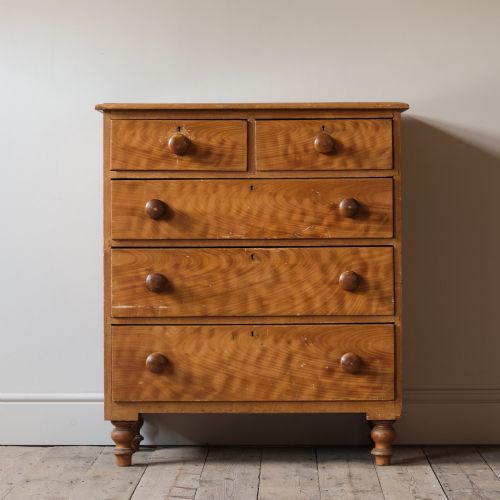
A Victorian scumbled pine chest brings genuine nineteenth-century character and layered paintwork to any room.
Victorian Scumbled Pine Chest
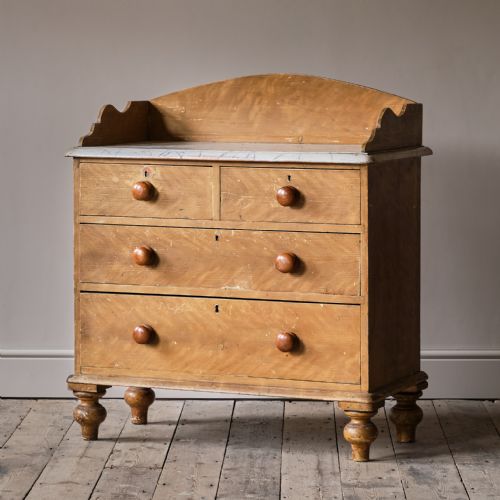
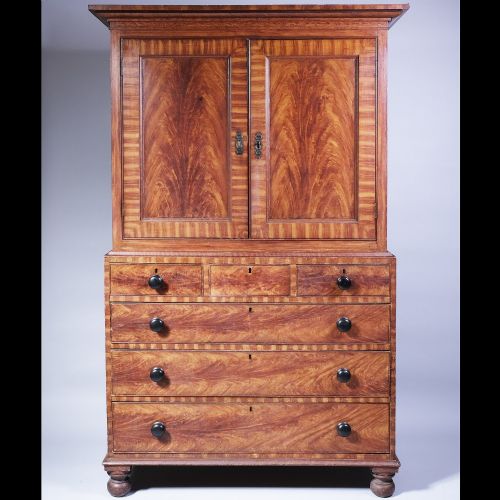
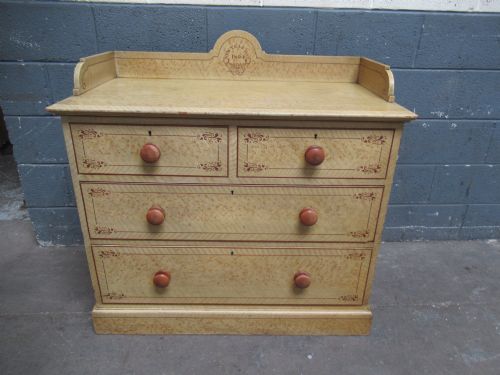
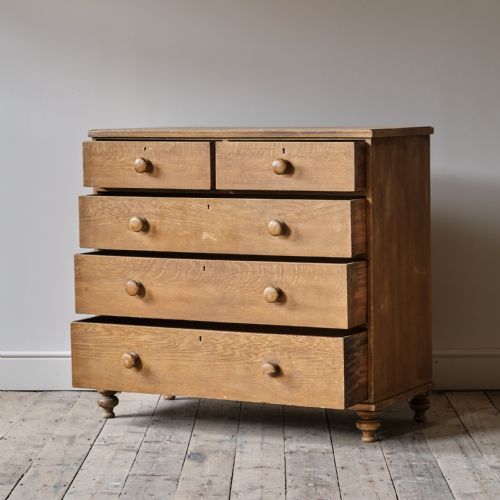
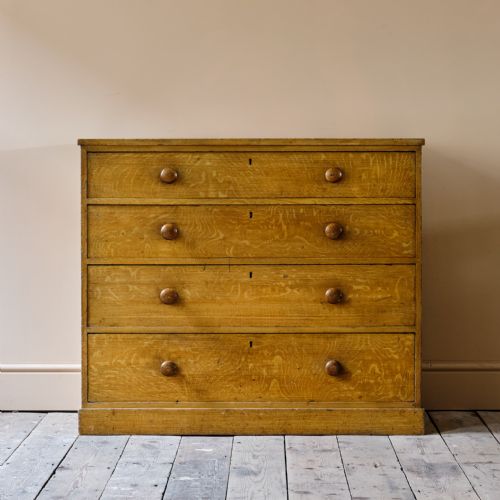
A victorian scumbled pine chest is a practical storage piece built from soft timber during the nineteenth century, most commonly seen as a chest of drawers or a blanket box. These items range from simple country house storage boxes to larger bedroom chests, dressing chests, and washstands produced across the period.
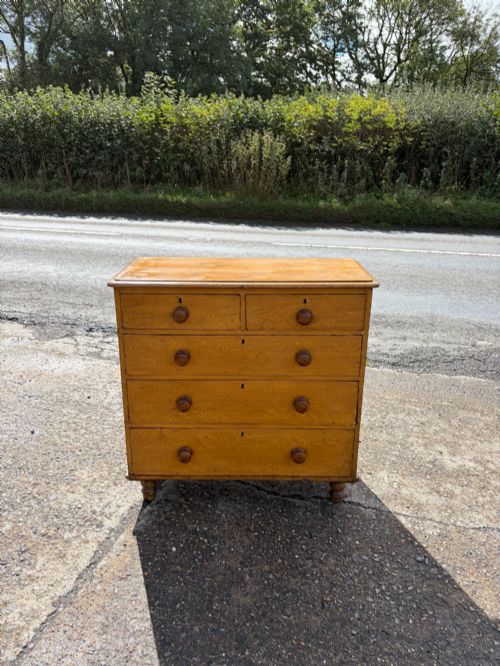
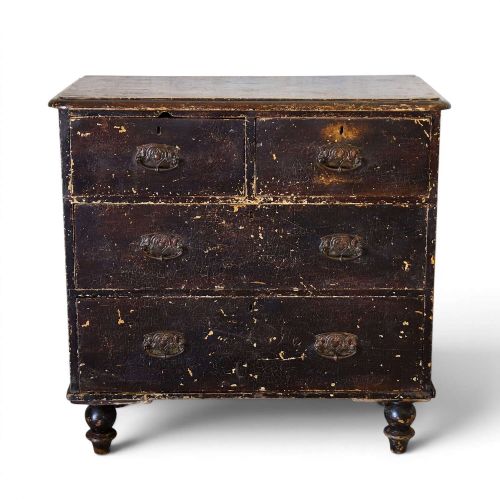
The version most frequently met on this page is a chest of drawers finished in original paint, often dating from the mid to late nineteenth century. Alongside standard drawer configurations, buyers encounter trunks, blanket boxes, mule chests, and housekeepers cupboards sharing the same characteristic painted surface.
Originating largely from British rural and provincial workshops, these pieces served practical domestic functions before later collectors valued them for their decorative folk art qualities. The surviving examples display various regional proportions, from standard rectangular chests to taller Wellington styles and Scottish variants.
What Varies in Quality
The standard of a victorian scumbled pine chest rests heavily on the preservation and artistry of its original paint surface. Pieces retaining untouched, richly textured brown or green scumble glazes sit higher in appeal than those with later overpainting or heavy surface loss.
Construction details also divide the range, from robust dovetailed drawer carcases and solid timber backs to simpler nailed joints. Original hardware, balanced proportions, and clean internal drawer condition further distinguish the finer provincial examples from standard utility items.
Victorian Scumbled Pine Chest Retail Price Guide 2026
Typical asking prices for victorian scumbled pine chest among the pieces listed under this phrase on Sellingantiques today, from the lower quarter to the upper quarter. They describe what is for sale here now, not the wider market.
One listed box bears the specific historical description 'scrumbled', proving even nineteenth-century spelling could use a little extra brushwork.
The Victorian Scumbled Pine Chest Glossary
- Scumble paint
- A translucent decorative glaze applied over a pale base coat and manipulated to imitate the grain of costly hardwoods. This decorative layer is the defining visual characteristic of these chests.
- Mule chest
- A traditional storage chest featuring one or more drawers built into the base beneath a lift-up lid. They bridge the gap between a standard blanket box and a chest of drawers.
- Housekeepers cupboard
- A large tall storage unit used in domestic service for linens and dry goods, often executed in pine with painted or scumbled finishes. They offer substantial internal shelving and cupboard space.
- Washstand
- A functional bedroom piece designed to hold a basin and jug, frequently combined with drawers and a tiled or wooden top. Surviving examples often retain matching scumbled paint surfaces.
Victorian Scumbled Pine Chest: Frequently Asked Questions
What is a scumbled finish?
A scumbled finish involves dragging a darker translucent glaze over a lighter base coat to create decorative faux wood grain. Painters used tools like combs and brushes to work the wet glaze.
This technique allowed nineteenth-century makers to give ordinary pine furniture the rich appearance of expensive timber like oak or walnut.
How do I clean scumbled pine?
Dust the surface regularly with a soft, dry cloth to prevent dirt build-up on the fragile painted layer. Avoid harsh modern chemical cleaners or excessive moisture.
Preserving the original nineteenth-century paint requires gentle handling and protection from direct sunlight and damp conditions.
Are these chests heavy?
Solid pine construction makes these chests substantial pieces of furniture, though generally lighter than hardwood equivalents like oak or mahogany. Larger drawer units and housekeepers cupboards require two people to move safely.
Smaller trunks, blanket boxes, and washstands are more easily repositioned around a room.
Where were these pieces used?
These chests served practical storage roles in bedrooms, nurseries, and utility areas of nineteenth-century homes. Housekeepers cupboards and mule chests were kept in working quarters for linens and dry goods.
Today, buyers place them in bedrooms and living spaces as decorative storage solutions with historical character.