



Scumbled Pine Furniture
Scumbled pine furniture brings tactile warmth to a room through decorative paint finishes that mimic richer timbers on humble softwood.
Scumbled Pine Furniture
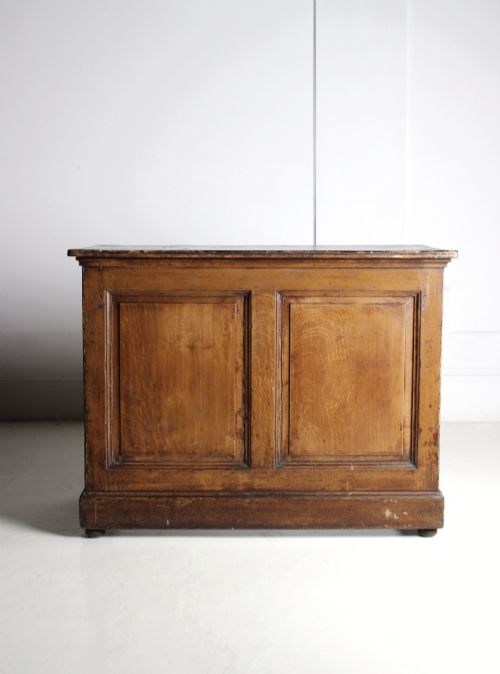
Scumbled pine furniture consists of utilitarian softwood pieces treated with decorative glaze techniques to imitate costly hardwoods like oak, walnut, or mahogany. When searching for scumbled pine furniture, buyers encounter forms ranging from practical storage pieces to everyday domestic furnishings. The selection here spans the nineteenth century, including the Georgian, Victorian, and Edwardian eras, reflecting enduring country and domestic traditions.
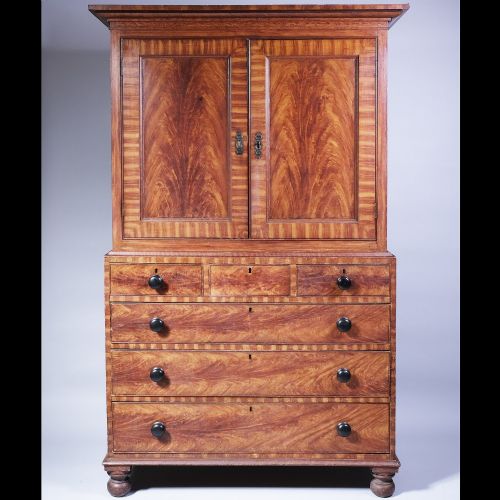
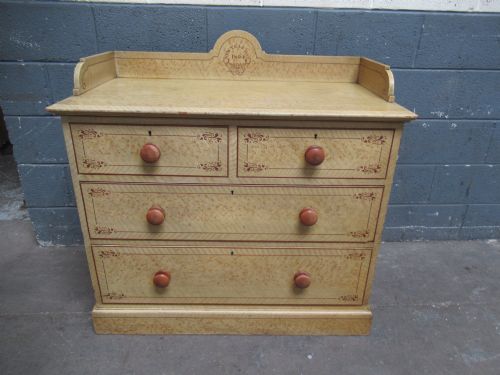
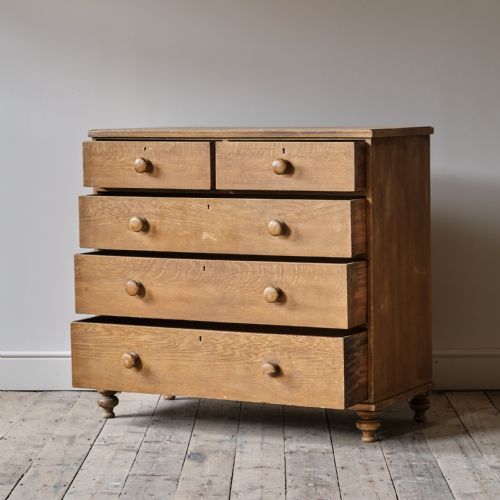
Chest of drawers dominate the selection alongside housekeeper cupboards, linen presses, washstands, side tables, and dressing chests. Regional pieces such as West Country housekeeper cupboards appear alongside primitive settles and benches. These items embody robust vernacular construction intended for hard daily use rather than formal display.
Origins stretch across English country workshops and country houses, where local joiners utilised native softwood timber. Makers favoured pine and softwood carcasses because the wood accepted decorative paint and glaze finishes readily. The resulting pieces bridge the gap between high-style cabinet making and practical rural craftsmanship.
Materials and Technique
Makers constructed these pieces using native pine and softwood timber, assembling carcases with traditional joints such as dovetails and mortise and tenon. Iron hardware, ceramic handles, and occasional glass elements completed the functional design of drawers and cupboards. Timber selection prioritized straight-grained softwood that provided a stable foundation for subsequent paint decoration.
The defining technique relies on scumble, a translucent oil or varnish glaze applied over a lighter base coat of paint. Craftsmen manipulated the wet glaze using combs, feathers, sponges, or rags to drag and stipple the surface into realistic wood grains or mottled patterns. Specialist variations include faux marble tops executed in paint to elevate simple washstands and dressing tables.
Scumbled Pine Furniture Retail Price Guide 2026
Typical asking prices for scumbled pine furniture among the pieces listed under this phrase on Sellingantiques today, from the lower quarter to the upper quarter. They describe what is for sale here now, not the wider market.
Listings feature nineteenth century softwood forms including chests of drawers, housekeeper cupboards, and settles finished in original paint.
Assessing Quality and Character
Quality rests primarily in the survival and execution of the original paint surface rather than the underlying carpentry. Superior examples display sophisticated brushwork and glaze manipulation that successfully creates convincing depth and movement across the pine panels. Gradations in quality depend on whether the decorative graining remains crisp and undisturbed by later refurbishment.
Proportion and form dictate the desirability of individual items, separating standard utilitarian boxes from thoughtfully proportioned regional furniture. Pieces featuring dated inscriptions, unusual configurations like Wellington chests, or specialised painted details command greater interest. The integrity of the surface finish ultimately defines the character and visual impact of each piece.
The Scumbled Pine Furniture Glossary
- Scumble
- A translucent glaze applied over a lighter painted base to create decorative patterns. Craftsmen used various tools while the glaze remained wet to manipulate the finish.
- Housekeeper Cupboard
- A large storage cabinet traditionally used in large country houses for linen and dry goods. These substantial pieces often feature multiple doors and internal shelving.
- Wellington Chest
- A tall, narrow chest of drawers secured by a hinged locking side stile. This form offers generous vertical storage with a compact footprint.
- Settlement
- A wooden wooden bench featuring a high back and solid sides to block drafts. Regional examples frequently incorporate storage compartments beneath the seat.
- Grain Finish
- The decorative surface treatment designed to imitate the natural growth rings of expensive timber. Artisans layered pigments to achieve realistic visual texture on softwood.
Scumbled Pine Furniture: Frequently Asked Questions
What is scumble paint?
Scumble paint is a translucent oil glaze applied over a solid base coat to create decorative patterns and faux finishes. Painters worked the wet glaze with specialised tools to imitate the rich grain of exotic woods.
This technique allowed modest pine furniture to emulate expensive mahogany or oak items popular in fashionable households.
How do I date these pieces?
Dating relies on examining construction methods, hardware types, and stylistic indicators typical of the nineteenth century. Georgian examples show primitive joinery, while Victorian items often feature standardised drawer construction and turned elements.
Paint analysis and surface wear also help establish whether the finish dates to the original period of manufacture.
Are these pieces water resistant?
Historic painted and glazed surfaces require careful handling around moisture and liquid spills. While the original oil-based scumble provides some protection, excessive water can damage the historic paint layer.
Use dry or barely damp cloths for routine cleaning and place protective pads under any water vessels.
How should I care for the surface?
Preserving the original paint finish involves keeping pieces away from direct sunlight and fluctuating humidity. Gentle dusting with a soft, dry cloth prevents grime accumulation without disturbing the glaze.
Avoid modern chemical polishes and abrasive cleaners that strip historic paint layers.