


Hand Painted Oriental Ceramics
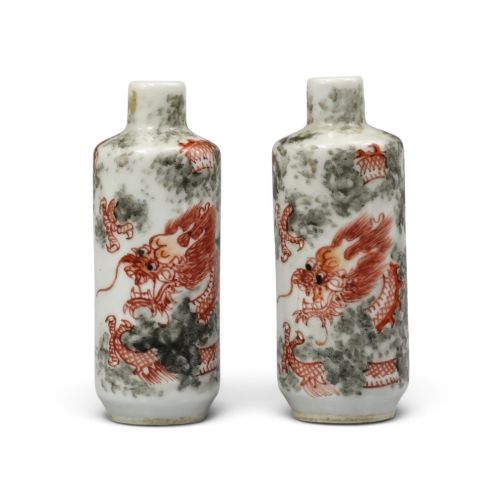
These hand painted oriental ceramics bring centuries of skilled kiln work and detailed pigment application straight to a room.
Hand Painted Oriental Ceramics
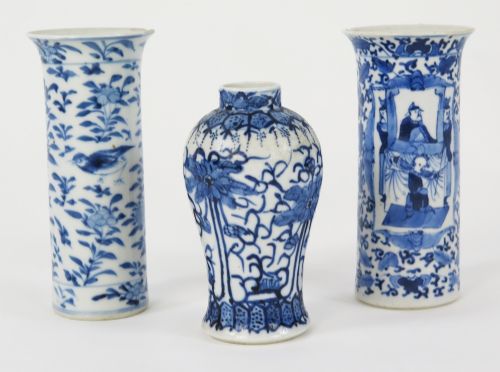
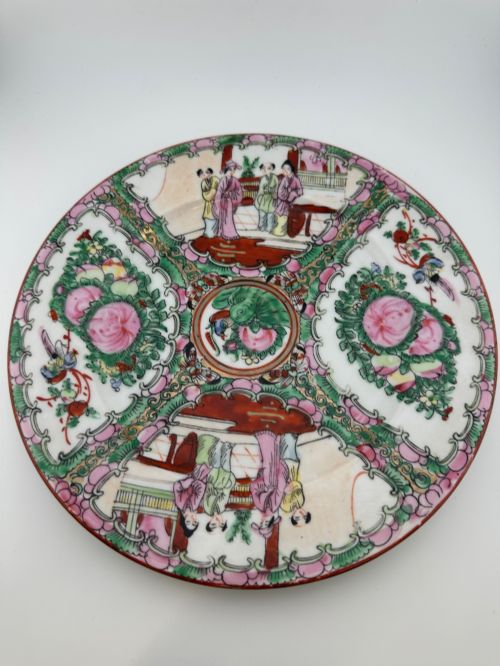
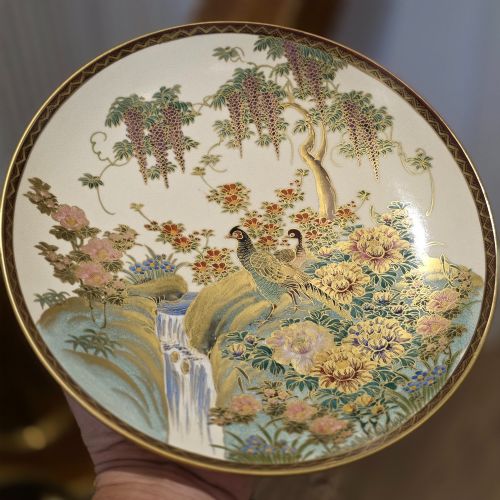
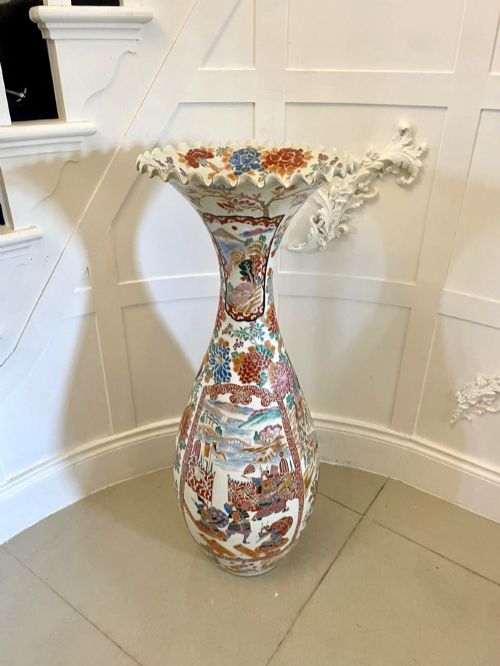
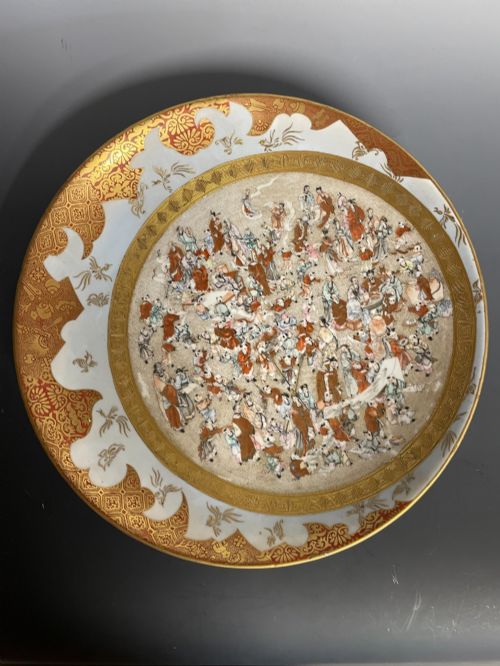
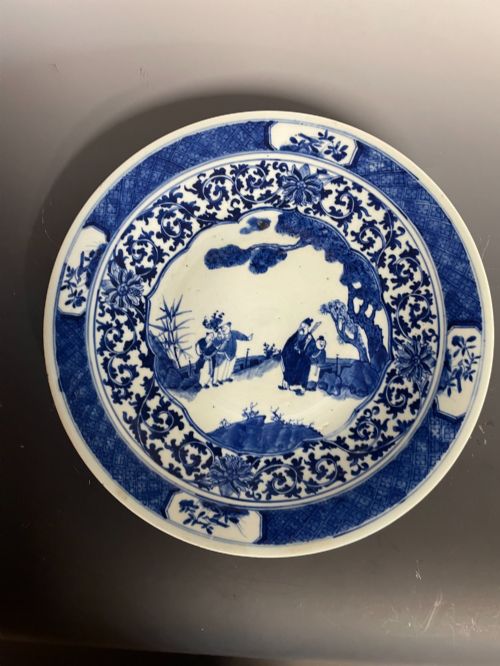
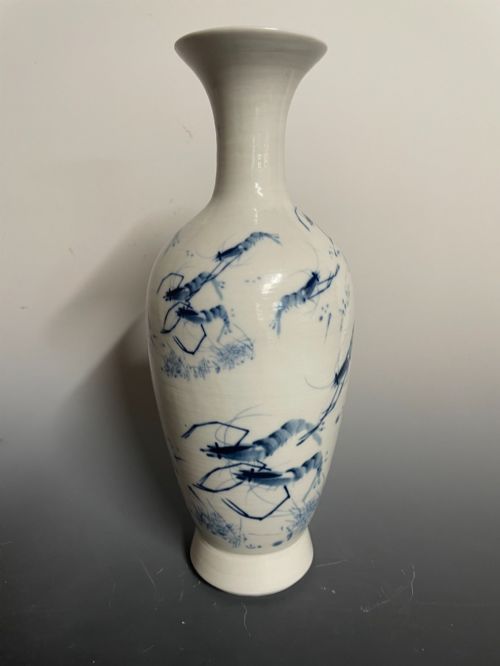
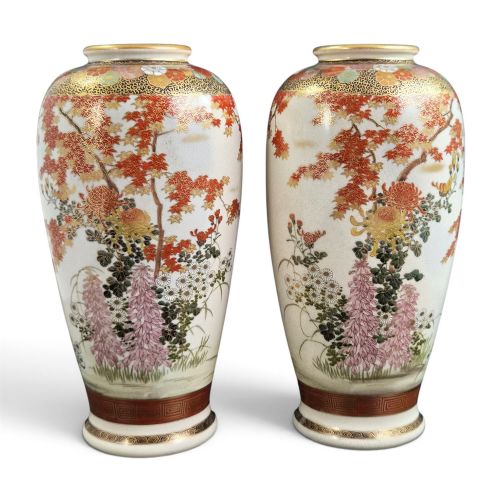
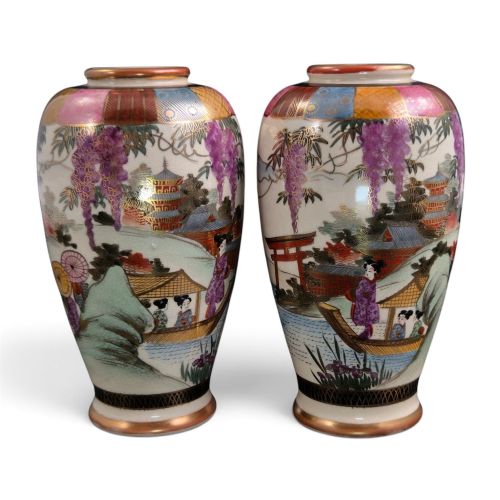
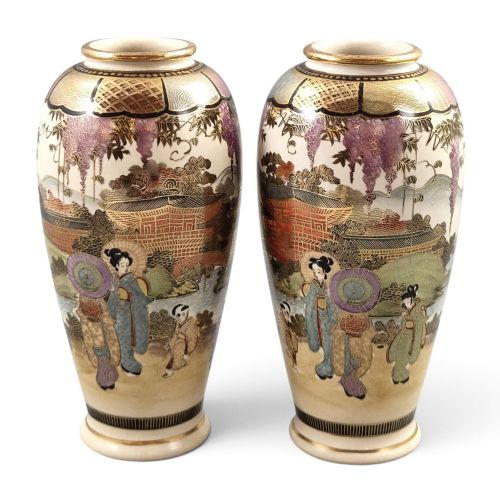
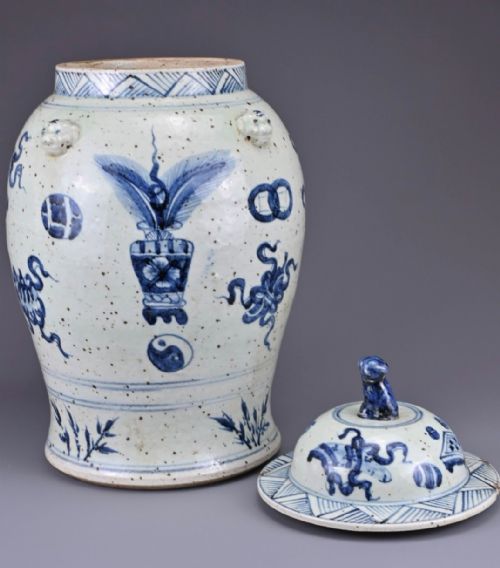
Hand painted oriental ceramics span centuries of kiln craft from Chinese and Japanese traditions, appearing on this page mostly as large floor vases, chargers, bowls, and lidded jars. A buyer exploring these items encounters vessels decorated by hand with cobalt blue, rich enamel palettes, and gilt highlights that reflect distinct periods like the Meiji era and the Qing dynasty.
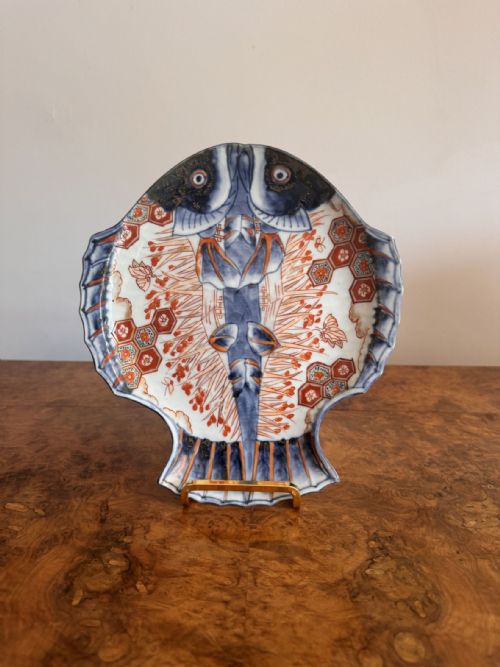
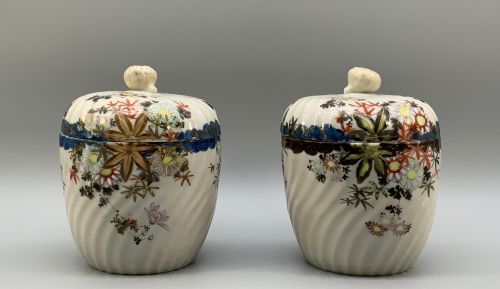
The objects available range from large Imari chargers and Kutani dishes to Satsuma vases and Canton bowls produced across the nineteenth and early twentieth centuries. These pieces function variously as centrepiece bowls, decorative plates, table lamps, and substantial floor vases designed for prominent display.
How They Were Made
Potters shaped these ceramics from porcelain and earthenware bodies before applying cobalt underglaze pigments or vibrant overglaze enamels. Skilled hands then added details in gold leaf and gilt to highlight figures, floral motifs, and geometric borders.
Vessels underwent high-temperature kiln firing to fix the glaze and vitrify the clay body. Pigments such as iron-red and cobalt blue fused with the surface layers during this process, creating durable finishes that retained their colour over generations.
Listings feature ceramics spanning the eighteenth, nineteenth, and early twentieth centuries, including Meiji period works and Qing dynasty styles.
What Varies in Quality
Quality rests on the precision of the brushwork and the complexity of the painted composition, where controlled lines and nuanced shading elevate a piece above standard production. The clarity of the glaze and the intentional application of gold leaf or iron-red pigment further distinguish finer examples.
The weight and balance of the porcelain body, alongside the crispness of moulded or thrown forms such as scalloped edges and applied finials, indicate the maker's level of skill. Superior items display harmony between the decorative scheme and the underlying shape of the vessel.
Maruni Kobe·Shozan
The Hand Painted Oriental Ceramics Glossary
- Imari
- A style of Japanese porcelain featuring a distinct palette of underglaze blue, iron-red, and gilt highlights. These pieces originated in Arita and gained popularity across European export markets.
- Satsuma
- Earthenware pottery originating from Satsuma province in Japan, characterised by a crackle-glaze finish and intricate polychrome enamel designs often enhanced with gold.
- Kutani
- Japanese porcelain known for bold pictorial designs and strong colour schemes, frequently depicting figures, birds, and landscapes in rich enamels.
- Famille Rose
- A palette of Chinese porcelain ceramics dominated by opaque pink or rose enamel colours, introduced during the Qing dynasty.
- Koro
- A traditional Japanese incense burner typically supported on feet and fitted with a pierced cover to release smoke.
Hand Painted Oriental Ceramics: Frequently Asked Questions
How do I display a large floor vase safely?
Place large floor vases in stable corners or low-traffic areas away from doorways and pets to prevent accidental knocks. Using a dedicated wooden stand can provide extra height and stability on uneven flooring.
Ensure the surrounding space allows the painted details and form to be seen without obstruction. Avoid placing heavy ceramic vessels near direct heat sources or in intense sunlight that might affect the glaze over time.
How can I tell Japanese Imari from Chinese export porcelain?
Japanese Imari typically employs a dense combination of underglaze cobalt blue, rusty iron-red, and heavy gilt on a slightly greyish or crisp white porcelain body. The motifs often feature floral arrangements and brocade patterns.
Chinese export porcelain from similar periods frequently relies on finer blue and white painting or the pastel enamel tones characteristic of the Famille Rose palette. The clay body and potting technique also offer clues to the specific kiln origin.
What period do most of these ceramics date from?
The listings on this page predominantly feature pieces from the nineteenth century and the early twentieth century. This era encompasses the late Qing dynasty in China and the Meiji and Taisho periods in Japan.
Earlier examples from the eighteenth century, including Qianlong and Kangxi style works, also appear among the selection. Each era brings distinct manufacturing methods and decorative styles that help date the ceramic.