

Hand Painted Oriental Bowl
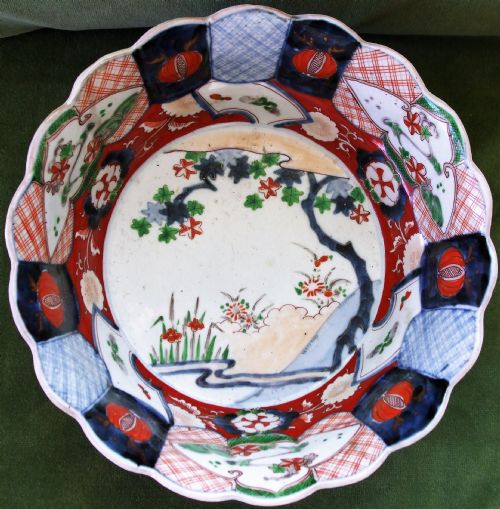
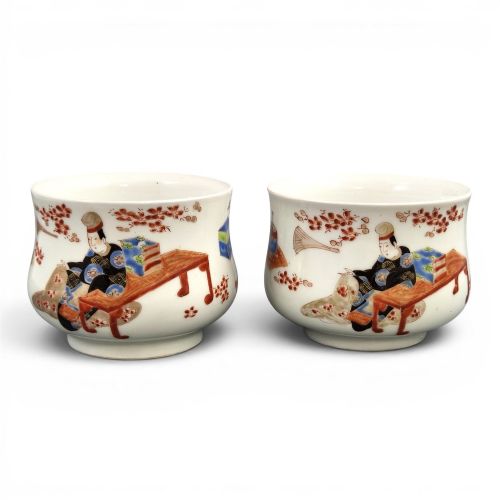
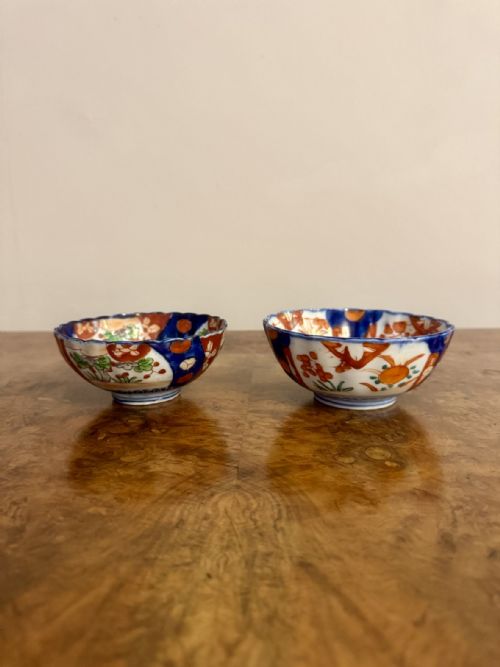
These hand painted oriental bowl examples bring centuries of pigment and porcelain into a room, offering rich floral scenes and iron-red glazes.
Hand Painted Oriental Bowl
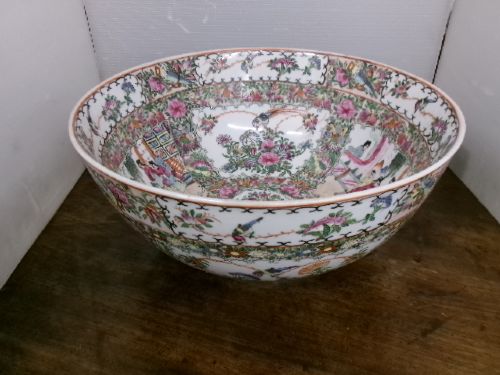
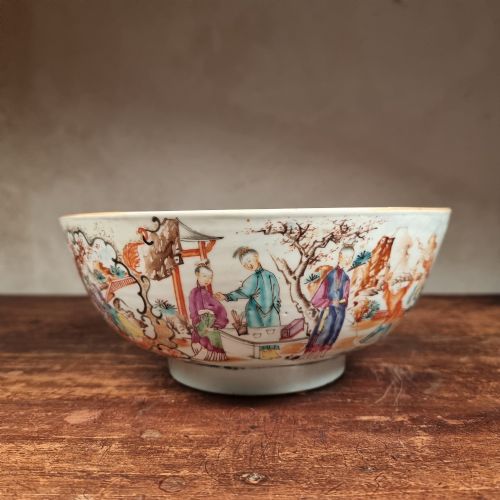
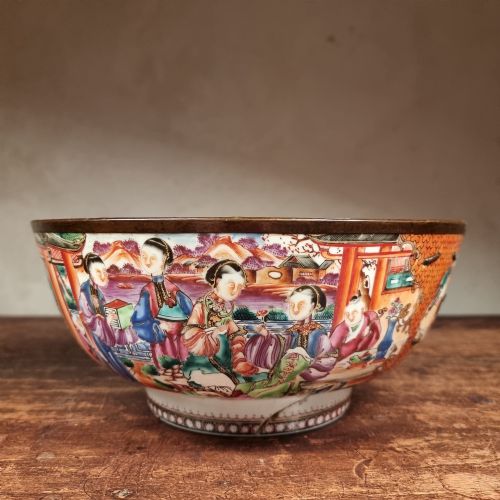
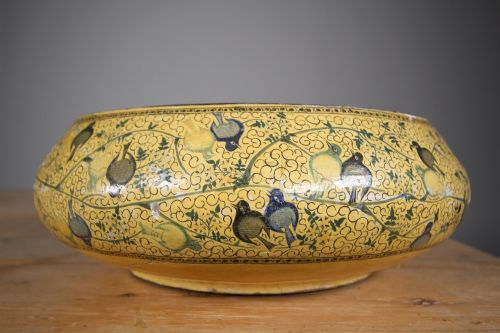
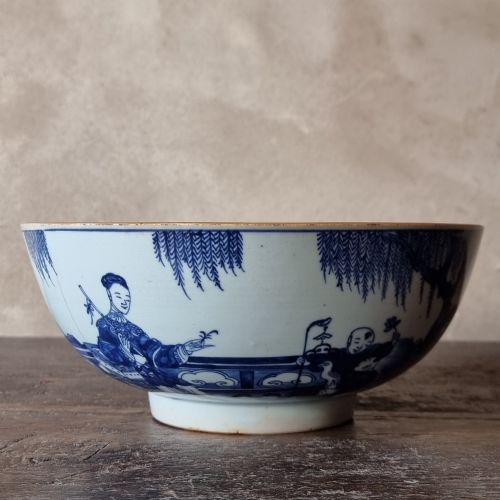
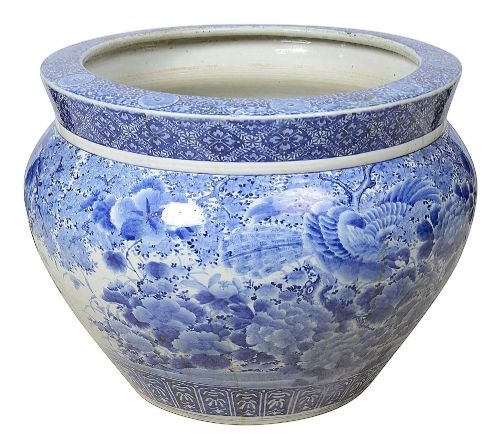
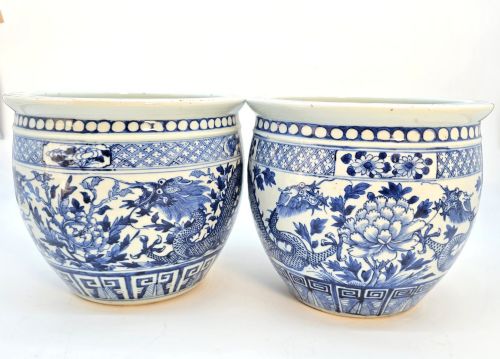
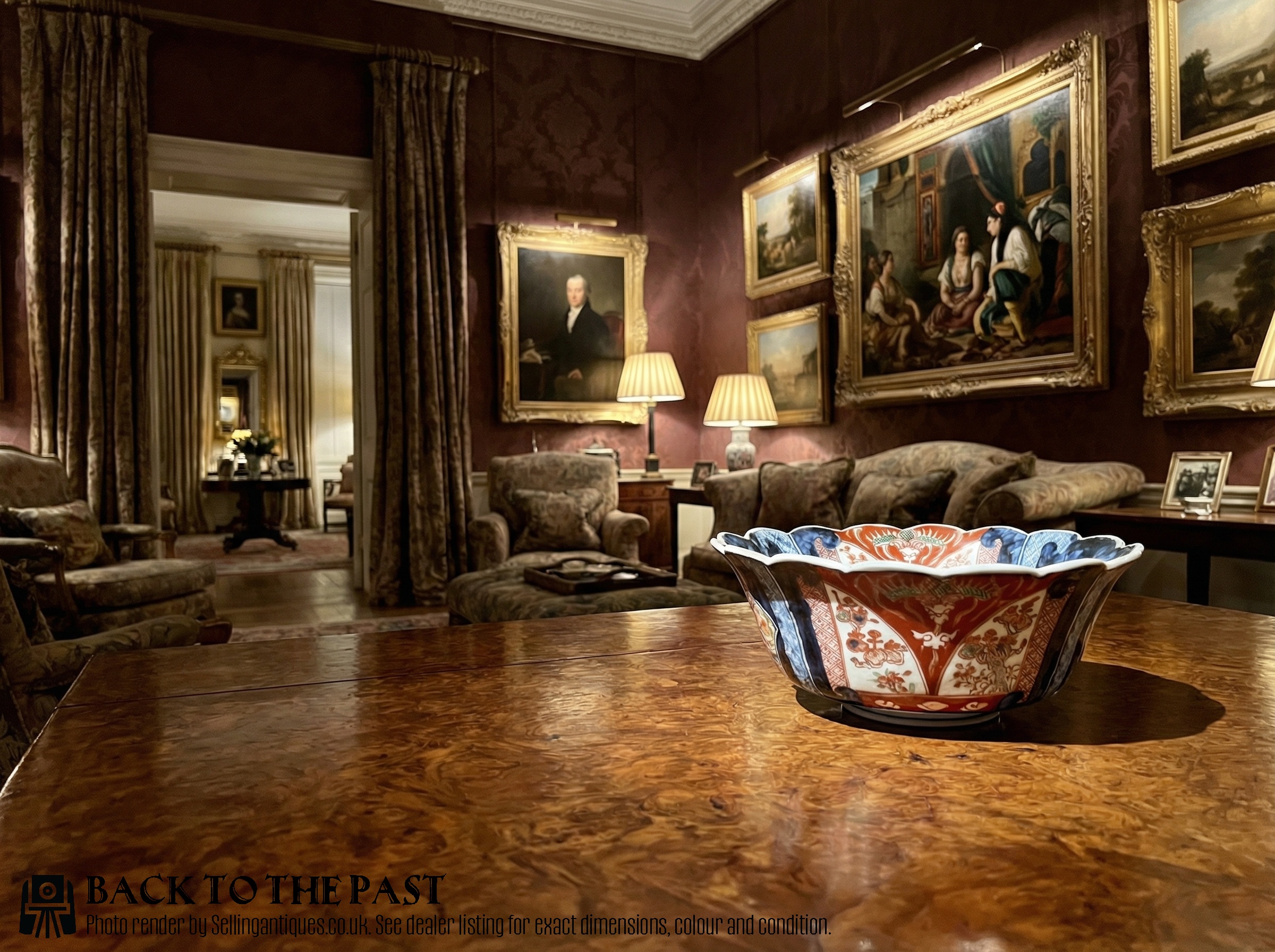
When you search for a hand painted oriental bowl, you encounter vessels shaped for tea, punch, display, and botanical planting. The forms range from small Imari tea cups and brush washers to large Canton punch bowls and heavy jardinières.
The pieces on this page span several centuries, reaching from eighteenth-century Edo and Kangxi periods through Victorian and Meiji eras up to the mid-twentieth century. Japanese Imari and Chinese Canton or Famille Rose wares dominate the selections, alongside Satsuma earthenware and Arita porcelain.
Materials and construction methods
Makers shaped these objects primarily from porcelain and ceramic, applying cobalt underglaze, enamel paints, and occasionally gold leaf. Artisans used wood for accompanying stands, while body types range from delicate eggshell porcelain to dense earthenware.
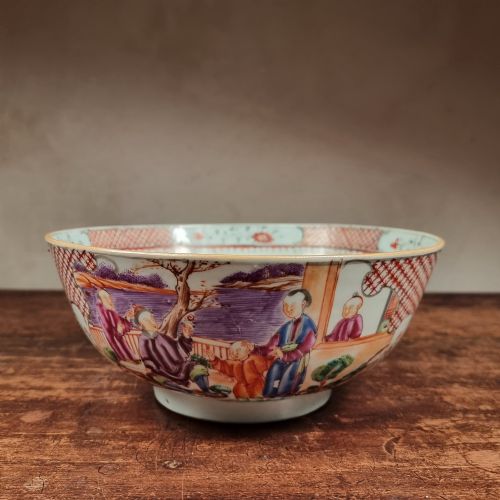
The ornamentation relies on hand painting techniques where pigments sit atop the glaze or beneath a cobalt wash. Firing took place in traditional kilns, fixing polychrome palettes of pinks, greens, blues, and reds onto the hardened clay.
The inventory includes items from the eighteenth, nineteenth, and twentieth centuries, spanning the Edo, Meiji, Qing, and Victorian periods.
What separates grades of quality
The distinction between standard domestic wares and superior examples rests in the precision of the brushwork and the complexity of the palette. Master artists executed intricate panels of birds, flowers, and figures with deliberate control, whereas lesser items show hurried, repetitive strokes.
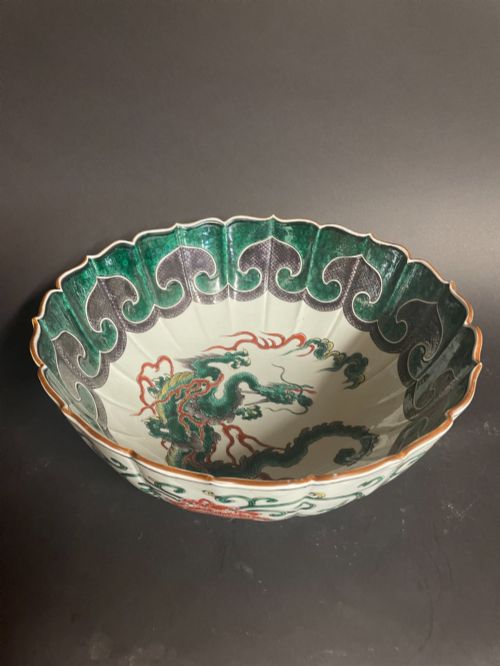
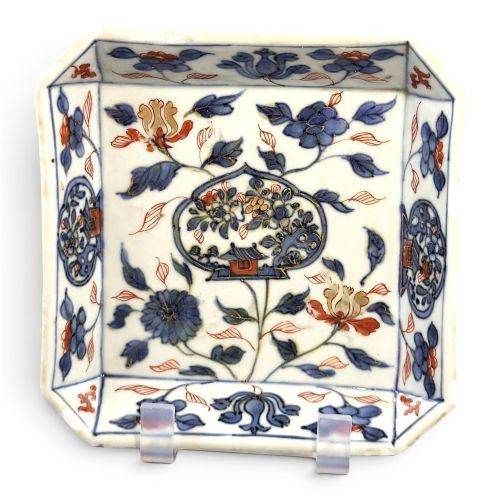
Weight, potting thickness, and edge finishing also define the tier of the piece. Scalloped edges, chamfered corners, and consistent glaze surfaces indicate superior ceramic manufacturing.
Ginshōtei Gyokushi·Gyokkō·Kozan·Shizan
The Hand Painted Oriental Bowl Glossary
- Imari
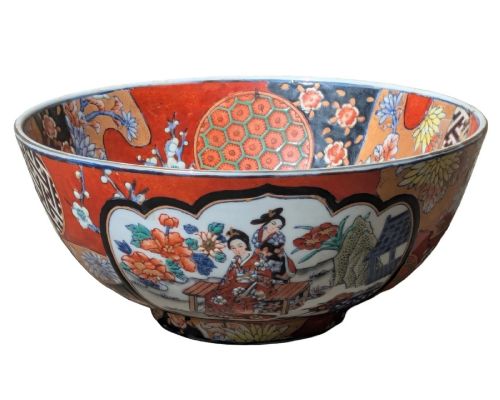
- A style of Japanese porcelain featuring a distinct palette of underglaze blue, iron red, and gilt highlights. These wares originated in the Arita area and gained export popularity during the Edo period.
- Famille Rose
- A major palette of Chinese ceramic glazes introduced in the eighteenth century, distinguished by an opaque pink or rose enamel derived from colloidal gold.
- Jardiniere
- A large decorative pot or planter designed to hold growing plants or flowers, often rendered in heavy porcelain with exterior painted scenes.
- Brush Washer
- A small vessel used in East Asian calligraphy and painting for cleaning ink brushes, frequently fashioned from glazed porcelain.
- Meiji Period
- The era in Japanese history spanning from 1868 to 1912, characterised by opening trade with the West and high technical proficiency in decorative arts.
Hand Painted Oriental Bowl: Frequently Asked Questions
How do I date an Imari bowl?
Dating relies on examining the body weight, the brightness of the cobalt blue, and the hue of the iron red enamel. Earlier pieces from the seventeenth and eighteenth centuries often display heavier potting and slightly irregular forms compared to later Meiji period exports.
The quality of the gilding and the crispness of the painted floral motifs also help establish the chronological bracket of the ceramic.
What is the difference between Canton and Famille Rose?
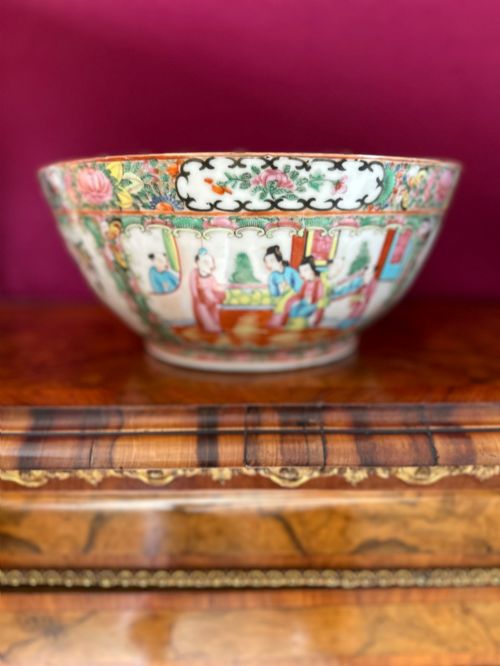
Canton porcelain refers specifically to items decorated in the port city of Canton for the Western export market, often combining panels of figures with dense bird and flower borders. Famille Rose describes the overarching palette defined by opaque pink enamels.
Many Canton pieces utilise the Famille Rose palette, meaning the terms frequently overlap in descriptions of nineteenth-century Chinese export ceramics.
How were punch bowls used originally?
Large punch bowls served communal drinks at social gatherings and banquets during the eighteenth and nineteenth centuries. Guests ladled mixed punch directly from the centrepiece vessel.
Over time, collectors repurposed these wide bowls as decorative centrepieces or fruit holders on dining tables and sideboards.
How should I clean a painted bowl?
Cleaning requires only warm water and a soft cloth to protect the surface enamels and gold leaf highlights. Avoid harsh detergents and abrasive sponges that can wear away the hand-painted details.
Because many older pieces have delicate ceramic bodies, washing them by hand rather than placing them in a machine ensures their preservation.