
Hand Painted Lacquer Lamp
A hand painted lacquer lamp brings rich colour and surface depth to a room, drawing on decades of decorative traditions.
Hand Painted Lacquer Lamp
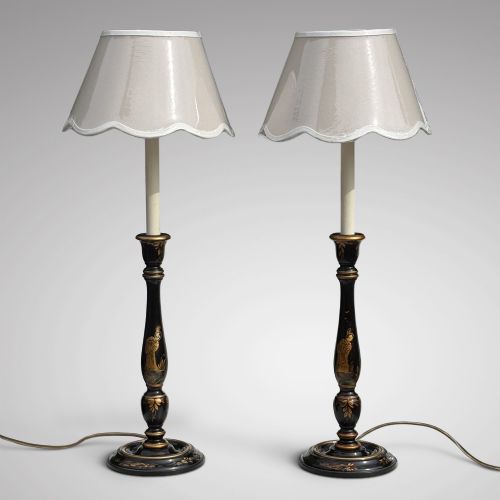
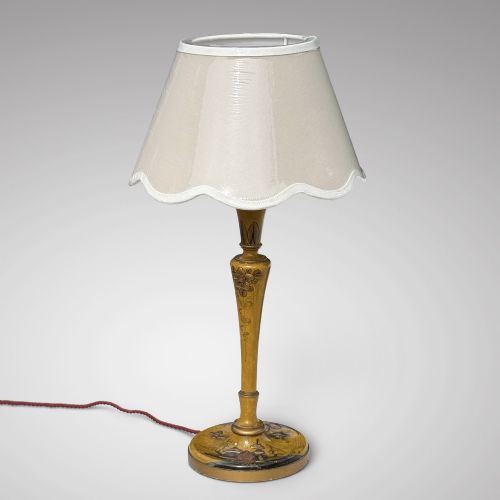
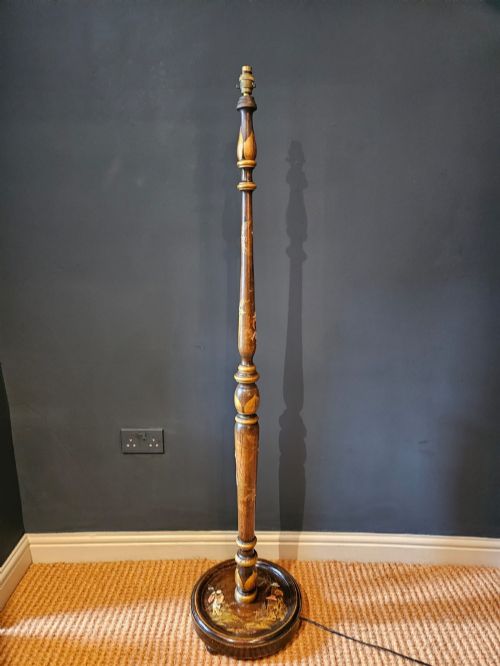
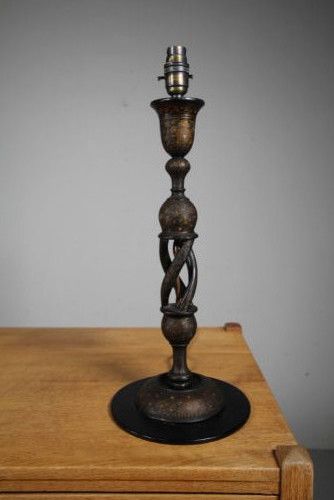
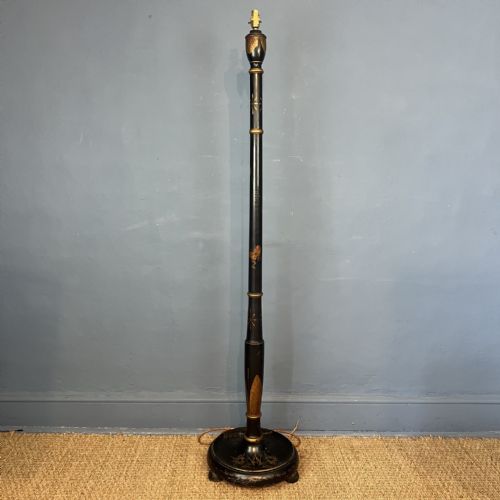
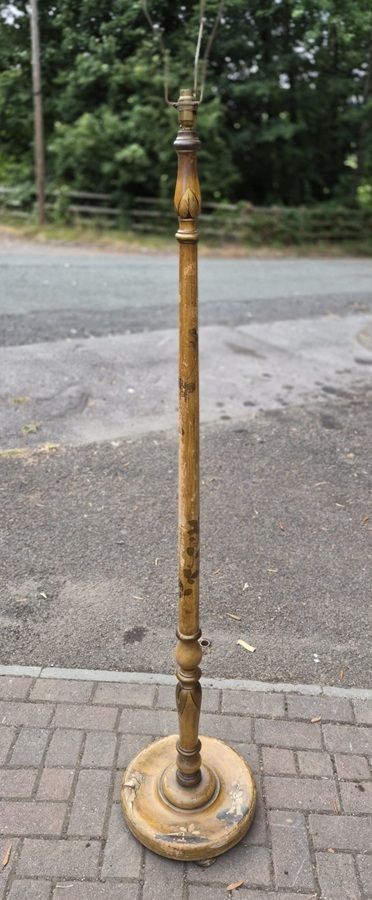
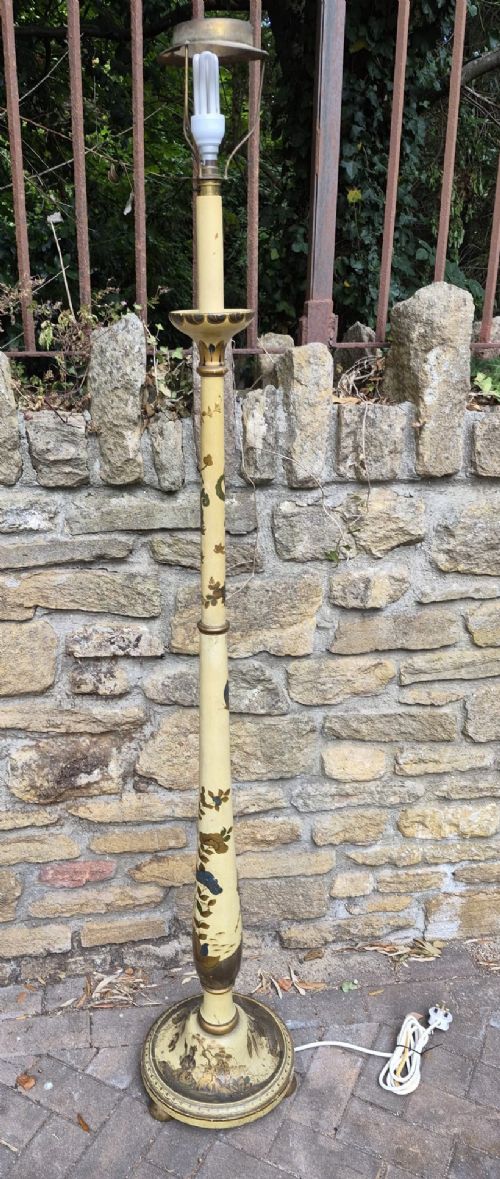
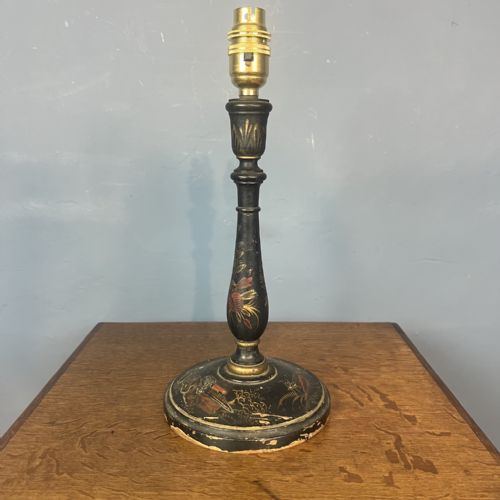
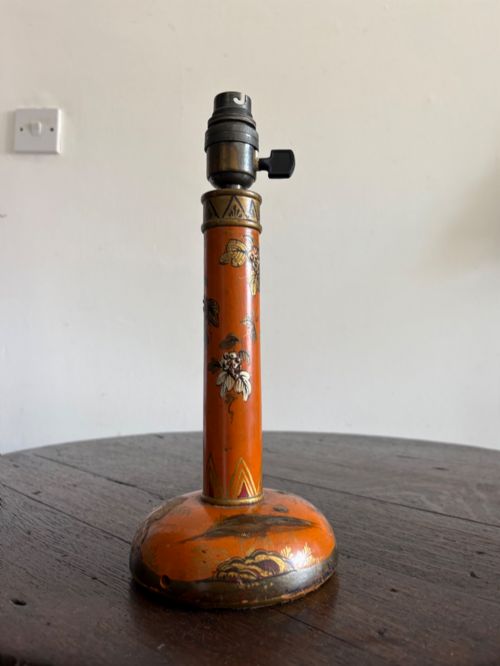
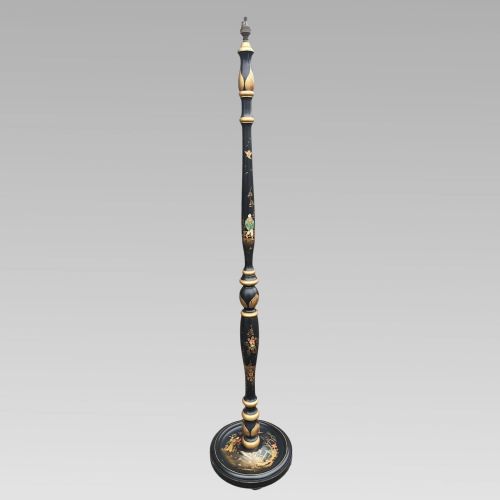
When searching for a hand painted lacquer lamp, collectors encounter table lamps, standard lamps, and floor standing lights spanning the nineteenth century through the 1930s. The most common examples on this page are Edwardian and 1920s pieces created in distinct decorative styles.
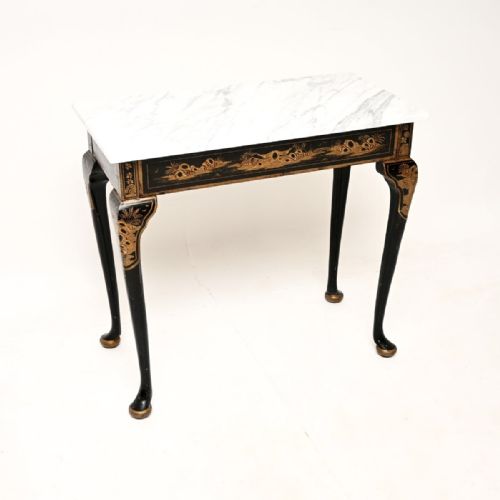
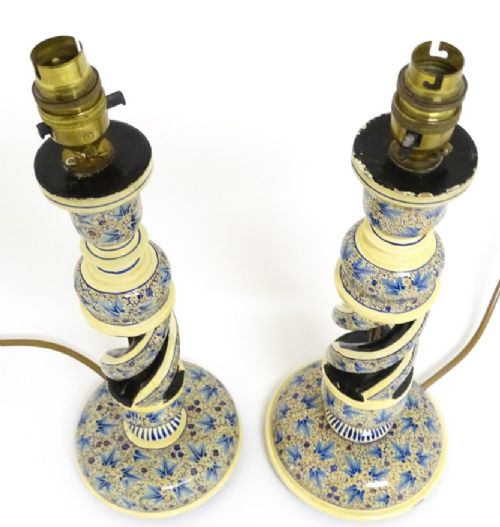
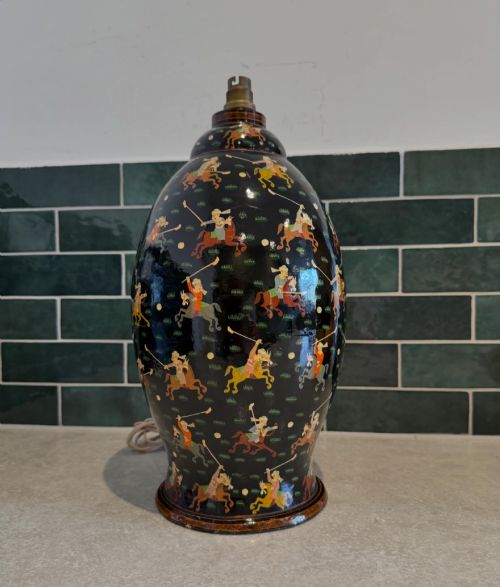
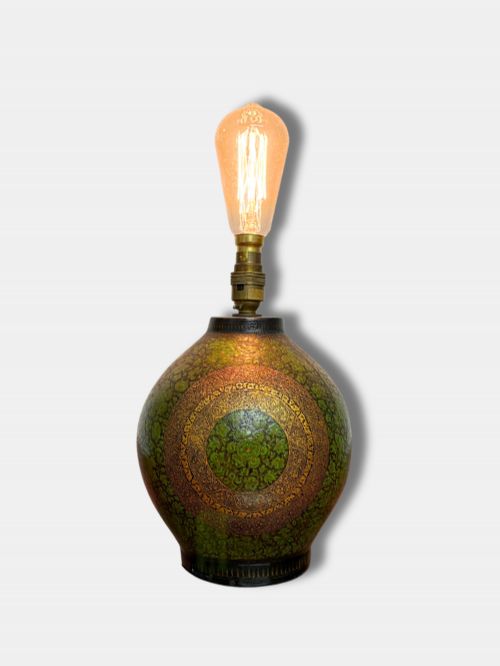
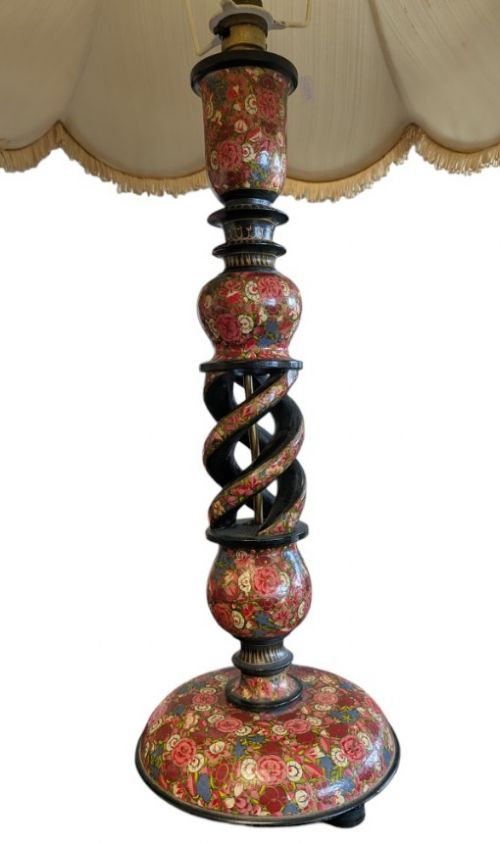
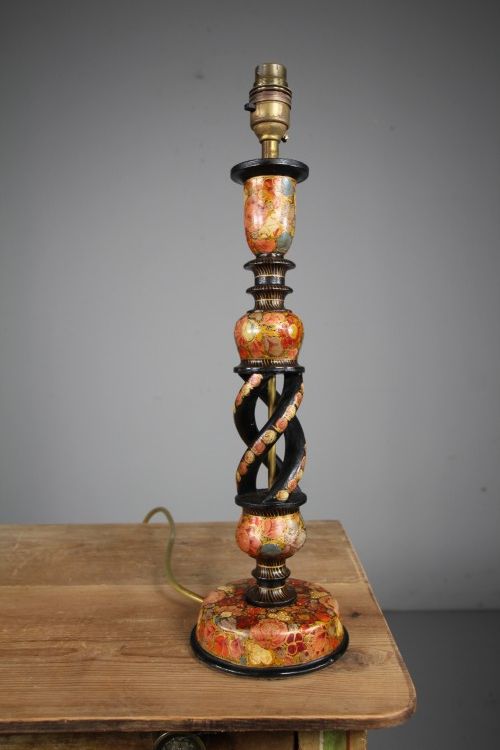
The selection ranges from tall standard lamps to compact table lamps, often showing influences from Chinoiserie and Kashmiri folk art traditions. Many pieces combine painted wood or papier-mache structures with lacquered finishes, occasionally accompanied by matching occasional tables.
Origins stretch from British Edwardian workshops to Indian craft traditions, particularly Kashmir, yielding items finished in black, cream, green, ochre, and mandarin orange. These objects serve as functional illumination while carrying substantial decorative hand-painted detail.
How they were made
Construction relies on wood, papier-mache, and brass, built into sturdy table and standard lamp bodies before receiving multiple coats of lacquer. Artisans then apply detailed hand-painted decoration, frequently enhanced with gilt gold accents.
Surfaces receive protective clear finishes over the painted scenes, sealing the pigments beneath a glossy or satin sheen. Materials like marble appear on related occasional tables, while wiring components provide modern electrical function within antique bodies.
Hand Painted Lacquer Lamp Retail Price Guide 2026
Typical asking prices for hand painted lacquer lamp among the pieces listed under this phrase on Sellingantiques today, from the lower quarter to the upper quarter. They describe what is for sale here now, not the wider market.
Listings feature items spanning the 19th Century, Edwardian period, 1910, 1920, and 1930, utilising materials such as brass, lacquer, wood, fabric, and papier-mache.
What varies in quality
Quality rests in the finesse of the hand-painted motifs and the depth of the lacquer finish, where finer pieces display intricate brushwork and rich gilding. The clarity of the Chinoiserie scenes or Kashmiri folk patterns dictates the visual impact of each standard or table lamp.
Structural integrity also separates examples, as the stability of tall floor lamps depends on sound turning and solid joins in the wood or papier-mache. Preservation of the original painted surface without excessive overpainting marks the distinction between standard production and superior craftsmanship.
The Hand Painted Lacquer Lamp Glossary
- Kashmir
- Region in northern India known for traditional hand-painted papier-mache and wooden items. Pieces from this origin often display vibrant floral and folk art patterns.
- Papier-mache
- Composite material made from paper pulp or reinforced paper sheets, moulded and dried before lacquering. It provides a lightweight yet durable base for decorative lighting.
- Standard lamp
- A tall floor-standing lamp designed to illuminate a room from a vertical post. These pieces often feature turned wooden columns and decorative bases.
- Lacquer
- Clear or coloured varnish applied in multiple coats to wood or papier-mache to create a hard, smooth surface. It protects the painted decoration beneath.
Hand Painted Lacquer Lamp: Frequently Asked Questions
How do I date a lacquer lamp?
Dating relies on stylistic clues, materials, and construction methods characteristic of periods like the Edwardian era or the 1920s. Examining the wiring, base turning, and wear patterns helps place the piece within its historical decade.
Makers often drew on specific regional styles, such as Kashmiri folk art or British Chinoiserie, which shifted in palette and motif over time. Comparing the lacquer depth and pigment types provides further context for the age of the item.
Are these lamps safe to use today?
Many antique lamps arrive rewired or require professional electrical updates to meet current safety standards. Retaining the original lamp body while replacing internal wiring preserves historical integrity.
Consulting a qualified electrician ensures that older standard and table lamps operate safely with modern sockets and bulbs. This approach allows daily use without compromising the antique structure.
What is the difference between standard and table lamps?
Standard lamps are tall floor-standing units designed to rest directly on the floor and light a wider area. Table lamps feature shorter proportions meant for placement on side tables, desks, or occasional furniture.
Both forms utilise similar lacquered and hand-painted techniques but serve different functional roles within a room layout. Scale remains the primary distinction between the two lighting formats.