





Hand Painted Japanese Jar
These hand painted japanese jar pieces bring centuries of intricate ceramic artistry and vibrant enamel work directly into a room.
Hand Painted Japanese Jar
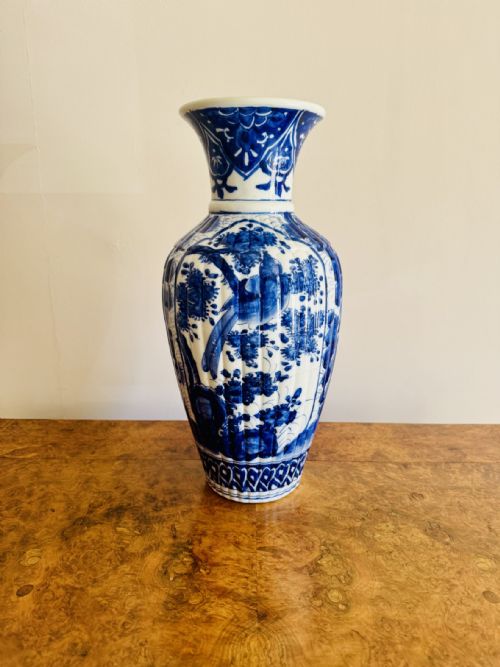
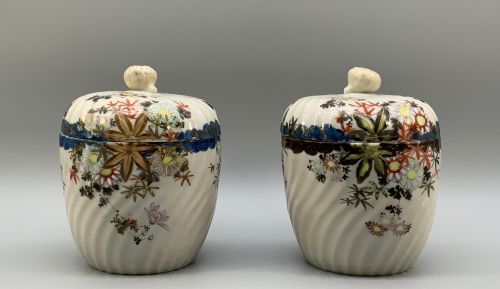
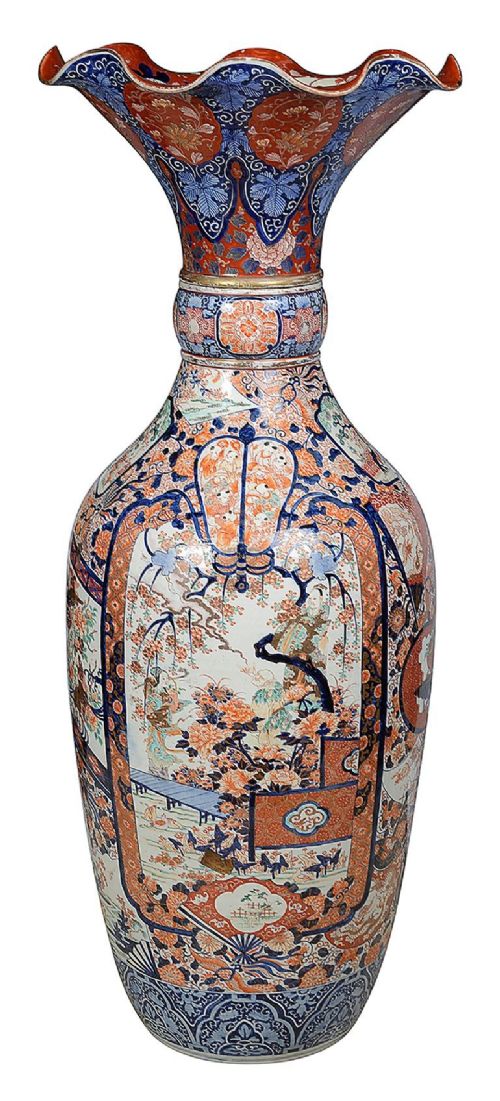
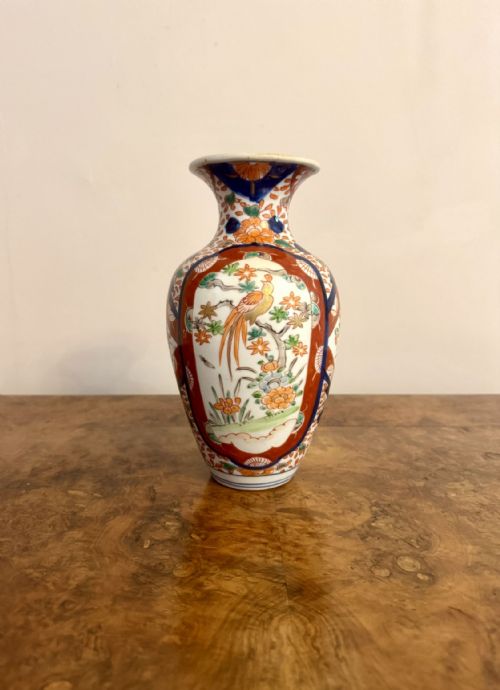
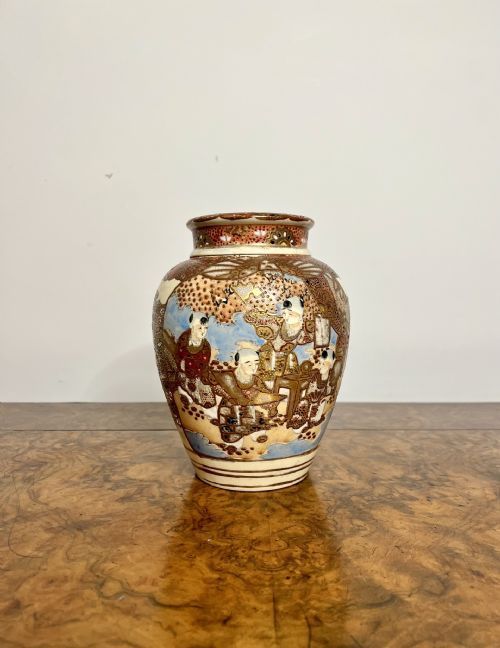
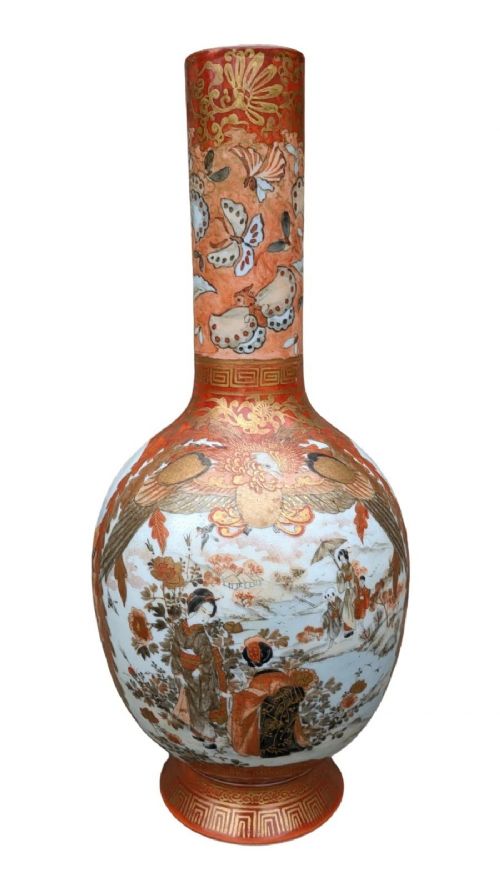
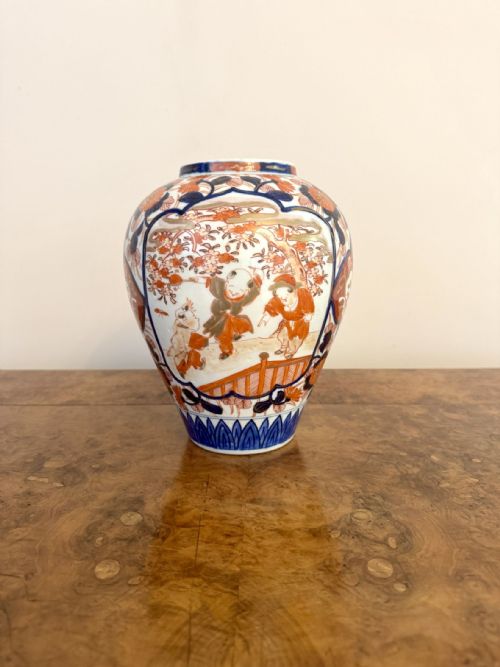
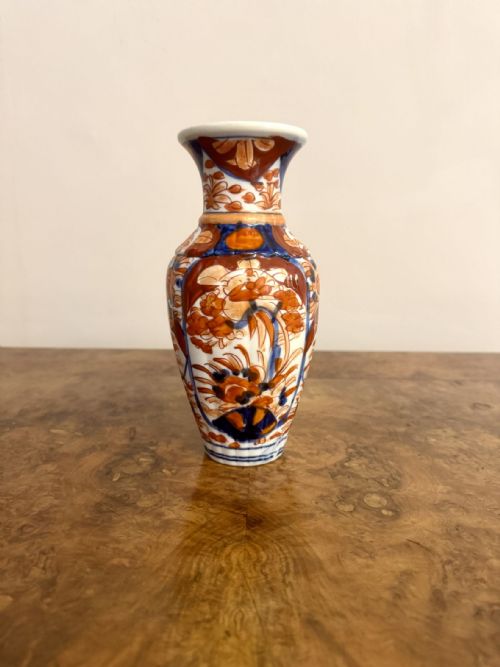
A hand painted japanese jar represents a rich tradition of ceramic production originating in Japan during the nineteenth century and the Edwardian era. Collectors searching this phrase encounter vessels designed for varied decorative and utilitarian purposes, ranging from covered ginger jars to large floor vases and lidded pots.
The selection on this page leans heavily towards nineteenth-century examples, notably items from the Meiji period and Imari styles. Alongside these, buyers find Satsuma wares and Kutani pieces shaped in fluted, hexagonal, or double gourd forms.
Many of these vessels retain their original covers, while others function as decorative urns, tea caddies, or table lamps. Their varied forms reflect the changing export demands of the late nineteenth century and the enduring skill of Japanese ceramicists.
How they were made
Artisans built these vessels using porcelain and earthenware bodies, often shaping them on the wheel or moulding them into specific geometric forms such as hexagonal and fluted profiles. The structural clay forms provided a sturdy foundation for the subsequent application of colour and metallic detailing.
Surface decoration relies on layers of enamel glaze, frequently accented with gold leaf and gilt work to create rich patterns. Painters applied detailed floral, pictorial, and abstract motifs by hand, utilising high-firing techniques to bind the pigments to the ceramic substrate.
The inventory spans the nineteenth century, the Edwardian period, and the Meiji era.
What varies in quality
The standard of a hand painted japanese jar depends significantly on the precision and fineness of the brushwork across the surface. Superior examples demonstrate remarkable control in the application of enamel glaze and gold leaf, resulting in crisp outlines and harmonious colour distribution.
Kiln execution and material selection also divide standard production from finer pieces. Well-fired porcelain with minimal distortion, balanced proportions, and distinct artist signatures or studio marks indicate higher workshop standards.
Kizan·Shuzan·Kinkozan·Fukagawa
The Hand Painted Japanese Jar Glossary
- Imari
- A traditional style of Japanese porcelain featuring a distinct palette of underglaze blue, iron red, and gilt overglaze decoration. This style gained immense popularity in the West during the nineteenth century.
- Satsuma
- A type of Japanese earthenware characterised by a pale, ivory-coloured crazed glaze, typically decorated with elaborate polychrome enamels and raised gold leaf. These wares often depict intricate figural scenes and floral motifs.
- Kutani
- A style of Japanese ceramic noted for its bold, painterly designs, frequently dominated by greens, blues, yellows, and purples alongside iron red. Kutani wares encompass both porcelain and earthenware bodies.
- Ginger jar
- A broad-shouldered ceramic vessel with a domed lid, originally used for storing spices and preserves. In nineteenth-century export wares, these jars became primarily decorative display objects.
- Natsume
- A small tea caddy used in Japanese tea ceremonies, traditionally shaped like a jujube fruit. These miniature vessels often exhibit delicate hand-painted motifs.
Hand Painted Japanese Jar: Frequently Asked Questions
What are hand painted japanese jars made of?
These vessels are constructed primarily from Japanese porcelain and earthenware bodies. Artisans applied various mineral enamel glazes to these ceramic bases.
Many examples incorporate additional decorative elements such as gold leaf and gilt accents. The combination of clay body and surface enamel defines their physical character.
How do I identify a Meiji period jar?
Meiji period pieces date from the late nineteenth century through to the early twentieth century. They often feature distinct export marks alongside elaborate hand-painted decoration.
Stylistic cues include traditional Imari palettes or finely crazed Satsuma glazes. Comparing the form and painting style to known nineteenth-century pieces helps confirm the period.
Were these jars used for food storage?
While forms like ginger jars and tea caddies originated as utilitarian containers for spices or tea leaves, many export pieces served a purely decorative function.
Lidded jars and pots were created to display fine ceramic artistry in Western homes. Over time, their role shifted from storage utility to ornamental interior display.
How should I clean a painted ceramic jar?
Dust these vessels gently with a soft, dry cloth to remove surface particles. Avoid using harsh chemical cleaners or abrasive materials that could damage the delicate enamel and gold leaf.
Keep them away from direct, prolonged sunlight to prevent fading of the hand-painted pigments. Handle lids with care to protect the rim edges.