



Hand Painted Heraldic
Hand painted heraldic items combine family lineages with fine decorative skill, offering collectors a tangible link to historical crests and coats of arms.
Hand Painted Heraldic
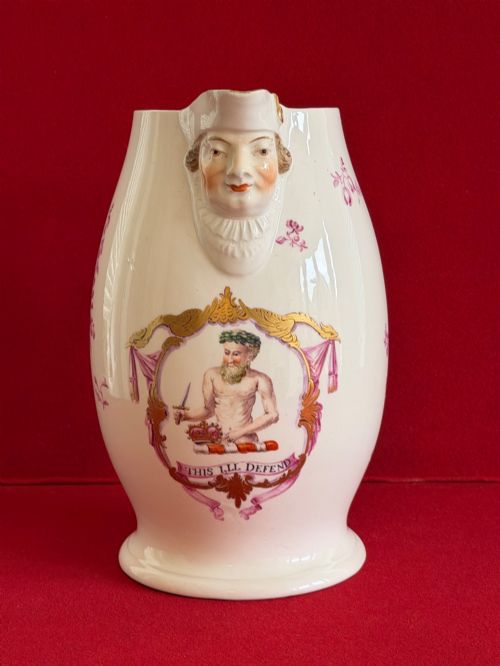
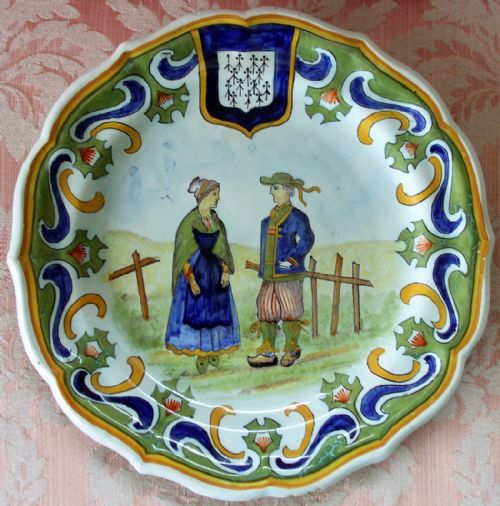
When searching for hand painted heraldic items, collectors encounter a diverse array of ceramics, glass, and decorative art objects spanning several centuries. The selection encompasses porcelain plates and jugs from the Georgian era alongside later nineteenth century enamelware and pottery.
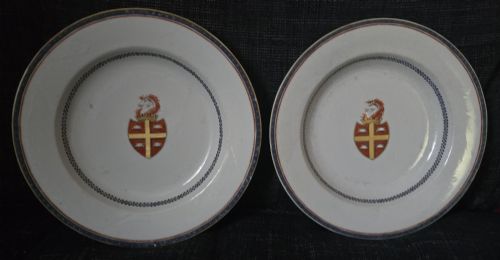
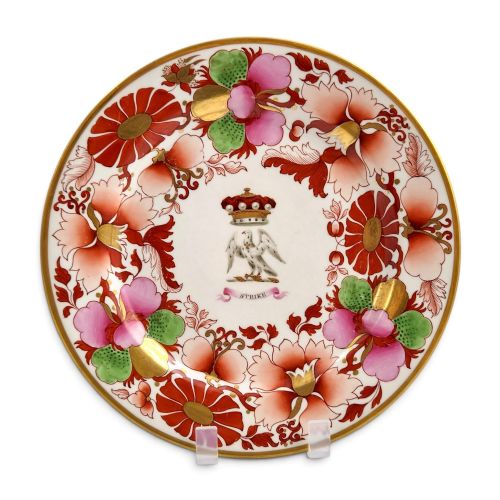
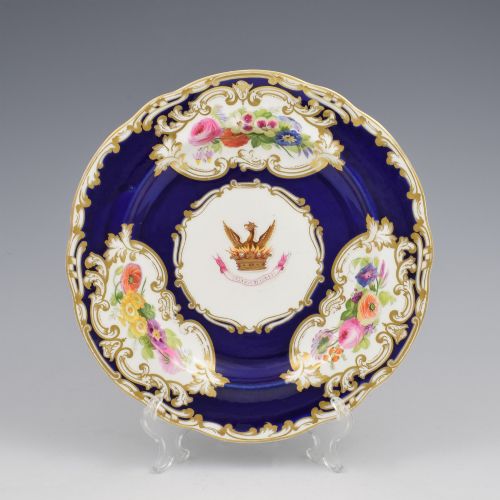
Plates and dessert services bearing specific family crests form a prominent part of the available stock, particularly Chinese export porcelain and works from English factories like Worcester and Derby. These pieces often feature detailed armorial bearings applied by hand to signify familial alliances and status.
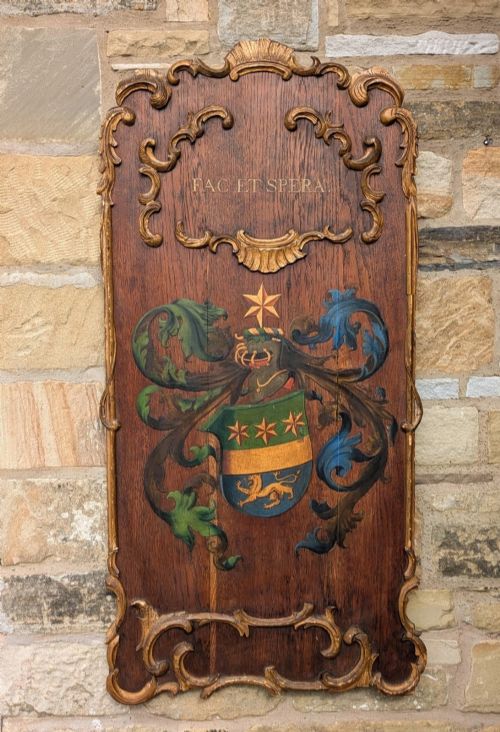
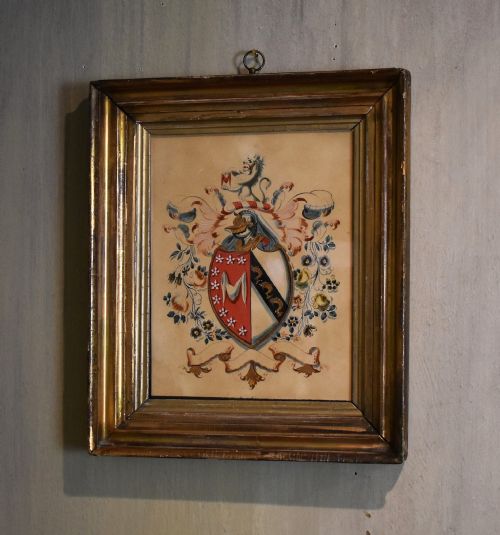
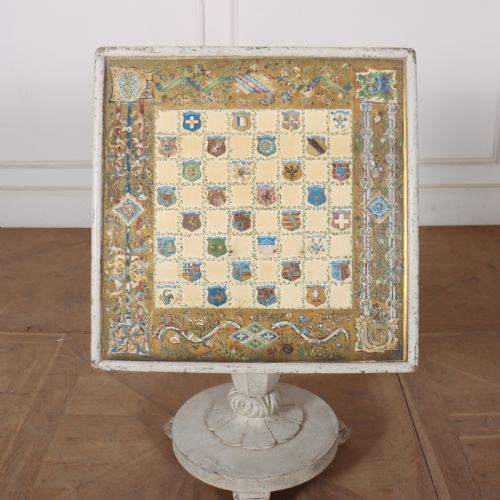
Beyond ceramics, the category includes tin glazed earthenware boxes, glassware, watercolour paintings, and larger wooden panels. Each object type showcases the enduring appeal of heraldic design across various domestic and decorative forms.
Materials and methods of creation
Makers applied intricate pigments and gold leaf to porcelain, earthenware, and glass substrates, utilising precise brushwork to delineate complex coats of arms. Enamel and pigment adhered to surfaces through careful firing processes, ensuring the durability of delicate armorial details.
Tin glaze and leaded glass techniques appear in distinct regional works, such as Dutch Delft boxes and German roemers, where painters executed heraldic motifs directly onto the prepared base. Gilding frequently highlights the borders and crests, adding depth to the finished composition.
Hand Painted Heraldic Retail Price Guide 2026
Typical asking prices for hand painted heraldic among the pieces listed under this phrase on Sellingantiques today, from the lower quarter to the upper quarter. They describe what is for sale here now, not the wider market.
Assessing quality in armorial works
The precision and fineness of the brushwork largely determine the distinction between standard and superior pieces. Skilled painters captured intricate heraldic tinctures, charges, and supporters with exact anatomical and geometric proportions.
The provenance and historical significance of the specific family crest or commission also influence the standing of an object. Pieces created for named nobility or documented aristocratic houses carry greater historical weight than generic or later decorative interpretations.
Duesbury Derby·Flight Barr And Barr·Chamberlain Worcester·Samson Of Paris
The Hand Painted Heraldic Glossary
- Armorial
- Relating to or bearing a coat of arms or heraldic insignia. These designs were often commissioned by prominent families to display their lineage on tableware and decorative items.
- Crest
- The component of a coat of arms situated on top of the helm or coronet. It frequently appears as a standalone motif on porcelain plates and crested jugs.
- Famille rose
- A palette of Chinese porcelain enamels dominated by opaque pink or rose colours, introduced in the eighteenth century. Many armorial export plates utilise this specific colour scheme.
- Roemer
- A traditional type of drinking glass used in northern Europe, typically featuring a large bowl on a decorated stem. Enamelled variants often display heraldic motifs and coats of arms.
Hand Painted Heraldic: Frequently Asked Questions
How were armorial ceramics used?
Armorial plates, dishes, and jugs were utilised during formal dining and entertaining to signal the wealth, status, and historical lineage of the host family. Displaying a crest on the dining table reinforced social standing among guests.
Beyond dining, smaller items like tin glazed boxes and wall plaques served decorative or personal storage functions within domestic interiors, integrating heraldry into daily life.
How do I care for antique porcelain?
Protect delicate porcelain and enamel surfaces by keeping them away from direct sunlight and extreme temperature fluctuations, which can damage painted details and gilding over time. Dust gently with a soft, dry cloth rather than using chemical cleaners.
Display items in stable cabinets or on secure surfaces where they remain safe from accidental knocks. Hand washing in lukewarm water with mild soap is suitable only when strictly necessary, avoiding soaking entirely.
How can I identify the period?
Dating relies on examining the material composition, the style of the armorial painting, and any factory marks present on the reverse or base. Georgian pieces often exhibit characteristic paste types and refined enamel palettes distinct from later nineteenth century revivals.
Reference materials detailing factory marks from makers such as Worcester or Derby help establish a precise timeframe. Comparing the heraldic style to known historical commissions also assists in narrowing down the date of creation.