



Heraldic Porcelain Dishes
These heraldic porcelain dishes bear centuries of family history, combining durable hard-paste ceramic with hand-painted coats of arms to display lineage.
Heraldic Porcelain Dishes
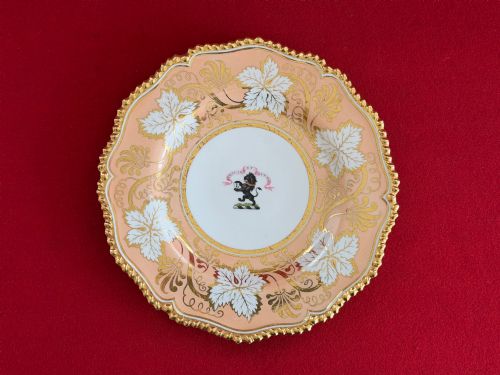
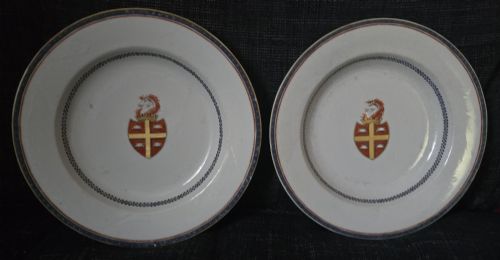
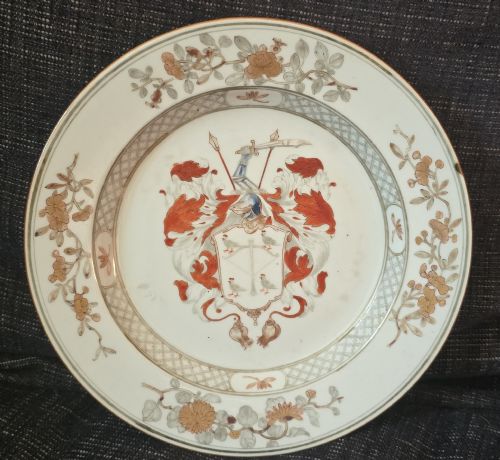
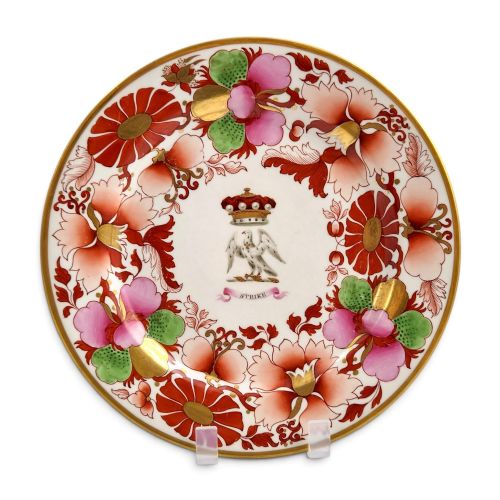
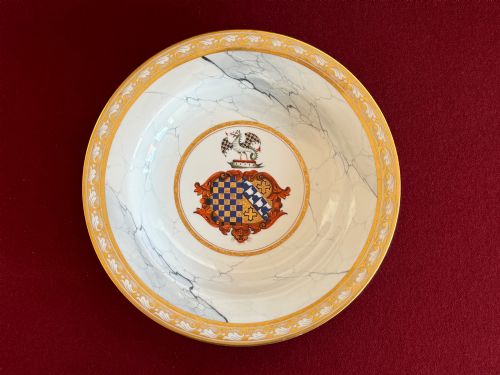
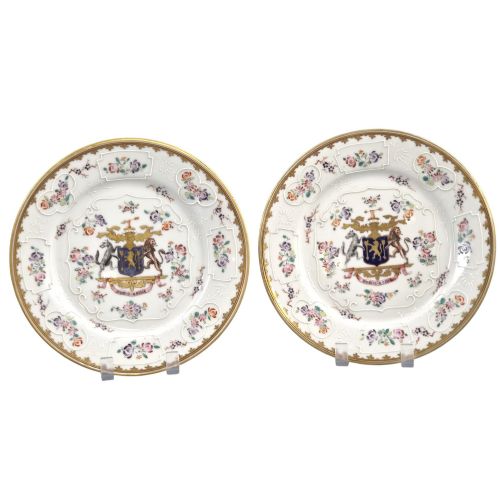
When you search for heraldic porcelain dishes, you find ceramics painted with specific family coats of arms, crests, and mottoes. These pieces served elite dining tables across the eighteenth and nineteenth centuries, functioning as both tableware and statements of social standing.
You are most likely to meet Chinese export plates and bowls made for European families, alongside English factory wares from Worcester, Coalport, and Paris. These items appear as soup plates, dessert plates, rectangular dishes, and tea saucers.
The objects bridge global trade and domestic heritage, recording alliances and marriages through heraldry painted thousands of miles from the families who ordered them. Each dish acts as a surviving fragment of a larger service commissioned for grand houses.
How they were made
Potters shaped hard-paste porcelain and bone china before applying underglaze blue and vibrant overglaze enamel pigments. Painters added intricate details by hand, utilising gold leaf and gilding to accentuate crests and borders.
Chinese export works travelled to kilns in Jingdezhen where European heraldic sketches were painstakingly copied onto porcelain bodies. English factories such as Worcester and Coalport later developed refined paste mixtures and gilding techniques locally.
Heraldic Porcelain Dishes Retail Price Guide 2026
Typical asking prices for heraldic porcelain dishes among the pieces listed under this phrase on Sellingantiques today, from the lower quarter to the upper quarter. They describe what is for sale here now, not the wider market.
Listings feature eighteenth-century Chinese export pieces alongside nineteenth-century English productions from Worcester, Coalport, and French Paris workshops.
What varies in quality
The precision and detail of the painted coat of arms dictate the piece's standing, with superior examples showing crisp lines and accurate tinctures. Inferior items display rushed brushwork or simplified heraldic elements that miss the finer points of the original grant.
The complexity of the surrounding border decoration also separates ordinary production from high commissions. Pieces with extensive gilt work, Famille Rose enamels, or specific service patterns command greater attention than plain-bordered wares.
Flight Barr And Barr·Chamberlain Worcester·Coalport
The Heraldic Porcelain Dishes Glossary
- Armorial
- Bearing a coat of arms or heraldic insignia. This term describes porcelain commissioned specifically for noble or gentry families.
- Hard-Paste Porcelain
- A dense ceramic material composed of kaolin and petuntse fired at high temperatures. It resists scratching and provides a durable base for overglaze enamels.
- Overglaze Enamel
- Mineral colours applied on top of the fired glaze and fixed with a second, lower-temperature firing. This technique allowed painters to use a wide palette including greens, pinks, and blacks.
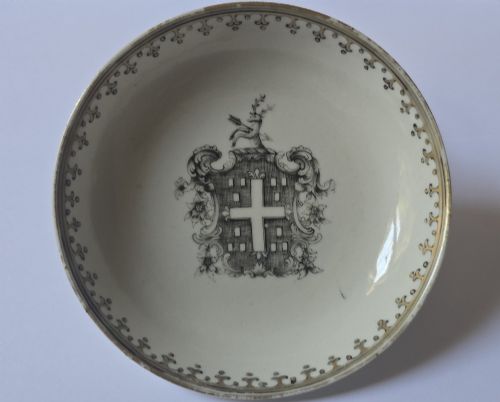
- Grisaille
- Monochromatic painting executed in shades of grey. Chinese export workshops used this technique to replicate European bookplates and line engravings.
- Famille Rose
- A palette of opaque enamels dominated by rose-pink introduced during the Qing dynasty. It allowed artists to create shaded floral and figurative motifs.
Heraldic Porcelain Dishes: Frequently Asked Questions
How do I identify the family crest?
Match the heraldic elements, such as shields, helmets, and mottoes, against published armorial registers. Consultation with specialist heraldry texts helps trace the specific family linked to the commission.
Many families recorded their grants of arms through the College of Arms or regional equivalents. Comparing the painted charges to these official records reveals the original owner.
Were these dishes used daily?
Most armorial services formed part of grand dining sets reserved for formal entertaining and guests. They demonstrated wealth and lineage to diners rather than serving as everyday kitchenware.
Because they represented family status, many pieces survived intact within display cabinets or were stored carefully between banquets. This usage explains why surviving examples often retain bright gilding and enamels.
How do I date Chinese export porcelain?
Examine the paste, glaze texture, and enamel colours to determine the manufacturing period. Eighteenth-century pieces typically feature thinner bodies and distinct famille rose or grisaille pigments.
Changes in export styles, from early Yongzheng designs to later Qianlong and nineteenth-century interpretations, provide further clues for chronological placement.
Can I use these plates for food?
Displaying these historic ceramics on plate hangers or stands protects the fragile overglaze enamels and gold leaf from wear. Modern dishwashers and cutlery will damage the painted surfaces.
Gentle hand washing with mild soap is recommended if cleaning is necessary, though most collectors prefer to keep them off dining tables entirely.