
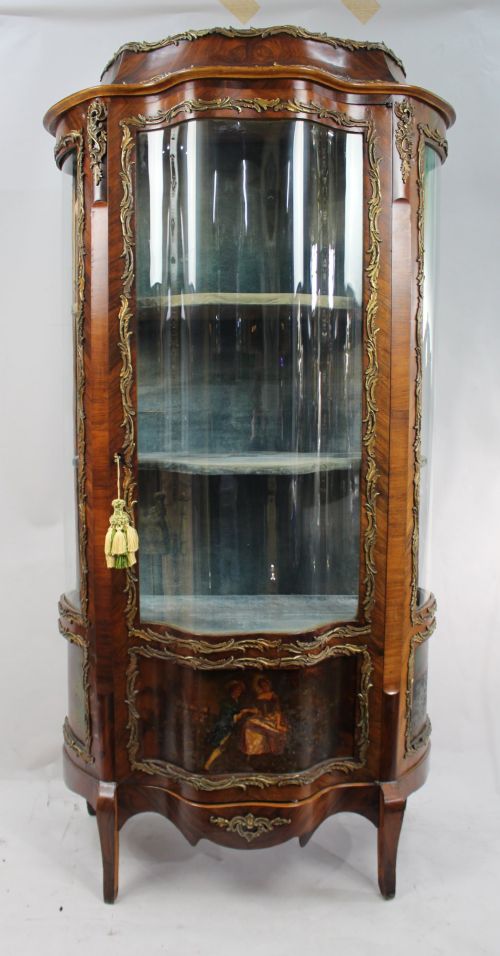
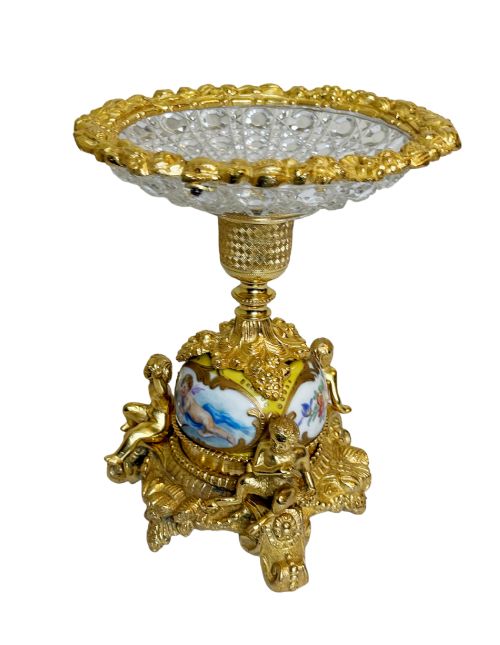

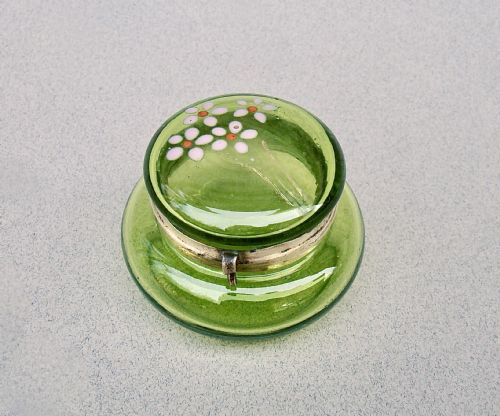
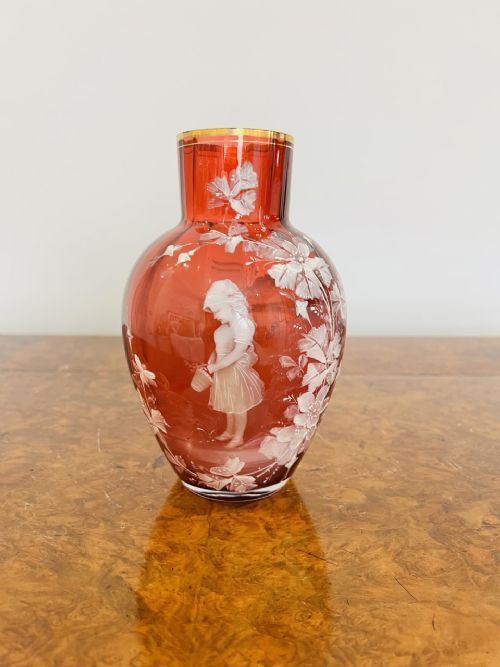
Hand Painted Glass
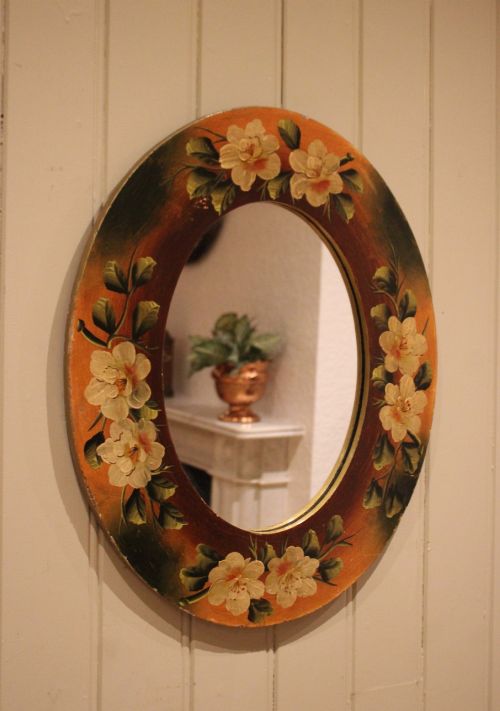
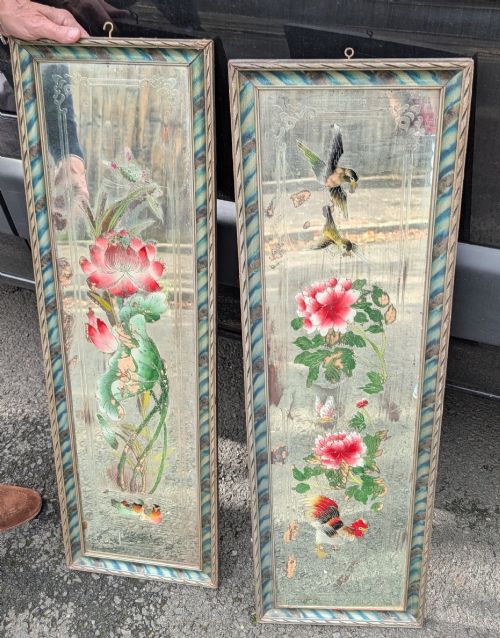
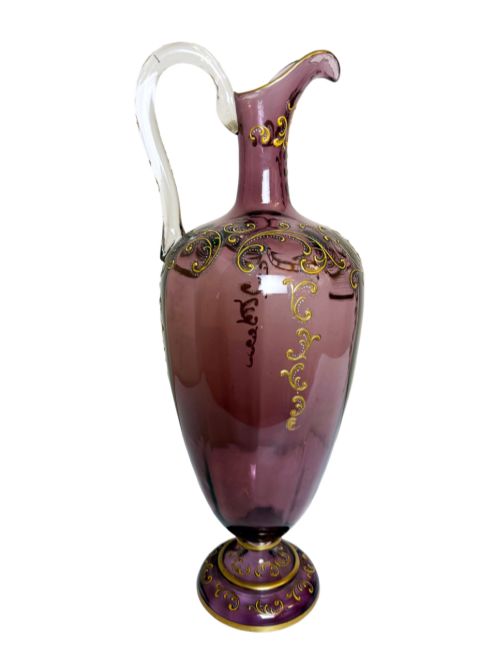
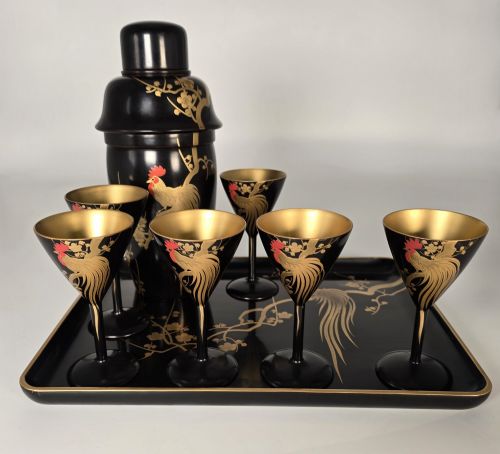
Hand painted glass brings together vibrant enamel work and delicate decorative scenes on vessels, windows and mirrors.

What they are
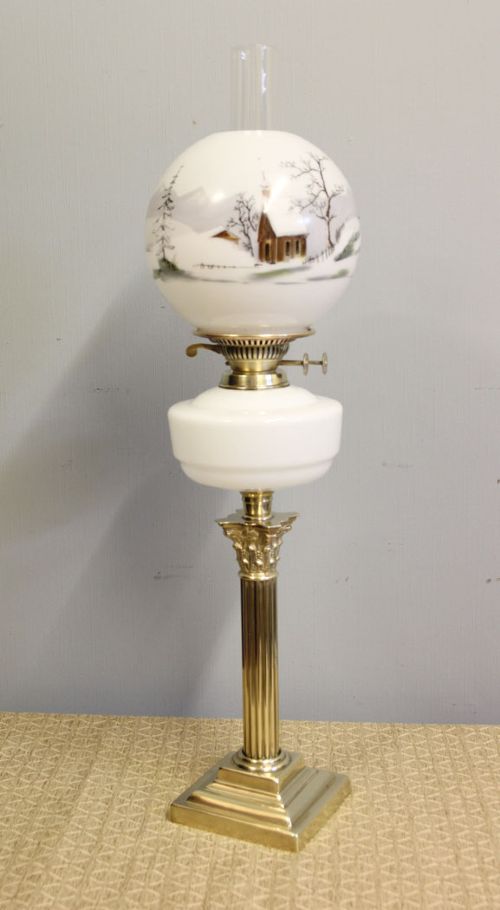
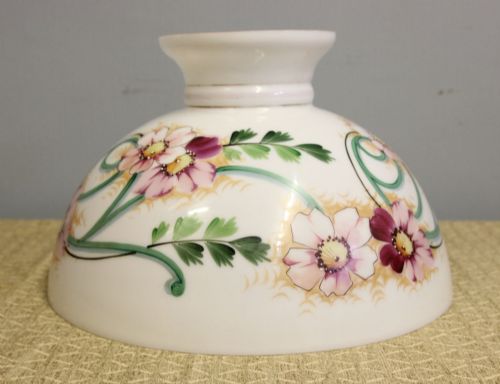
When you search for hand painted glass, you find a diverse range of items including Victorian vases, windows, mirrors, decanters, and tableware spanning the nineteenth and early twentieth centuries. The most common pieces on this page are Victorian glassware items and architectural panels featuring painted enamel designs.
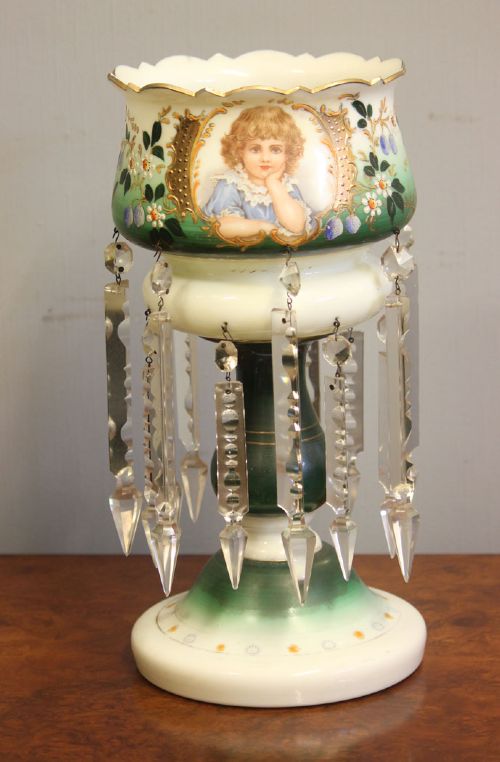
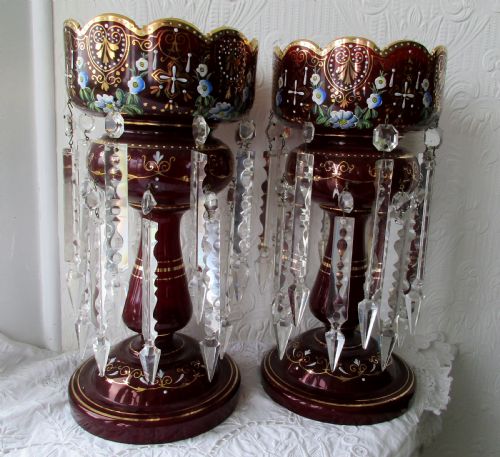
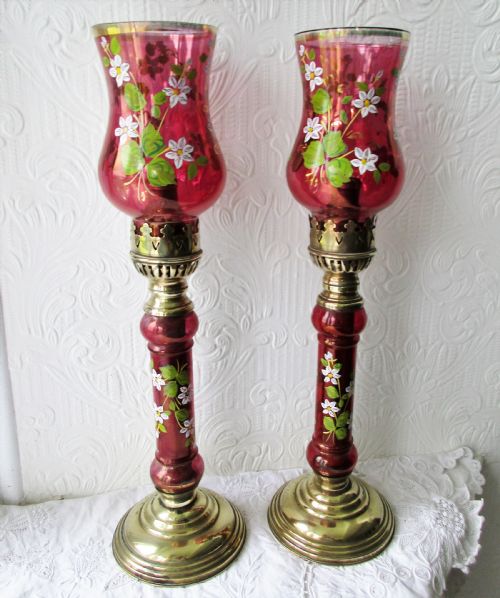
The selection includes decorative vases, perfume bottles, and lustres alongside structural elements such as leaded glass windows and doors. These domestic and architectural objects display varied subjects, from armorial crests and botanical motifs to countryside scenes and bird depictions.
The objects originate from multiple eras, with a strong representation of Victorian production alongside Edwardian, Arts and Crafts, and later pieces. Buyers encounter both standalone decorative vessels and integrated glass panels designed for doors and windows.
How they were made
Craftsmen utilised blown glass, opaline glass, milk glass, and satin glass as the primary canvases for intricate enamel decoration. Artisans applied pigmented enamels directly onto the glass surface before firing the pieces to fuse the colours permanently.
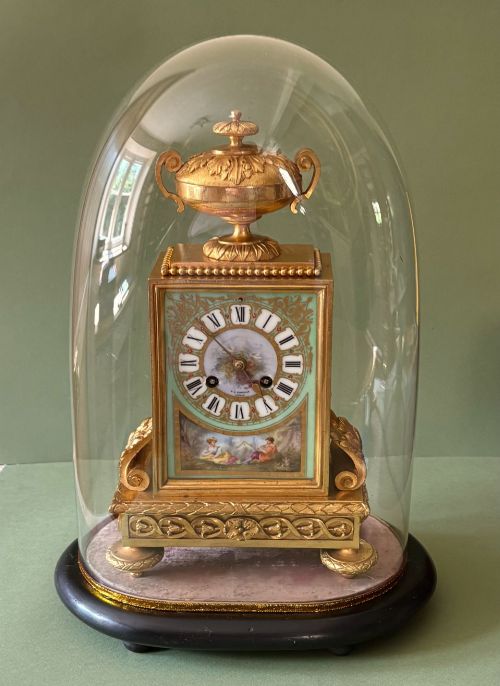
Architectural examples incorporate lead came to hold individual pieces of hand painted glass together within wooden frames made of timber and pine. Metalwork components also appear alongside the glass in items such as lamps, clocks, and opera glasses.
Retail Price Guide 2026
Typical UK retail prices for hand painted glass, calculated from the Sellingantiques database of over a million retail prices indexed since 2003. This retail price guide relies exclusively on Sellingantiques data; no external sources or auction records are used, so the figures do not describe the wider market.
The inventory spans Victorian, Edwardian, and Arts and Crafts periods.
What varies in quality
The distinction between standard and superior pieces rests upon the precision of the brushwork and the complexity of the enamelling technique. Finer items exhibit crisp detail in figurative and landscape scenes, whereas simpler pieces rely on basic motifs.
Material choice and structural integrity also dictate the overall standard of the piece, particularly in architectural leaded windows and mounted glassware. The depth of colour in the glass body and the durability of the fired enamel decoration determine the longevity of the object.
Lobmeyer
The Hand Painted Glass Glossary
- Enamel
- A decorative glassy substance fused to the surface of glass or metal through firing. It provides the opaque or translucent colour used in hand painted designs.
- Opaline glass
- An opaque or semi-translucent glass developed during the nineteenth century. It often serves as a pale background for detailed painted scenes.
- Lustre
- A decorative glass vase or ornament fitted with hanging glass prisms. These pieces frequently feature hand painted floral or figurative details.
- Leaded glass
- Small panes of glass held together by strips of lead came to form windows or door panels. Hand painted scenes are sometimes incorporated into these architectural assemblies.
- Satin glass
- Glass treated with an acid dip to create a velvety, matte texture. It provides a distinctive ground for painted decoration.
Frequently Asked Questions
How do I clean hand painted glass?
Clean these items gently using a soft, dry cloth or a slightly damp sponge without harsh chemicals. Avoid submerging painted glass in water for prolonged periods to protect the enamel.
Take particular care around painted surfaces and lead came lines on architectural panels. Gentle maintenance preserves the fragile decoration over time.
Are these windows suitable for exterior use?
Many leaded glass panels and windows originated as exterior or interior architectural elements in nineteenth and twentieth-century buildings. Their current structural condition determines whether they can be safely reinstalled in external frames.
Consult a professional glazier before mounting antique glass in exterior settings. Interior placement often protects delicate hand painted details from weather damage.
What is Mary Gregory glass?
Mary Gregory glass refers to Victorian glassware decorated with white enamel silhouettes, typically depicting children in garden settings. The technique gained popularity during the late nineteenth century across various vessel forms.
These pieces are identified by their distinct white figural enamel work set against coloured glass backgrounds such as green or blue.
How do I date hand painted glass?
Dating relies on stylistic clues, manufacturing techniques, and the type of glass substrate used in the object. Victorian items often display characteristic colour palettes and motifs distinct from Edwardian or Arts and Crafts examples.
Examine the framing materials on windows and the wear on the base of vessels for additional chronological indicators.