
Hand Painted Fruit Porcelain
Hand painted fruit porcelain brings together botanical study and fine ceramic artistry, offering richly coloured cabinet plates and bowls that draw the eye.
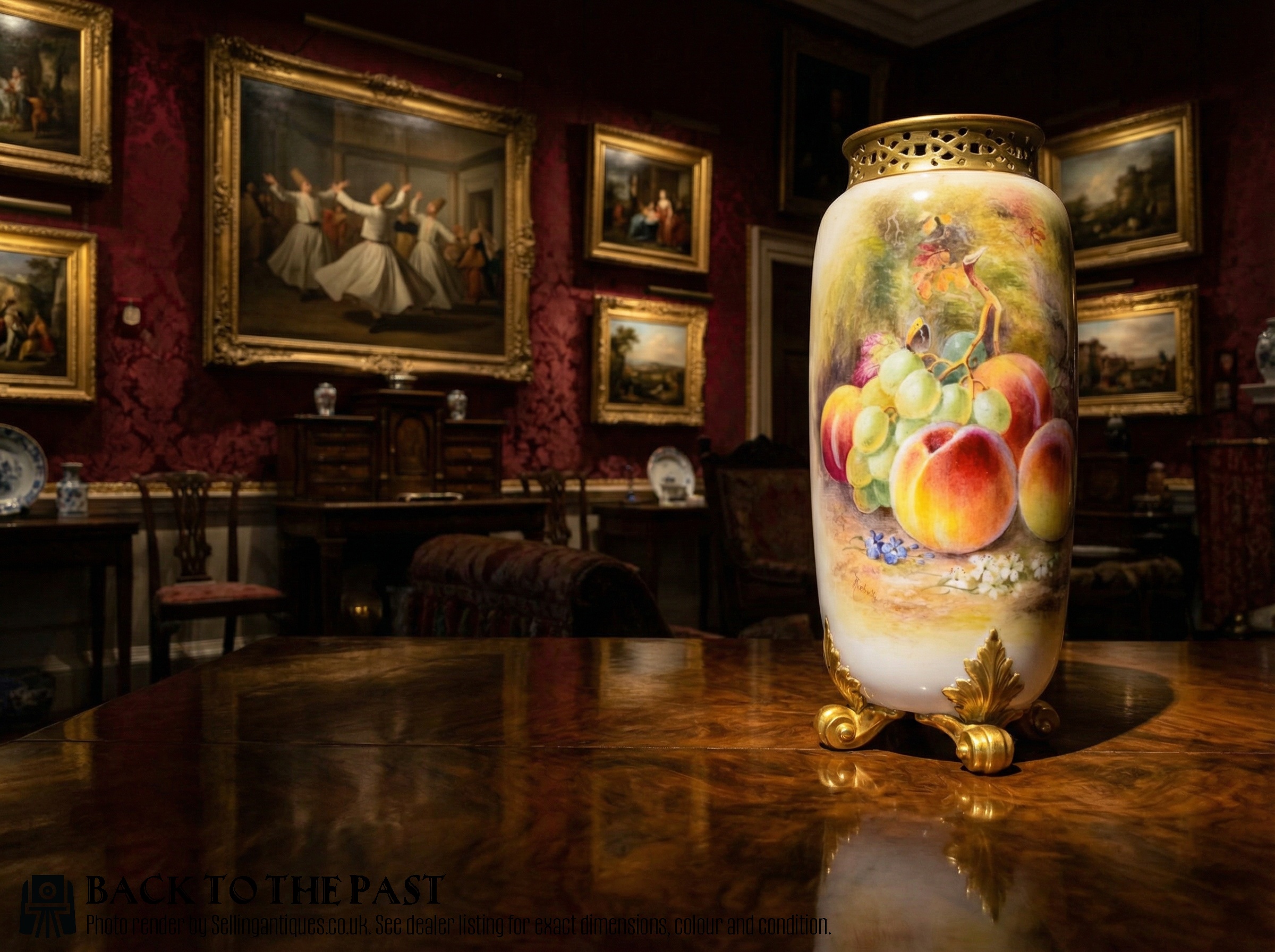
Hand Painted Fruit Porcelain
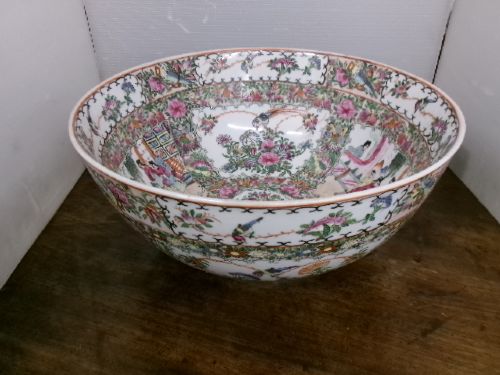
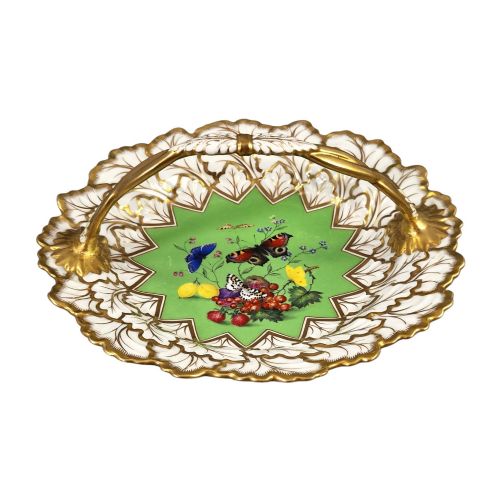
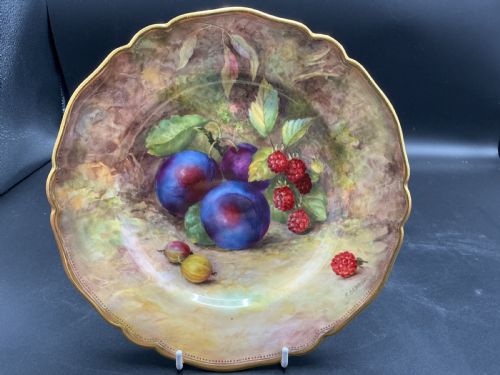
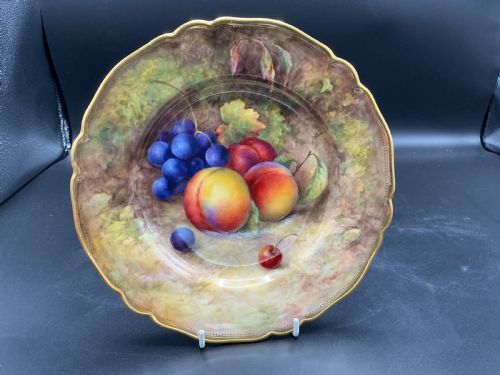
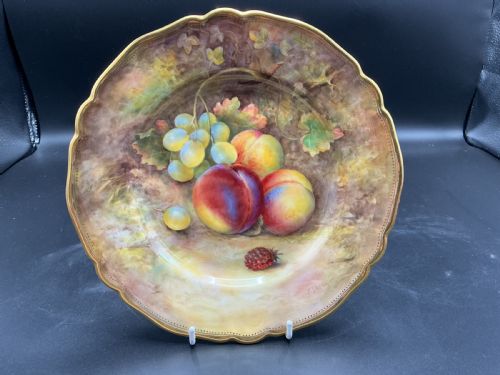
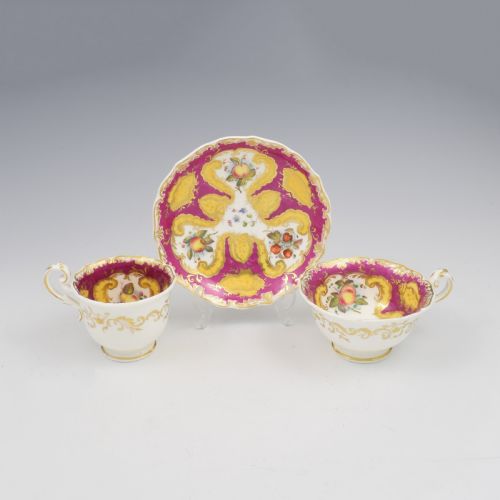
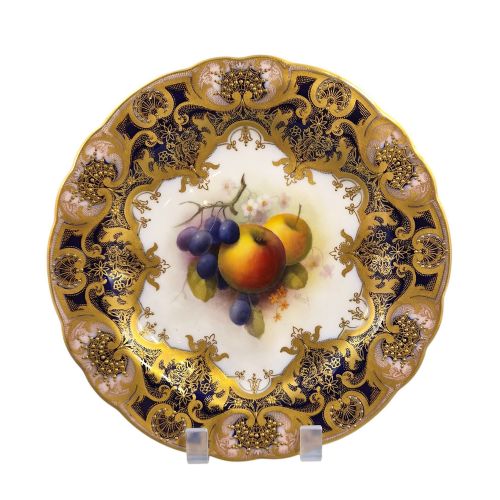
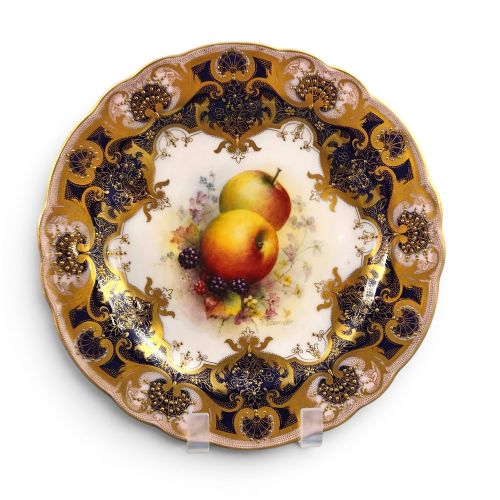
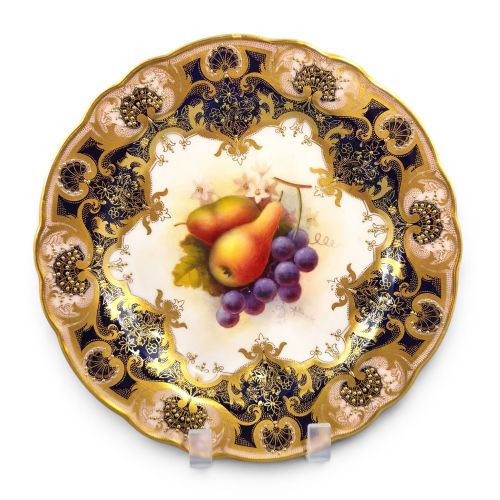
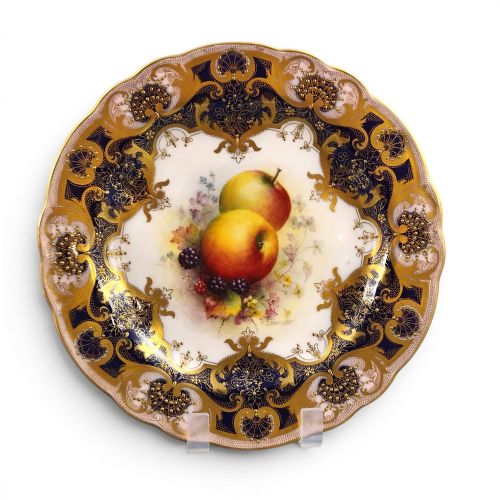
Hand painted fruit porcelain comprises decorative plates, cabinet dishes, bowls, and pedestals adorned with detailed studies of apples, pears, peaches, and berries. These items serve primarily as display pieces rather than everyday tableware, often shaped as round cabinet plates, scalloped bowls, or pierced baskets.
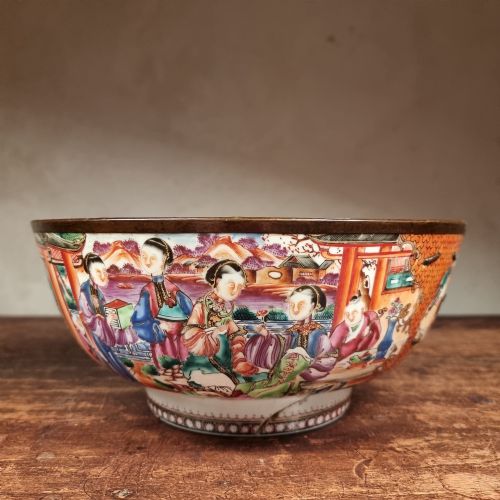
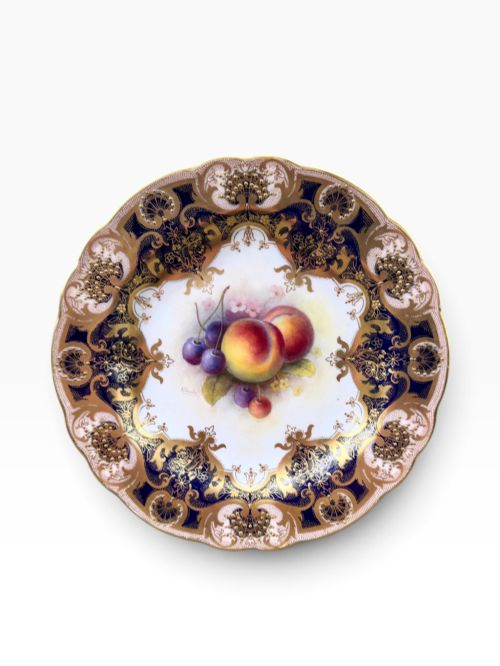
The version most commonly met on this page is the English factory-painted cabinet plate, particularly works from the early twentieth century featuring naturalistic orchard scenes. Alongside these sit Japanese Imari pieces, Chinese export bowls, and earlier English bone china or porcelain from Worcester, Coalport, and Derby.
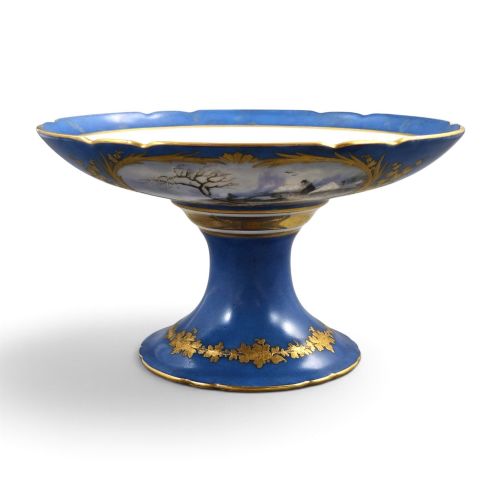
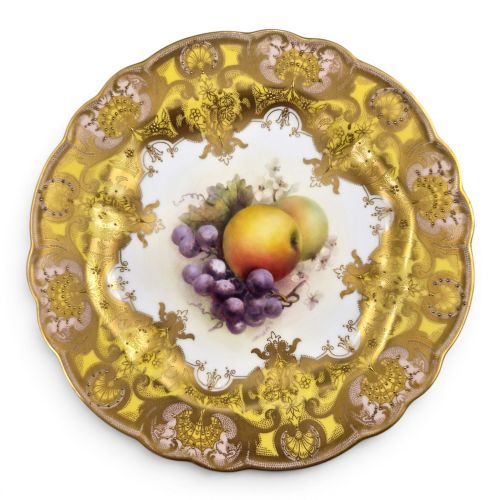
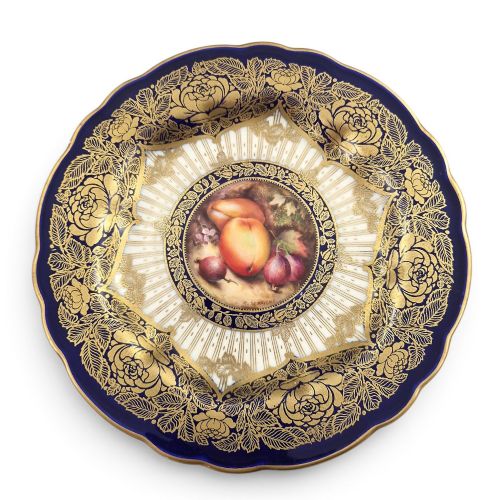
Makers focused on botanical realism, setting detailed arrangements against soft neutral backgrounds or rich cobalt and gilt borders. Such objects reveal the domestic display habits of past centuries, where dessert services and cabinet displays showcased porcelain artistry.
How they were made
Makers shaped porcelain, bone china, earthenware, or ironstone by hand or mould, applying a smooth white glaze as the foundation for detailed pictorial work. Artists then painted naturalistic fruit motifs using enamel colours, often blending tones to achieve realistic shadows and highlights.
Gilding, gold leaf, and gold paint accent the rims, handles, and borders of many plates and bowls, applied before a secondary firing to bond the metallic finish. Some pieces combine these hand-painted enamel fruit studies with cobalt blue underglaze decoration or moulded relief patterns.
Hand Painted Fruit Porcelain Retail Price Guide 2026
Typical asking prices for hand painted fruit porcelain among the pieces listed under this phrase on Sellingantiques today, from the lower quarter to the upper quarter. They describe what is for sale here now, not the wider market.
Listings span the eighteenth, nineteenth, and twentieth centuries, featuring porcelain, bone china, earthenware, and ironstone across diverse decorative forms.
What varies in quality
The standard of hand painted fruit porcelain rests principally on the skill of the artist and the precision of the brushwork. Master painters working for established factories render botanical subjects with subtle tonal gradations and lifelike textures, whereas simpler factory output relies on repetitive decoration.
The density and application of the gilding also distinguish finer items, with hand-tooled gold leaf outlasting standard painted-on metallic finishes. Additionally, the crispness of the porcelain body, the complexity of moulded borders such as pierced baskets or shell edges, and documented artist signatures elevate individual pieces.
Royal Worcester·Flight Barr And Barr·Coalport Porcelain·Royal Doulton·Meissen·Haviland
The Hand Painted Fruit Porcelain Glossary
- Cabinet plate
- A decorative plate intended for display in a cabinet or on a wall rather than for dining. These items typically feature elaborate hand-painted scenes or gilded borders.
- Bone china
- A type of porcelain composed of clay, feldspar, and bone ash, known for its high strength and milky white translucency.
- Imari
- A style of Japanese export porcelain characterised by a palette of underglaze blue, iron red, and gold, depicting floral and natural motifs.
- Gilding
- The application of gold leaf, gold dust, or gold paint to the surface of ceramics for decorative effect.
- Tazza
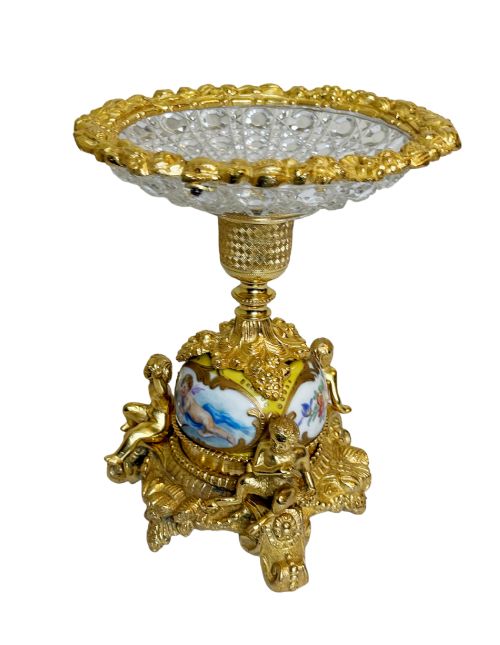
- A shallow ornamental bowl or cup set upon a pedestal foot, used historically for serving fruit or sweets.
Hand Painted Fruit Porcelain: Frequently Asked Questions
What is hand painted fruit porcelain?
Hand painted fruit porcelain consists of ceramic vessels and plates decorated with individual, hand-rendered studies of orchard fruit, most frequently seen on British cabinet plates from the nineteenth and twentieth centuries.
These pieces were produced by skilled artists working in notable factories, capturing naturalistic details such as bruised skins, dew drops, and ripe foliage.
How were cabinet plates used?
Cabinet plates were designed for visual display rather than functional use at the dining table. Owners placed them in glazed cabinets, mounted them on walls, or set them on sideboards to demonstrate taste and wealth.
Because they avoided daily wear, the painted fruit surfaces and gilded edges on many surviving examples remain well preserved.
Who painted these porcelain fruit scenes?
Many fine fruit studies were painted by specialist ceramic artists employed by major potteries. Certain artists signed their work directly onto the front or back of the porcelain.
Recognised painters often specialised exclusively in fruit, floral, or landscape subjects, developing high levels of technical proficiency over decades.
How do I care for antique porcelain?
Antique porcelain requires gentle handling, regular dusting with a soft dry cloth, and avoidance of abrasive cleaning materials. Display pieces should sit securely away from heavy traffic areas or direct, intense heat.
Hand-painted enamels and delicate gold leaf can wear away over time if washed frequently in modern dishwashers or scrubbed.
How can I tell periods apart?
Periods can be distinguished through factory backstamps, paste composition, and the prevailing artistic style of the decoration. Georgian and Regency pieces often feature looser brushwork and hand-potted bodies, while Edwardian and later twentieth-century pieces display dense, photographic realism in their fruit painting.
Reference marks on the underside of plates and bowls provide specific clues to dates of manufacture.