

Hand Painted Folk Art
Hand painted folk art brings unpretentious domestic character and vibrant regional tradition straight into modern interiors through authentic domestic objects.
Hand Painted Folk Art
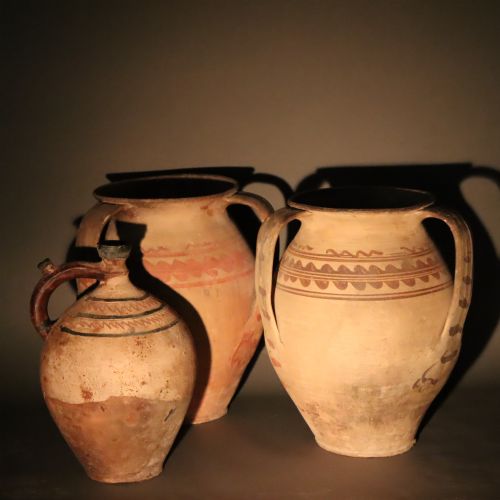
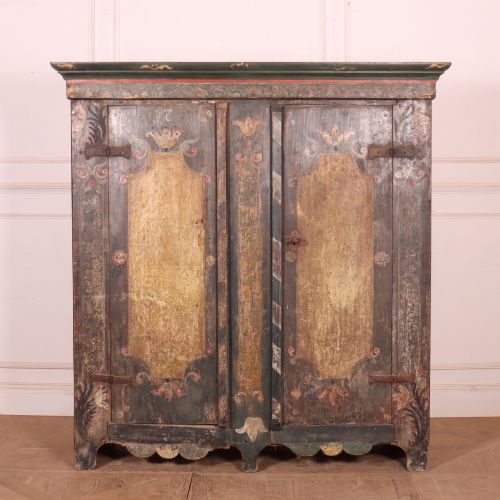
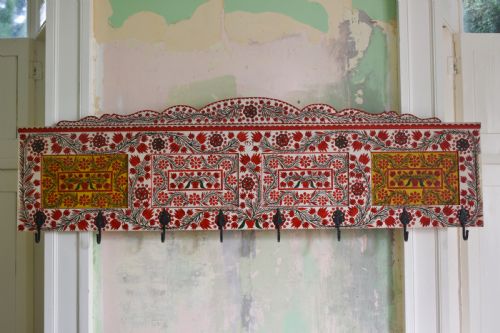
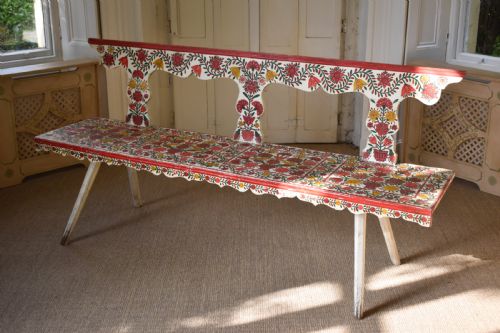
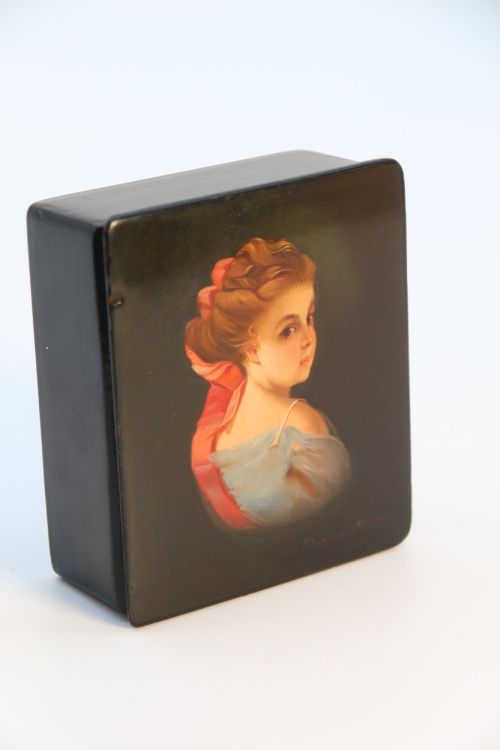
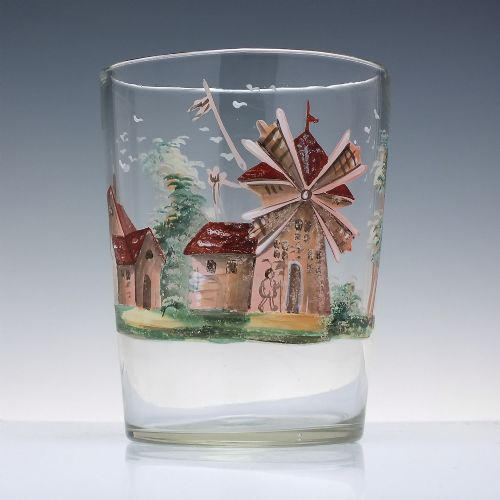
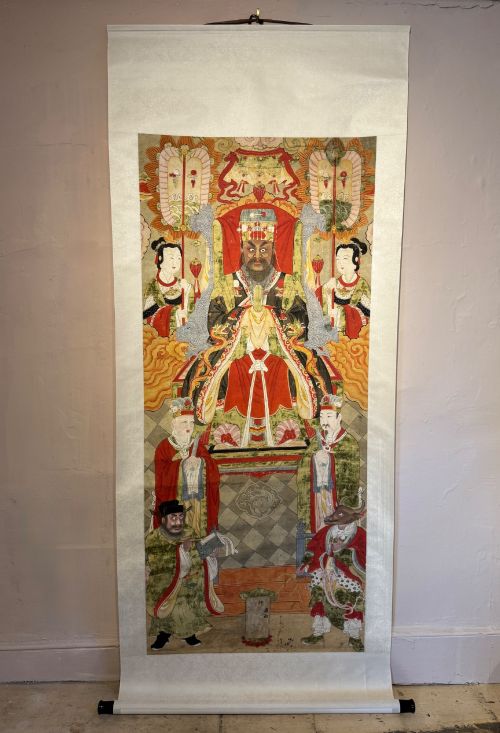
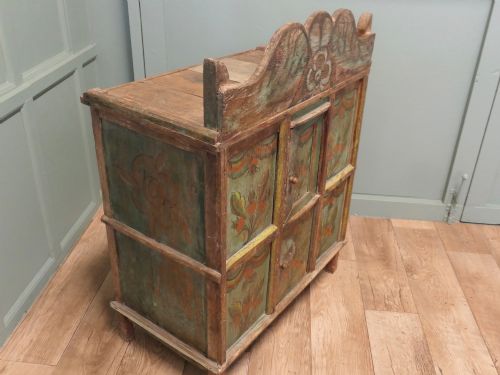
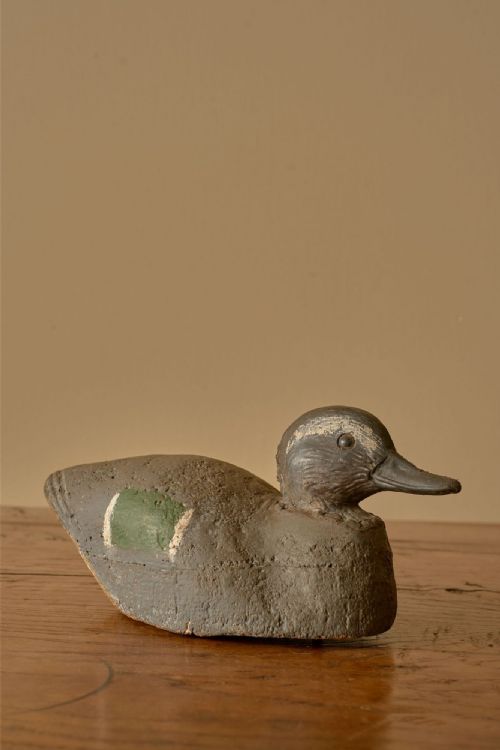
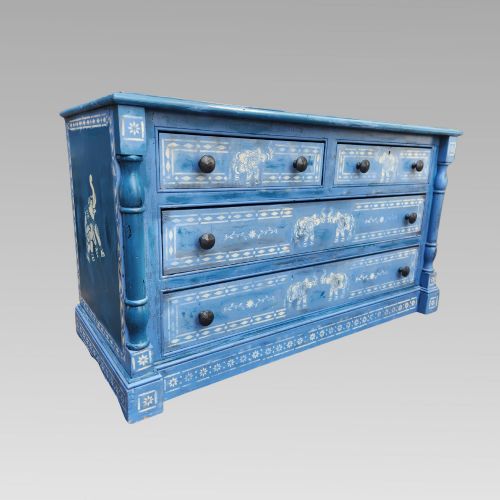
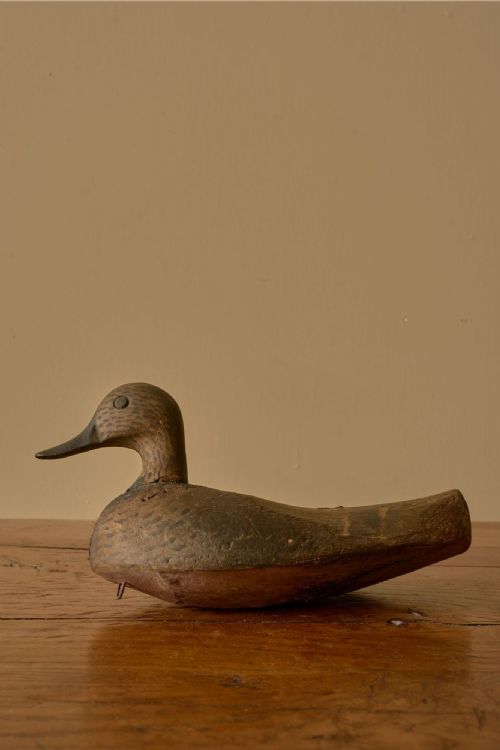
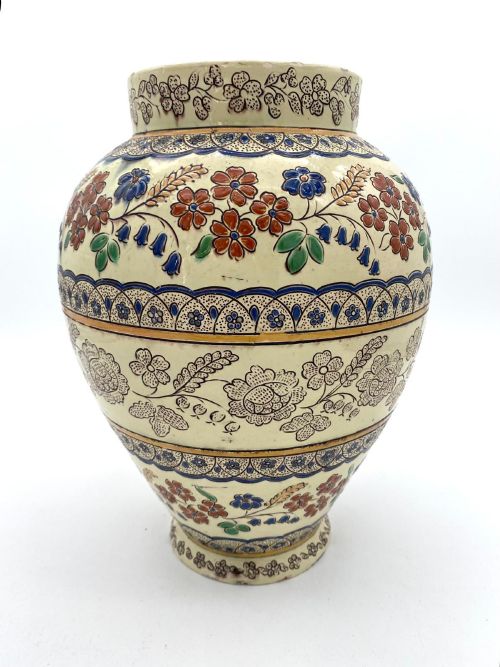
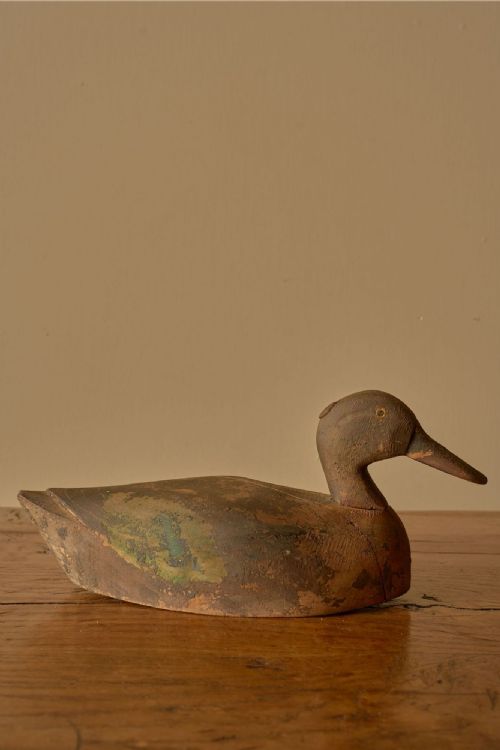
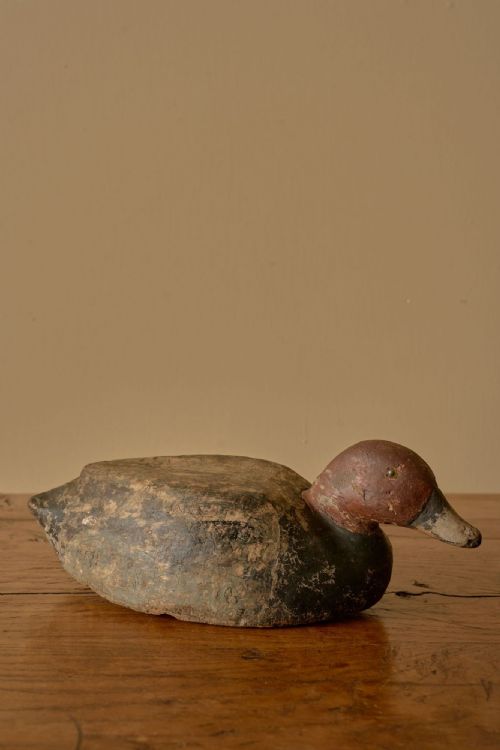
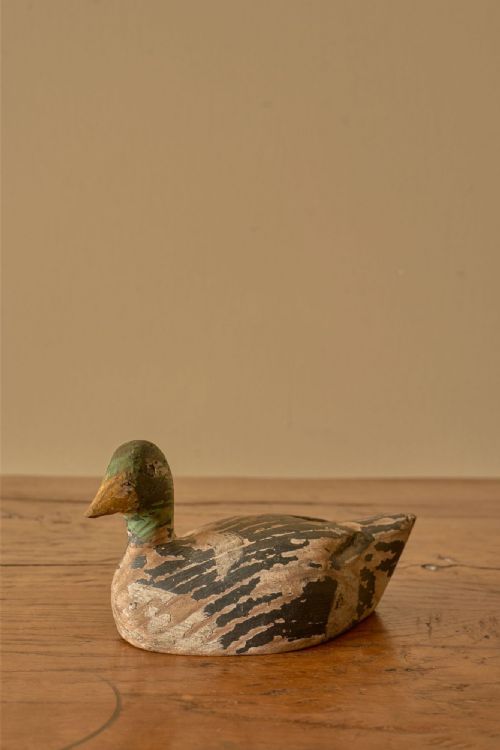
When you search for hand painted folk art, you encounter a diverse array of utilitarian items, domestic furnishings, and decorative sculptures created by vernacular makers across Britain, Scandinavia, continental Europe, and beyond. These pieces bridge everyday domestic function and naive artistic expression, recording regional traditions through pigment applied directly to wood, metal, ceramic, and textile. Buyers often meet traditional forms such as painted wooden chests, carved decoy ducks, wall art, and storage boxes originating from the eighteenth, nineteenth, and early twentieth centuries.
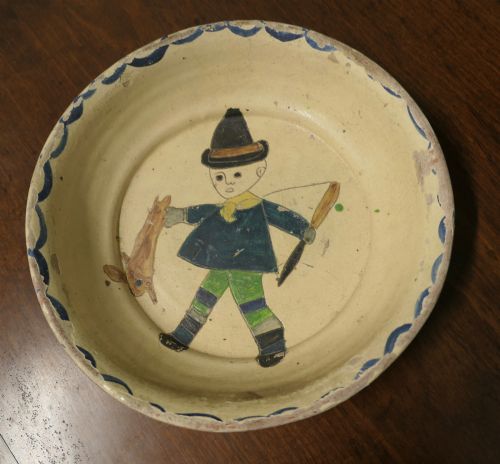
Scandinavian country items and regional British pieces dominate the selection, alongside items reflecting Italian, French, Alpine, and Russian folk traditions. Furniture ranges from marriage chests and cupboards to drop-leaf tables and side tables, while smaller items include bird boxes, tobacco containers, pottery bowls, and carved animal sculptures. Each surviving object demonstrates how ordinary households and local workshops decorated their immediate environment using available materials and straightforward techniques.
How they were made
Makers relied primarily on native timbers such as pine, walnut, beech, and mahogany, shaping them with hand tools into panels, solid boxes, and functional furniture. Iron strapwork and forged hinges provided structural reinforcement for larger items like silver chests and marriage coffers.
Decoration relied on applied paint layers, lacquer, and occasionally carved relief work to bring surface patterns and figurative scenes to life. Pigments were brushed onto wood, ceramic surfaces, or fabric wall art, often finished with protective glazes or left with a matte, chalky patina that weathered through decades of domestic use.
Hand Painted Folk Art Retail Price Guide 2026
Typical asking prices for hand painted folk art among the pieces listed under this phrase on Sellingantiques today, from the lower quarter to the upper quarter. They describe what is for sale here now, not the wider market.
A painted wooden sculpture of a Saint Bernard rescue dog stands ready to assist weary travellers across the room.
What varies in quality
The strength of the painted surface and the integrity of the original pigment dictate much of the visual impact across these items. Pieces retaining their early or primary painted decoration hold greater direct connection to their period of origin compared to objects with later overpainting or refreshed surfaces.
The balance between the utility of the object and the confidence of the naive execution sets apart the more compelling examples. Well-proportioned forms with expressive brushwork and substantial construction demonstrate superior vernacular craftsmanship from regional workshops.
R.D. Roberts·Vishnyakov Workshop
The Hand Painted Folk Art Glossary
- Folk art
- Artistic expression created within a community rather than by formally trained academic artists, encompassing utilitarian objects decorated with traditional regional motifs. These pieces reflect local customs rather than metropolitan fashion.
- Primitive
- A descriptive term for objects made with straightforward, unpretentious techniques that lack refined academic polish. It denotes directness of construction and naive charm.
- Decoy
- A carved and painted wooden representation of a bird or animal originally used in hunting. Surviving examples are valued for their sculptural form and expressive surface paint.
- Tramp art
- An architectural style of woodworking where items are chipped, notched, and layered from discarded materials like cigar boxes. It represents a resourceful form of folk handicraft.
- Faïence
- Tin-glazed earthenware produced in various European traditions, particularly associated with French potteries. It provides a smooth white ground for hand-painted botanical or figurative designs.
Hand Painted Folk Art: Frequently Asked Questions
How do I identify genuine folk art?
Examine the materials, construction methods, and wear patterns to see if they align with the stated period. Genuine vernacular pieces display natural ageing, authentic tool marks, and hand-applied pigments consistent with regional workshops.
Look closely at the surface paint for natural craquelure and integration with the substrate. Modern reproductions or later decorative additions often fail to replicate the subtle patination earned through decades of domestic handling.
Where were these pieces made?
Items originate from various rural communities across Britain, Scandinavia, Russia, France, Italy, and Alpine regions. Each area developed distinct palettes, timber choices, and decorative motifs that reflected local daily life.
Domestic items were produced by regional carpenters, potters, and household makers who adapted metropolitan styles into accessible vernacular forms. This geographical diversity gives each object its specific regional identity.
How should I care for painted wooden surfaces?
Keep painted wooden objects away from direct sunlight and steady moisture to prevent the pigment from fading or lifting. Maintain a stable indoor environment to protect dry historic timbers from warping.
Dust surfaces gently with a soft, dry cloth and avoid harsh chemical cleaners that can strip original paint layers. Preserving the existing patina ensures the historic character remains intact.
How do I date an antique painted box?
Inspect the internal construction, joinery methods, and hardware such as iron strapwork or hinges for period-appropriate manufacture. Hand-forged elements and pegged joints typically indicate earlier nineteenth-century or eighteenth-century origins.
Analyze the paint type, pigment wear, and colour palette alongside the timber species used. Comparing the decorative motifs to documented regional styles helps narrow down the decade of production.