
Hand Painted Floral Jar
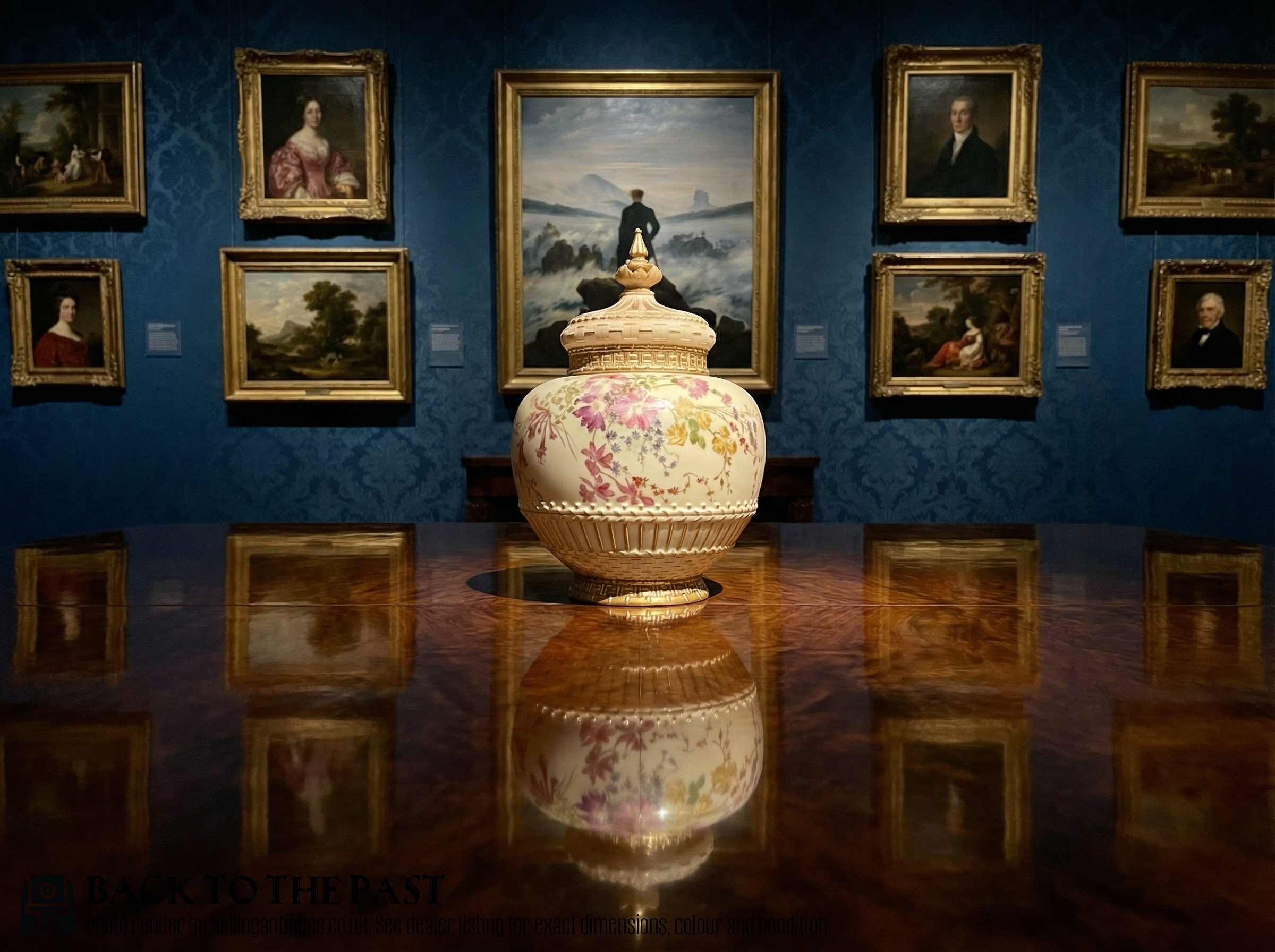
A hand painted floral jar brings together centuries of ceramic tradition and botanical decoration, offering a focal point for any room.
Hand Painted Floral Jar
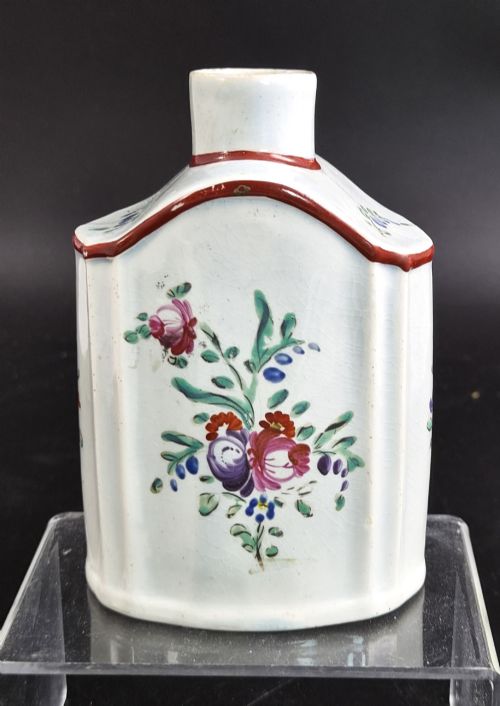
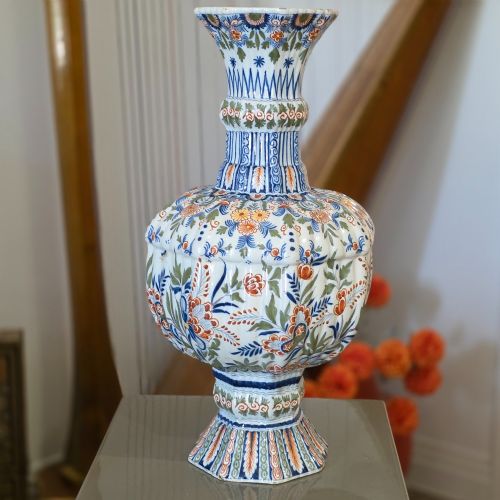
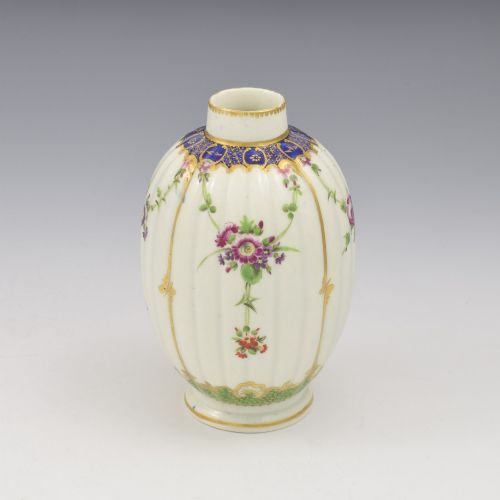
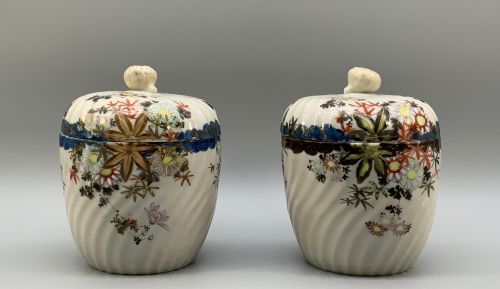
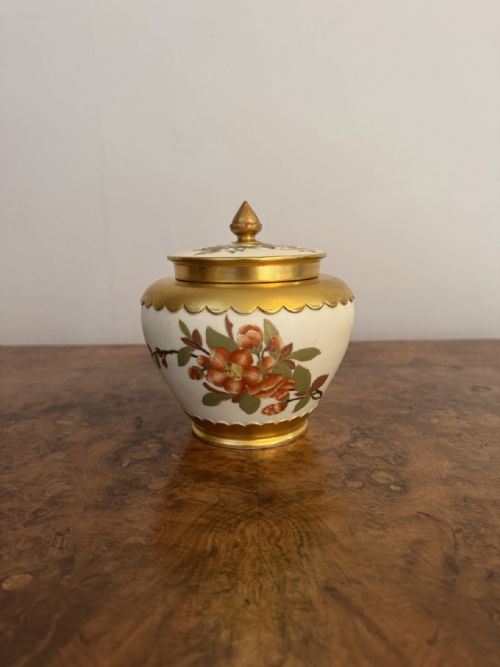
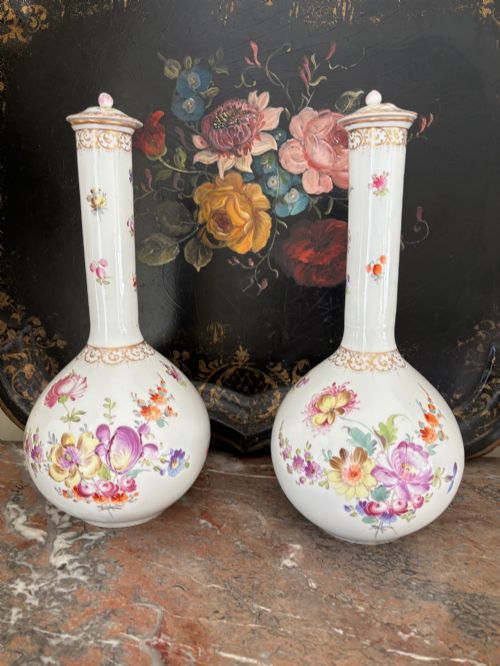
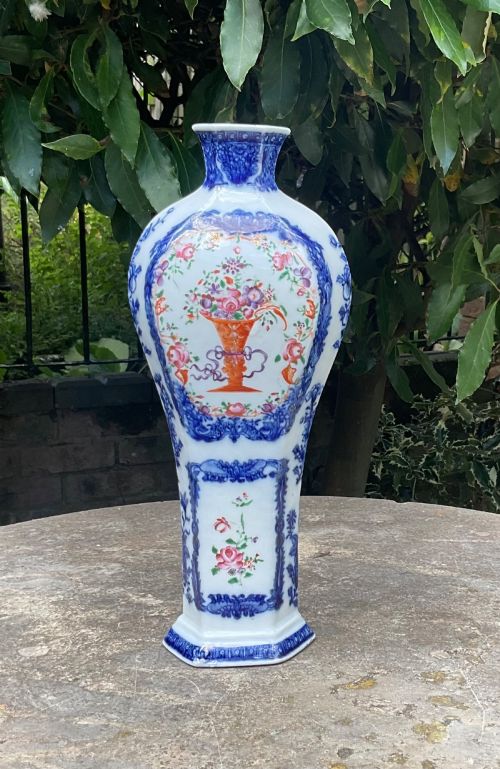
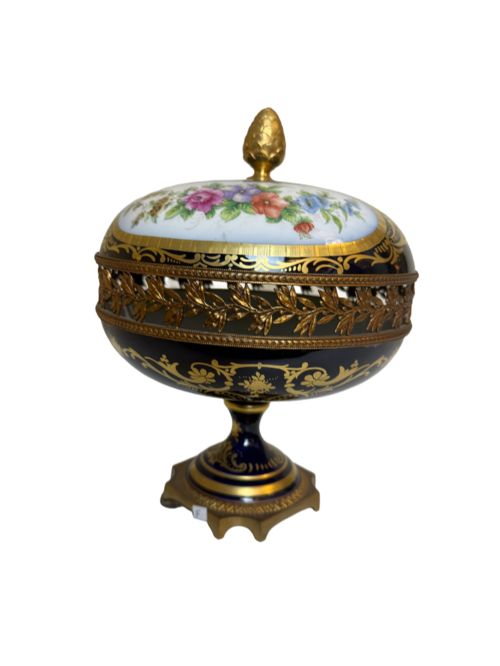
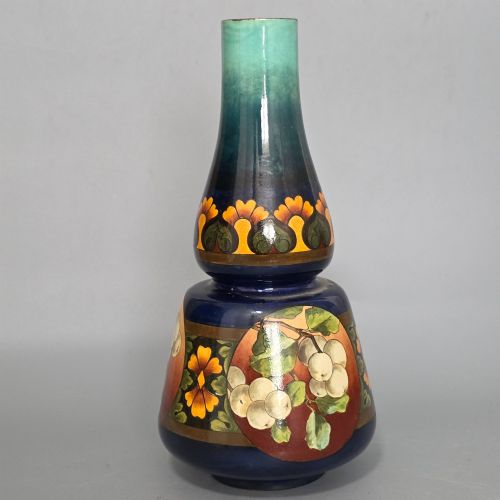
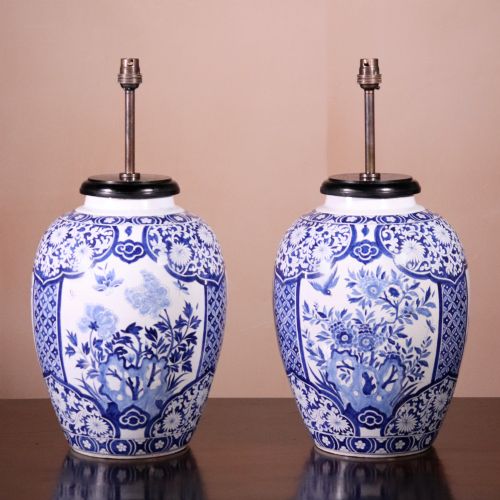
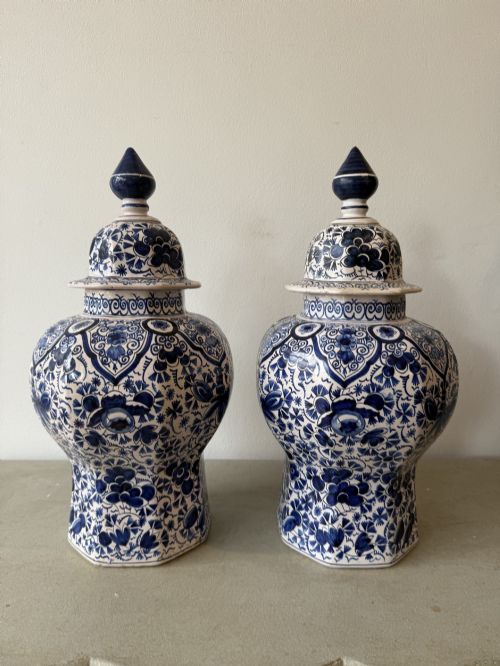
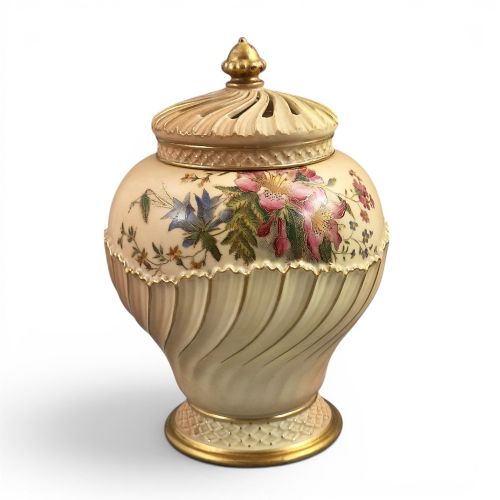
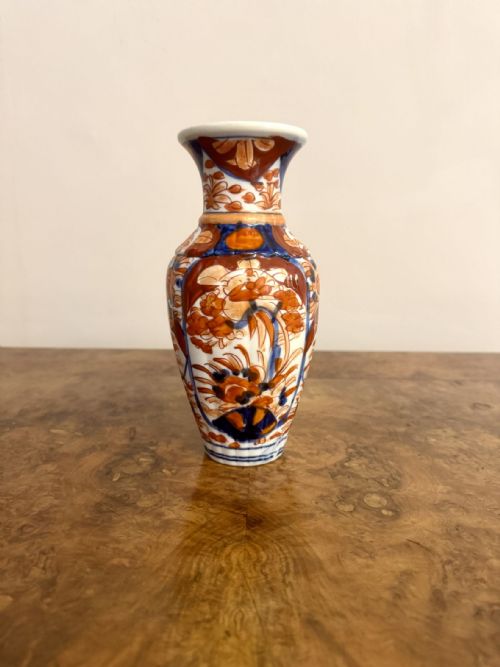
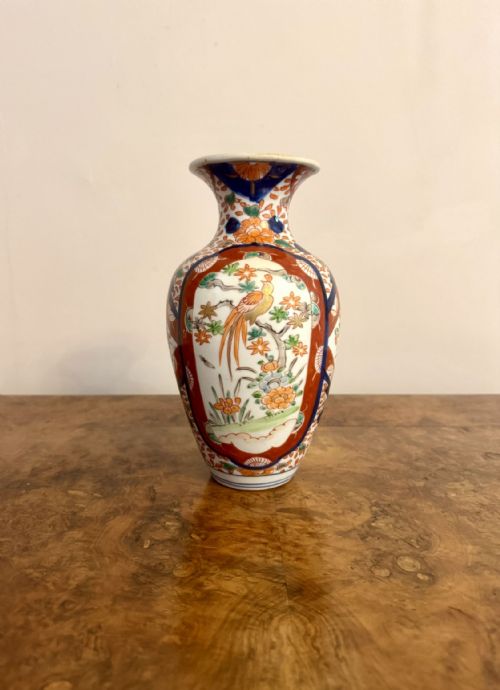
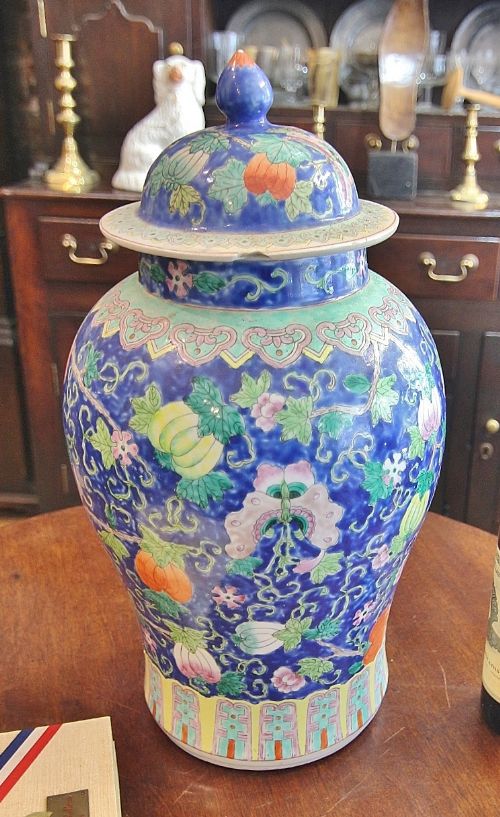
When searching for a hand painted floral jar, collectors encounter a diverse array of lidded vessels, ginger jars, and decorative urns spanning the eighteenth, nineteenth, and early twentieth centuries. These pieces cross numerous traditions, including Japanese Imari, Chinese export porcelain, Dutch Delft, and English factories such as Royal Worcester and Doulton. The form itself ranges from bulbous ginger jars to tall baluster vases and lidded potpourri containers designed to hold dried flowers or sit purely for display.
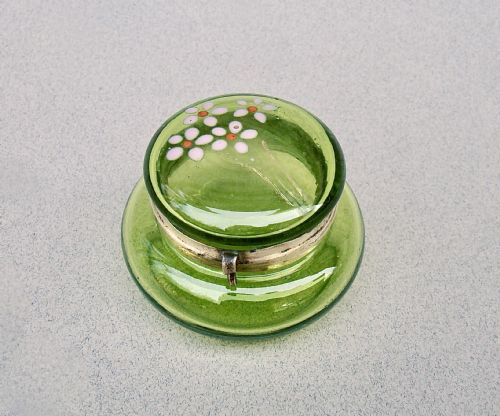
The most common examples on this page date from the nineteenth century, reflecting both European revival styles and imported wares from East Asia. Makers utilised porcelain, earthenware, and glass as canvases for intricate botanical motifs rendered by hand. Whether large scale lidded pots or smaller tea caddies converted into decorative objects, each piece displays the distinct palette and brushwork of its period of origin.
How they were made
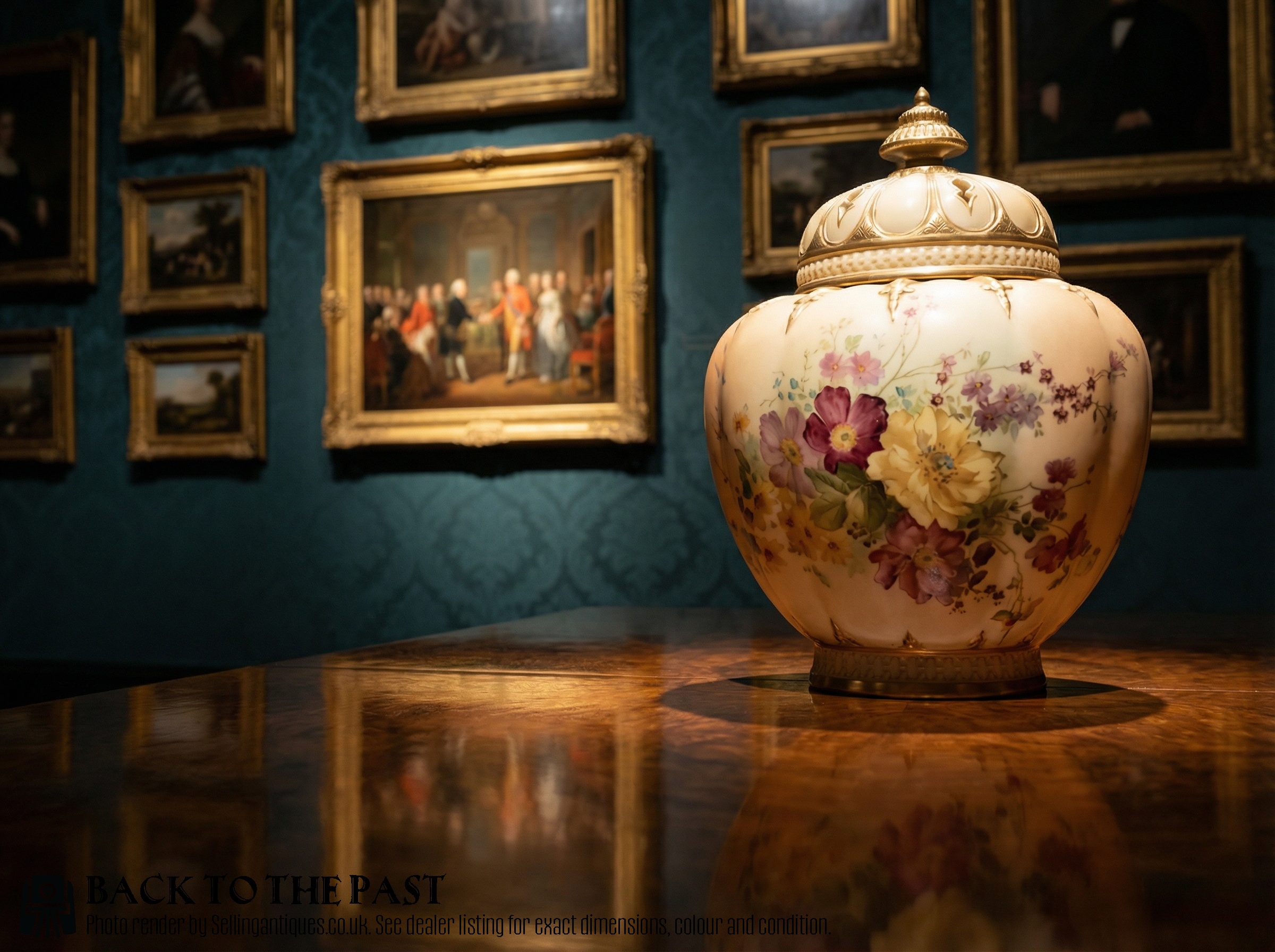
Makers shaped these vessels using traditional ceramic bodies including porcelain, earthenware, and faience, alongside blown glass for certain nineteenth-century examples. Artisans applied pigments by hand before or after glazing, frequently incorporating enamel and gold leaf or gilding to highlight floral details.
Techniques varied from the underglaze blue and white painting seen on Delft and Chinese export pieces to the polychrome enamel work characteristic of Japanese Imari and Satsuma wares. Kiln firing temperatures determined the vitrification of the ceramic body and the permanence of the painted surface.
Hand Painted Floral Jar Retail Price Guide 2026
Typical asking prices for hand painted floral jar among the pieces listed under this phrase on Sellingantiques today, from the lower quarter to the upper quarter. They describe what is for sale here now, not the wider market.
Listings feature pieces spanning the eighteenth to the twentieth centuries, utilising porcelain, earthenware, glass, and enamel.
What varies in quality
The distinction between standard commercial production and finer work lies primarily in the execution of the hand-painted decoration and the crispness of the ceramic form. Superior pieces exhibit confident brushwork, a well-balanced composition of floral motifs, and precise application of enamel or gilding.
Factory attribution also influences standing, with documented pieces from notable makers or specific periods commanding greater interest from collectors. The preservation of original covers on lidded jars and the stability of the glaze further define the overall integrity of a piece.
Royal Worcester·Doulton Lambeth·Sitzendorf·Limoges·Kinkozan·Herend·Royal Winton·Samuel Alcock
The Hand Painted Floral Jar Glossary
- Ginger jar
- A wide-mouthed storage vessel originating in China, typically featuring a rounded body and a matching lid, later adopted by European potteries for decorative use.
- Imari
- A style of Japanese porcelain characterised by underglaze blue and overglaze red, gold, and other colours, heavily featuring floral and patterned panels.
- Potpourri
- A lidded jar or bowl pierced with holes to release the scent of dried flower petals and spices contained within.
- Baluster
- A vase shape with a rounded lower body that tapers toward the neck, resembling a traditional architectural support.
- Famille rose
- A major palette of Chinese ceramic glazes introduced in the eighteenth century, distinguished by opaque pink or rose enamel colours used for floral designs.
Hand Painted Floral Jar: Frequently Asked Questions
What were lidded jars originally used for?
Many lidded vessels served practical purposes such as storing tea, ginger, or spices in domestic kitchens and parlours. Over time, decorative jars became primarily ornamental items displayed on mantelpieces or cabinets.
Smaller lidded pots often held potpourri to fragrance rooms before modern air fresheners existed.
How do I care for an antique ceramic jar?
Keep delicate ceramic and glass vessels out of direct sunlight to prevent the fading of hand-painted enamel and gold leaf highlights. Dust gently with a soft dry cloth.
Avoid using water or cleaning solutions on pieces with overglaze decoration, as old pigments can be sensitive to moisture.
How can I tell the period of a floral jar?
Examine the base of the vessel for factory marks, stamps, or handwritten signatures that correspond to known operating dates. The style of the floral painting and the composition of the ceramic body also offer clues.
European pieces often reflect nineteenth-century revival aesthetics, while Asian exports show traditional regional motifs.