




Victorian Porcelain Pot Pourri
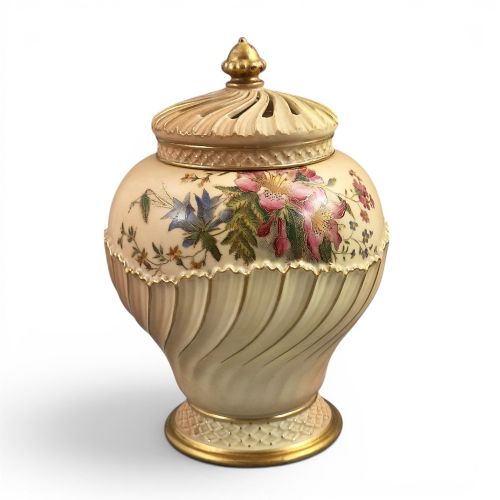
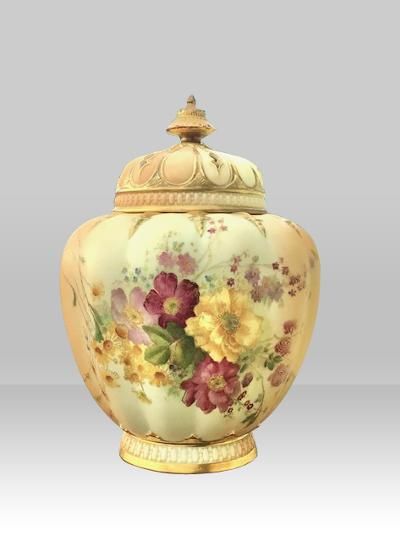
These Victorian porcelain pot pourri vessels bring scented dried leaves into a room through pierced ceramic covers.
Victorian Porcelain Pot Pourri
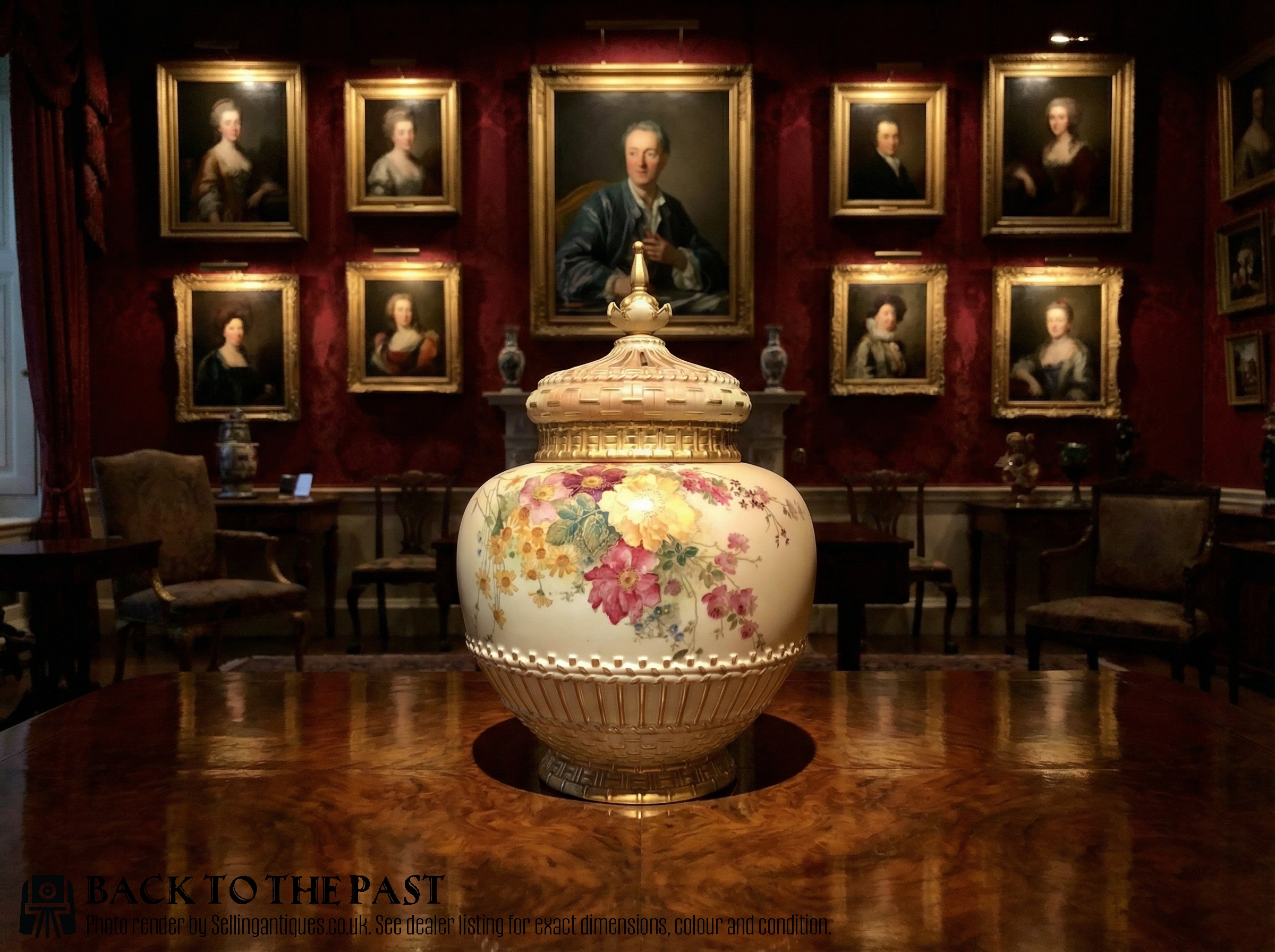
A search for Victorian porcelain pot pourri reveals ceramic vases, jars, and urns designed to hold fragrant botanicals within covered vessels. These pieces range from mid-century productions to later Edwardian iterations, appearing frequently in blush ivory ground finishes.
The objects take various forms, including ovoid jars, pedestal vases, and vessels featuring crown covers. Many examples incorporate pierced or reticulated lids that allow the scent of pot pourri to disperse into a parlour or drawing room.
While the style bridges several decades, the pieces often display Victorian Rococo Revival influences or late Victorian decorative schemes. Makers span from mid-century firms to extensive Royal Worcester outputs from the turn of the twentieth century.
Materials and manufacture
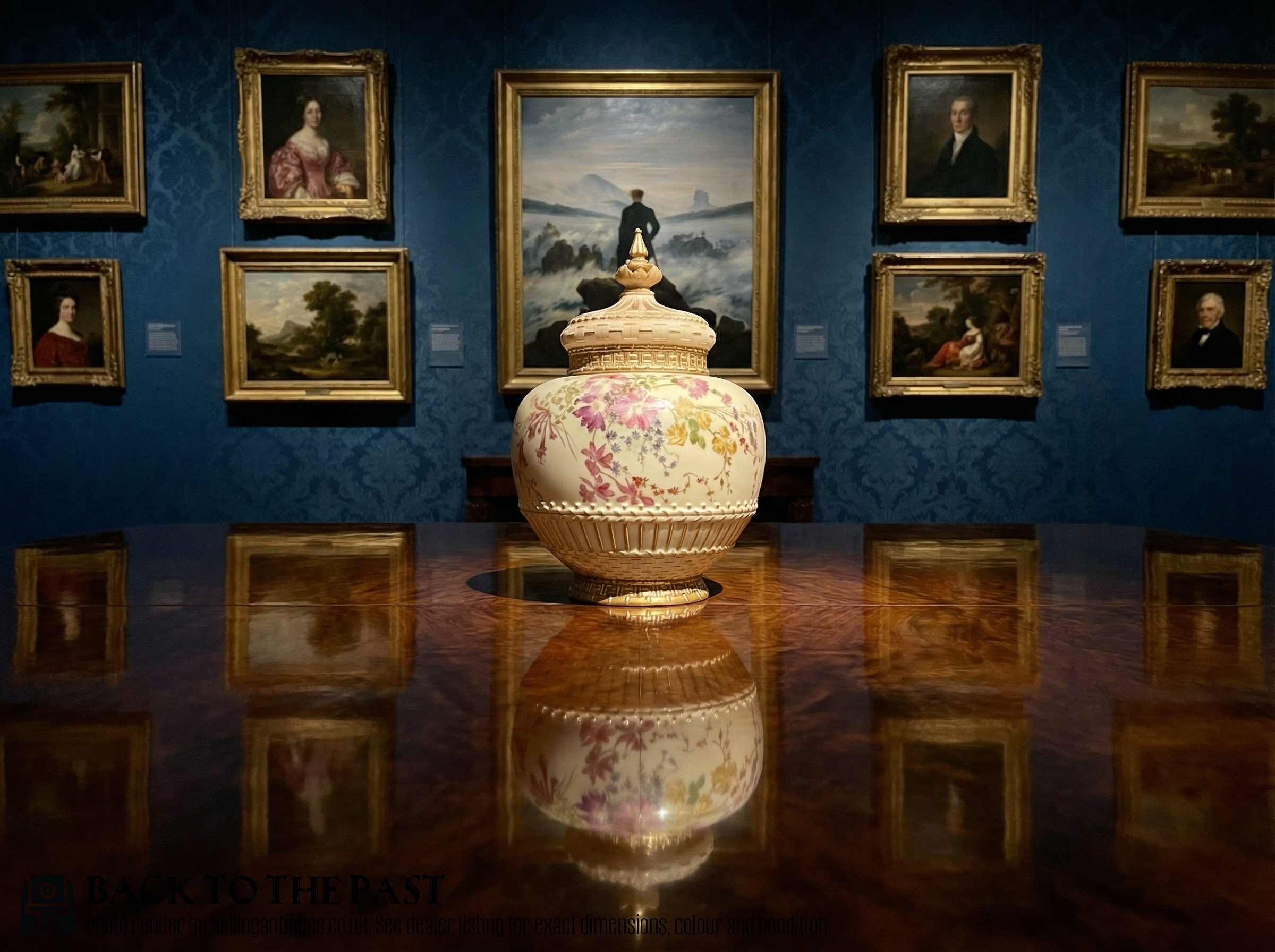
These vessels are formed from ceramic porcelain, shaped into bodies, jars, and vases with matching covers. Artisans utilised intricate mouldings to create pedestal bases and crown lids suited for ornamental display.
Decoration relies on applied enamel colours and hand-painted motifs, such as flying swans. Gilding, gilt work, and gold leaf enrich the ceramic surfaces, particularly around handles, rims, and borders.
The listings feature porcelain, gilding, enamel, and gold leaf applied across Victorian and Edwardian periods.
Judging quality in pot pourri vessels
Quality rests upon the delicacy of the ceramic body and the precision of the pierced or crown covers. Finely painted details, such as bird studies, separate standard production items from superior works.
The application of gilding and enamel work dictates the finish of the piece. Crisp moulding lines and well-preserved surface gilding indicate higher craftsmanship.
Royal Worcester·Samuel Alcock·Minton
The Victorian Porcelain Pot Pourri Glossary
- Blush ivory
- A soft, creamy ceramic ground colour developed by potteries to mimic ivory. This finish often serves as a backdrop for floral or animal painting.
- Crown cover
- A raised, domed lid with openings or architectural shaping resembling a crown. It sits atop the vase to contain the botanical contents while permitting airflow.
- Rococo Revival
- A nineteenth-century design style reviving the asymmetrical scrolls, curves, and shell motifs of the eighteenth century. This aesthetic influences the shaping of many Victorian vases.
- Gilding
- The application of gold leaf or gilt paint to ceramic surfaces. It highlights rims, handles, and decorative borders.
Victorian Porcelain Pot Pourri: Frequently Asked Questions
What is a pot pourri jar used for?
These vessels held dried flower petals and spices mixed with fixatives to scent Victorian living spaces. The pierced covers allowed the fragrance to drift slowly into the room.
Today, they function as decorative mantel or table centrepieces, retaining their original aesthetic purpose even without the botanical contents.
How do I distinguish Edwardian pieces from mid nineteenth century items?
Pieces from the later periods frequently display blush ivory grounds and naturalistic bird or floral painting characteristic of the early nineteen hundreds. Mid-century examples often lean towards heavier gilding and Rococo Revival forms.
Examining the underlying ceramic body and any factory marks helps clarify the specific date of manufacture.
Are the covers removable?
Most jars and urns feature a lifting lid, crown cover, or pierced top designed to be lifted off for filling and emptying. These covers are separate components made to match the body of the vase.
Care should be taken when handling vessels with pierced ceramic lids, as the delicate openwork represents the most fragile part of the object.
Where should I display a porcelain pot pourri vase?
These decorative jars suit stable surfaces like mantelpieces, side tables, or cabinets where they remain protected from accidental knocks. Placing them away from direct sunlight preserves the enamel colours and gilding.
Allowing sufficient space around the vessel highlights its form and pierced cover details.