




Antique Porcelain Storage Jar
An antique porcelain storage jar brings hand-painted colour and practical history into a modern room, holding everything from tea to biscuits.
Antique Porcelain Storage Jar
An antique porcelain storage jar is a lidded vessel designed to hold provisions, dry goods, or precious ingredients while offering a decorative finish. The selections here span the nineteenth and early twentieth centuries, drawing on Victorian, Edwardian, and Asian regional traditions.
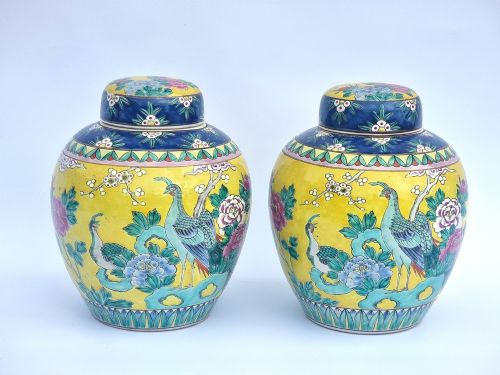
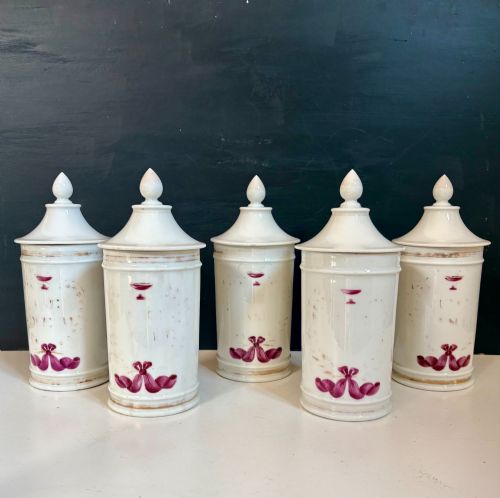
Buyers will encounter various forms, including ginger jars, biscuit barrels, apothecary containers, and tea caddies. These pieces often feature fitted covers and regional motifs ranging from Chinese blue and white patterns to Japanese Imari designs.
The materials include traditional porcelain, ceramic, and earthenware, sometimes complemented by silver plate mounts or gilt enamel. Each specimen reflects the domestic and decorative storage needs of its specific period.
Materials and construction methods
The construction relies on fired porcelain or ceramic bodies shaped into lidded jars and canisters, frequently finished with a protective glaze. Makers employed hand-painted techniques and blue and white pigments to decorate the surfaces.
Some vessels incorporate secondary materials such as silver plate fittings, enamel detailing, and gilding. These additions secure the covers and elevate the decorative appeal of the storage containers.
Antique Porcelain Storage Jar Retail Price Guide 2026
Typical asking prices for porcelain storage jar among the pieces listed under this phrase on Sellingantiques today, from the lower quarter to the upper quarter. They describe what is for sale here now, not the wider market.
Honey jars and snuff bottle canisters share shelf space with biscuit barrels, proving the Victorians stored everything in style.
Assessing quality in storage jars
Quality rests in the precision of the hand-painted brushwork and the clarity of the glaze across the porcelain surface. Finer examples display crisp detailing in traditional motifs without blurring or smudges.
The presence of original mounts, such as silver plate lids or matching covers, elevates the standing of a piece. Well-preserved gilding and intact enamel work further distinguish superior specimens from simpler utility vessels.
Samuel Alcock and Co·Crown Devon·Herend·Royal Worcester
The Antique Porcelain Storage Jar Glossary
- Ginger jar
- A wide-mouthed bulbous storage vessel originally used for shipping spices and preserved ginger, later adopted for general display.
- Biscuit barrel
- A lidded container used in Edwardian and Victorian dining rooms to keep dry baked goods fresh at the table.
- Apothecary jar
- A utilitarian vessel designed to hold medicinal ingredients, herbs, or compounds in a dispensary or shop.
- Tea caddy
- A small lidded container built to store dry tea leaves safely away from moisture and light.
- Kamcheng
- A traditional lidded ceramic jar originating from Asian regional production, often decorated with polychrome enamels.
- Cracklazed
- A deliberate network of fine decorative fissures within the ceramic glaze, common in certain Eastern traditions.
Antique Porcelain Storage Jar: Frequently Asked Questions
What were antique storage jars used for?
These vessels stored everyday household goods such as tea leaves, biscuits, spices, and medical supplies in domestic and commercial settings.
Their lidded designs kept contents dry and protected from pests before modern packaging existed.
How do I date an antique jar?
Dating relies on stylistic markers, manufacturing techniques, and any painted or impressed factory marks found on the base.
Comparing the glaze type and decorative motifs against known Victorian, Edwardian, or Asian periods helps narrow the origin.
Can I use them for food storage today?
Many of these vessels remain structurally sound for holding dry goods, though historic glazes require gentle hand washing.
Modern users often display them on open shelves or repurpose them for dry kitchen provisions.
What is the difference between a ginger jar and a tea caddy?
Ginger jars typically feature a rounded, bulbous body with a wide opening designed for bulk storage or shipping.
Tea caddies are usually smaller and more compact, specifically proportioned to preserve aromatic tea leaves.
How should I clean antique porcelain?
Dusting with a soft, dry cloth is usually sufficient for everyday maintenance of painted and glazed surfaces.
If washing is necessary, use lukewarm water and mild soap, avoiding harsh scrubbing that might damage gilding.