
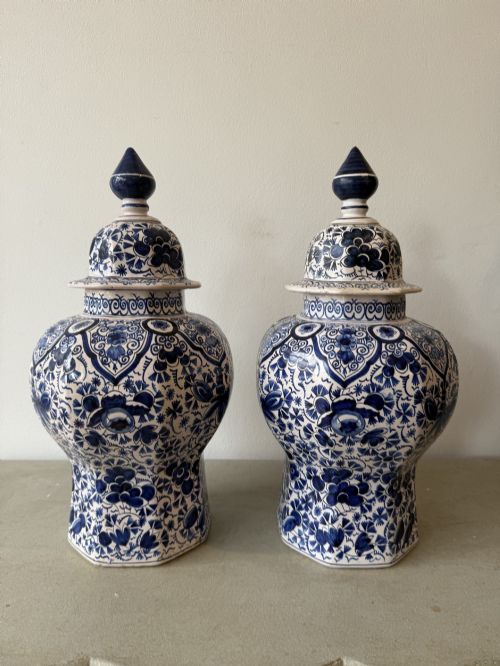


Hand Painted Dutch Vase
A hand painted dutch vase brings centuries of ceramic artistry into a room, offering classic blue and white patterns or vibrant polychrome finishes.
Hand Painted Dutch Vase
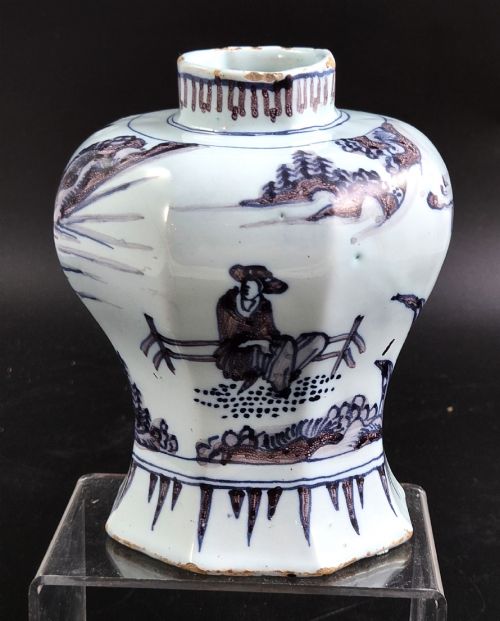
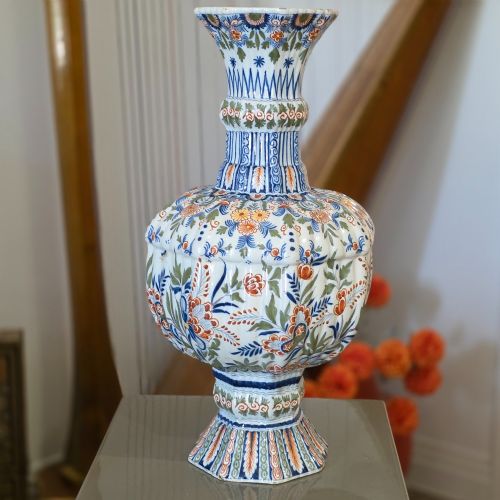
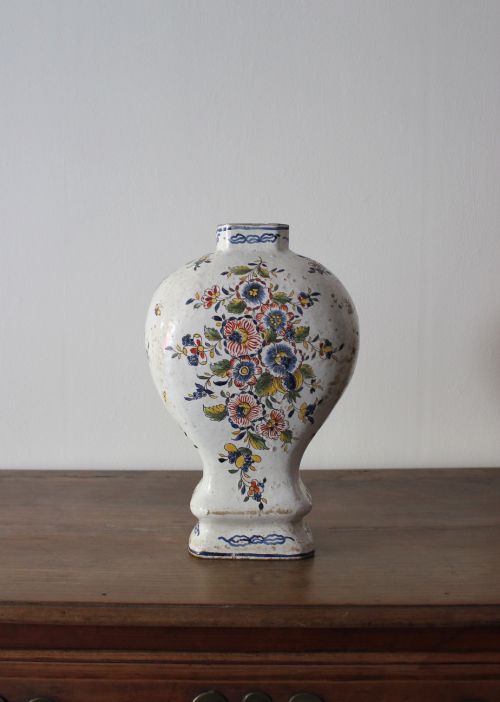
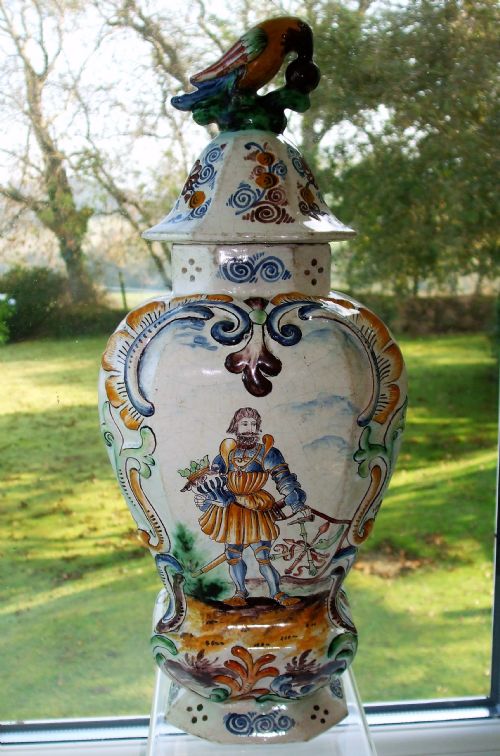
When searching for a hand painted dutch vase, buyers encounter traditional tin-glazed earthenware vessels from periods ranging across the seventeenth, eighteenth, and nineteenth centuries. These pieces appear in various forms, including baluster shapes, lidded jars, beaker vases, and garden urns.
Conversion pieces also emerge within these listings, including vases adapted into table lamps or fitted with clock mechanisms. These functional transformations reflect how historic ceramics found continued use in domestic interiors over subsequent generations.
How they were made
Potters shaped earthenware and tin-glazed pottery on the wheel or in moulds before applying an opaque white tin glaze. Artisans then painted directly onto this absorbent surface using cobalt pigment and other mineral colours.
The painted pieces underwent high-temperature firing to fuse the pigments with the glaze, creating a durable and lustrous finish. Certain later works utilise porcelain bodies paired with flowing Art Nouveau organic forms and hand painted details.
A seventeenth-century master potter once painted a gourd-shaped vessel so delightfully plump it still refuses to sit entirely straight.
What varies in quality
Quality rests upon the crispness of the hand painted brushwork and the complexity of the decorative scheme, distinguishing master execution from simpler production. Finer vessels display confident lines and balanced compositions across baluster bodies and ribbed beaker shapes.
The depth and consistency of the tin glaze and cobalt pigment further separate standard examples from superior works. Preservation of the original glaze surface and the integrity of covers on lidded vases contribute significantly to a piece's standing.
Louis Victor·Rozenburg
The Hand Painted Dutch Vase Glossary
- Delftware
- Tin-glazed earthenware made in the Netherlands, particularly in Delft, known for blue and white designs. This tradition forms the core of historic Dutch ceramic production.
- Tin glaze
- An opaque white glaze containing tin oxide applied to earthenware before painting. It provides the characteristic pale background for cobalt pigment decoration.
- Chinoiserie
- European interpretations of Chinese artistic motifs, popular on seventeenth and eighteenth-century ceramics. These designs often feature imaginative landscapes, birds, and floral arrangements.
- Polychrome
- Decoration employing multiple colours rather than a single pigment like blue. On these ceramics, it typically involves a palette of greens, reds, yellows, and oranges.
- Baluster
- A vase form with a rounded lower body that tapers towards the neck. This distinctive shape frequently appears in historic Delftware jars and vases.
Hand Painted Dutch Vase: Frequently Asked Questions
How do I identify a seventeenth century piece?
Seventeenth century pieces often display early Chinoiserie motifs, robust tin glazes, and distinct cobalt blue painting styles that reflect the period's trade influences.
Examining the base and the weight of the earthenware helps distinguish these earlier works from later nineteenth century revivals.
What is a lidded jar used for?
Lidded jars and baluster vases were traditionally designed to store spices, dry goods, or aromatic herbs in affluent households. Their decorative painted surfaces also made them prominent display items on mantelpieces and cabinets.
Over time, many lost their matching covers, making surviving pairs with original lids particularly notable.
Can I use a vase as a lamp?
Many historic vases are converted into table lamps to integrate them into modern domestic lighting schemes. These adaptations often involve wiring run through the centre or fitted to the top without altering the ceramic body permanently.
Rewired pieces combine period aesthetics with contemporary electrical standards for safe daily use.
How do I care for tin glazed earthenware?
Tin glazed earthenware requires gentle cleaning with a soft, dry cloth to remove dust. Avoid using water or chemical cleaners on antique ceramic surfaces, especially where the glaze shows historic craquelure.
Displaying pieces away from direct sunlight and sudden temperature shifts preserves the stability of the glaze and pigments.