



Hand Painted Chinese Urns
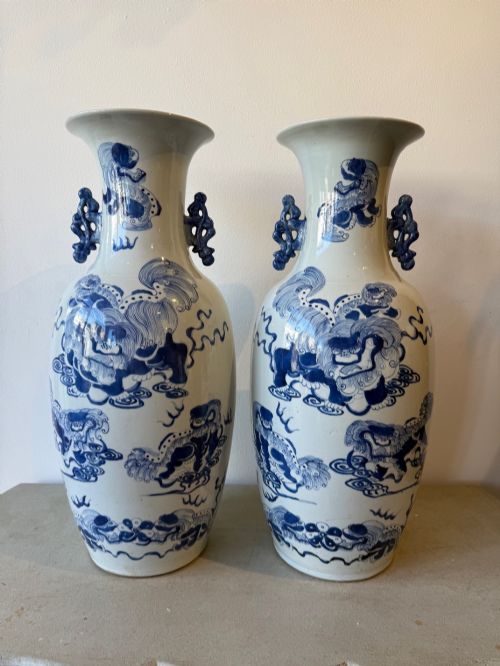
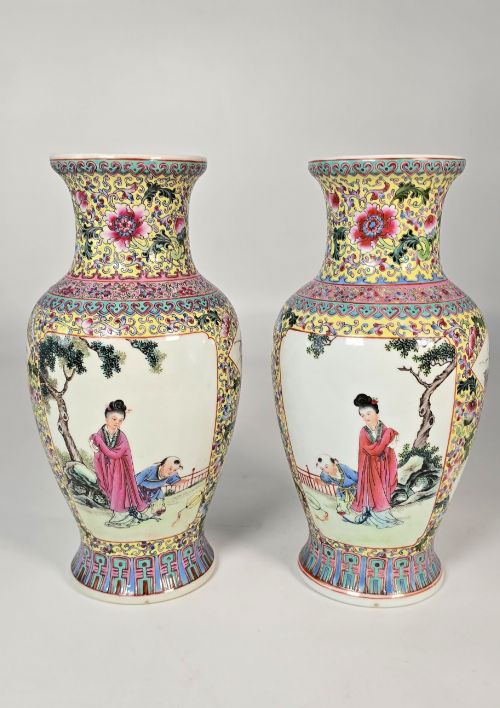
Hand painted Chinese urns bring centuries of ceramic artistry into a room, offering striking focal points decorated with figures, dragons, and florals.
Hand Painted Chinese Urns
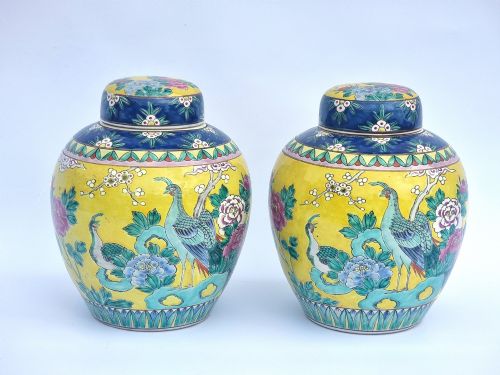
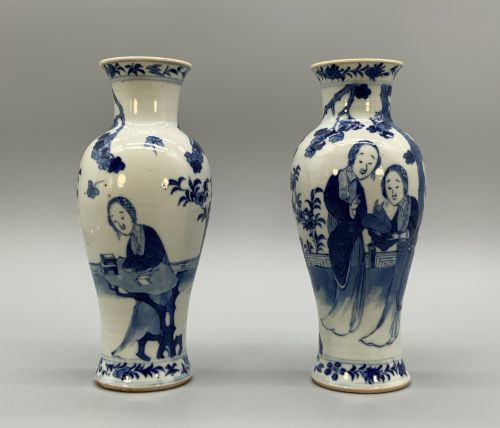
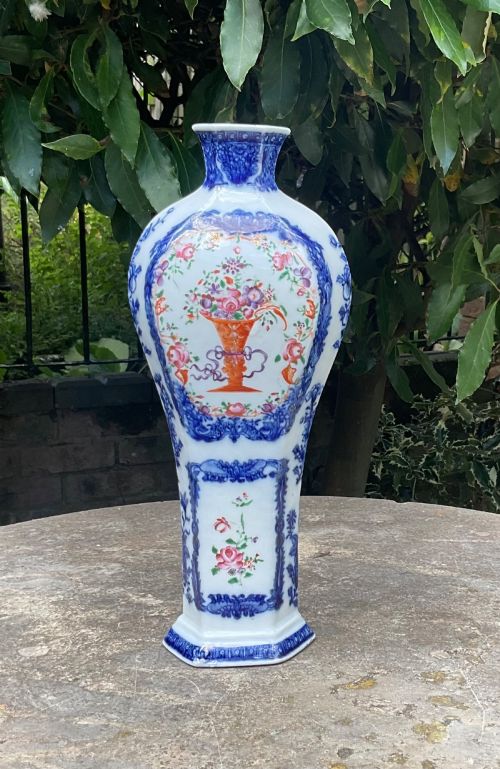
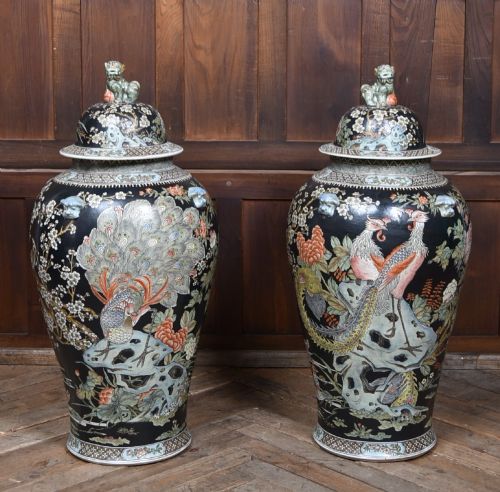
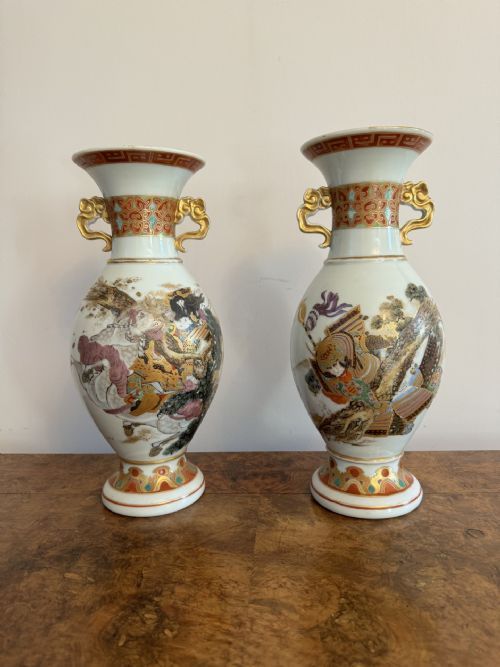
When searching for hand painted Chinese urns, collectors encounter a diverse array of lidded jars, ginger jars, and baluster vases produced across multiple centuries. These vessels serve as decorative focal points in interiors, frequently taking the form of large floor vases or converted table lamps.
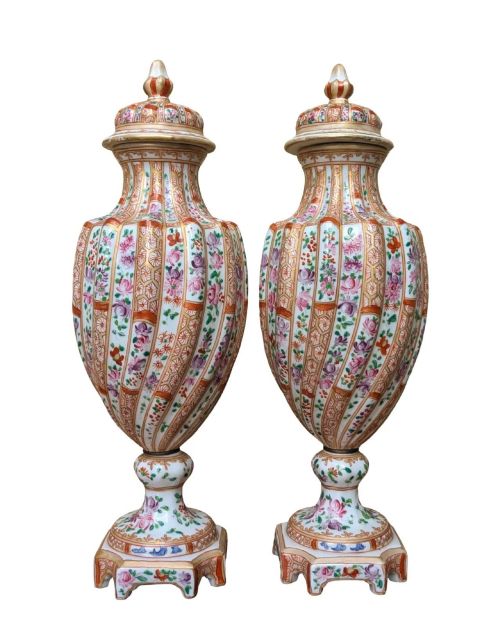
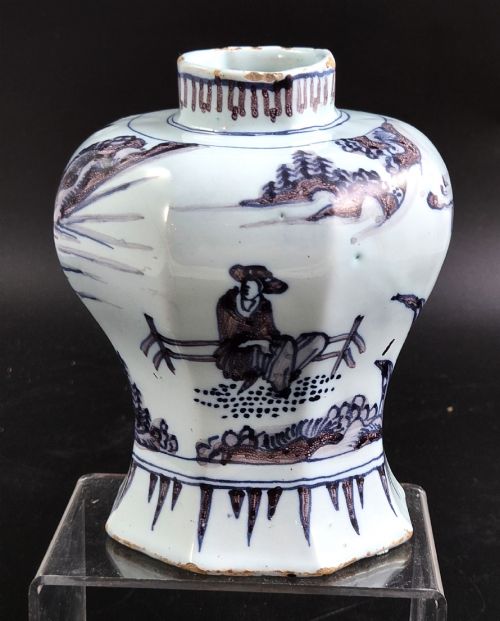
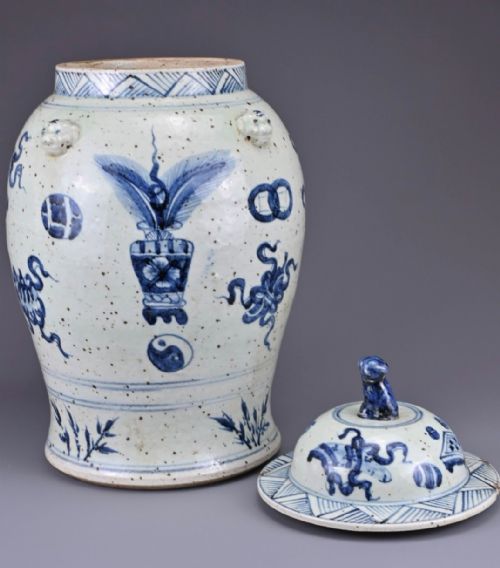
The pieces on this page span the Qing Dynasty, the Republic Period, and later twentieth-century iterations, alongside European interpretations like Edme Samson and Chinoiserie styles. Buyers most frequently meet nineteenth-century Canton and blue-and-white porcelain pieces, often decorated with figural scenes or botanical motifs.
Materials and Craftsmanship
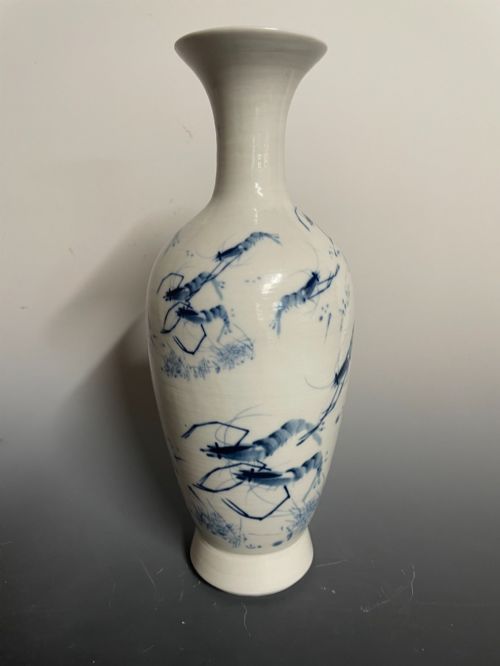
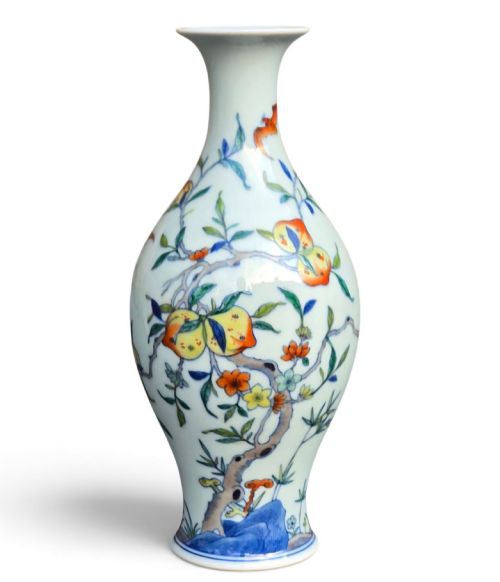
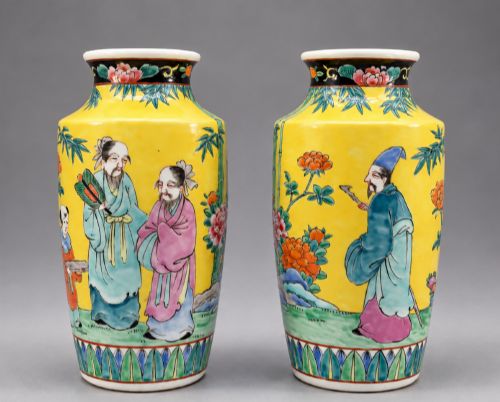
The foundation of these vessels is porcelain, shaped into jars, baluster forms, and bottle vases, then finished with cobalt glaze or enamel overglazes. Artisans applied pigments by hand, utilising gold leaf and polychrome enamels to build intricate scenes of birds, flowers, and immortals.
Many examples incorporate crackle ware techniques or distinct underglaze blue painting, fired in kilns at Jingdezhen and other historic ceramic centres. Certain pieces feature brass mounts or wooden bases added later, particularly when converted into table lamps.
Hand Painted Chinese Urns Retail Price Guide 2026
Typical asking prices for hand painted chinese urns among the pieces listed under this phrase on Sellingantiques today, from the lower quarter to the upper quarter. They describe what is for sale here now, not the wider market.
The inventory includes Chinese Export, Chinoiserie, and Qing Dynasty styles applied to vases and jars.
Evaluating Quality and Execution
Quality in these ceramics rests upon the precision and detail of the hand-painted brushwork, distinguishing mass-produced wares from master-painted exhibition pieces. The crispness of reign marks, the vibrancy of the famille rose or famille verte enamels, and the balance of the porcelain form dictate the standing of an individual vessel.
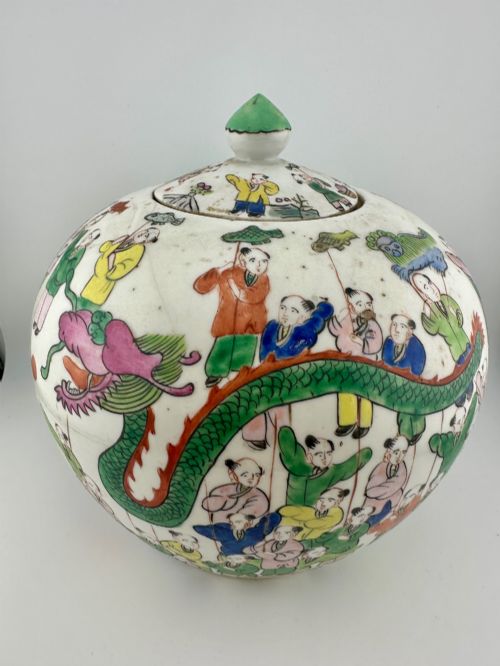
Heavier throwing weights, well-defined foot rims, and carefully controlled glaze firings separate superior examples from standard decorative items. The complexity of narrative scenes, such as the hundred boys festival or figural processions, further elevates the work.
Edme Samson·Gao Hengsheng
The Hand Painted Chinese Urns Glossary
- Famille Rose
- A major palette of Chinese ceramic glazes introduced in the Qing Dynasty, distinguished by opaque pink or rose enamel derived from colloidal gold.
- Famille Verte
- A green-dominant ceramic palette utilised in Qing dynasty porcelain, incorporating iron red, yellow, and blue overglaze enamels.
- Ginger Jar
- A high-shouldered ceramic storage vessel with a domed lid, originally used for spices and salt.
- Baluster Vase
- A tall vase form characterised by a bulbous lower portion tapering to a narrow neck and a flaring rim.
- Celadon
- A term for pottery denoting both wares glazed in jade green and the specific translucent green glaze itself.
Hand Painted Chinese Urns: Frequently Asked Questions
What is a ginger jar?
A ginger jar is a high-shouldered ceramic vessel with a close-fitting lid, originally designed for storing spices and salt during the Qing Dynasty.
Over subsequent centuries, these vessels transitioned into purely decorative objects, prized for their symmetrical proportions and detailed hand-painted surfaces.
How do I date an antique Chinese urn?
Dating relies on examining the potting technique, the characteristics of the glaze, and any reign marks or dynasty markers stamped to the base.
Comparison with documented pieces from periods such as the Kangxi or Republic eras helps determine the exact century of production.
What is famille rose porcelain?
Famille rose is a ceramic decorating style defined by the use of an opaque pink enamel, introduced during the eighteenth century.
This palette allowed artists to paint subtle gradations of tone, bringing floral and figural motifs to life with remarkable depth.
Can I use these urns as lamps?
Many large vases and jars have been converted into table lamps, often retaining their original porcelain bodies while incorporating wired electrical fittings.
This adaptation allows antique ceramics to function as ambient lighting within modern domestic interiors without losing their historic character.