

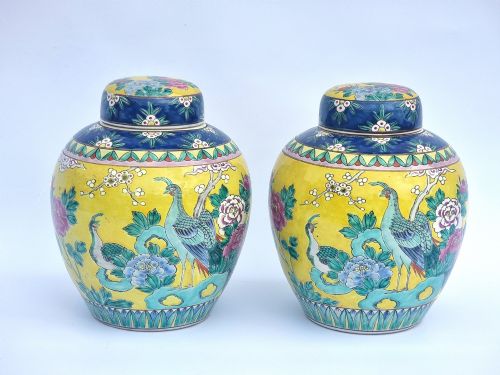

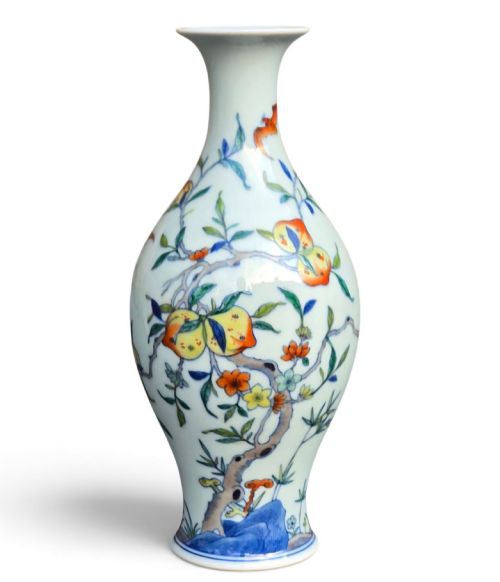
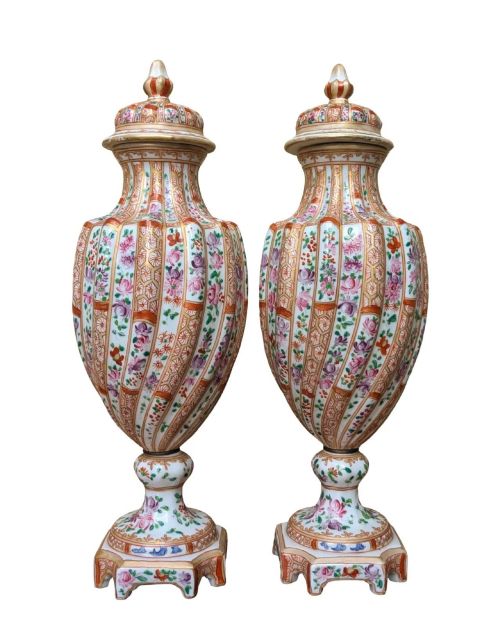
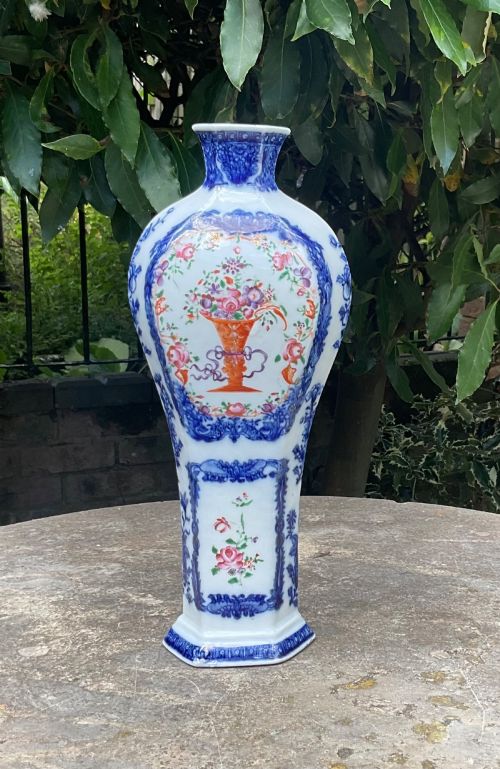
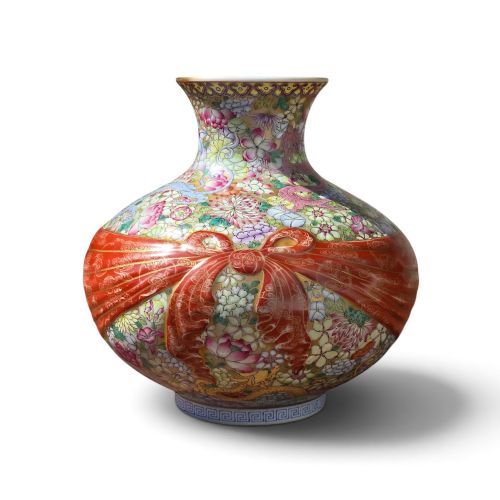



Chinese Floral Porcelain Urn
A chinese floral porcelain urn brings centuries of skilled hand painting and vibrant enamels into a room.
Chinese Floral Porcelain Urn
A chinese floral porcelain urn encompasses vessels decorated with floral motifs, ranging from ginger jars and garlic-head vases to lidded urns and table lamps. These pieces originate across diverse eras, spanning the eighteenth century, the nineteenth century, and well into the twentieth century.
The styles recorded on this page include Qing Dynasty pieces, Chinese Export items, Chinoiserie works, and Chinese Republic Period examples. Buyers will frequently encounter hand-painted ginger jars and baluster vases adapted as lamps among the current selection.
Materials and Techniques
Makers utilised porcelain as the fundamental body, applying glaze and overglaze enamel to create intricate floral designs. Selected pieces incorporate brass, copper, and gold leaf details to accent the ceramic forms.
Techniques relied on careful hand painting, sometimes enhanced by cloisonné enamel work or detailed famille rose palettes. These methods allowed artisans to layer colours and depict complex floral patterns with lasting durability.
Chinese Floral Porcelain Urn Retail Price Guide 2026
Typical asking prices for chinese floral porcelain urn among the pieces listed under this phrase on Sellingantiques today, from the lower quarter to the upper quarter. They describe what is for sale here now, not the wider market.
Object types recorded across the inventory include ginger jars, garlic-head vases, lidded urns, and baluster vases adapted as lamps.
Distinctions in Quality
Quality rests upon the precision of the hand painting and the complexity of the enamel work. Finer examples display meticulous control over the palette and balanced composition across the surface of the vessel.
The depth of historical context also separates pieces, with works from the Qing Dynasty or specific revival makers demonstrating distinct artistic ambition compared to later utilitarian items.
Edme Samson
The Chinese Floral Porcelain Urn Glossary
- Famille rose
- A prominent palette of opaque overglaze enamels introduced in the eighteenth century, dominated by pink and rose shades. It allowed artisans to achieve subtle tonal gradations in floral depictions.
- Cloisonne
- A technique where metal wires are soldered to a base to form compartments, which are then filled with enamel paste and fired. This method creates defined outlines around decorative motifs.
- Ginger jar
- A ceramic vessel originally designed for storage, featuring a broad shoulder and a domed cover. They frequently appear in pairs decorated with painted floral scenes.
- Baluster vase
- A vase shape characterised by a curved lower body, a narrow neck, and a flaring rim. This form provides a stable base often utilised for lamp conversions.
Chinese Floral Porcelain Urn: Frequently Asked Questions
What is a chinese floral porcelain urn?
A chinese floral porcelain urn is a ceramic vessel decorated with hand-painted plant and flower motifs. These pieces encompass various forms including ginger jars, lidded urns, and vases.
They originate from multiple periods ranging from the eighteenth century through to the mid-twentieth century. Each piece reflects the decorative styles of its specific era of production.
How were these urns used historically?
Many of these vessels functioned as storage containers for spices or tea before becoming purely decorative display objects. Lidded jars and vases served to ornament formal interiors in both Asian and European markets.
Over time, some examples were adapted into table lamps to suit changing domestic lighting needs. Their primary role remained aesthetic appreciation of the painted porcelain surface.
How do I live with a porcelain urn?
Position your urn on a sturdy surface away from high-traffic areas to prevent accidental knocks. Keep it clear of direct sunlight to maintain the vibrancy of the painted enamels.
Dust the surface gently with a soft, dry cloth rather than using liquid cleaners. If the piece has been converted into a lamp, ensure the wiring meets modern safety standards.
How can I tell different periods apart?
Differentiating periods involves examining the style of the hand painting, the specific palette of the enamel glaze, and the form of the vessel. Eighteenth-century and nineteenth-century pieces often display distinct potting techniques and compositional styles compared to later twentieth-century works.
Maker marks and regional export styles also provide clues to a piece's age and origin. Comparing the finish of the porcelain and glaze helps establish the likely timeframe of manufacture.