


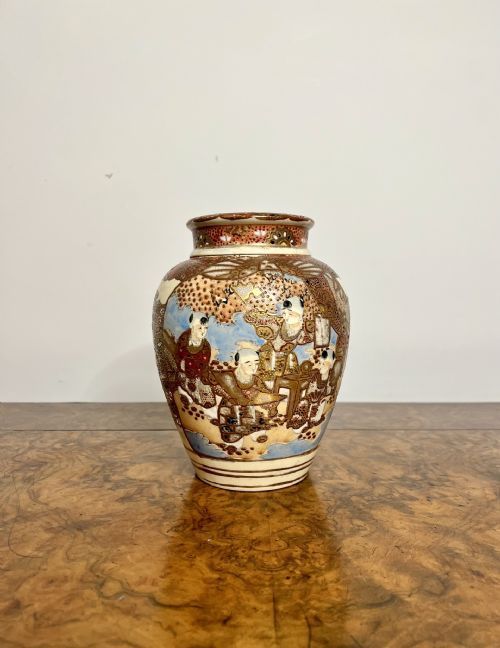


Asian Ceramic Ginger Jars
Asian ceramic ginger jars are robust lidded vessels built for storage, prized today as decorative centerpieces.
Asian Ceramic Ginger Jars
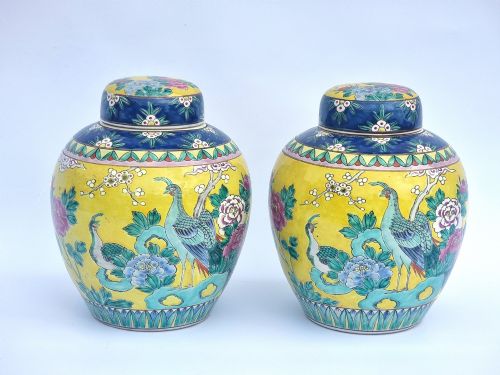
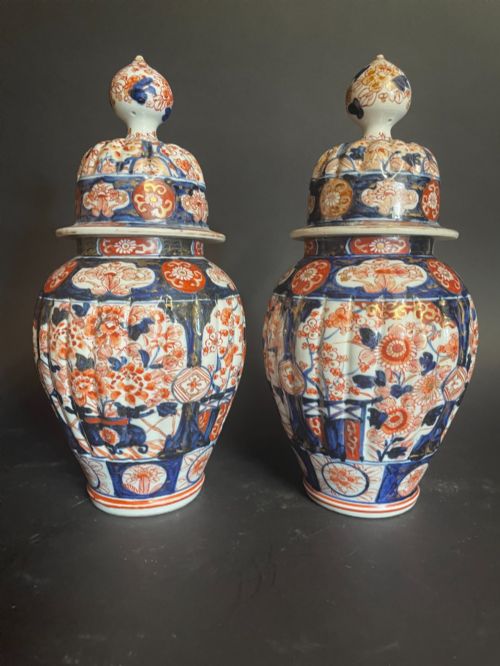
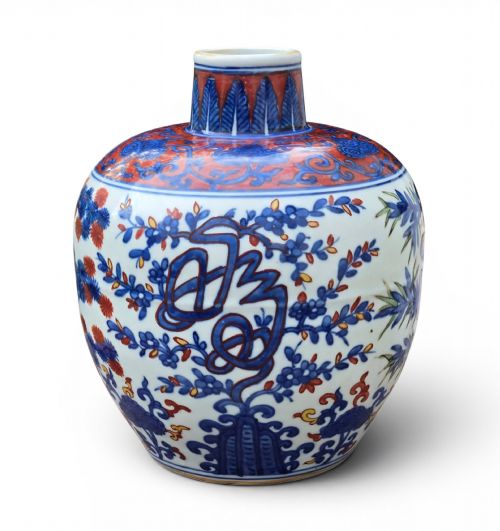
Asian ceramic ginger jars span multiple centuries of production, originating from Chinese and Japanese kilns for domestic utility and global export. Buyers seeking these pieces encounter everything from early Ming dynasty vessels to later nineteenth-century Satsuma wares and twentieth-century hand-painted examples.
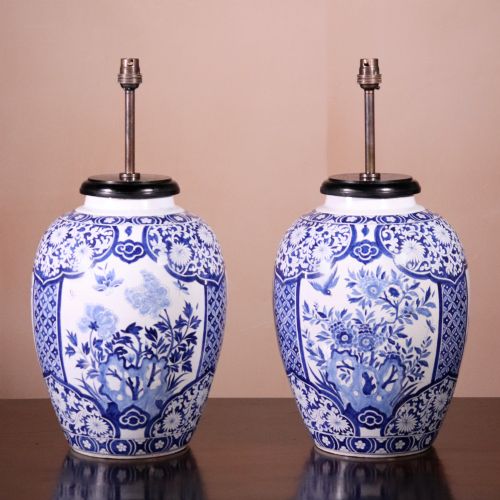
The forms vary from traditional lidded storage pots to repurposed items like table lamps and tea caddies. Most examples on this page are porcelain or pottery vessels featuring covers, sometimes mounted with brass or wood fittings.
Origins stretch across specific historical eras including the Meiji period, Qing dynasty, and Victorian trade periods. These containers reflect the evolving tastes of international markets while retaining their characteristic spherical or ovoid silhouettes.
How they were made
Potters shaped these vessels from porcelain, earthenware, and ceramic bodies before applying detailed surface decoration. Cobalt glaze underglazes provide the deep blue tones seen in classic blue and white pieces, while enamel and gold leaf add intricate polychrome layers.
Specialised techniques such as cloisonne enamel wirework and crackle glazing created distinct surface textures on Satsuma, Imari, and Kutani wares. Kiln firing temperatures determined the vitrification of the porcelain and the durability of the iron-red and cobalt pigments.
Asian Ceramic Ginger Jars Retail Price Guide 2026
Typical asking prices for asian ceramic ginger jars among the pieces listed under this phrase on Sellingantiques today, from the lower quarter to the upper quarter. They describe what is for sale here now, not the wider market.
Listings feature porcelain, earthenware, and ceramic materials decorated with cobalt glaze, enamel, and gold leaf across multiple historical periods.
What varies in quality
The refinement of the hand-painted brushwork sets superior jars apart from standard commercial production. Crisp execution in cobalt blue, precise enamel borders, and the careful application of gold leaf indicate master workshops.
The preservation of the original matching cover significantly elevates a jar's integrity and visual balance. Intact glazes free from heavy wear and well-rendered reign or studio marks further distinguish the finer pieces.
Tokyo Taizan·Yamashu
The Asian Ceramic Ginger Jars Glossary
- Imari
- A style of Japanese export porcelain decorated in underglaze blue, iron-red, and gold. This palette created rich, high-contrast floral and geometric patterns popular in European interiors.
- Satsuma
- A type of Japanese earthenware featuring a pale, ivory-coloured crackle glaze decorated with polychrome enamels and gilding. These pieces often depict figures, landscapes, and historical narratives.
- Cloisonne
- A metalwork technique where compartments are created by soldering flat metal wire to a metal or ceramic base and filling the spaces with enamel paste. Firing produces a vibrant, glass-like mosaic surface.
- Kamcheng
- A traditional lidded ceramic jar originating from Chinese kilns for Southeast Asian markets. They are typically decorated with polychrome enamels on a robust porcelain body.
- Underglaze
- A method of decorating pottery where pigments are applied directly to the unfired ceramic body before glazing and firing. This seals the design beneath a clear protective glass layer.
Asian Ceramic Ginger Jars: Frequently Asked Questions
What were ginger jars originally used for?
These vessels were originally manufactured in China to store and transport spices, salt, and oils.
Over time, European merchants repurposed the term ginger jar to describe the broad-shouldered lidded pots that frequently held preserved ginger.
How do I date an antique jar?
Dating relies on examining the characteristics of the ceramic body, the formulation of the glaze, and the style of the hand-painted motifs.
Reference marks, such as Ming or Qing dynasty reign notes, provide historical benchmarks, though many later pieces also bear apocryphal marks.
Are lids usually original to the jars?
Finding a jar with its matching original cover is common, but centuries of handling often resulted in separated lids and bases.
Buyers should examine the fit, glaze continuity, and wear patterns where the lid rests on the shoulder of the vessel.
How should I display these jars at home?
These pieces function well as standalone decorative accents on mantelpieces, sideboards, or paired symmetrically on tables.
Some examples are adapted as table lamps, combining traditional ceramic forms with functional household lighting.