





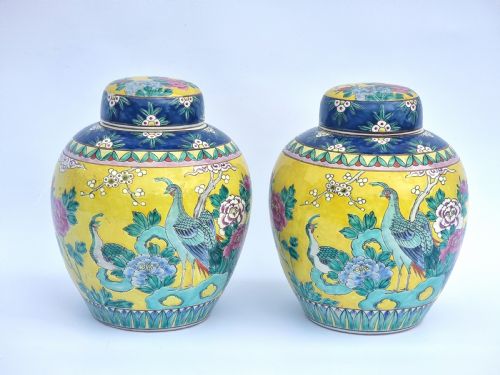


Polychrome Ceramic Ginger Jar
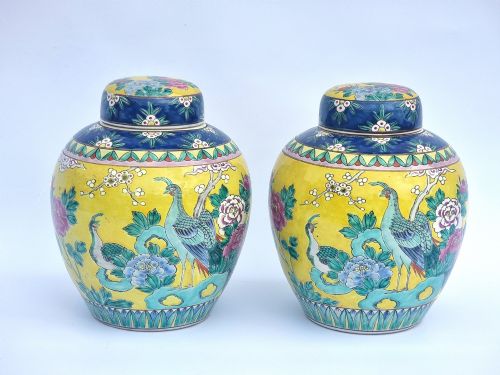
A polychrome ceramic ginger jar brings vibrant colour and layered pattern into a room, joining centuries of Asian and European kiln traditions.
Polychrome Ceramic Ginger Jar
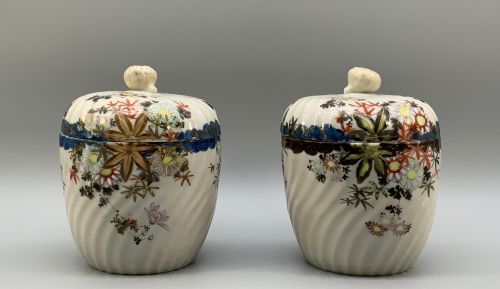
A polychrome ceramic ginger jar is a covered vessel originating from utilitarian storage uses and evolving into purely decorative display pieces. When searching this phrase, buyers meet lidded jars and vases spanning several centuries of production across diverse global workshops.
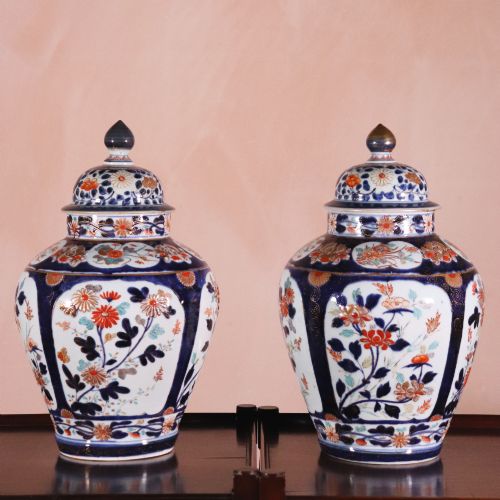
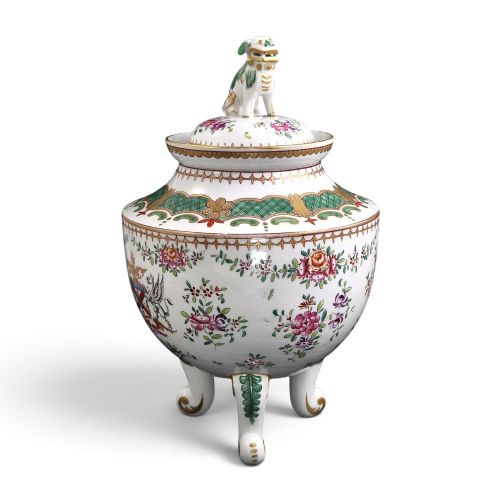
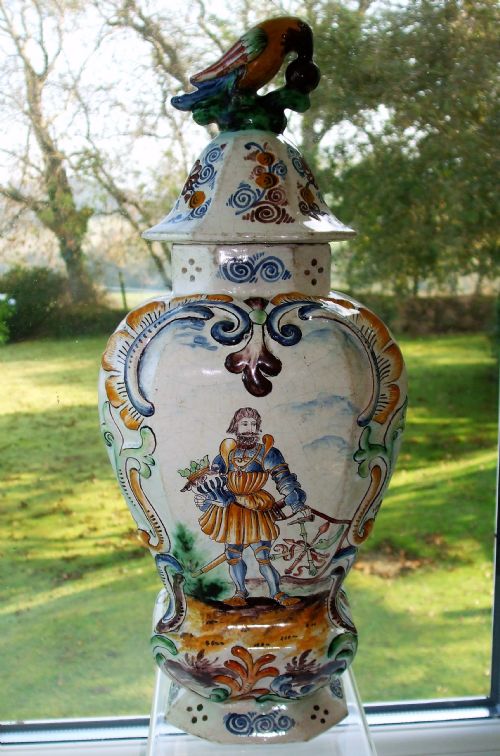
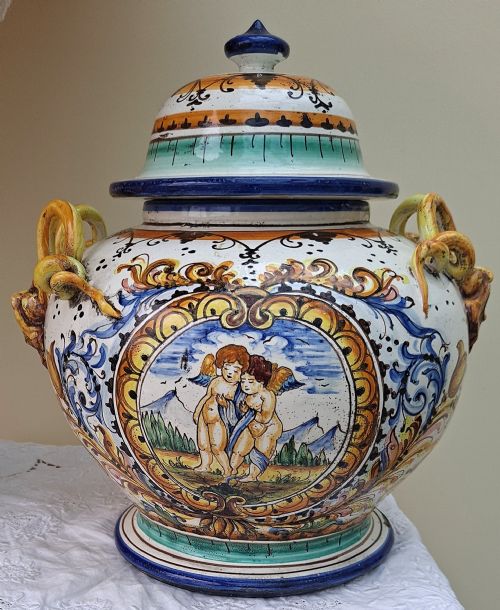
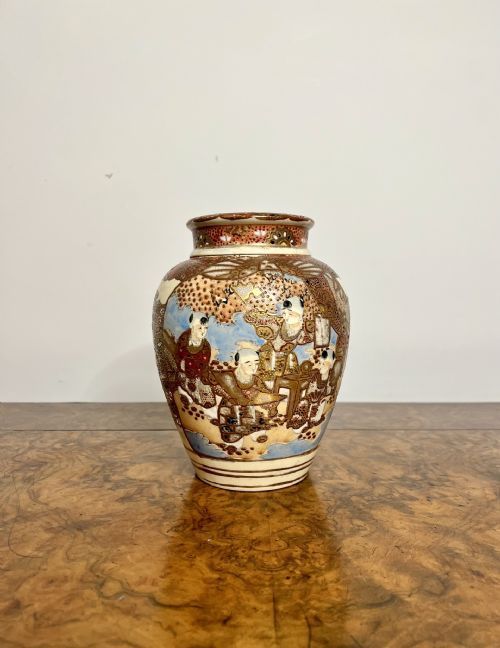
The nineteenth century yields the highest concentration of examples on this page, particularly Japanese Imari, Kutani, and Satsuma wares, alongside Chinese porcelain and export pieces. European interpretations from English, French, Dutch, and Italian makers also appear regularly.
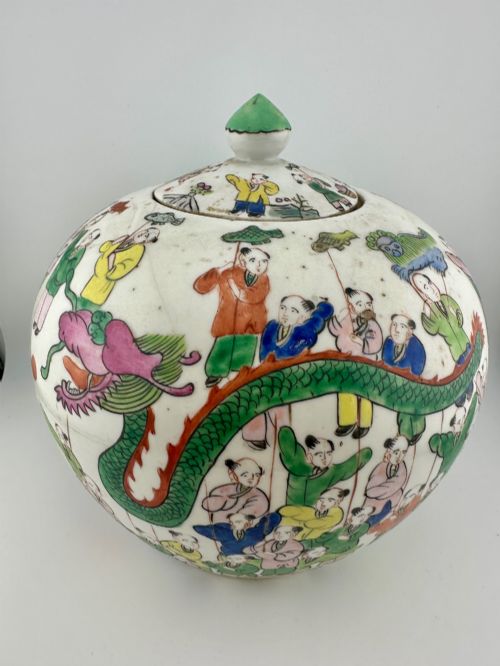
Forms range from compact lidded pots to large display urns, occasionally mounted as table lamps or paired with wooden furniture such as padouk tables. These vessels incorporate covers and display rich floral, figural, and landscape motifs executed in multi-coloured palettes.
Quality and execution
Quality rests in the precision of the hand-painted brushwork and the harmony of the multi-coloured palette across the body and cover. Superior examples display crisp, confident detailing in floral, bird, and landscape panels rather than hurried or mechanical application.
The presence of clear workshop marks, signature signatures such as Yamashu, and matching original covers elevate an object's standing. Finer pieces maintain crisp kiln gloss and intact enamel surfaces without heavy rubbing or crude restoration.
Polychrome Ceramic Ginger Jar Retail Price Guide 2026
Typical asking prices for polychrome ceramic ginger jar among the pieces listed under this phrase on Sellingantiques today, from the lower quarter to the upper quarter. They describe what is for sale here now, not the wider market.
Listings feature ceramic ginger jars spanning the eighteenth, nineteenth, and twentieth centuries, incorporating porcelain, earthenware, and stoneware bodies.
Samson Paris·Mason·Yamashu
The Polychrome Ceramic Ginger Jar Glossary
- Polychrome
- Decoration executed in multiple distinct colours. This multi-coloured approach defines the vibrant palettes seen across Japanese Imari and Chinese Famille Rose pieces.
- Imari
- A style of Japanese export porcelain featuring deep underglaze blue combined with iron red and gold. This aesthetic heavily influenced European kilns during the eighteenth and nineteenth centuries.
- Famille Rose
- A major palette of Chinese ceramic glazes introduced in the eighteenth century, dominated by opaque pink or rose enamel. The style depicts soft floral, bird, and figural scenes.
- Delftware
- Tin-glazed earthenware produced in the Netherlands, frequently imitating Chinese blue and white or polychrome porcelain imports. It forms a distinct European counterpart to Asian ceramic forms.
- Satsuma
- Japanese earthenware pottery featuring a characteristic ivory crackle glaze decorated with fine enamel and gilt motifs. These pieces often depict dense landscapes and courtly figures.
Polychrome Ceramic Ginger Jar: Frequently Asked Questions
What were ginger jars originally used for?
These lidded vessels served primarily to store, transport, and preserve spices, oils, and ginger along trade routes. Their broad shoulders and secure covers kept contents fresh.
Over time, Western markets adopted them purely as ornamental objects for mantelpieces and display cabinets, leading to more elaborate decoration.
How do I tell Japanese Imari from Chinese export porcelain?
Japanese Imari typically displays a dense mix of underglaze cobalt blue, iron red, and abundant gold leaf on a slightly greyer porcelain body. The designs often crowd the surface with brocade patterns.
Chinese export porcelain generally relies on softer enamel palettes like Famille Rose, featuring whiter clay bodies and more delicate, spaced botanical or figural painting.
Are these jars always sold with their original covers?
Many surviving pieces retain their matching lidded covers, which is crucial for overall harmony and completeness. However, due to centuries of handling, lids are sometimes lost or replaced with period-appropriate substitutes.
Careful inspection of the clay body and glaze tone helps confirm whether the cover shares the exact kiln origin as the base jar.
How should I clean a ceramic ginger jar?
Dusting gently with a soft, dry artist's brush or microfibre cloth is the safest method for routine maintenance. Avoid harsh chemical cleaners or submersion, especially on pieces with delicate overglaze enamels or gold leaf.
If washing is necessary for unglazed interiors, use lukewarm water and mild soap, ensuring the piece dries completely afterwards.