


Hand Painted Ceramic Pitcher
A hand painted ceramic pitcher brings tactile pigment and utility together, spanning Georgian earthenware to Victorian porcelain.
Hand Painted Ceramic Pitcher
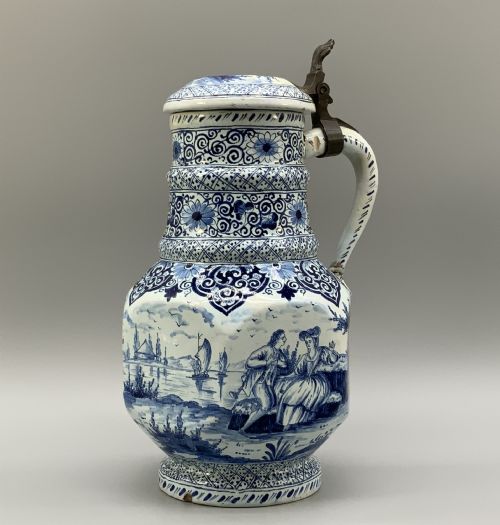
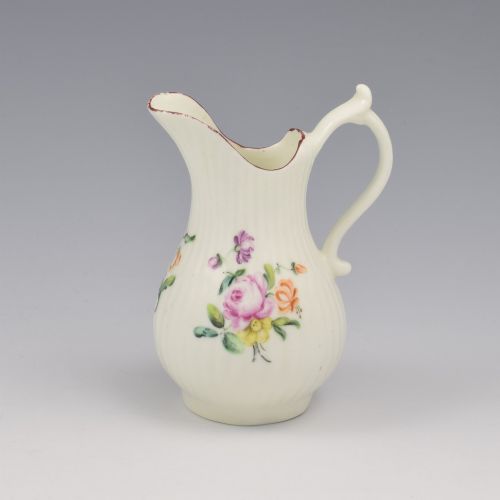
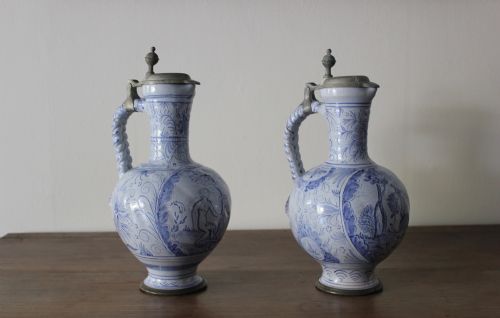
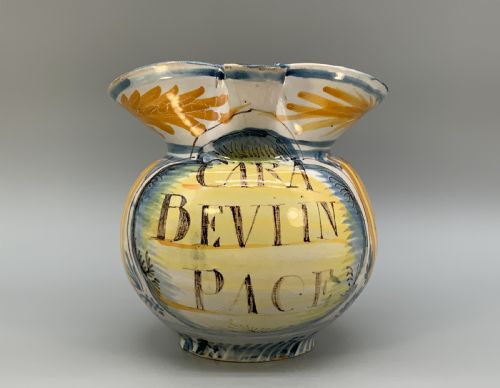
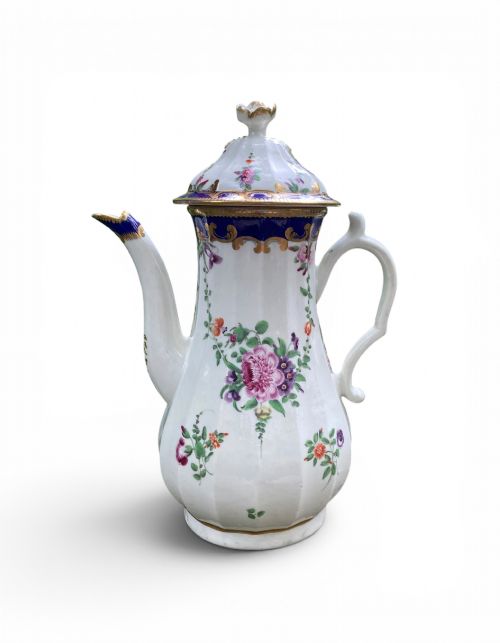
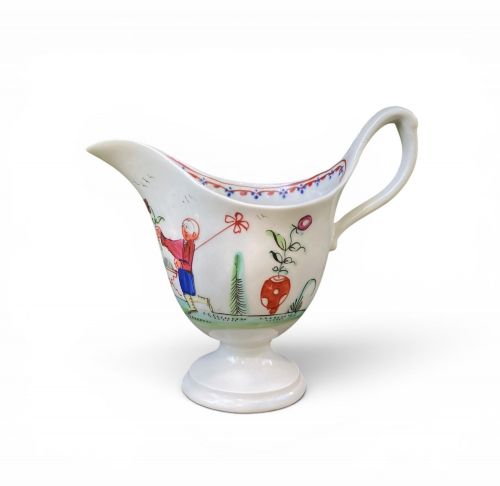
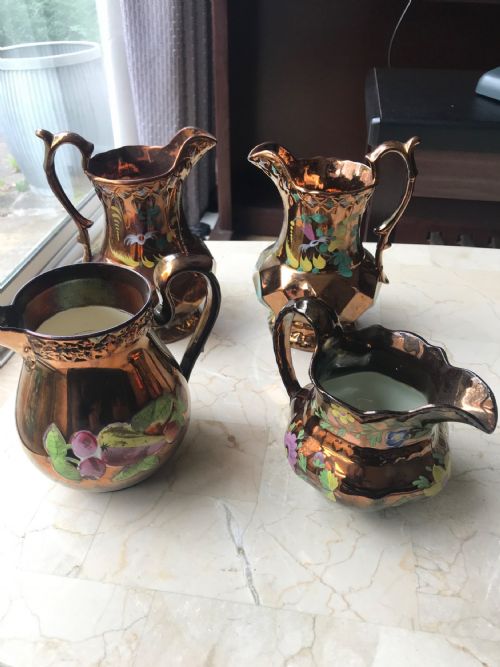
When you search for a hand painted ceramic pitcher, you encounter diverse forms ranging from eighteenth-century Dutch delftware and porcelain cream jugs to nineteenth-century Staffordshire copper lustre vessels and Victorian earthenware. These pouring vessels served various domestic and decorative roles, encompassing milk jugs, coffee pots, commemorative pieces, and ornate ewers.
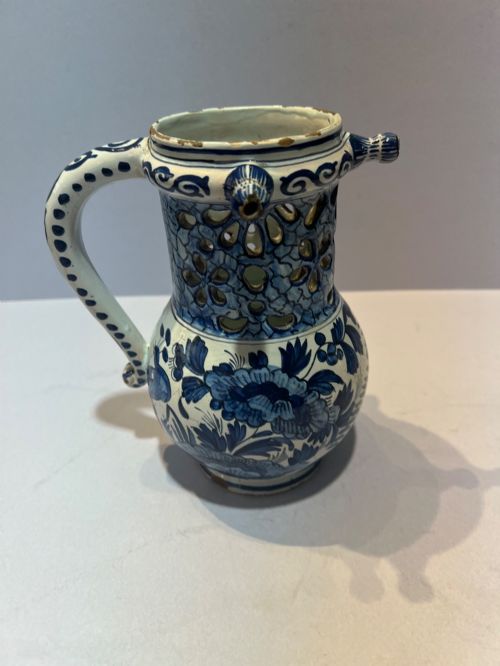
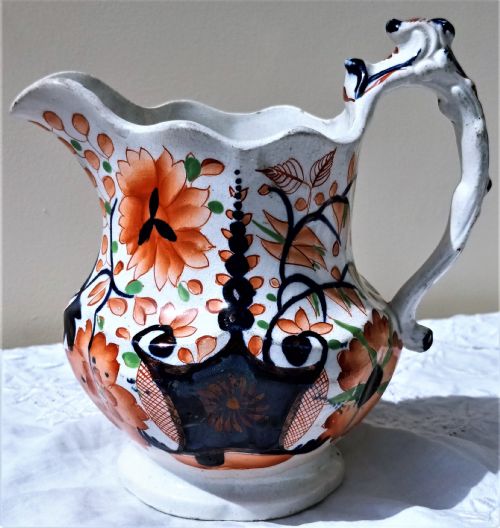
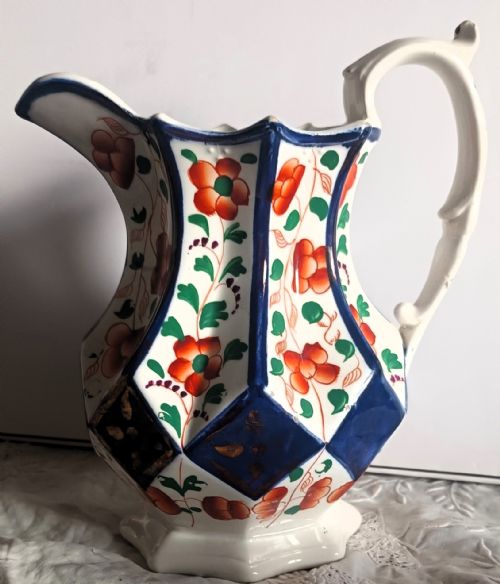
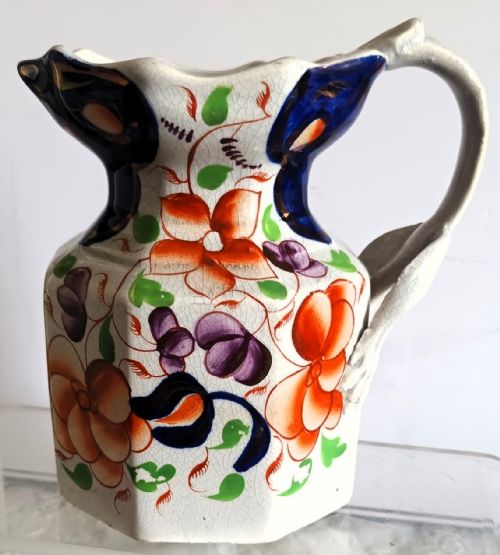
The selection here draws heavily upon nineteenth-century production alongside Georgian examples, featuring regional patterns such as Gaudy Welsh alongside Worcester and Royal Worcester porcelain. Forms vary from small cream jugs to large wash set ewers and puzzle jugs, reflecting centuries of utilitarian and ornamental pottery traditions.

How they were made
Potters shaped these vessels using earthenware, porcelain, and pearlware bodies, frequently applying tin glaze, enamel, or blue and white pigments by hand. Techniques involved cabbage leaf moulding, fluted baluster forms, and clip handles, sometimes finished with gilding, copper lustre, or gold leaf.
Decorators applied polychrome, mangonese, and yellow pigments directly onto the ceramic surface, often securing the colours through subsequent kiln firings. Tin-glazed earthenware provided an opaque white ground for hand-painted floral and oriental scenes, while hard and soft paste porcelains permitted finer painted details.
Hand Painted Ceramic Pitcher Retail Price Guide 2026
Typical asking prices for hand painted ceramic pitcher among the pieces listed under this phrase on Sellingantiques today, from the lower quarter to the upper quarter. They describe what is for sale here now, not the wider market.
Lord Nelson occasionally manifests as a toby jug, keeping watch from the sideboard.
What varies in quality
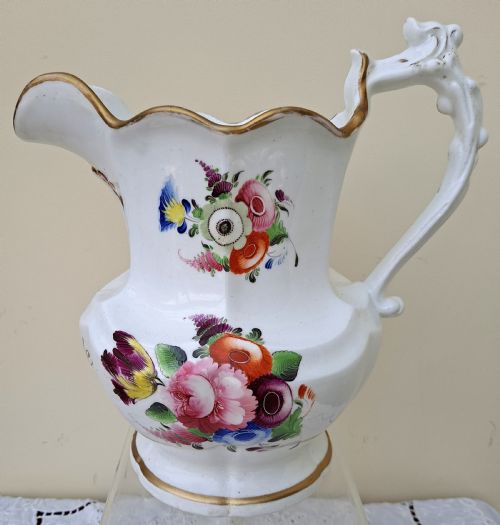
Quality depends upon the crispness of the moulded form, such as cabbage leaf detailing or faceted sides, and the precision of the hand-painted decoration. Pieces bearing named patterns or artist signatures demonstrate superior workshop execution compared to anonymous output.
The finesse of the glaze application and the richness of polychrome or gold leaf embellishments distinguish standard domestic ware from high-status porcelain jugs and ewers.
Royal Worcester·New Hall·H and R Daniel·Chamberlain Worcester·Derby Porcelain
The Hand Painted Ceramic Pitcher Glossary
- Delftware
- Tin-glazed earthenware originating in the Netherlands and England, typically decorated in blue and white. It provides an absorbent surface for painted pigments.
- Copper Lustre
- A pottery finish incorporating a metallic copper glaze that creates a reflective, iridescent sheen. It appears frequently on nineteenth-century Staffordshire jugs.
- Ewer
- A large pitcher with a wide spout and curved handle, often used for decorative purposes or washing sets. These vessels frequently feature hand-painted floral or scenic motifs.
- Pearlware
- A refined earthenware developed in the late eighteenth century featuring a subtle bluish glaze that pooled in recesses to mimic Chinese export porcelain. It often carried moulded and painted decoration.
- Toby Jug
- A pottery jug shaped as a full-seated person, traditionally depicted wearing eighteenth-century attire and holding a mug or beer. These figural pieces date from the Georgian and Victorian eras.
Hand Painted Ceramic Pitcher: Frequently Asked Questions
How do I identify Gaudy Welsh pottery?
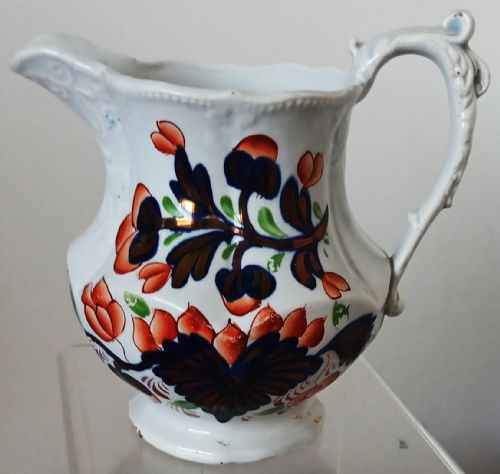
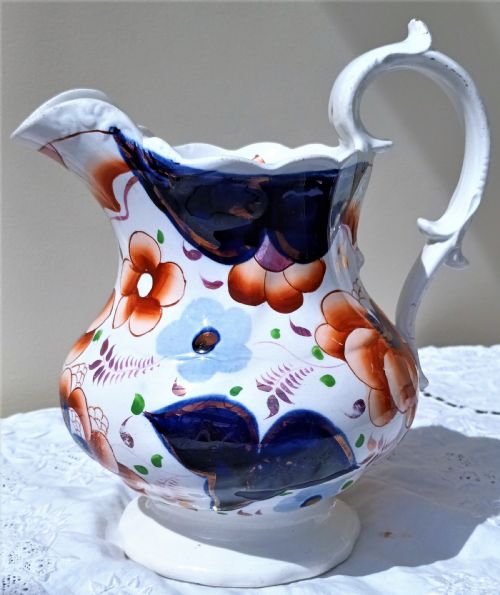
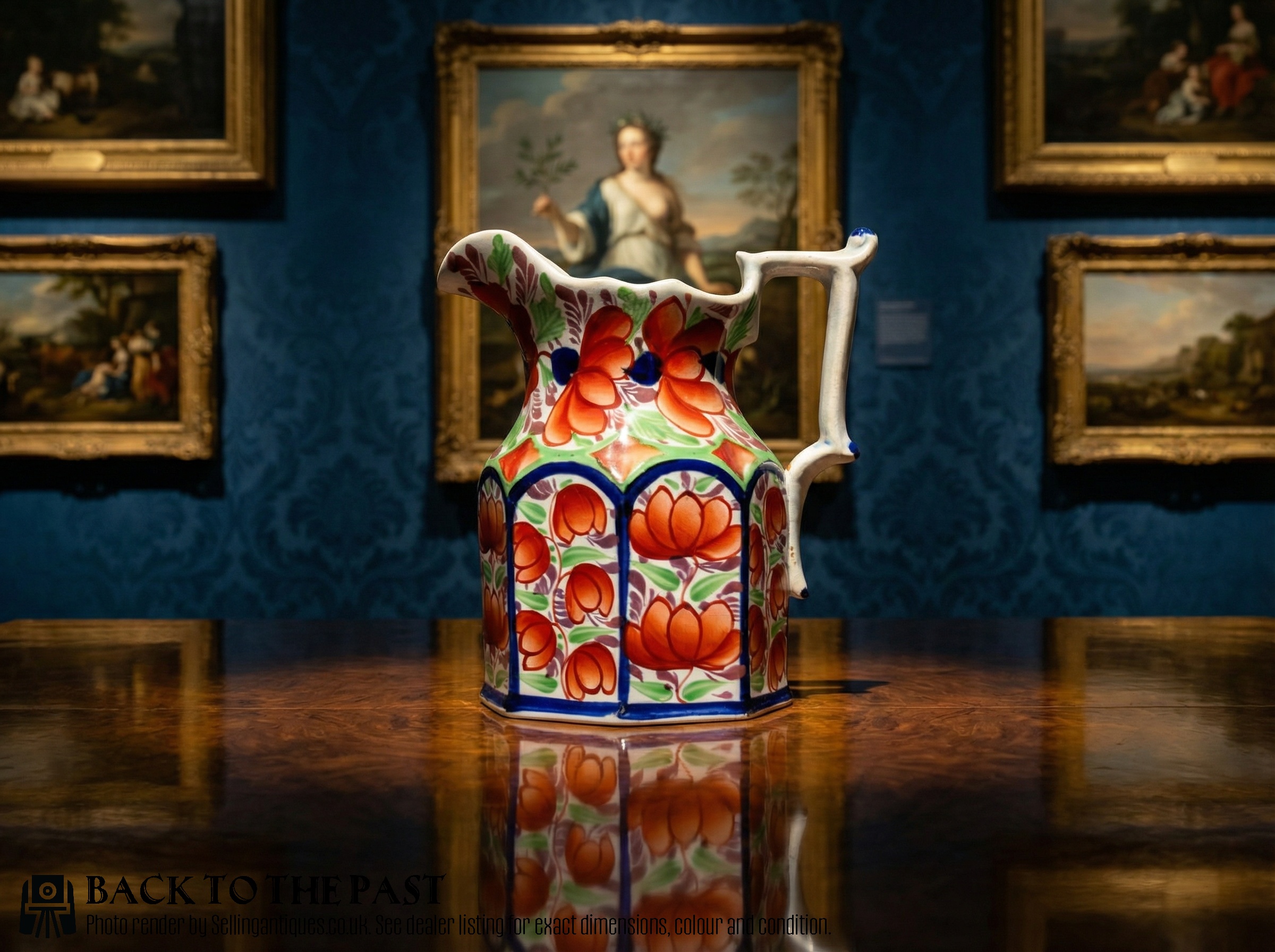
Gaudy Welsh pottery displays vibrant hand-painted underglaze ironstone decoration, heavily utilising cobalt blue, copper lustre, and iron-red geometric or floral motifs.
These nineteenth-century domestic jugs and tableware items were predominantly manufactured for Welsh households.
What is copper lustreware?
Copper lustreware is pottery coated with a metallic glaze that yields a coppery, reflective finish when fired in a reducing kiln.
Victorian makers often highlighted these jugs with hand-painted polychrome floral bands over the lustrous ground.
How do I care for antique ceramic pitchers?
Wash antique ceramic and porcelain pitchers gently by hand in lukewarm water using mild soap, avoiding abrasive sponges or harsh detergents.
Keep fragile earthenware and tin-glazed delftware away from prolonged direct sunlight and rapid temperature fluctuations to protect the glaze.