



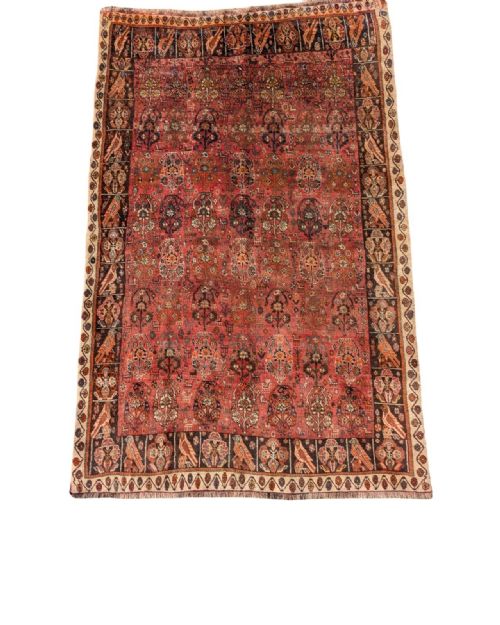
Hand Knotted Wool Mat
A hand knotted wool mat delivers centuries of nomadic and village weaving tradition straight to a compact floor space.
Hand Knotted Wool Mat
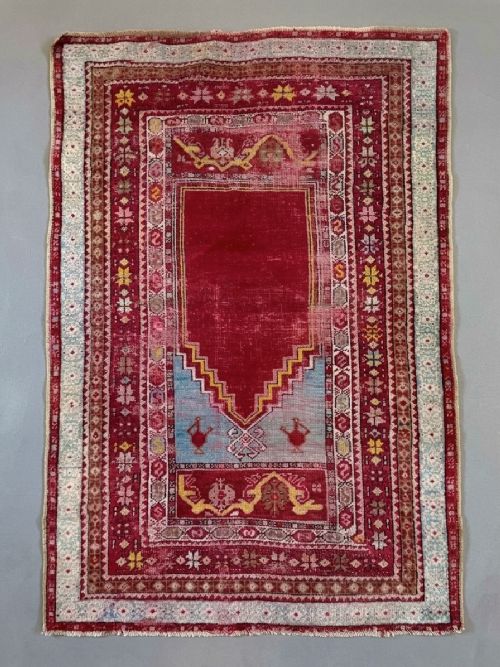
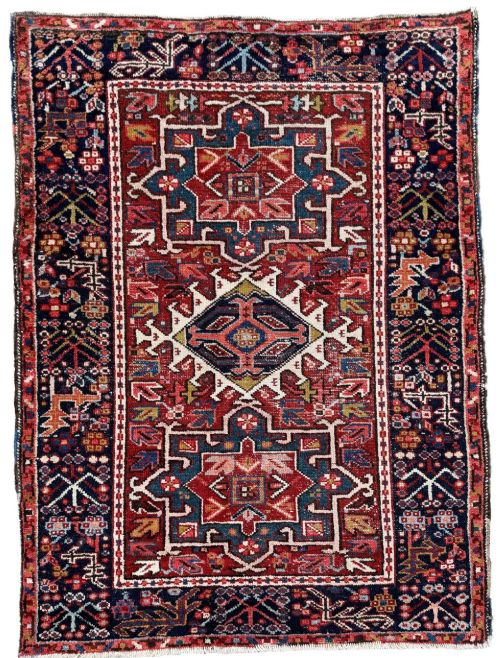
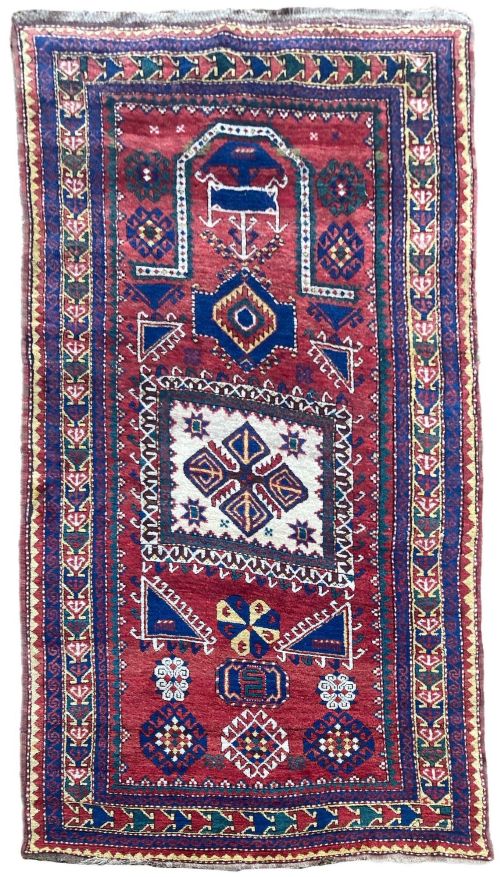
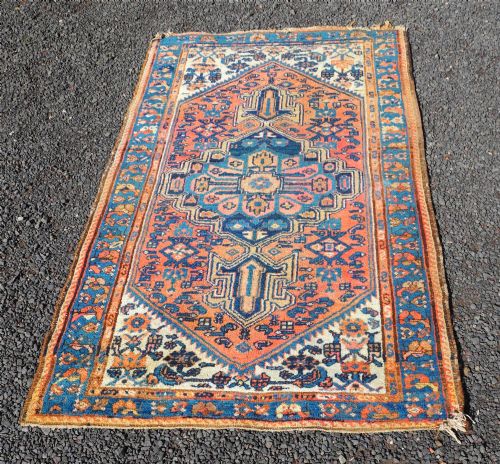
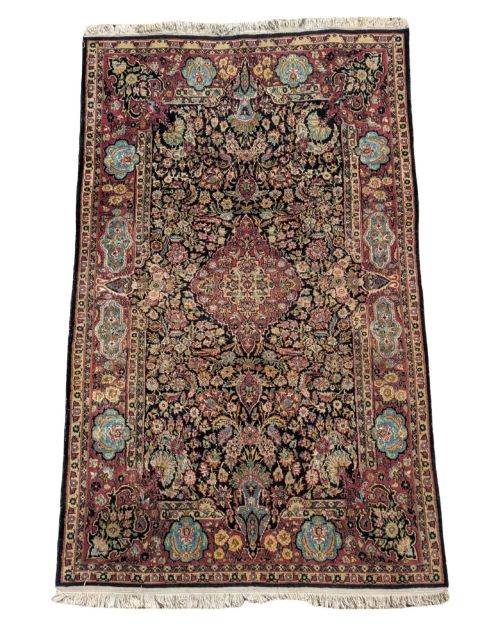
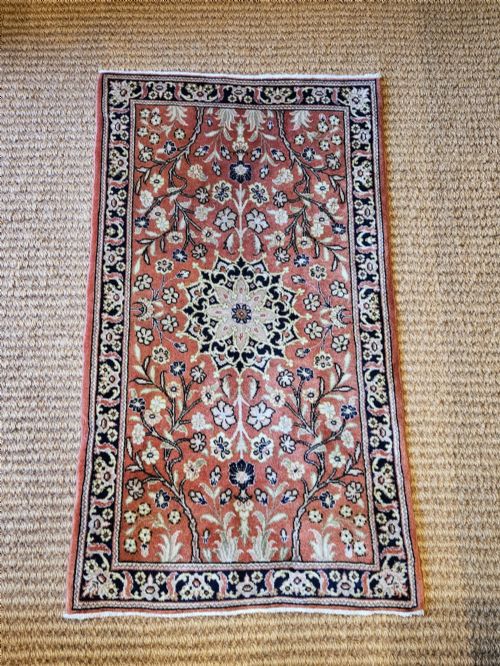
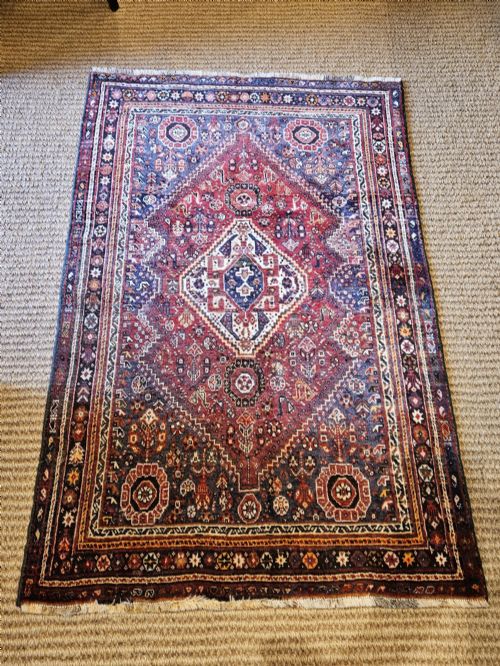
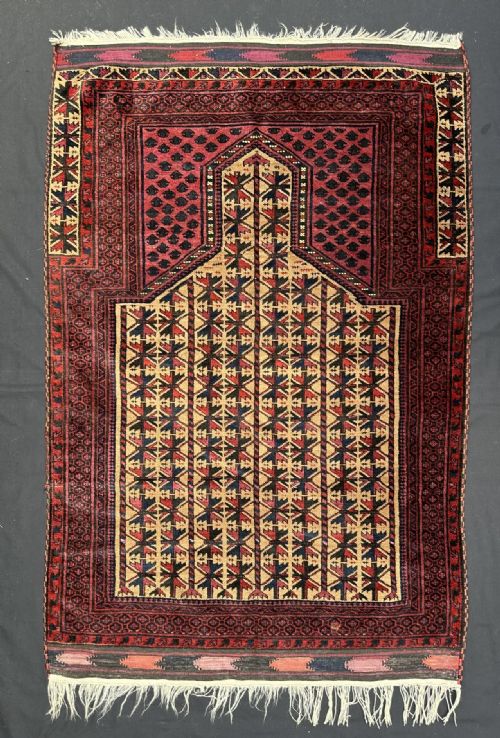
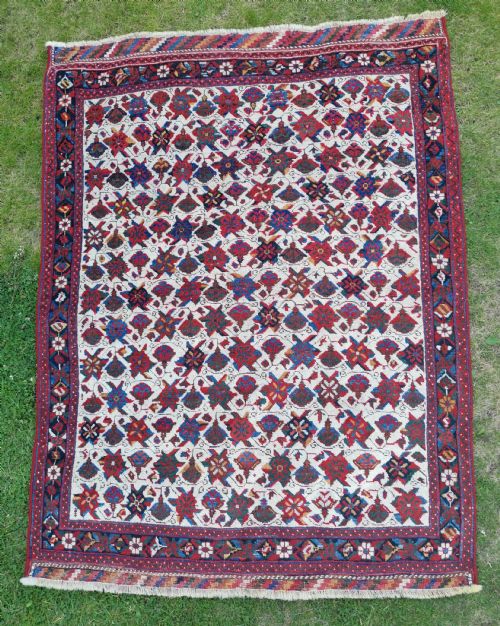
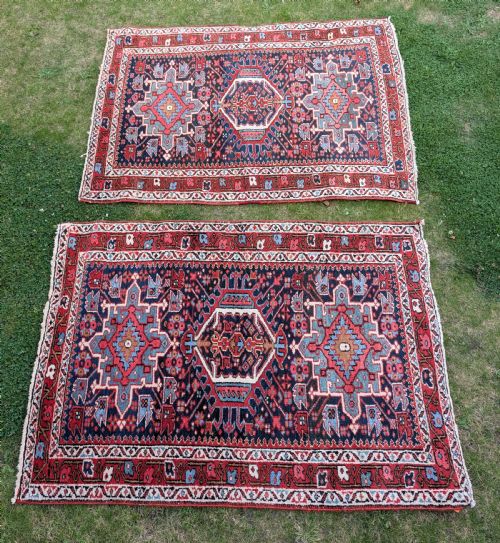
A hand knotted wool mat represents smaller formats of traditional regional weaving, often emerging from Persian, Anatolian, Caucasian, and Turkmen tribal workshops. Buyers encounter hearth-sized rugs, prayer rugs, square formats, and compact village pieces designed for portable or intimate domestic placement.
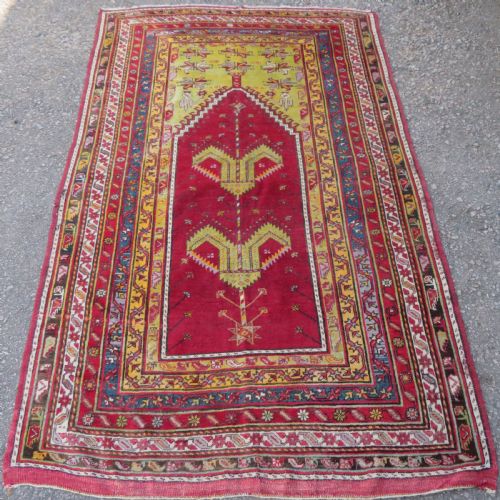
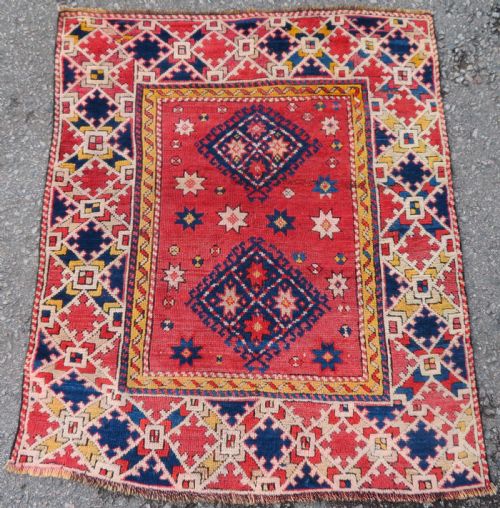
The inventory spans periods from the mid-nineteenth century through the early twentieth century, showing distinct tribal and regional iconography. These smaller floor coverings include geometric medallions, prayer mihrabs, and lattice patterns woven by distinct confederacies and villages.
How they were made
Weavers utilised natural dyes and spun wool by hand, occasionally incorporating cotton foundations and goat hair for structural durability. Certain finer pieces also integrate silk highlights to accentuate specific motifs within the pile.
The primary construction relies on individual hand-knotted wool tufts secured onto warp and weft threads. This meticulous technique creates a dense textile capable of enduring generations of daily use.
Listings feature hand knotted wool mats spanning from the 1850s to the 1930s, utilising cotton, silk highlights, and natural dyes.
What varies in quality
The clarity and saturation of natural dye colours distinguish superior examples from standard village production. Subtle tonal variations and rich depth indicate skilled dye baths rather than uniform chemical agents.
Knot density and structural tightness dictate the longevity and definition of the design. Finer knotting allows intricate geometric and floral patterns to remain sharp and legible across the wool pile.
The Hand Knotted Wool Mat Glossary
- Mihrab
- The arched niche design found on prayer rugs, symbolising a doorway to paradise and oriented towards Mecca. This motif often guides the central composition of village mats.
- Warp
- The vertical threads stretched lengthwise on the loom that form the foundational skeleton of the rug. Fringe typically extends directly from these parallel cords.
- Weft
- The horizontal threads passed across the warp strands to lock the hand-knotted wool tufts in place. Multiple weft passes ensure the structural firmness of the weave.
- Pile
- The upright wool fibres that create the soft surface of the textile. Knotting wool onto the foundation builds this usable layer.
Hand Knotted Wool Mat: Frequently Asked Questions
Where should I place a small mat?
These compact rugs suit hearth surrounds, entryways, and narrow bedside placements where larger carpets overwhelm the floor area. Their modest dimensions allow them to function as focal points in smaller rooms or transitional spaces.
Because they originate from diverse tribal traditions, pairing them with plain wooden floors lets the geometric or floral patterns stand out clearly without visual competition.
How do I clean an antique wool rug?
Gentle surface brushing and careful vacuuming without a rotating power brush remove loose dust from the pile. Professional textile conservators should handle deeper washing to protect natural dye stability.
Keeping the wool away from prolonged direct sunlight prevents the natural colours from fading prematurely over the decades.
What defines a prayer rug format?
Prayer rugs feature a distinctive architectural arch or mihrab design at one or both ends of the textile. Weavers created these specific formats for personal devotion and ritual use within nomadic and village communities.
The compact size made them easily transportable for daily prayers across various regions of Anatolia, Persia, and the Caucasus.
How do I identify tribal designs?
Tribal designs rely on repeating geometric motifs, stepped medallions, and stylised animal or plant forms handed down through generations. Different confederacies, such as the Baluch or Khamseh, utilised specific colour palettes and structural markers.
Examining the weave density, edge finishing, and wool characteristics helps attribute the piece to a particular geographic borderland or village tradition.