


Hand Knotted Wool Cushion Cover
These hand knotted wool cushion cover examples transform antique tribal bags and rugs into soft furnishings that bring genuine nomadic character to a room.
Hand Knotted Wool Cushion Cover
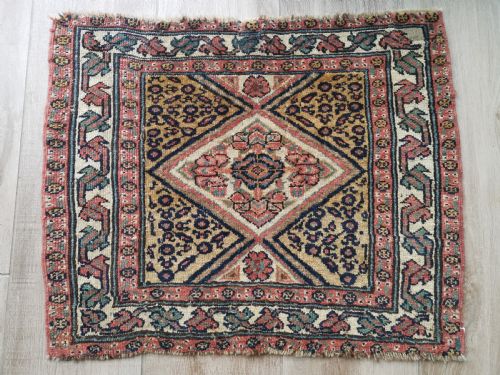
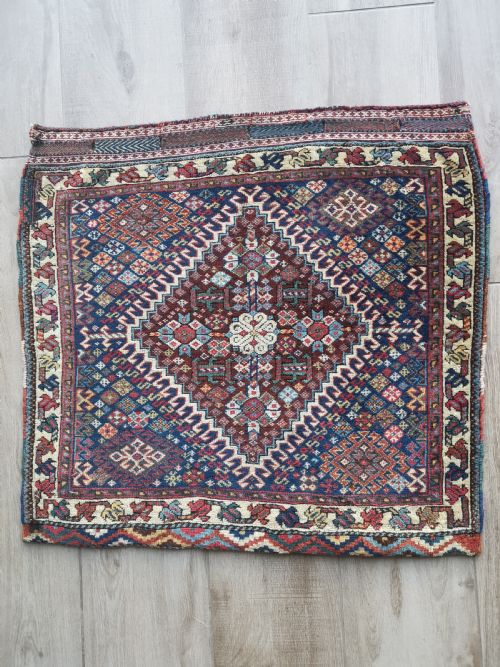
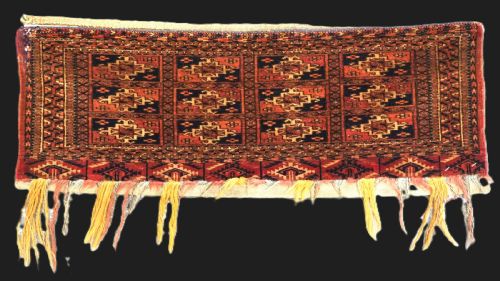
When you search for a hand knotted wool cushion cover, you encounter textiles adapted from nineteenth and early twentieth century tribal weavings such as bagfaces, torbas, and saddlebags. These items originate primarily from Persian, Turkmen, and Central Asian nomadic cultures, spanning periods from the late nineteenth century to the early twentieth century.
The pieces on this page typically utilise fragments or complete faces of historic tribal weaving, including Khamseh, Qashqai, Baluch, and Tekke Turkmen examples. Makers converted these durable utility items into cushions, preserving traditional motifs while creating functional home decor.
Materials and construction methods
The construction relies on hand-spun wool knotted tightly onto cotton or wool foundation warps and wefts. This dense knotting created the durable surfaces required for nomadic transport bags.
Dyers employed natural dyes to colour the wool, producing deep, rich tones that mellow gracefully over decades of age.
Nomads wove these functional bags on portable ground looms while moving across tribal territories, carrying household possessions across harsh landscapes.
Assessing quality in nomadic textiles
Quality depends upon the fineness of the knot count and the handled resilience of the wool pile. Superior examples display lustrous, luminous wool with crisp tribal geometry and harmonious natural dye palettes.
The condition of the pile and the integrity of the original weaving structure dictate the distinction between ordinary utility fragments and exceptional decorative textile art.
The Hand Knotted Wool Cushion Cover Glossary
- Bagface
- The decorative front panel of a nomadic storage bag, frequently repurposed into a cushion cover. These panels display the primary tribal iconography and finest knotting.
- Torba
- A small storage bag produced by Turkmen nomads, often featuring characteristic guls. Their proportions lend themselves well to cushion conversion.
- Gul
- An octagonal medallion motif repeated across Turkmen carpets and bag faces. Each tribal group utilised distinct gul variations for identification.
- Natural Dyes
- Colourants derived from plants, insects, and minerals before the advent of synthetic aniline dyes. They impart a varied, shifting hue to the wool.
- Warp
- The stationary vertical foundation threads stretched on the loom. Wefts are then interwoven across these threads to secure the knots.
Hand Knotted Wool Cushion Cover: Frequently Asked Questions
How do I care for a wool cushion?
Vacuum gently using a low suction setting without a rotating brush to remove surface dust.
Professional specialist cleaning is recommended for any deeper maintenance to protect the historic wool fibres.
Are these made from real rugs?
Yes, they are constructed from authentic nineteenth and early twentieth century nomadic weavings, including bagfaces and saddlebags.
Craftsmen adapt these historic tribal textiles to preserve the art while creating usable home accessories.
What tribal groups are represented?
The listings include pieces originating from Persian, Turkmen, and Central Asian nomadic confederations.
Specific traditions visible span Qashqai, Tekke, Ersari, Baluch, and Khamseh makers.
How do I identify the age of a cover?
Age is assessed through the analysis of wool quality, natural dye usage, and traditional tribal design structures.
Pieces generally date from the late nineteenth century through to the early decades of the twentieth century.