
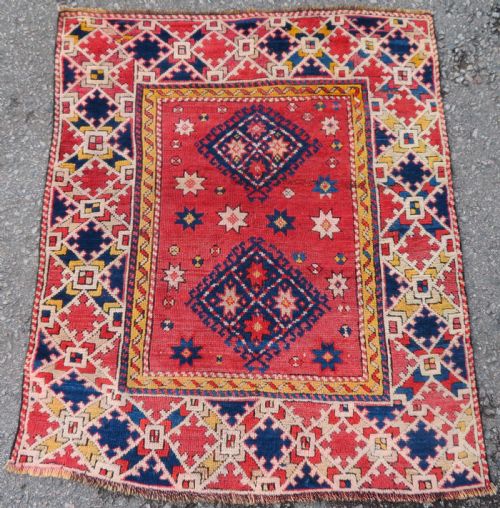
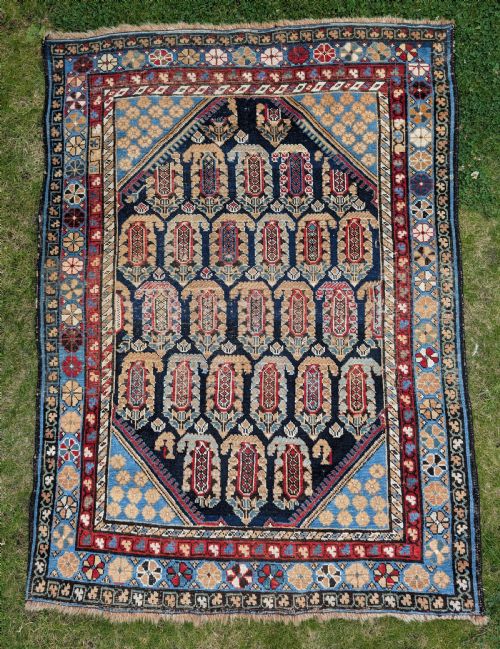
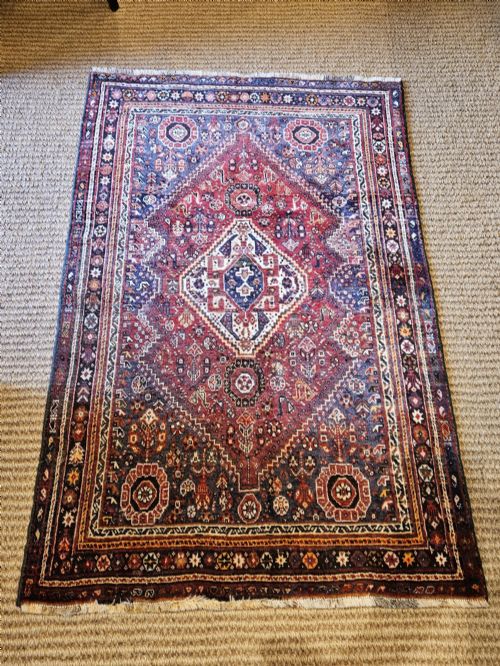
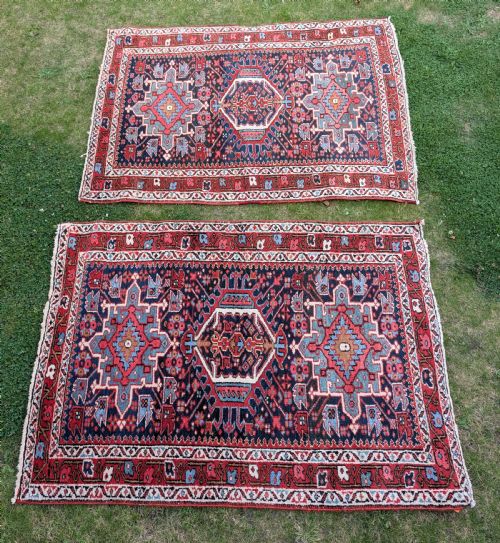
Hand Knotted Accent Rug
A hand knotted accent rug brings tangible texture and centuries of weaving tradition directly onto a wooden floor or hearth.
Hand Knotted Accent Rug
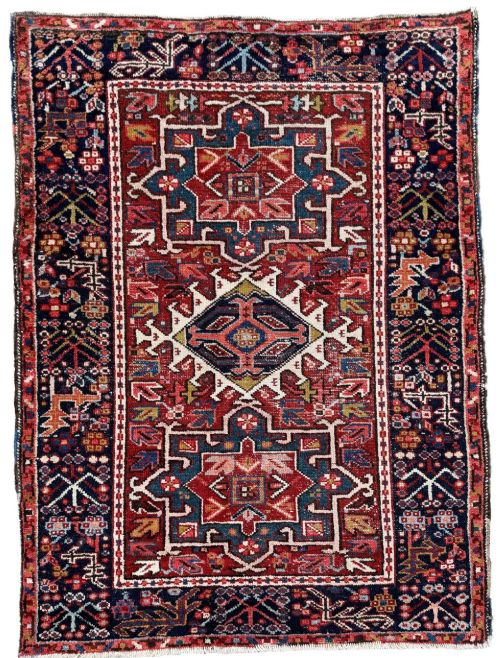
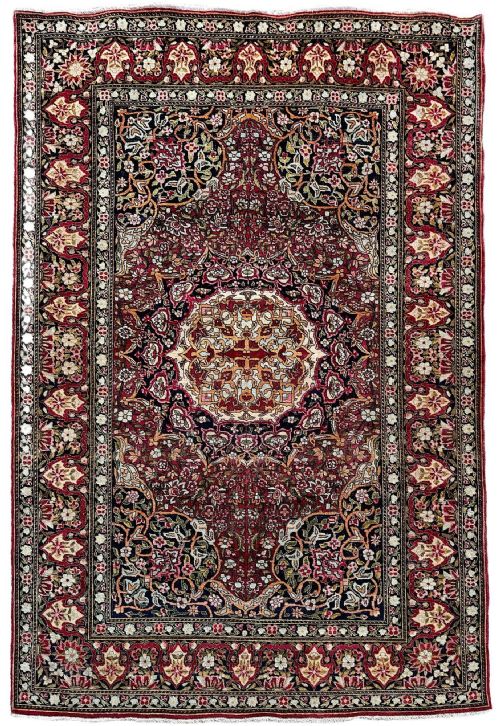
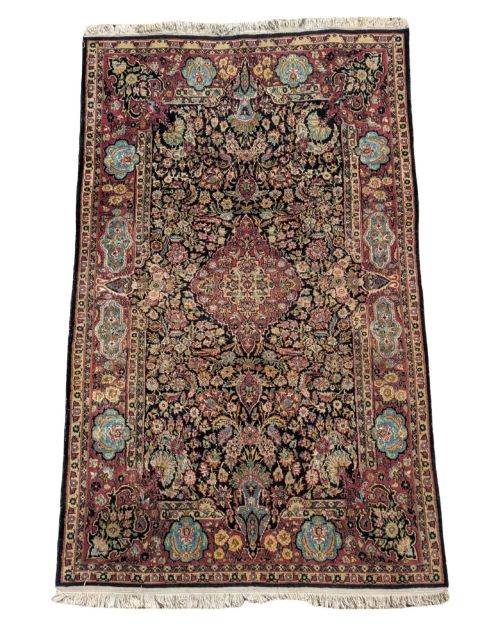
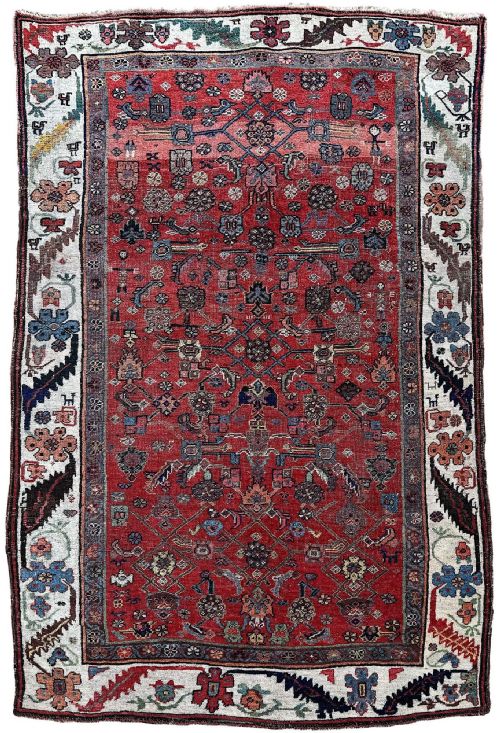
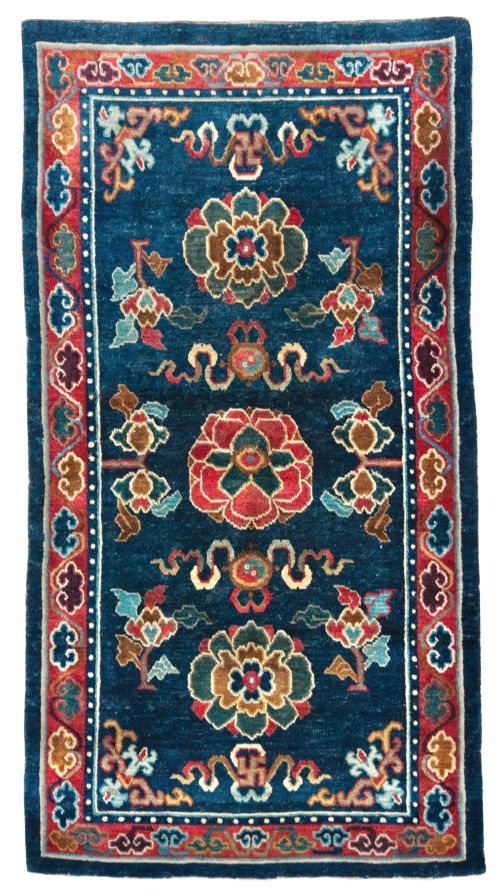
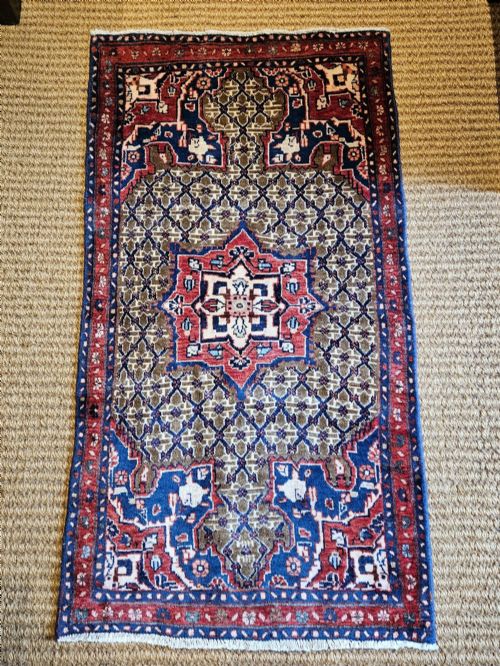
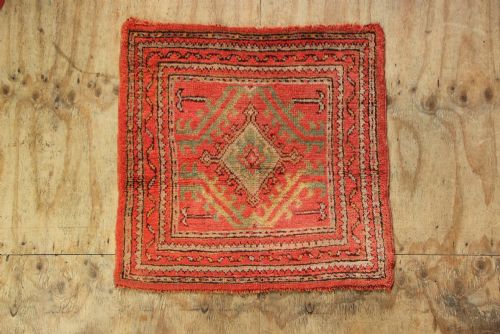
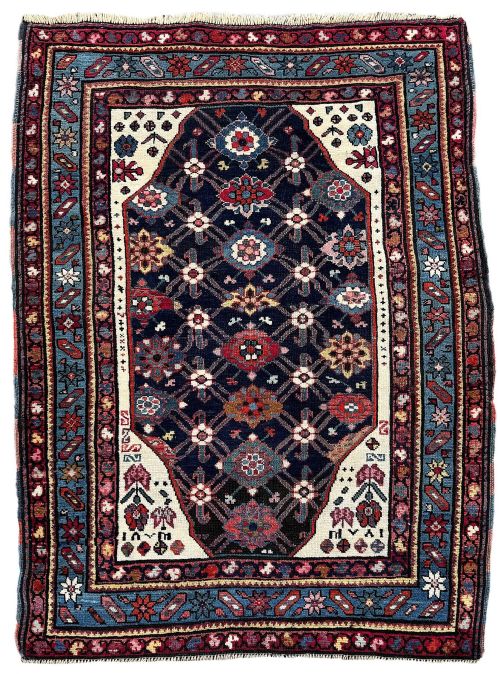
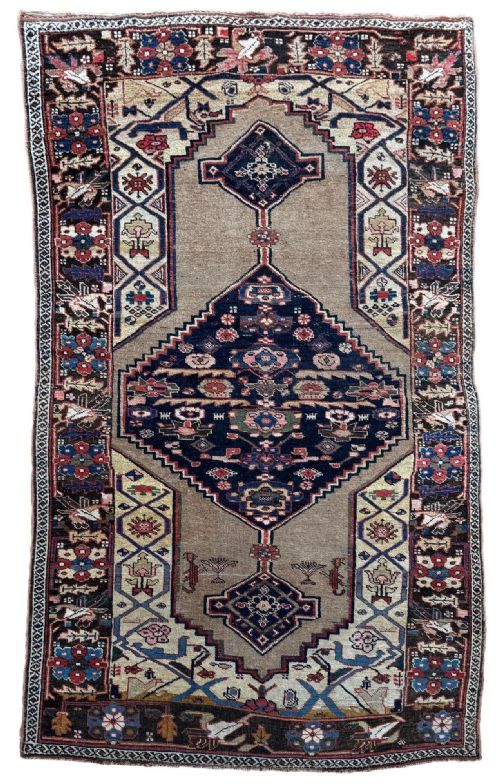
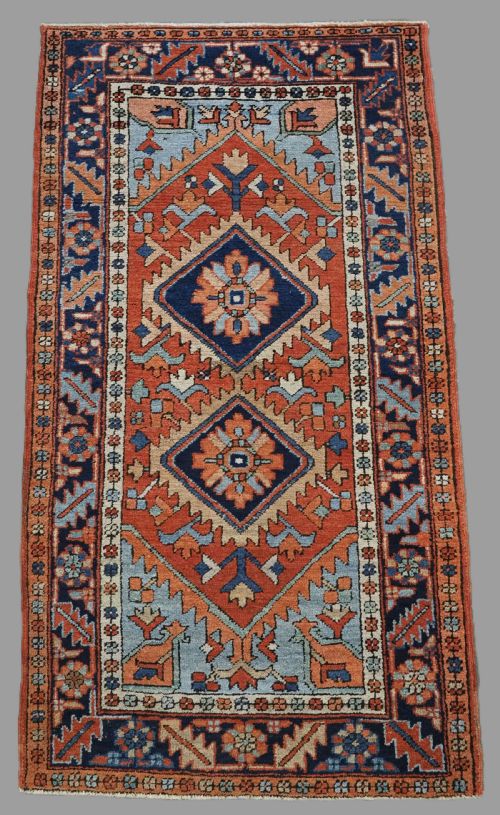
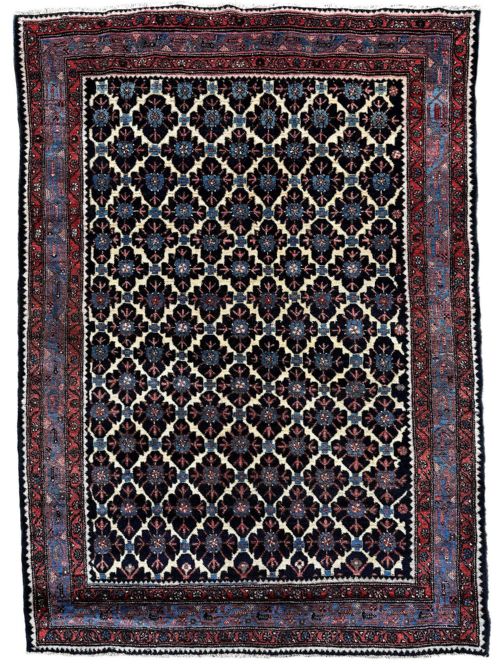
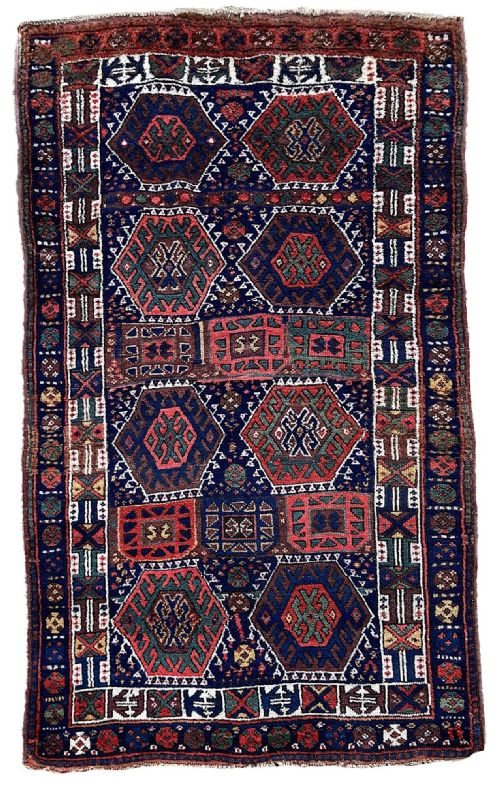
A hand knotted accent rug represents a diverse category of floor coverings originating from Persian, Caucasian, Anatolian, and Afghan weaving traditions. These smaller formats span production periods from the nineteenth century into the 1930s, encompassing tribal village works and town pieces alike.
Buyers browsing this selection meet regional variations including Karaja, Bidjar, Heriz, and Isfahan formats, alongside nomadic Gabbeh and Baluch pieces. These smaller rugs frequently function as hearth-sized accents or prayer rugs designed for specific domestic spaces.
The materials and structures reflect traditional methods, utilising wool, cotton, and occasionally silk highlights on foundations of hand-spun wool or cotton warp. Natural dyes supply the characteristic depth of tone seen across these regional types.
How they were made
Weavers constructed these textiles by hand-knotting piles of wool or silk onto structural warps of cotton or wool, securing each row with horizontal weft threads. This labour-intensive process allowed for intricate geometric and floral iconography to emerge directly from the loom.
Dyers employed natural dye sources to colour the yarns, producing rich colour palettes that age gracefully over decades of light and use. Hand-spun wool supplied variations in texture and density, ensuring each rug bears the distinct fingerprint of its maker.
Certain nomadic prayer rugs include hidden rams horn motifs woven directly into the arch to ward off misfortune.
What varies in quality
The refinement of the knotting and the complexity of the regional design differentiate examples across the scale. Tighter knot counts permit sharper geometric precision and more detailed execution of traditional motifs.
The purity and depth of the natural dyes significantly influence the visual impact of the piece. Subtle variations in tone and the presence of hand-spun wool contribute to a richer patina that develops over generations.
The Hand Knotted Accent Rug Glossary
- Warp
- The vertical threads stretched upon a loom that form the structural skeleton of the rug. The exposed fringe at either end of the textile typically consists of these tensioned threads.
- Weft
- The horizontal threads passed through the warp yarns to lock the hand-tied knots firmly into place. This element contributes to the structural stability of the finished piece.
- Pile
- The vertical surface of yarn created by individual knots cut to a uniform height. This soft upper layer receives foot traffic and displays the woven pattern.
- Mihrab
- A distinctive arched architectural niche design frequently woven into prayer rugs. This directional motif traditionally points the worshipper toward Mecca.
- Natural Dyes
- Colourants derived from plant, insect, and mineral sources rather than synthetic chemicals. These traditional dyes yield nuanced, light-softened hues over time.
Hand Knotted Accent Rug: Frequently Asked Questions
Where were these rugs made?
The pieces originate primarily from weaving centres and tribal regions across Persia, the Caucasus, Anatolia, and Afghanistan. Workshops and nomadic groups in these areas utilised distinct regional patterns and local materials.
Specific towns and tribes such as Bidjar, Heriz, Karaja, and Shirvan developed recognisable design vocabularies that help identify their geographic roots.
How do I style a small rug?
These compact formats suit entryways, hearths, and smaller floor spaces where a concentrated splash of pattern and texture is required. They anchor furniture arrangements or serve as standalone textile art on bare timber floors.
Because many were originally used as prayer rugs or hearth rugs, their dimensions adapt easily to bedside placement or hallway accent positioning.
What is a prayer rug?
A prayer rug is a portable devotional textile featuring a mihrab or arched niche design at one end. The weaver oriented this motif to indicate the direction of prayer during daily observances.
These functional pieces often display specific regional iconography and smaller dimensions suited for individual ritual use.
How do I identify regional types?
Distinguishing regional origins involves examining the specific knotting structure, colour combinations, and geometric or floral motifs. Towns like Heriz and Bidjar show robust structures and signature medallion layouts, while tribal pieces like Gabbeh feature minimal, open fields.
Border designs and secondary colours also provide reliable clues to whether a piece hails from Caucasian, Persian, or Anatolian traditions.