


Small Red Wool Rug
A small red wool rug brings warmth and deep tribal tradition into a room through rich natural dyes and tactile hand-spun wool.
Small Red Wool Rug
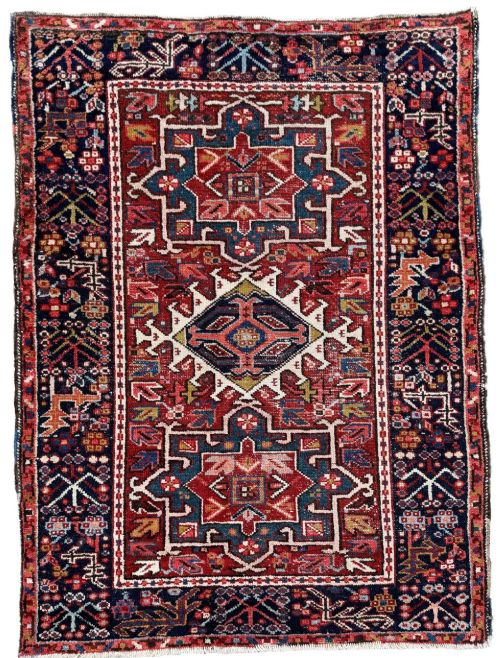
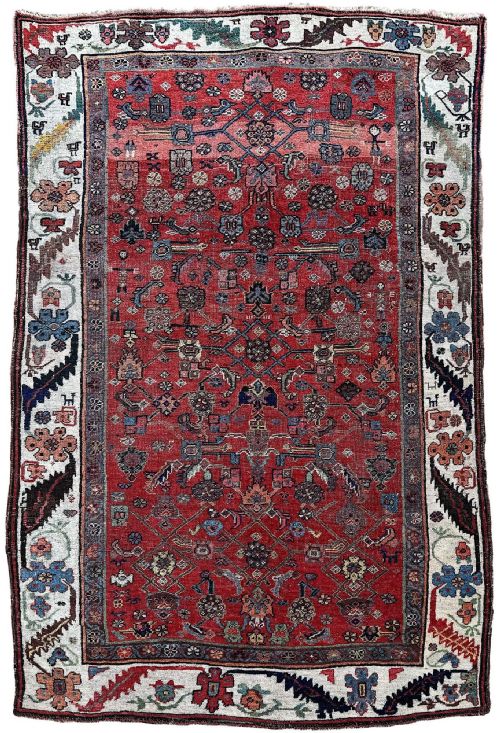
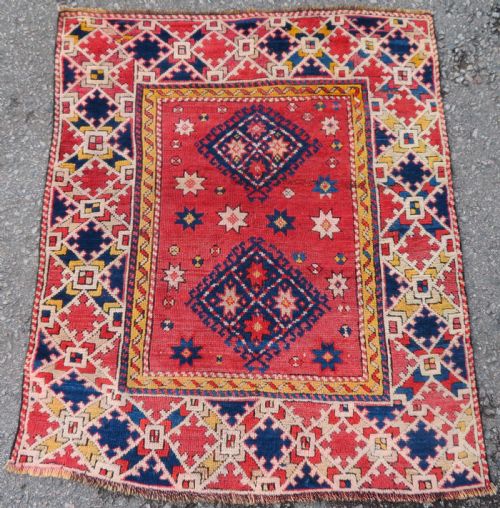
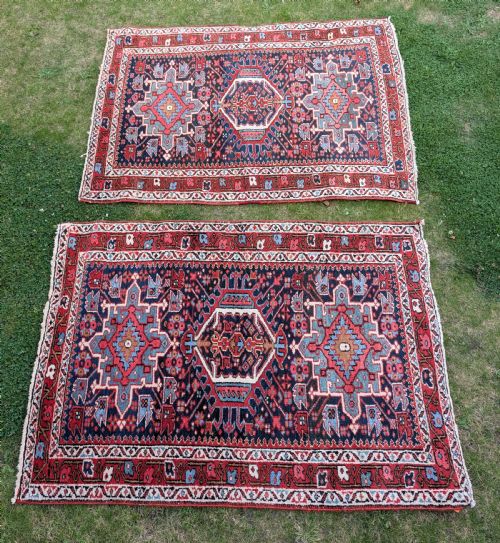
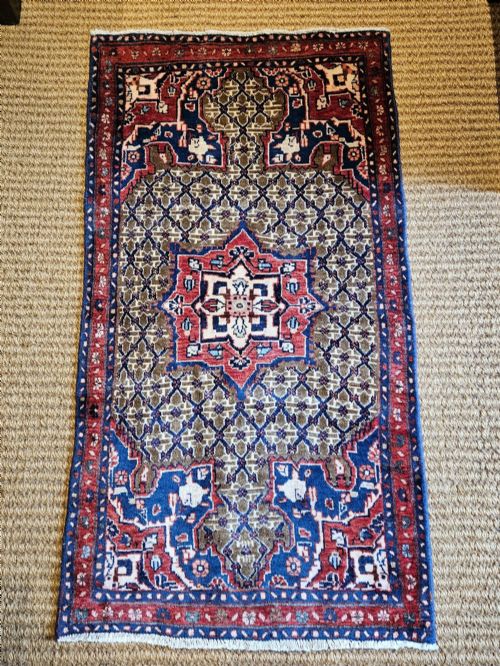
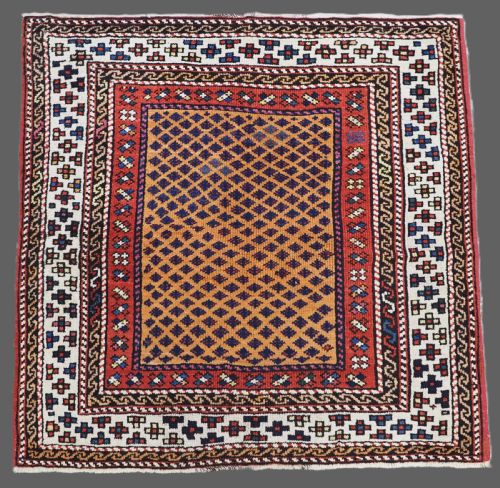
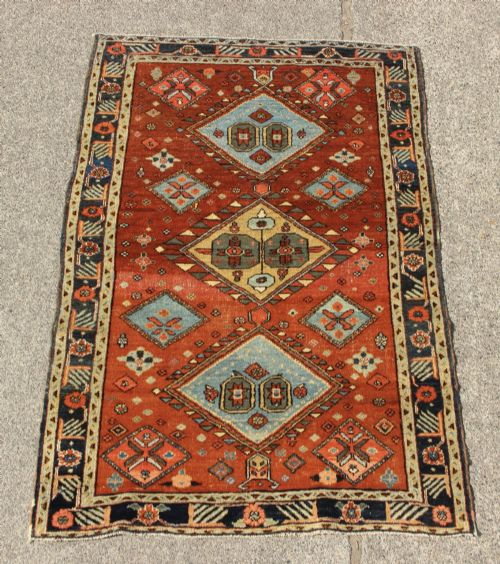
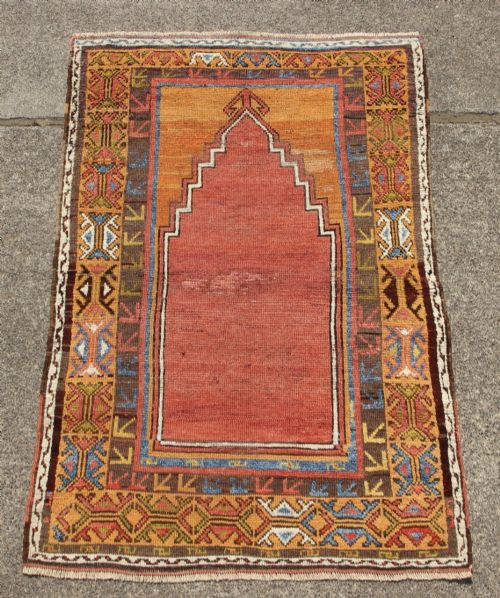
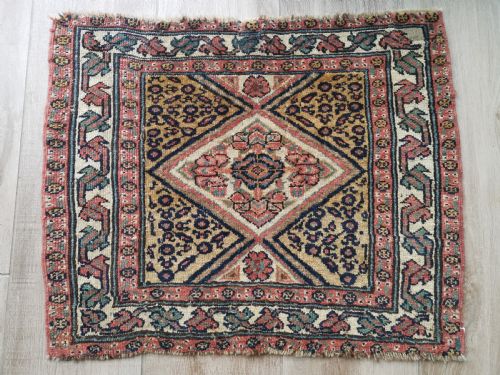
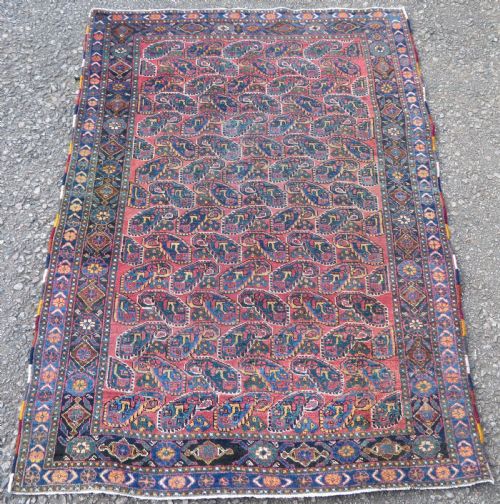
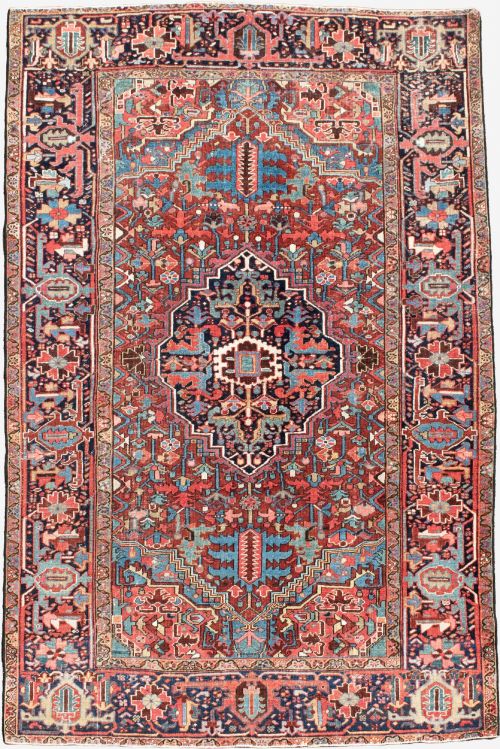
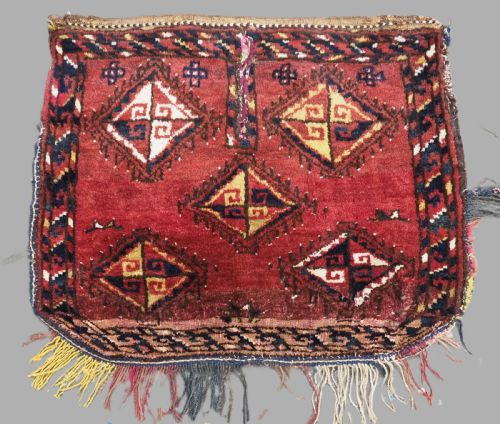
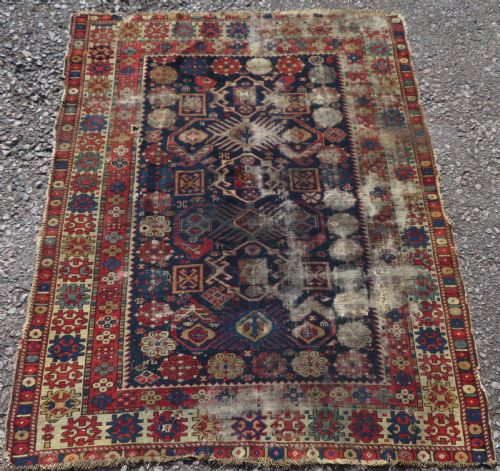
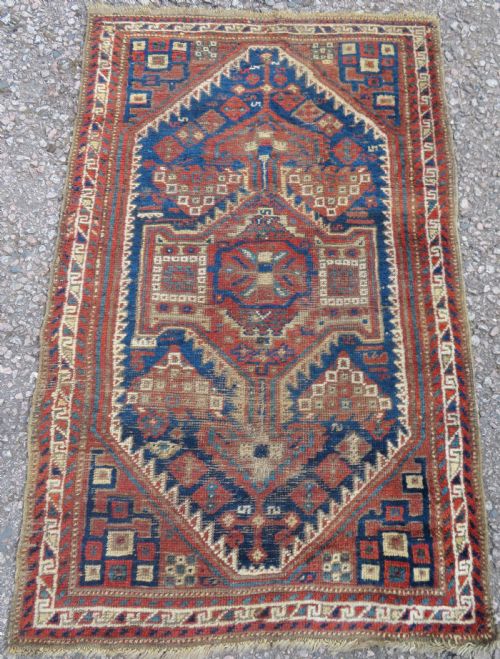
A buyer searching for a small red wool rug encounters centuries-old weaving traditions from Persian, Turkish, Caucasian, and Central Asian workshops. The pieces seen here span from the mid-nineteenth century through the early twentieth century, taking the form of village rugs, nomadic tribal weavings, prayer mats, and utilitarian bags. Most examples measure within compact dimensions suitable for hearths, small rooms, or wall display.
The dominant crimson and madder red tones derive from traditional plant dyes that weather gracefully over decades. Village workshops in regions such as Heriz, Karaja, Bidjar, and Bergama produced many of the durable formats found in this selection. Buyers frequently encounter geometric medallions, repeating lattice patterns, and characteristic tribal motifs woven by nomadic confederacies.
Materials and construction methods
Weavers constructed these textiles primarily using hand-spun wool for the pile, foundation yarns of wool or cotton, and natural dyestuffs derived from plants and insects. Natural dyes interact with wool fibres to create complex, shifting tones that chemical dyes cannot replicate. The density of the knotting varies according to the specific tribal origin, with city and town workshops employing finer knots than remote nomadic camps.
Nomadic groups utilised readily available materials from their flocks, resulting in thick, resilient pile wool designed to withstand harsh daily use. Foundation warps and wefts were tightly beaten together using heavy combs, creating sturdy structures that survived generations of foot traffic and handling.
Several small bags and tent door rugs preserve the secret travels of nomads who packed their worldly treasures in wool.
Factors that define quality
Quality in these textiles depends heavily on the vibrancy and depth of the natural dyestuff palette, particularly the richness of the reds. Pieces possessing deep, saturated madder grounds with subtle tonal variations command greater appreciation among collectors than flat, uniform colour fields. The clarity of the geometric or floral drawing also separates standard village pieces from masterwork examples.
Structural integrity and the retention of original outer borders indicate superior preservation. The handling of the wool, the tautness of the weave, and the precision of the tribal symbols reflect the skill of the individual weaver. Even when pieces show historical wear, the vitality of the composition remains the primary measure of excellence.
The Small Red Wool Rug Glossary
- Madder
- A natural red dye extracted from the roots of the Rubia plant, widely utilised across Persian and Anatolian weaving regions. It produces deep, enduring red tones that develop a rich patina over time.
- Prayer Rug
- A textile featuring a distinct mihrab or arch design at one end, traditionally laid on the ground to indicate the direction of Mecca during daily prayers.
- Chanteh
- A small traditional woven bag or pouch made by nomadic groups for personal storage and transport. These utilitarian pieces often feature intricate tribal patterns compressed into compact dimensions.
- Warp
- The foundational vertical threads stretched taut on a loom before weaving begins. Weft threads are passed horizontally through these warps to lock the knots in place.
- Torba
- A small wall-hanging bag used in Turkmen households for storage inside tents. They typically display distinctive guls and geometric border designs.
Small Red Wool Rug: Frequently Asked Questions
How do I care for an antique wool rug?
Vacuum the piece gently without using a rotating brush bar to protect the delicate hand-spun pile. Keep the textile out of direct sunlight to prevent the natural red wool dyes from fading.
Professional cleaning should occur only when necessary by specialists familiar with antique vegetable-dyed textiles. Avoid chemical spot cleaners that can strip natural oils from the wool fibres.
Where were these small rugs originally made?
The pieces originate from diverse regions spanning Persia, Anatolia, the Caucasus, and Central Asia. Nomadic tribes and village communities produced them for daily domestic use, travel, or ritual purposes.
Specific weaving centres include Heriz, Karaja, Bidjar, Bergama, and territories inhabited by Baluch, Turkmen, and Afshar populations.
How can I tell different tribal designs apart?
Tribal designs are distinguished by characteristic geometric motifs, border arrangements, and colour palettes unique to specific groups or regions. Turkmen weavers often incorporated repeating guls, while Caucasian and Persian village weavers favoured sharp medallions and stylised floral elements.
Examining the structure, wool quality, and selvedge finishes helps attribute a textile to its precise geographic origin.
Can these antique rugs be used on the floor?
Many of these durable wool textiles were built for daily use on tent and cottage floors. Placing a quality rug underlay beneath the piece prevents slipping and reduces friction against the foundation.
Fragile prayer rugs or small bags with delicate pile are better suited for low-traffic areas or wall display to preserve their condition.