


Hand Gilded Porcelain
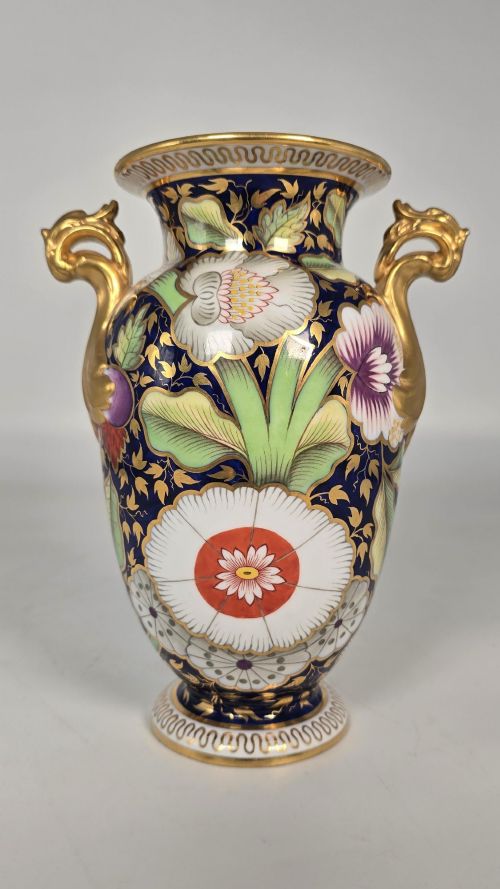
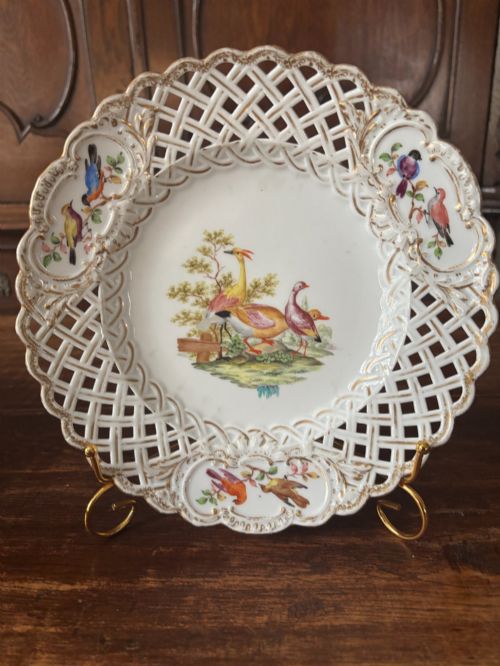
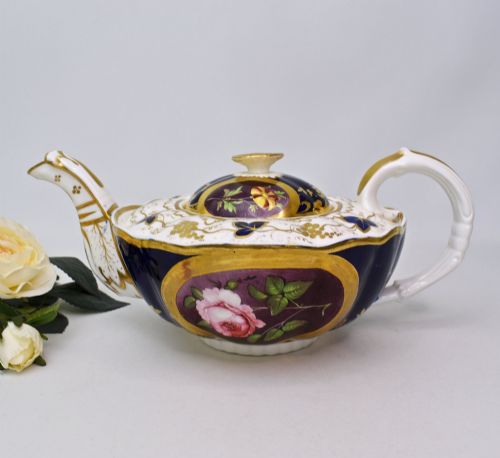
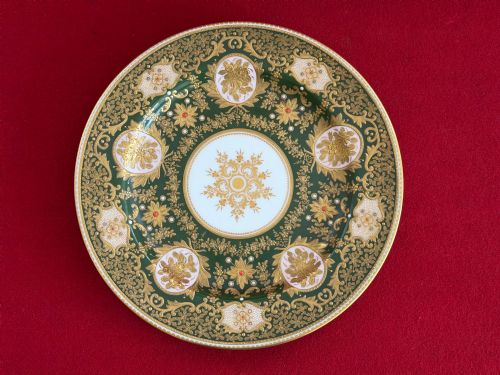
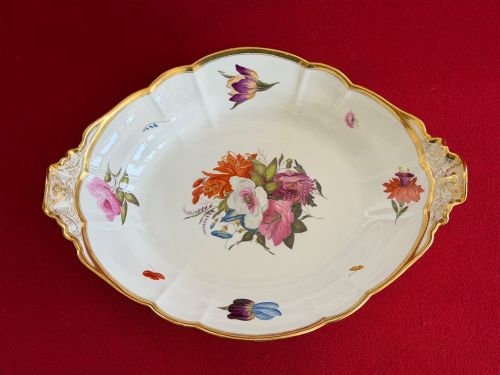
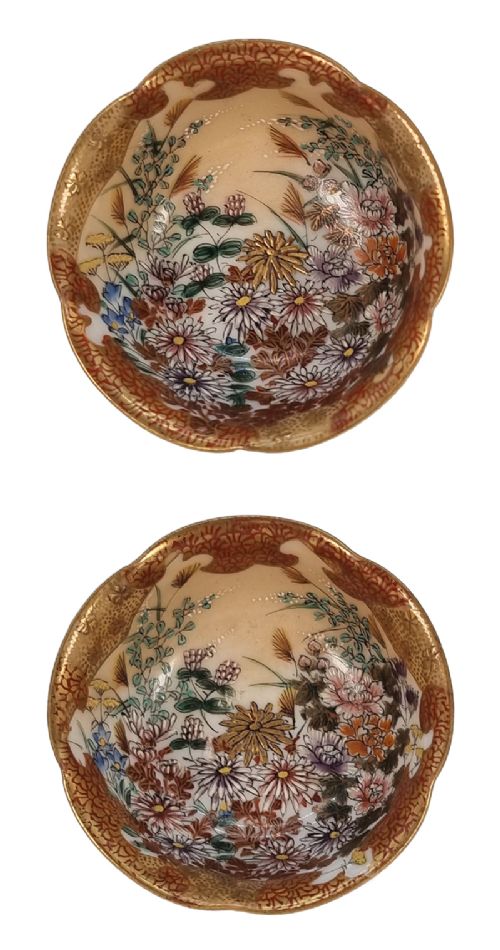
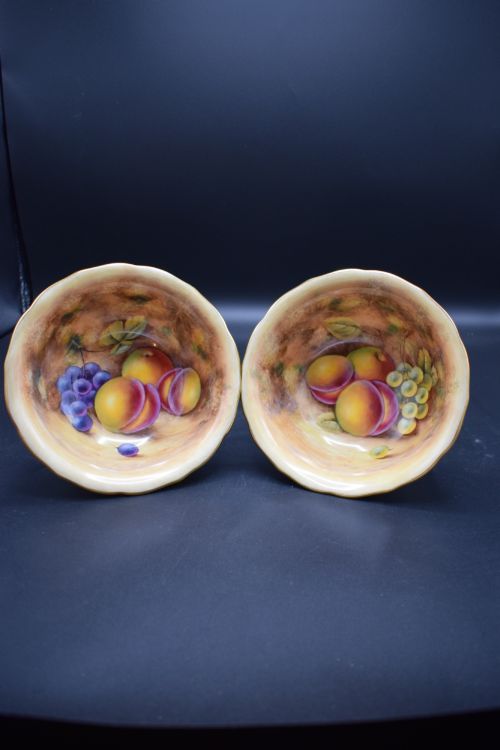
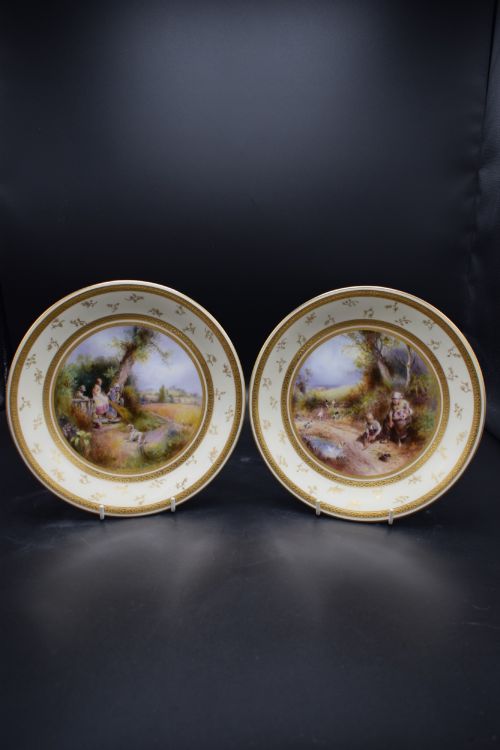
Hand gilded porcelain brings together delicate ceramic forms and rich metallic embellishment, offering collectors tangible pieces of historical artistry from Georgian, Victorian, and Regency periods.
Hand Gilded Porcelain
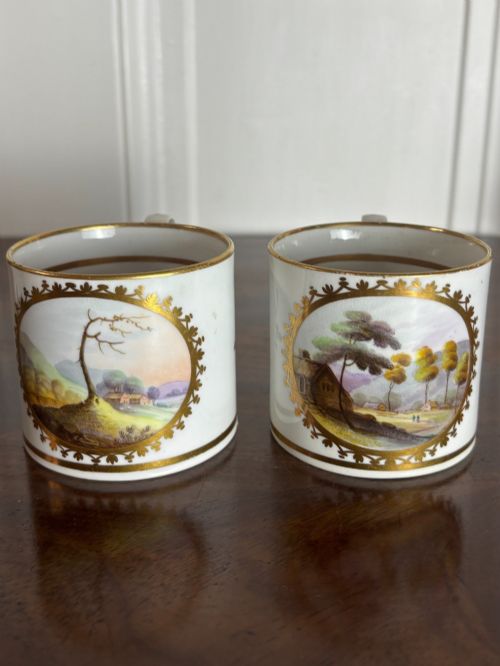
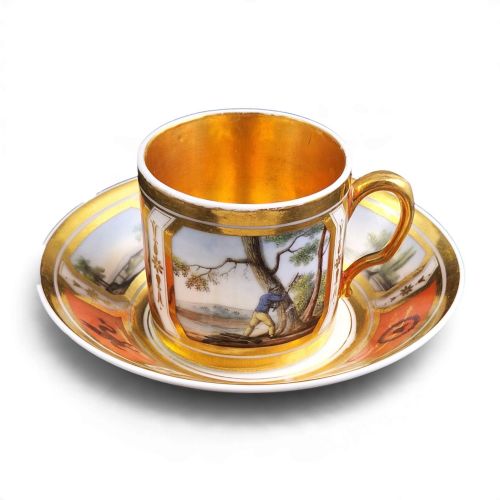
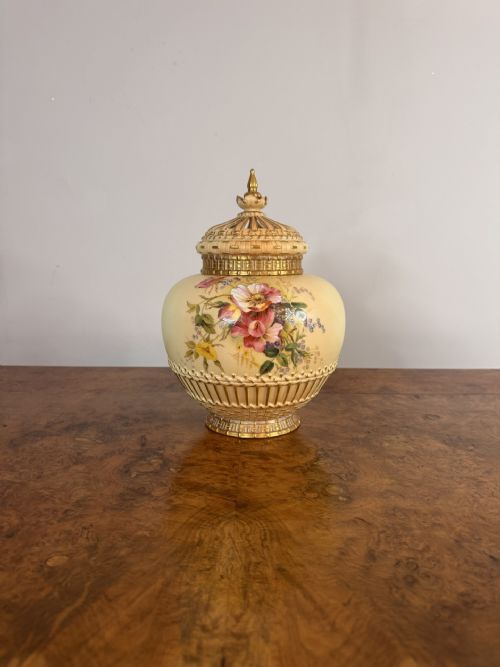
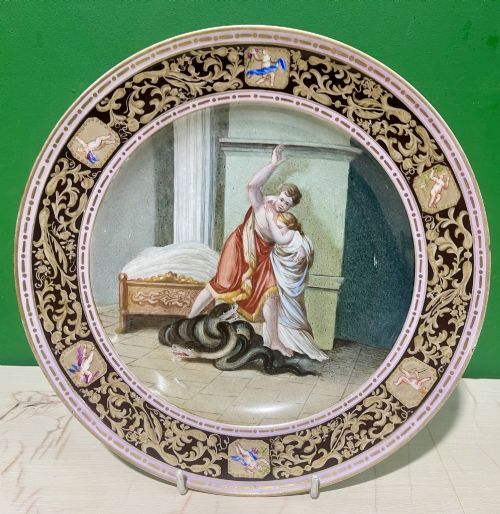
Hand gilded porcelain encompasses diverse decorative objects found within this inventory, spanning functional teacups, cabinet plates, inkstands, and large vases.
Pieces frequently emerge from historic ceramic centres including Worcester, Derby, Spode, and Minton, alongside continental factories like Sèvres and KPM Berlin.
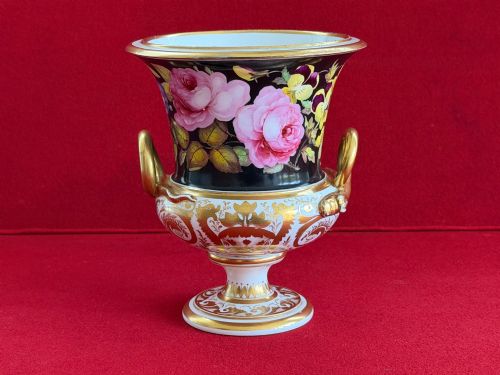
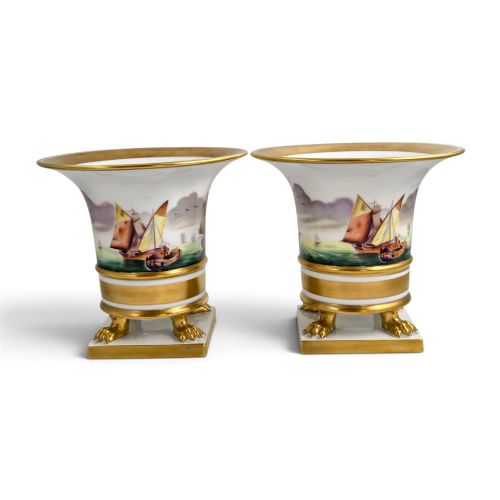
The selection ranges from Georgian soft-paste wares and Regency campana-shape vessels to Victorian plaques and Japanese Meiji period garnitures.
Materials and application techniques
Items are formed from porcelain or soft-paste porcelain bodies, sometimes paired with glass, enamel, or giltwood mounts.
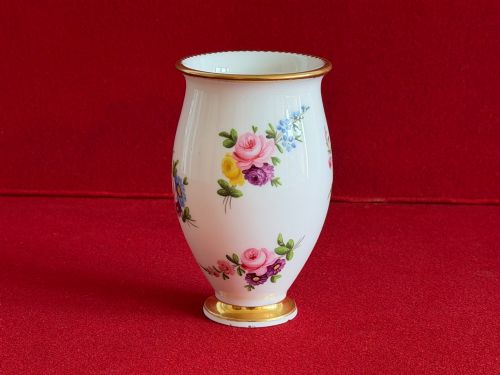
Decoration relies on meticulous hand application of gold leaf or metallic gilding over glazed ceramic surfaces, often combined with hand-painted polychrome scenes and floral motifs.
Hand Gilded Porcelain Retail Price Guide 2026
Typical asking prices for hand gilded porcelain among the pieces listed under this phrase on Sellingantiques today, from the lower quarter to the upper quarter. They describe what is for sale here now, not the wider market.
Several inkstands still harbour dried historical ink residue within their wells, hinting at forgotten correspondence.
Factors determining quality
Quality rests upon the precision of the ceramic body's form and the intricacy of the painted and gilded details executed by named decorators and studio artists.
Superior examples demonstrate crisp definition in moulded shapes, stable enamel adhesion, and rich, burnished gold work that retains its lustre across centuries.
Royal Worcester·New Hall Porcelain·KPM Berlin·H and R Daniel·Japy Freres
The Hand Gilded Porcelain Glossary
- Soft-paste porcelain
- An artificial porcelain composition fired at lower temperatures than hard-paste, common in 18th-century English factories. It exhibits a warm tone under glaze.
- Garniture
- A set of three or more matching vases or decorative vessels designed to be displayed together on a mantelpiece or sideboard. These sets frequently feature matching hand gilded motifs.
- Campana
- A classical vase shape resembling an inverted bell with an everted rim and a pedestal foot. Many Regency period porcelain examples utilise this classic silhouette.
- Inkstand
- A desk accessory holding inkwells, pen trays, and sometimes sanders. Finer ceramic versions incorporate matched porcelain stands with elaborate gilding.
- Bough pot
- A decorative ceramic vessel designed to hold cut flowering branches for interior decoration. They typically include a pierced cover to keep stems arranged.
Hand Gilded Porcelain: Frequently Asked Questions
How do I care for hand gilded porcelain?
Dust pieces gently with a soft, dry brush and wash them only by hand in lukewarm water using mild soap when necessary. Avoid harsh abrasives or soaking, as these actions can damage delicate enamel and gold leaf.
Keep items away from direct sunlight to prevent fading on painted surfaces. Proper placement ensures the metallic embellishments remain stable and bright over time.
Were these pieces used daily or displayed?
Many items like cabinet plates, garniture vases, and pastille burners served primarily as decorative ornaments in formal rooms. Others, including teacups, porter mugs, and inkstands, saw practical use in affluent households.
Survival rates often depend on this original function, with cabinet pieces retaining crisper gilding. Practical wares show varying degrees of handling consistent with their active service.
How can I identify the period of a piece?
Period identification relies on examining factory marks, paste composition, and stylistic traits typical of Georgian, Regency, or Victorian eras. Shape profiles and mounting styles also offer strong chronological indicators.
Comparing pattern numbers and decorator styles helps narrow down production decades. Reference literature provides factory mark timelines to confirm specific dates.
What does studio decoration mean?
Studio decoration refers to pieces painted or gilded outside the original manufacturing factory, often by independent artists working in specialised workshops. Well-documented examples include pieces decorated in the studio of James Giles.
These independent works often display unique artistic interpretations distinct from standard factory output. Collectors value them for their individualised artistic merit and traceable hand.