
Hand Embroidered Textile Panels
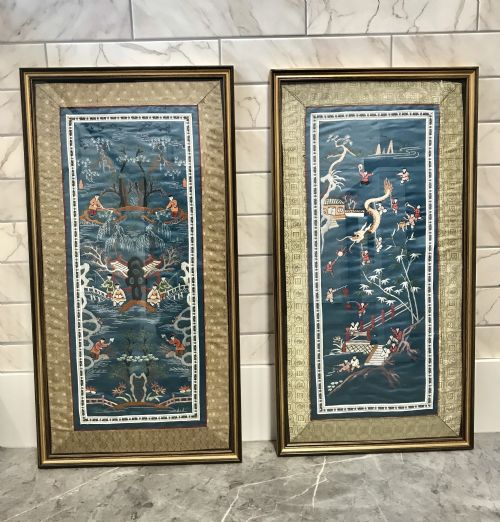
When choosing hand embroidered textile panels, you acquire historic needlework expressions carrying the distinct artistic traditions of Central Asian, Greek, and English makers.
Hand Embroidered Textile Panels
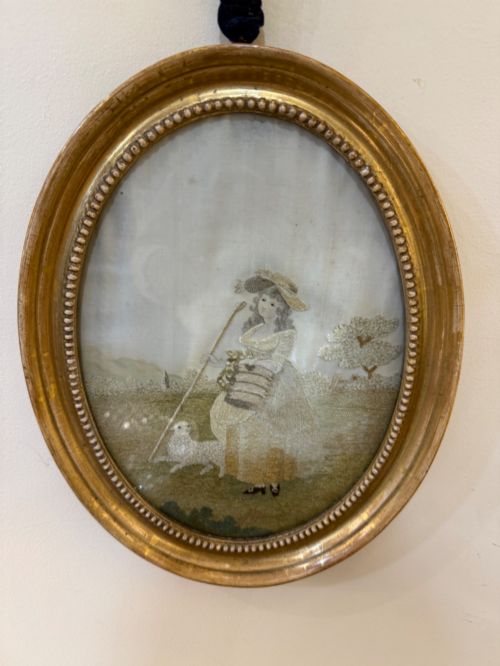
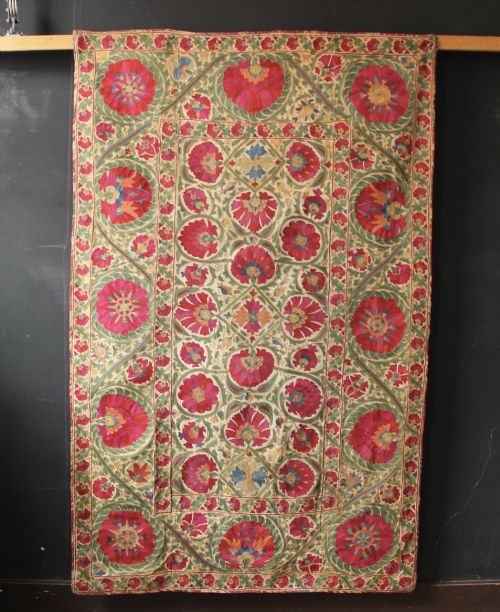
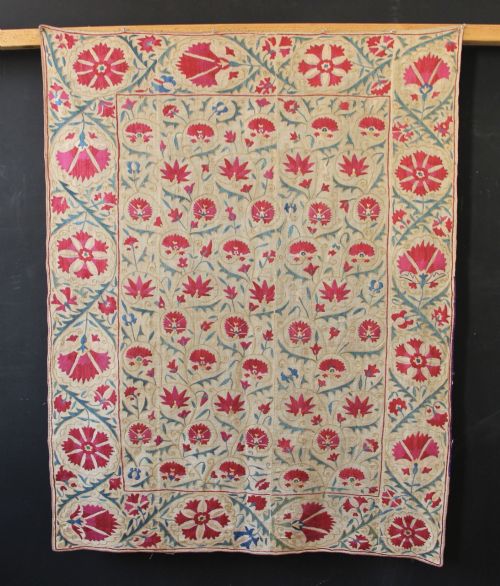
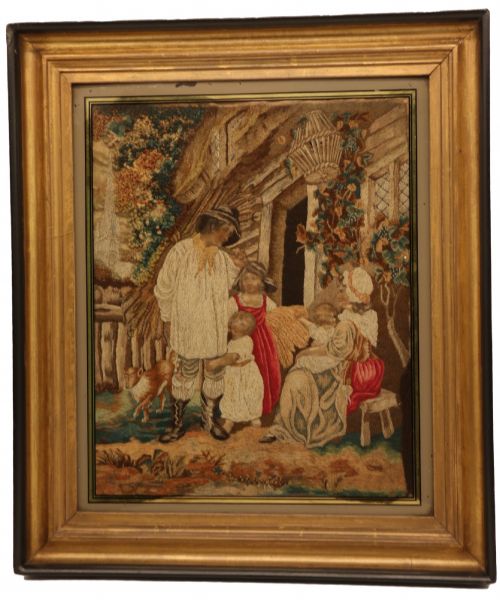
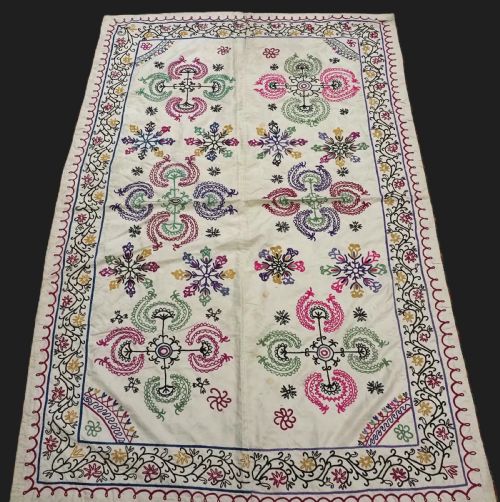
Hand embroidered textile panels encompass a diverse range of historic needlework items produced across multiple centuries and geographic regions. Buyers browsing this selection encounter large wall hangings, ceremonial covers, and smaller decorative fragments originating from diverse cultural traditions.
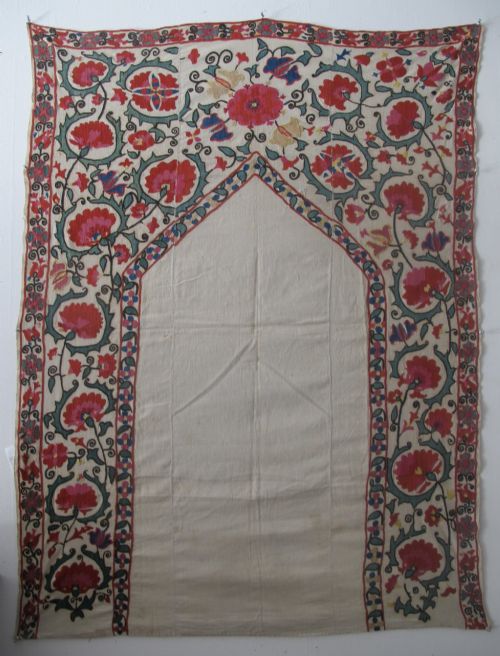
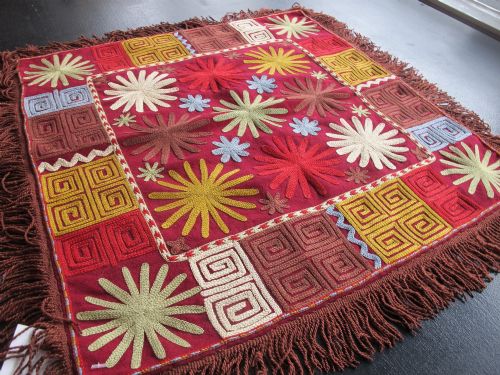
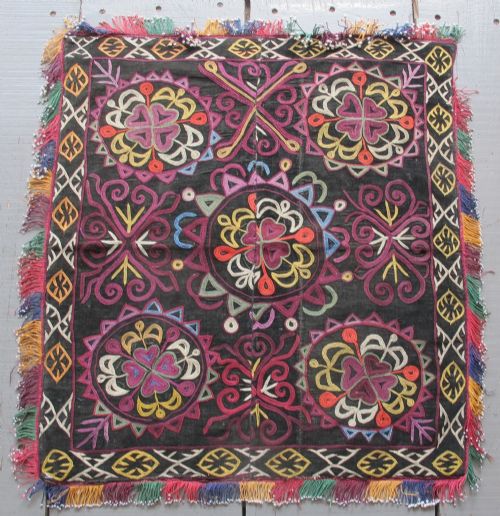
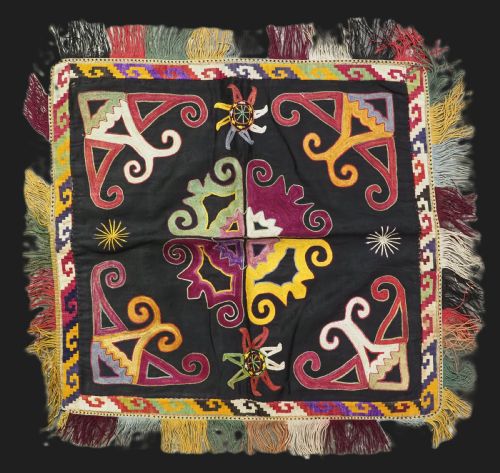
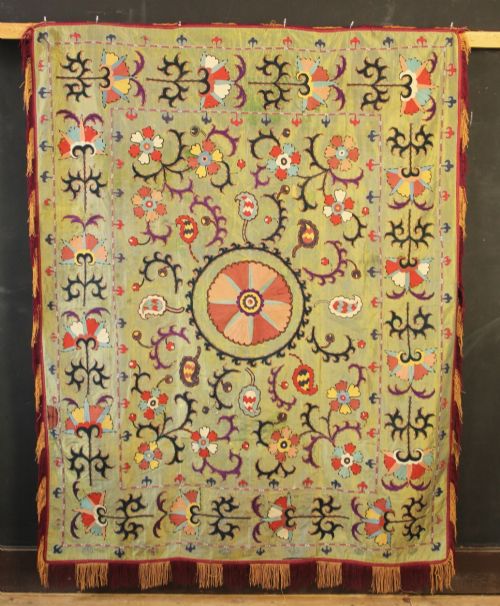
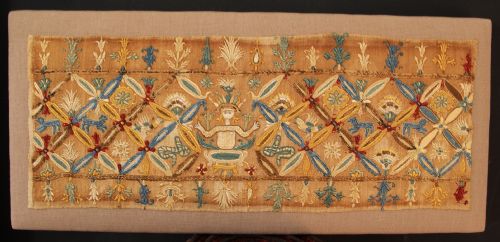
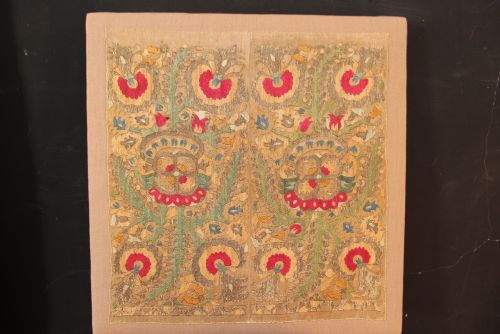
The most common examples appearing here are Central Asian suzanis and tribal pieces from Uzbekistan, alongside English crewelwork and Greek island embroideries. These textiles functioned as domestic furnishings, dowry items, or architectural adornments within their original cultural contexts.
Pieces span from seventeenth-century English needlework up to early twentieth-century tribal works, each displaying the specific motifs and structural formats native to their place of production.
Materials and Construction Techniques
Maker execution relies on natural foundation fabrics including linen, cotton, wool, and silk, providing stable grounds for detailed needlework. Artisans utilised dyed silk threads, wool, and cotton yarns to build complex pictorial and geometric designs across the surface.
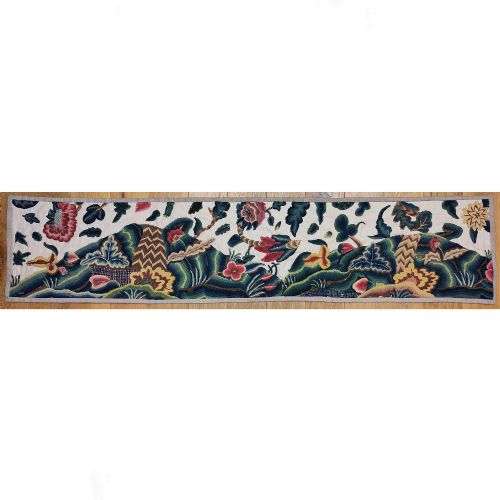
Specialised techniques vary by region, ranging from the dense silk embroidery stitches of Bukharan suzanis to the heavy woollen crewelwork of English tradition and the applied felted fringes seen in Kyrgyz yurt decorations.
Listings feature textiles spanning from the seventeenth century to the twentieth century, incorporating silk, cotton, wool, and felt materials.
Evaluating Quality and Execution
Execution depends upon the fineness of the needlework, the complexity of the design layout, and the preservation of the original ground fabric and threads. Superior examples exhibit precise stitch control and harmonious colour combinations that reflect the high skill of the individual artisan or workshop.
The integrity of the structural composition and the vibrancy of the remaining organic dyes significantly influence the visual impact of each textile panel.
The Hand Embroidered Textile Panels Glossary
- Suzani
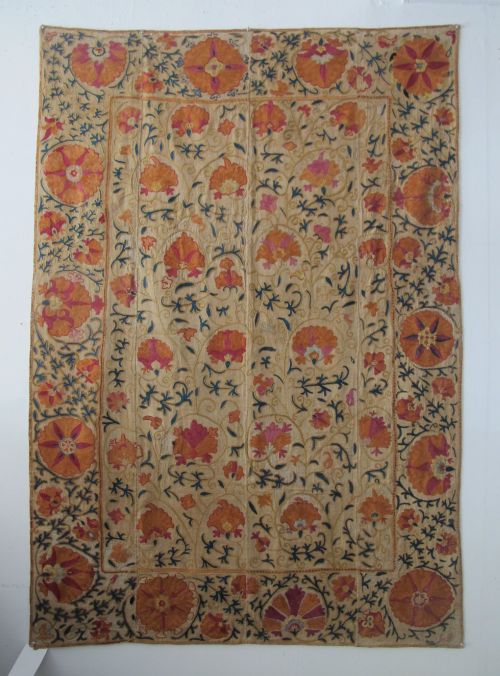
- A large, embroidered tribal wall hanging from Central Asia, typically worked in silk thread on a cotton or linen foundation. These textiles often feature bold floral and architectural motifs.
- Crewelwork
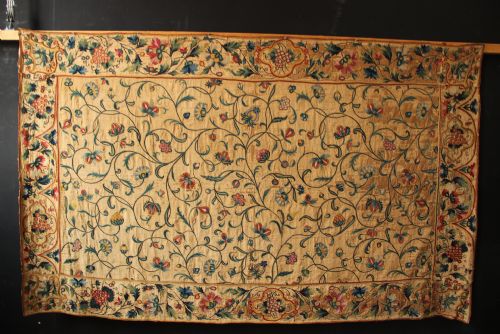
- A traditional form of embroidery utilising wool yarn on a heavy linen or cotton twill ground. This technique is particularly associated with English needlework from the seventeenth century onwards.
- Ilgich
- A small embroidered hanging or utility bag produced by Lakai and other Uzbek tribal groups. They served decorative and domestic functions within nomadic households.
- Adras
- A traditional Central Asian fabric woven with a warp of silk and a weft of cotton, frequently utilised as the ground material for embroidered suzanis.
Hand Embroidered Textile Panels: Frequently Asked Questions
How were suzanis used originally?
Suzanis served primarily as decorative wall hangings, bed covers, or ceremonial textiles within Central Asian homes. Families used them to adorn domestic interiors during weddings and other significant cultural events.
Over time, these textiles became valued markers of family wealth and status, often passed down through generations as part of a bride's dowry.
What is crewelwork?
Crewelwork is an ancient style of embroidery that uses woollen yarn to create textured, flowing designs on a sturdy fabric foundation. English makers frequently applied this technique to hangings, bedcurtains, and upholstery.
The method allows for a rich variety of stitches, producing deep relief and intricate patterns across the textile surface.
How should I hang an antique textile?
Hanging antique textiles safely requires distributing the weight evenly across the entire upper edge to avoid putting stress on fragile historic fibres. Professional conservators often recommend stitching a cotton sleeve to the back and sliding a padded support rod through.
Direct exposure to strong sunlight should be avoided to prevent the fading of natural silk and wool dyes over time.
How do I distinguish regional styles?
Regional styles reveal themselves through distinct combinations of base fabrics, stitch types, and recurring motifs. Central Asian suzanis typically display large-scale floral disks in vibrant silk on cotton grounds, while Greek island works often feature geometric or stylised botanical borders.
English needlework employs wool crewel stitches on heavy linen, providing a direct visual contrast to oriental and tribal formats.