
Hand Embroidered Silk
Hand embroidered silk brings tactile depth to interiors through centuries of global textile traditions.
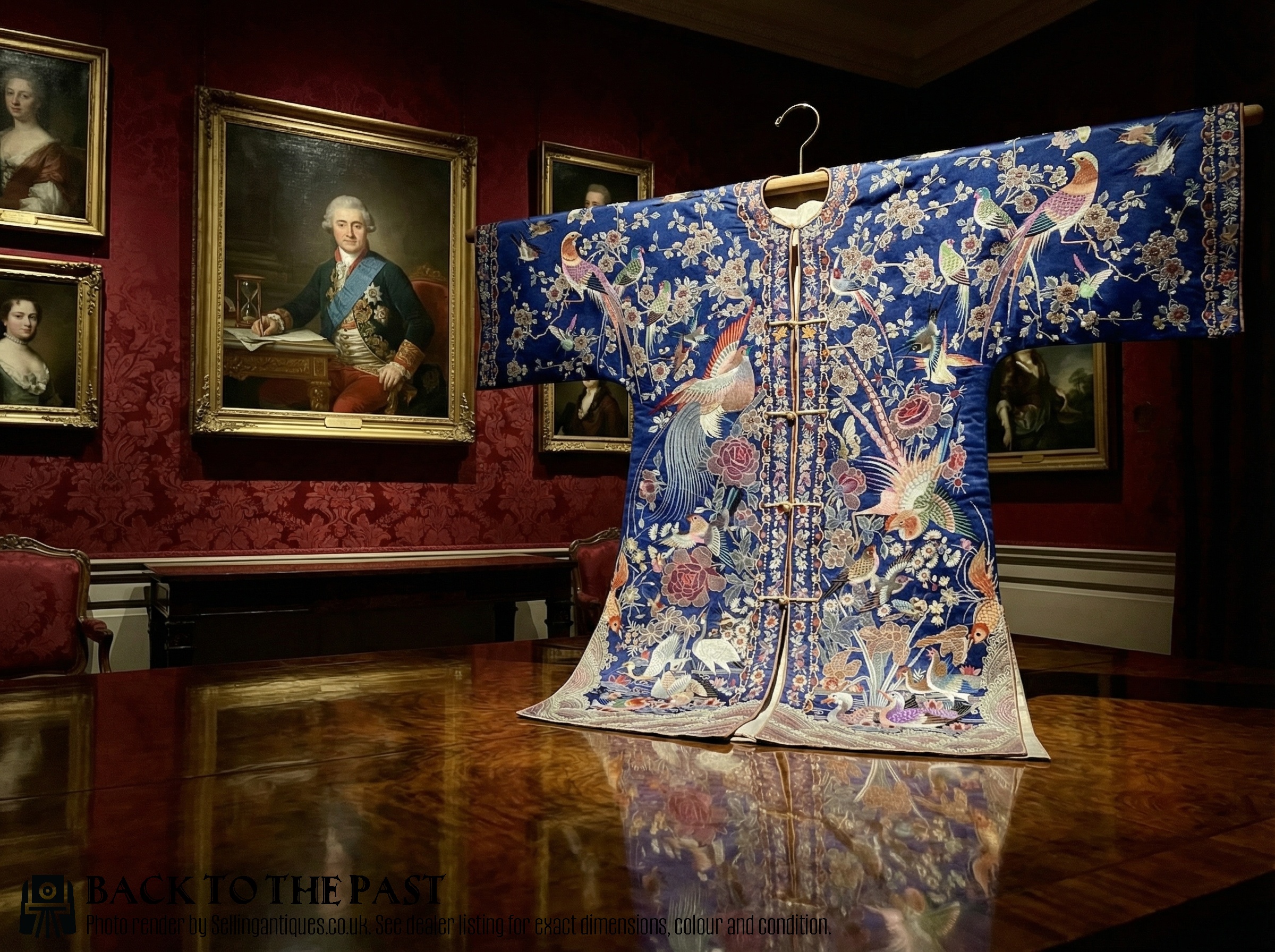
Hand Embroidered Silk
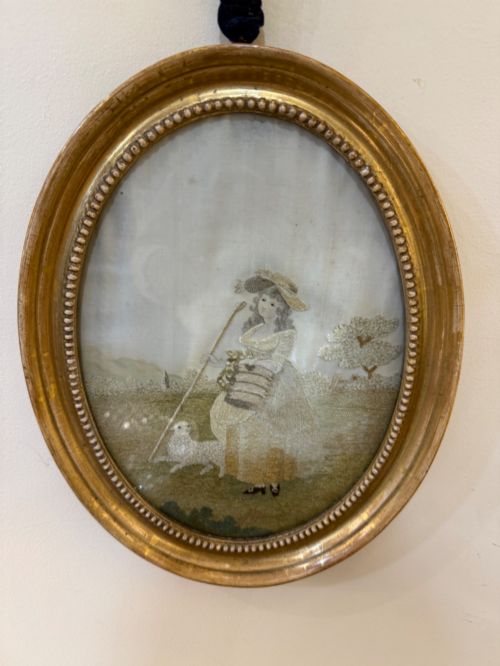
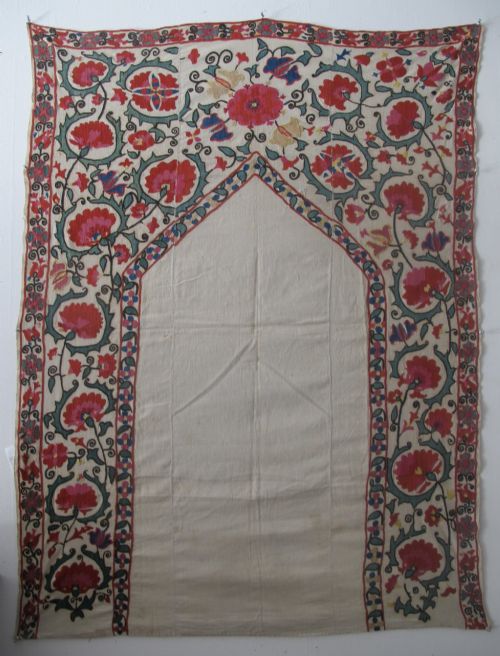
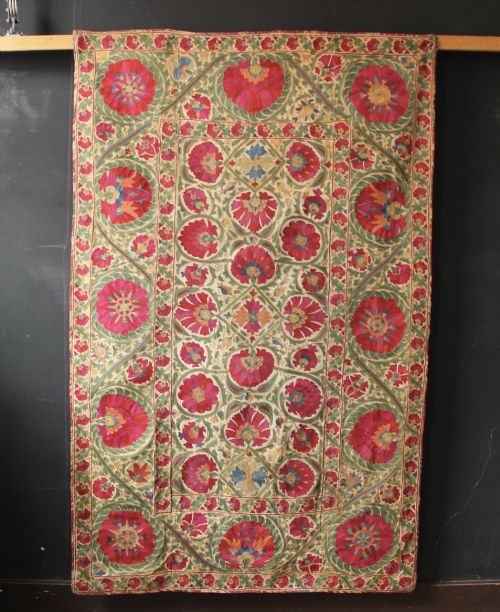
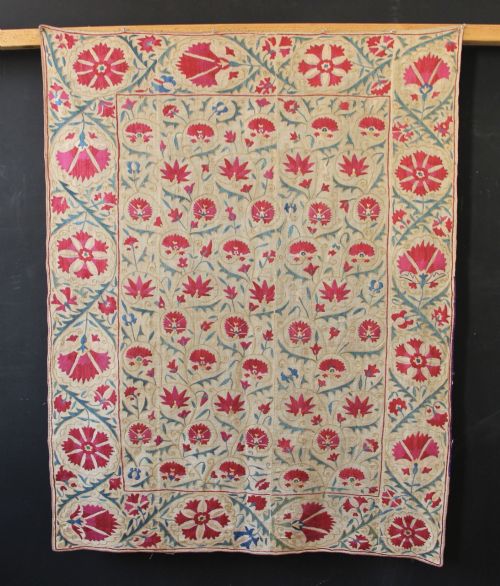
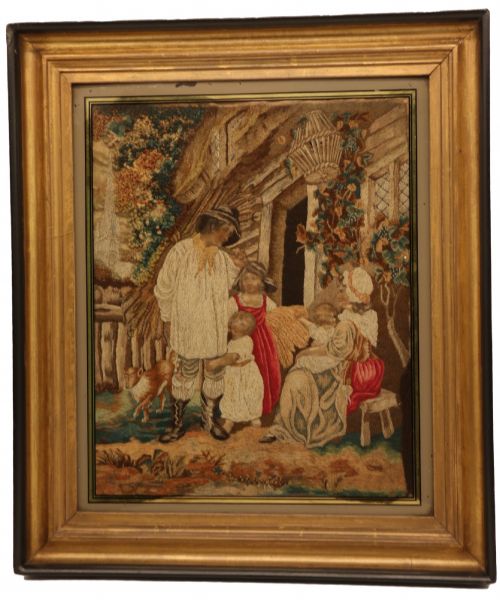
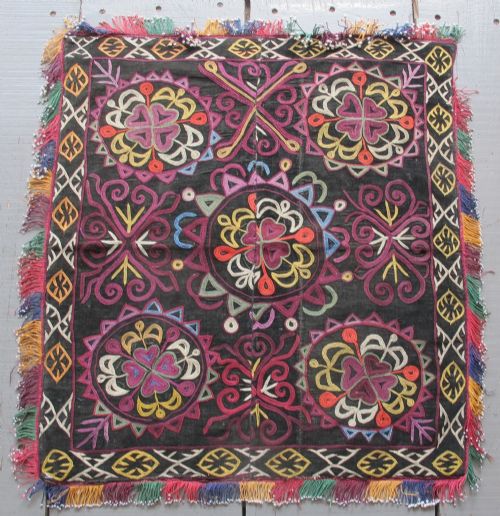
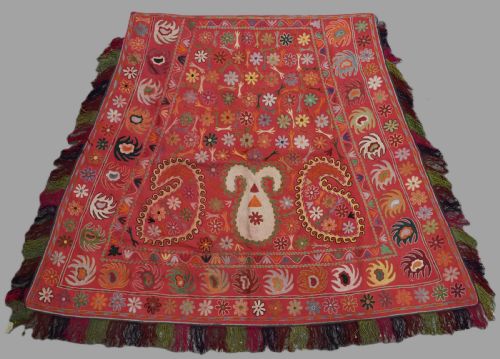
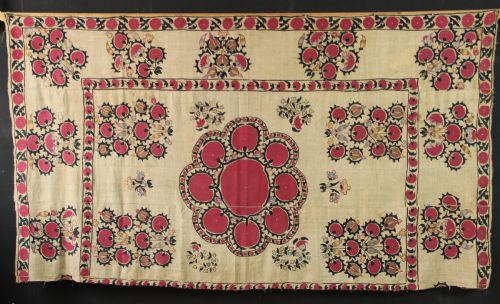
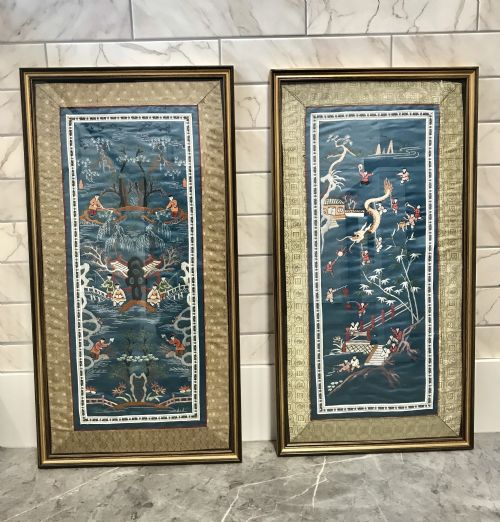
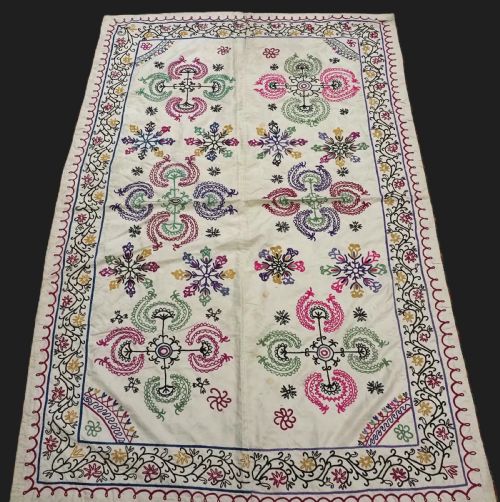
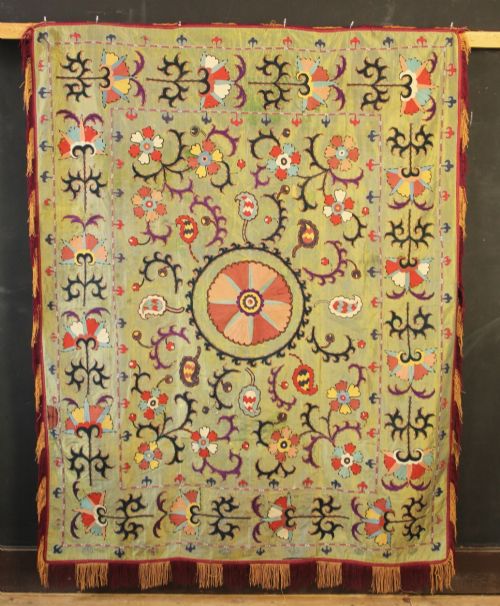
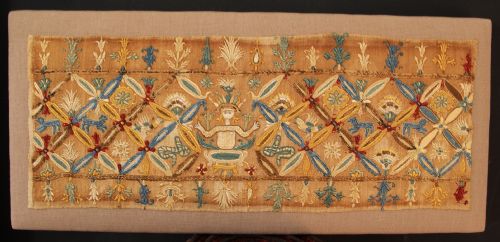
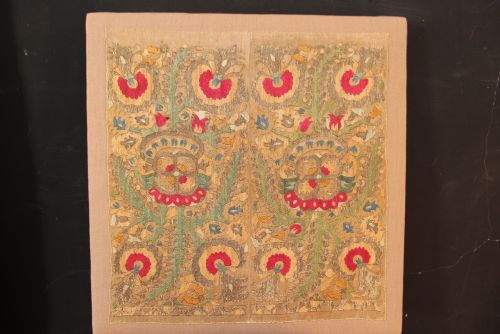
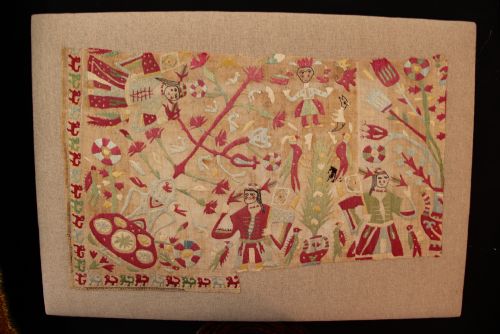
Hand embroidered silk pieces span functional domestic items and decorative panels originating from Central Asia, China, and Europe. Buyers searching for hand embroidered silk encounter large Suzanis, ceremonial horse covers, shawl panels, and framed needlework pictures.
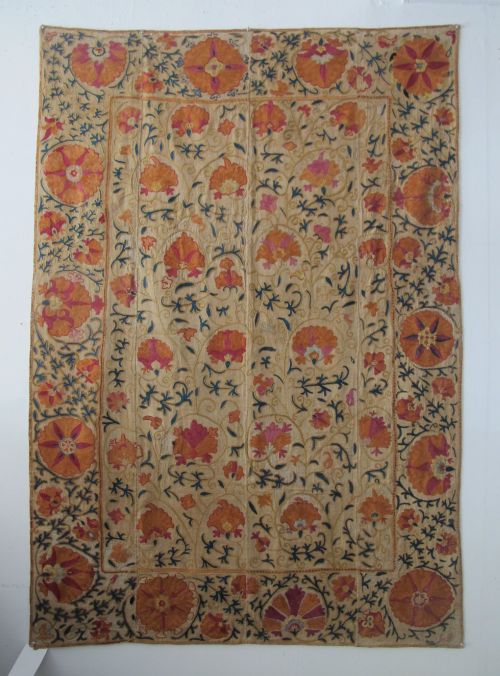
Central Asian Suzanis dominate the offerings, worked in silk thread on cotton, wool, or adras grounds. Other forms include Chinese embroidered panels, Greek island embroideries, and English bell pulls.
Materials and construction methods
Artisans executed these textiles using fine silk thread applied to supportive grounds of silk, cotton, wool, or linen. Many Central Asian Suzanis combine silk embroidery on dyed cotton or mixed adras foundations.
Makers integrated supplementary materials such as glass beads and wooden mounts to frame or embellish the needlework. English and Chinese examples frequently pair hand stitching with hand painted silk or glass protection.
Listings feature textiles spanning from the eighteenth century to the mid-twentieth century, utilising silk, cotton, wool, and linen grounds.
Indicators of quality and execution
Quality rests in the density of the needlework and the complexity of the botanical or geometric design. Tightly worked silk thread on robust foundational fabrics demonstrates superior technical execution.
Preservation of the original ground fabric and vibrancy of the natural silk threads distinguish finer examples. Compositional balance within traditional regional motifs dictates the visual success of each textile.
The Hand Embroidered Silk Glossary
- Suzani
- A large embroidered tribal hanging from Central Asia, traditionally worked by brides as part of their dowry. These textiles feature bold floral and medallion motifs.
- Nim Suzani
- A smaller scale variant of the traditional Central Asian Suzani wall hanging. These pieces offer compact dimensions suitable for diverse wall spaces.
- Adras
- A traditional Central Asian woven fabric made from a blend of silk and cotton. This material frequently serves as the foundation ground for regional embroideries.
- Ilgich
- A specific type of Central Asian tribal embroidery used for wall decoration. These panels reflect distinct regional tribal identities through specialised patterns.
- Bell Pull
- A vertical interior furnishing suspended by a cord to summon domestic staff in English houses. These items combine textile panels with decorative mounting hardware.
Hand Embroidered Silk: Frequently Asked Questions
How do I hang a textile safely?
Mount textiles using a non-damaging sleeve or velcro system attached to a supportive backing board. This distributes the weight evenly without stressing the historical silk threads.
Keep pieces away from direct sunlight to prevent fading of the natural dyed threads. Professional framing behind UV-filtering glass protects delicate needlework pictures and panels.
What is a Suzani used for?
Suzanis traditionally functioned as dowry items, wall hangings, and ceremonial bed covers in Central Asian households. Families displayed them during significant domestic celebrations.
Today, collectors primarily utilise these large embroidered panels as decorative wall art or interior focal points. Their scale and colour introduce texture to contemporary living spaces.
How do I identify Lakai tribal work?
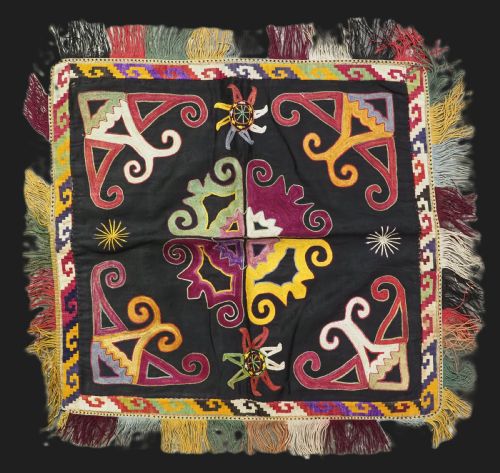
Lakai tribal embroideries often appear on smaller formats like horse covers, saddle rugs, and nim suzanis. They feature dynamic, asymmetrical geometric motifs rather than rigid symmetrical garden layouts.
The embroidery frequently utilises vibrant silk threads on contrasting red wool, cotton, or adras grounds. This gives them a distinct visual energy compared to urban workshop pieces.
Are these textiles cleaned easily?
Historical textiles require specialist conservation cleaning rather than standard domestic washing methods. Water immersion can destabilize fragile antique silk threads and historic dyed grounds.
Surface dust should be removed gently using low suction through a mesh screen. Consult a professional textile conservator for any deeper maintenance requirements.