



Hand Coloured Paper Print
A hand coloured paper print brings centuries of pigment, line, and historical observation directly onto a wall.
Hand Coloured Paper Print
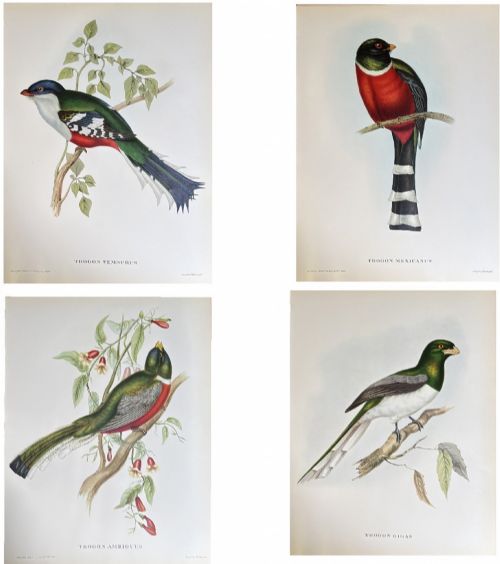
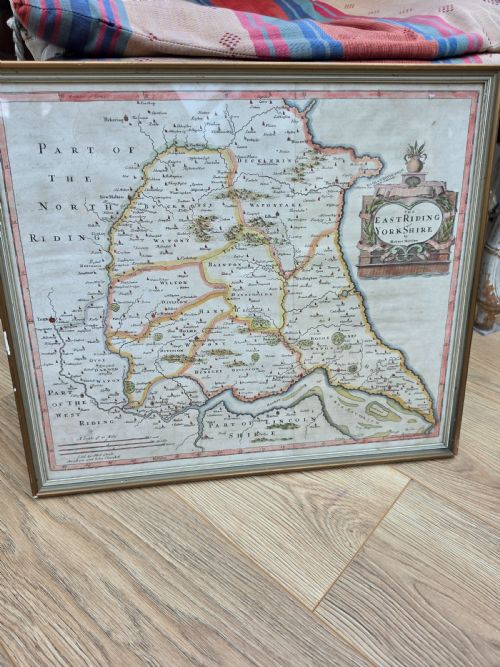
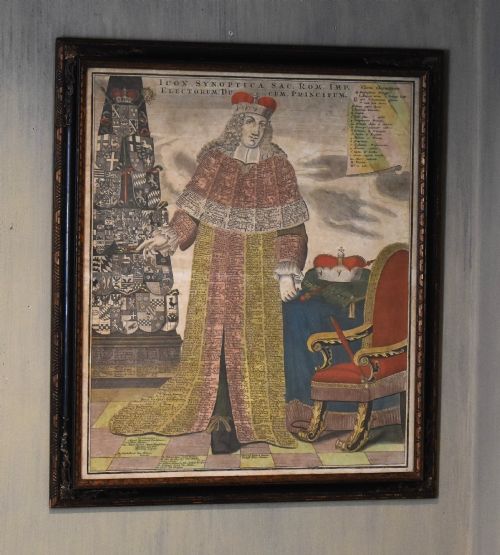
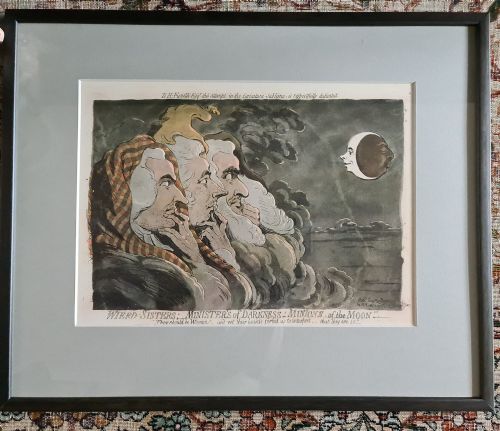
A hand coloured paper print spans subjects from detailed cartography and natural history to satirical portraiture and theatrical scenes. The selections on this page draw predominantly from the seventeenth, eighteenth, and nineteenth centuries, capturing everything from county maps to ornithological studies.
Buyers frequently encounter copperplate engravings, etchings, and lithographs that have received washes of watercolour by hand after printing. These works reflect the publishing standards of various historical periods, including Georgian atlases and Victorian natural science folios.
Materials and technique
The foundation rests upon laid or wove paper, receiving an impression from an engraved metal plate, woodblock, or lithographic stone using black or sepia ink. Artisans then applied watercolour washes by hand across the printed outlines, sometimes heightening details with gum arabic or gold leaf.
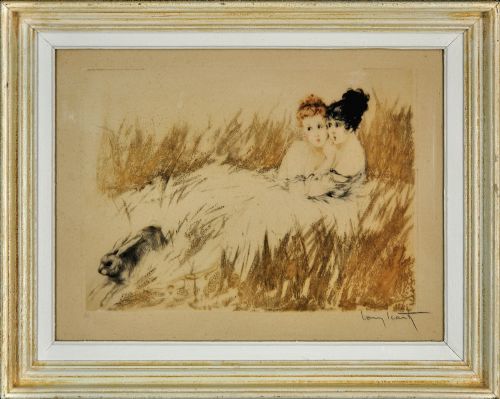
Frames typically consist of wood, occasionally finished with gilt, protecting the paper behind glass alongside backing boards and cardboard mountings.
Several botanical plates include tiny, meticulously hand-painted insects sharing the leaf surface with the primary floral specimen.
Distinctions in quality
Quality rests upon the precision of the initial engraving and the skill of the contemporary hand colouring. Finer examples display delicate pigment blending and register alignment that preserve the underlying printed lines without obscuring them.
The integrity of the paper support, the vibrancy of surviving watercolours, and the association with renowned cartographers or publishers elevate certain impressions above standard workshop output.
John Speed·Robert Morden·Joan Blaeu·Johannes Janssonius·John Cary
The Hand Coloured Paper Print Glossary
- Engraving
- A printmaking method where lines are cut directly into a metal plate with a burin. The resulting impressions hold ink sharply and form the basis of many early maps and portraits.
- Lithography
- A planographic printing technique based on the chemical repulsion of oil and water. It allowed publishers to produce tonal illustrations and multi-coloured plates efficiently during the nineteenth century.
- Cartography
- The study and practice of making maps. Antique examples often feature decorative cartouches and hand tinted regional boundaries.
- Watercolour
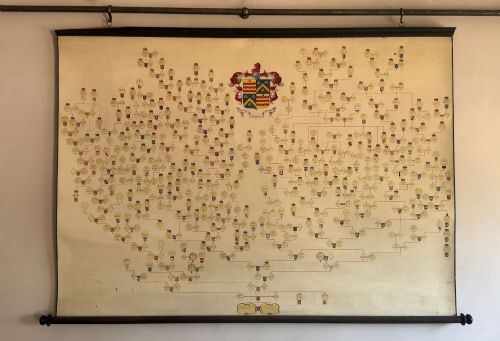
- A paint employing water-soluble pigments used extensively to tint monochrome printed lines by hand. This medium provides transparent washes that define heraldry, botanical specimens, and geographical regions.
Hand Coloured Paper Print: Frequently Asked Questions
How should I frame an antique print?
Protect the paper from direct sunlight and moisture by utilising UV-filtered glass and acid-free mounting materials. Keeping the piece away from direct heat sources prevents the paper from becoming brittle.
Ensure there is a small gap between the glass and the surface of the print to prevent condensation and adherence over time.
Were all these prints coloured at the time of publication?
Many historical maps and plates received their watercolour washes soon after printing in the publisher's workshop or by independent colourists. Some tinting occurred later in the history of an object.
Examination of the pigment penetration and paper ageing helps determine the chronological relationship between the ink impression and the colour application.
How do I identify the period of a map?
Cartographic publications often carry engraver credits, dedication cartouches, and specific typographical styles characteristic of centuries such as the seventeenth or eighteenth. Stylistic shifts in border design and place name spellings offer further chronological markers.
Comparing plate dimensions and geographical boundaries against known historical editions confirms the printing era.
What subjects are most common in these collections?
County maps and continental atlases dominate early selections, alongside scientific illustrations such as botany, ornithology, and ichthyology. Satirical scenes and theatrical plates also appear frequently from later centuries.
These diverse categories reflect the prevailing educational and decorative interests of historical households.