
Hand Carved Wood Figure
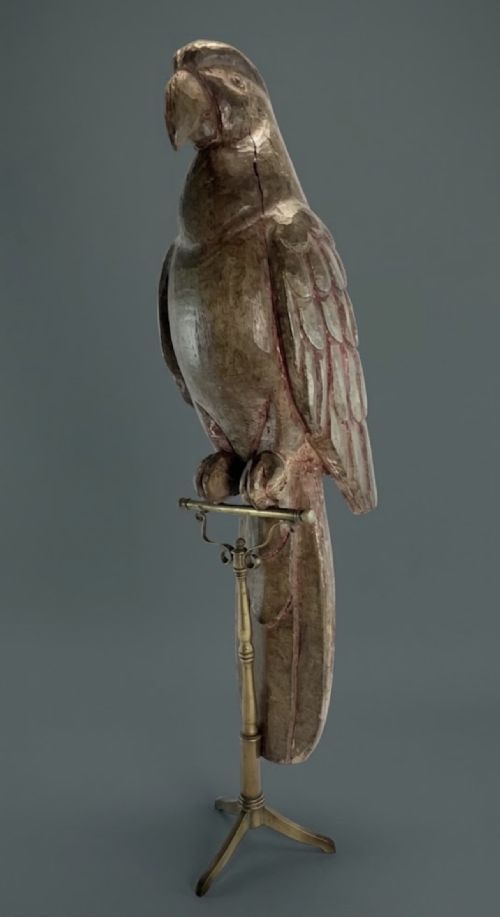
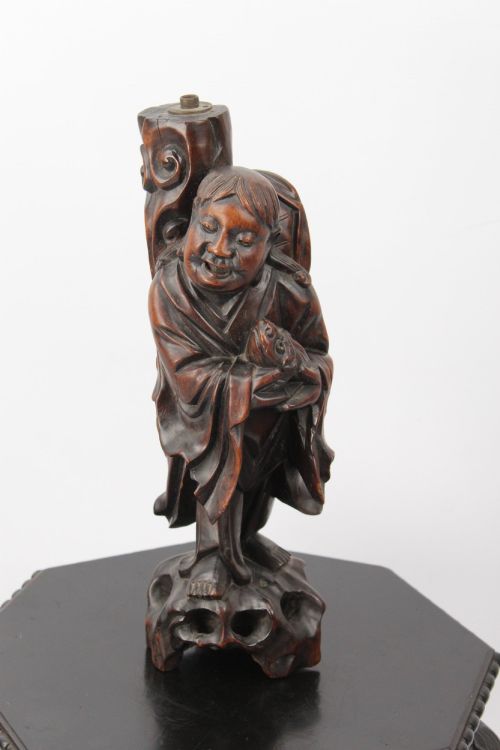
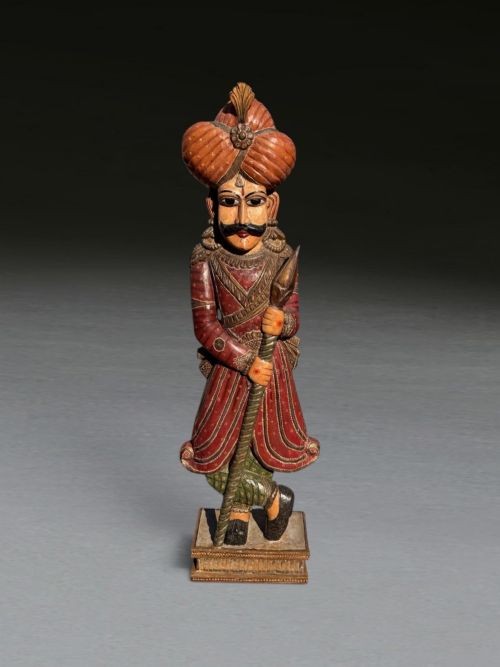
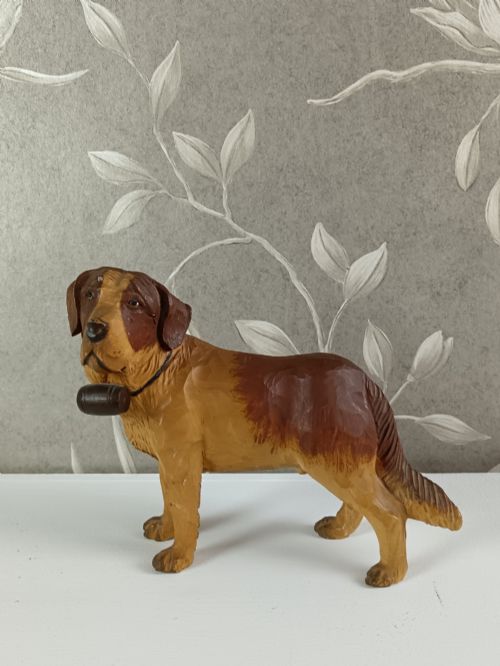
A hand carved wood figure brings character to a room through expressive animal studies, saints, and folk subjects shaped across centuries.
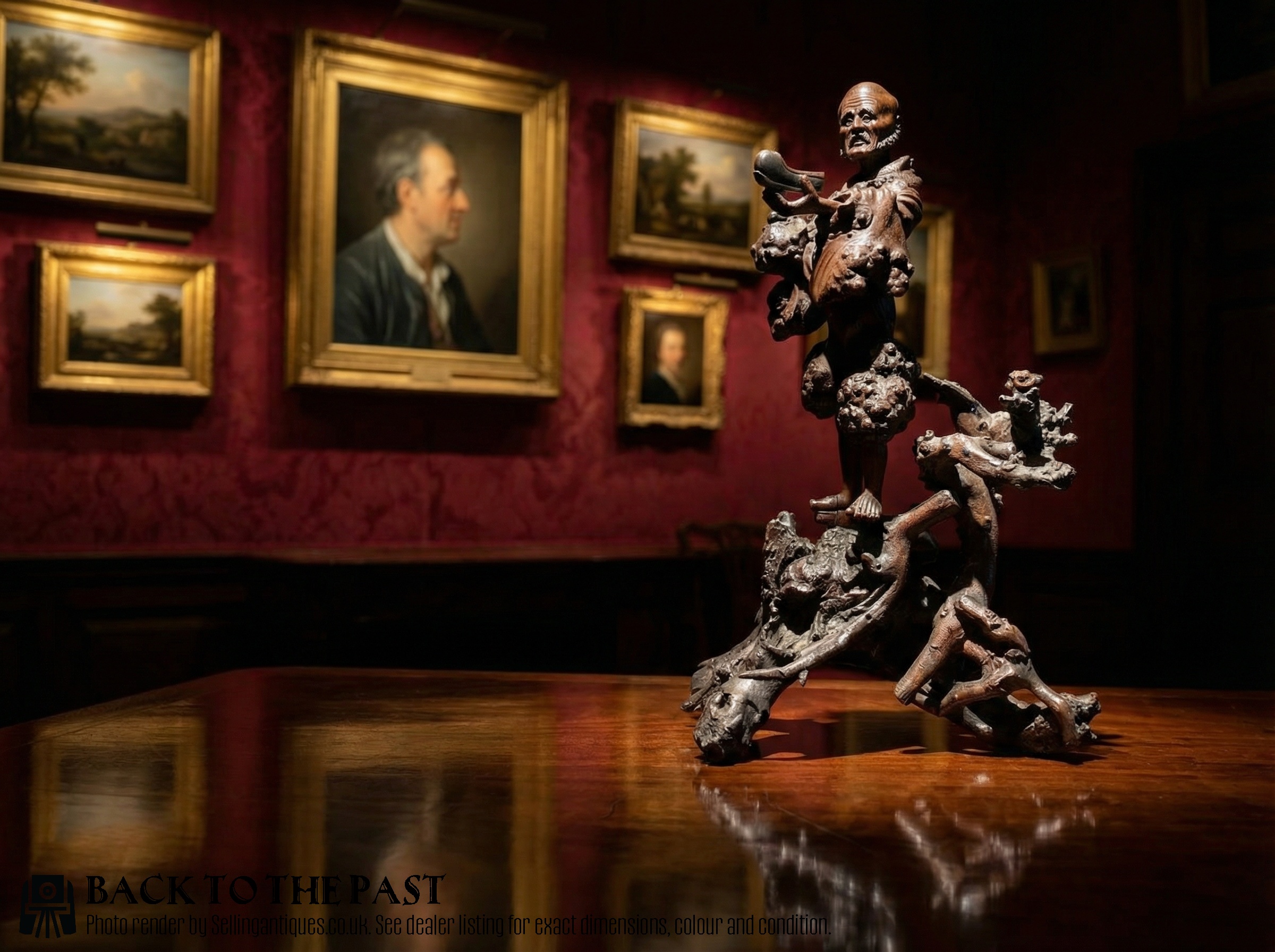
Hand Carved Wood Figure
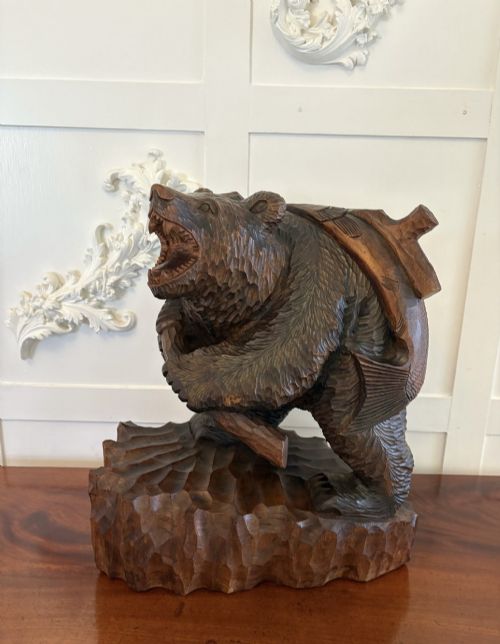
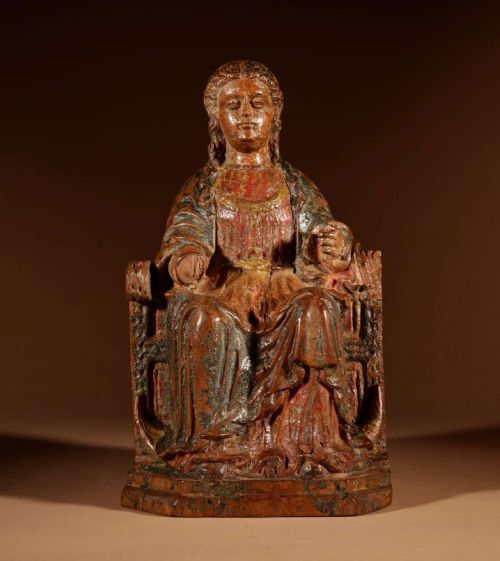
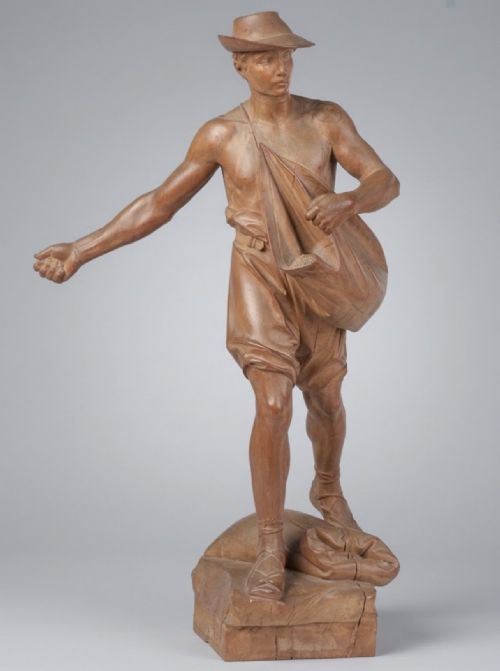
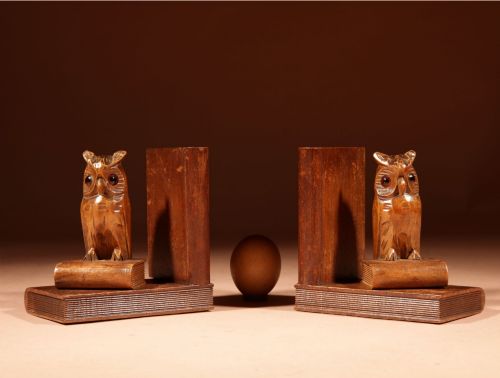
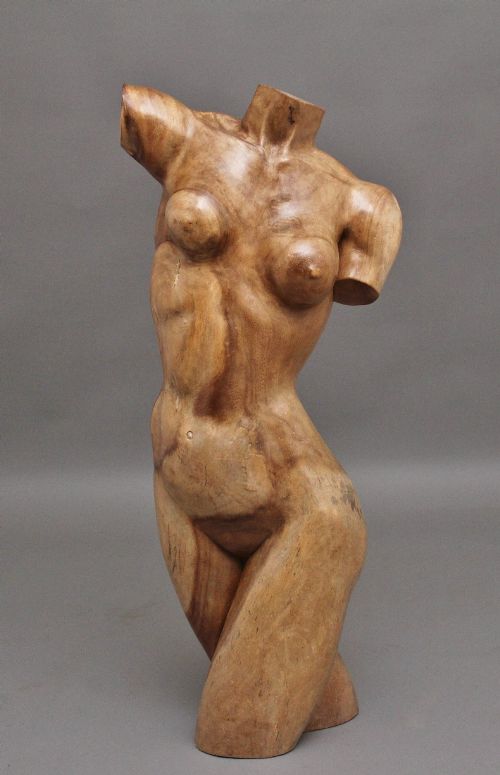
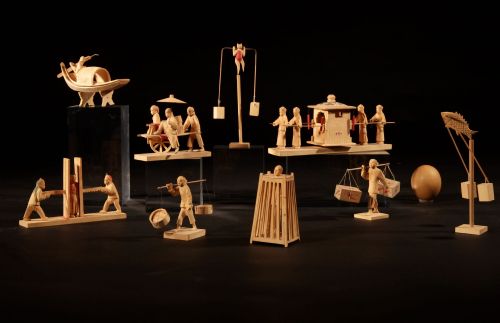
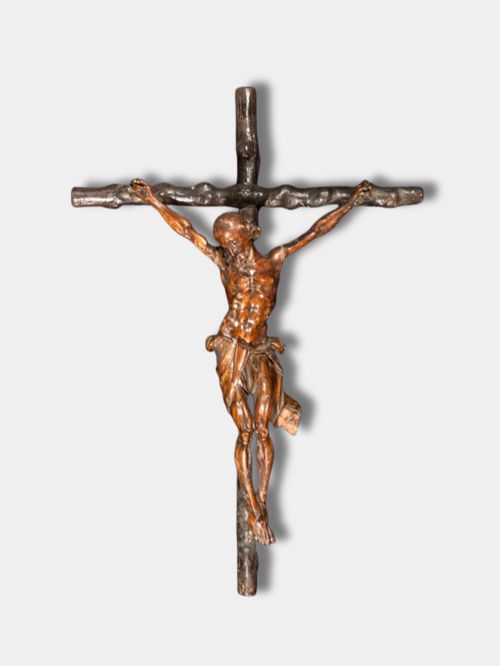
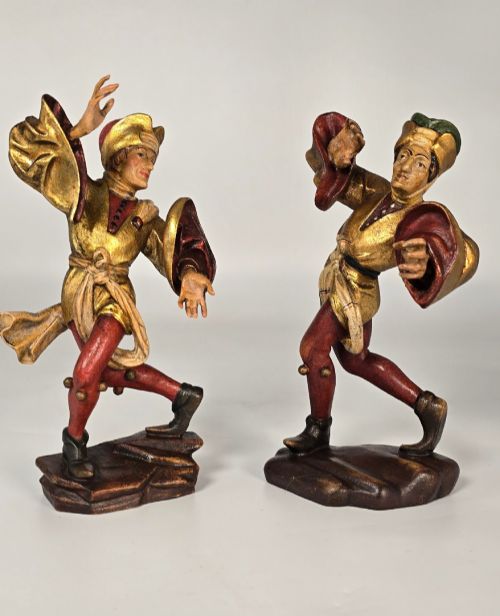
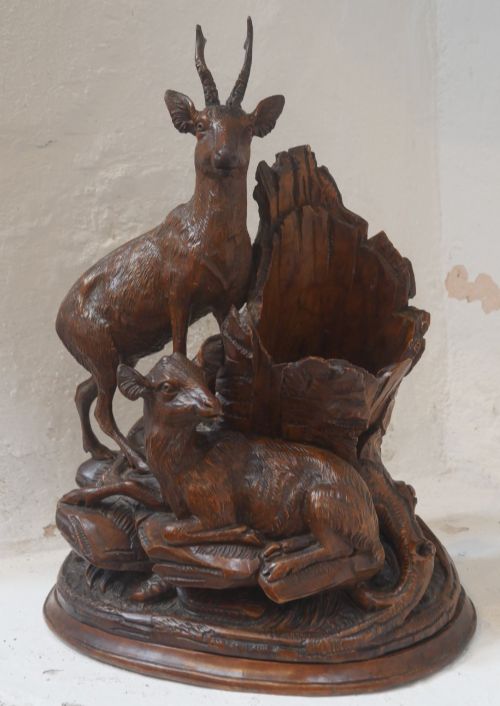
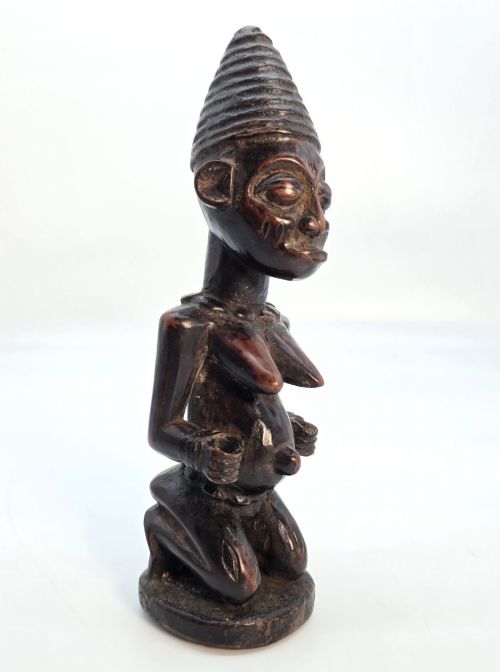
A hand carved wood figure encompasses sculptural works ranging from religious saints and folk art animals to decorative bookends and human forms. Buyers searching for a hand carved wood figure encounter diverse regional traditions spanning European Black Forest carvings, Asian deities, and tribal sculptures.
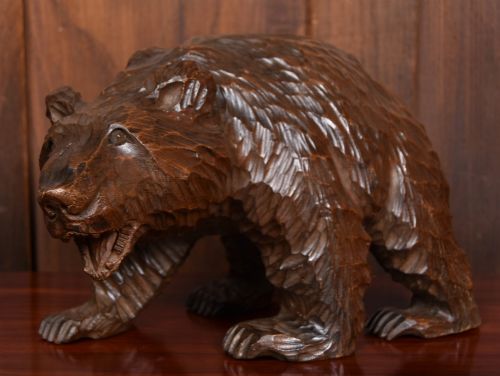
The pieces appearing most frequently originate from the nineteenth and early twentieth centuries, though earlier examples surface in hardwood, fruitwood, and limewood. Forms include wildlife studies like bears and owls alongside devotional figures, soldiers, and everyday characters.
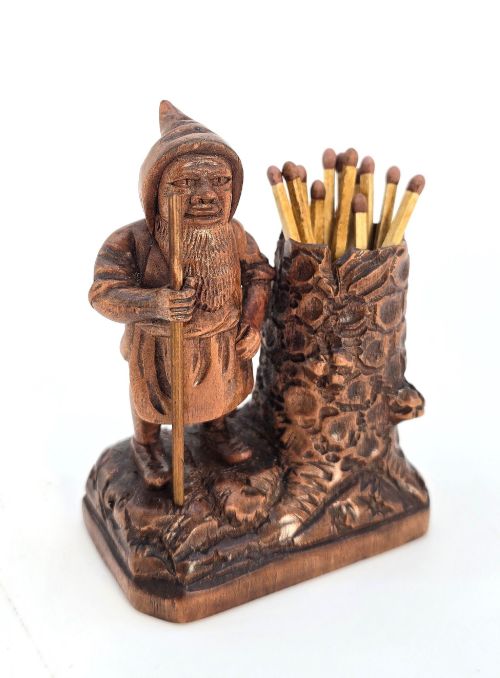
Makers across different continents applied distinct regional styles, utilising local timber species to shape everything from miniature match holders to life-size torsos and architectural table bases.
Defining Quality
Quality rests upon the anatomical precision of the carving, the crispness of the detail in hair or drapery, and the preservation of the original wood surface. Superior pieces demonstrate confident tool work and proportion, whereas simpler folk art examples prioritize naive charm over realistic detail.
The integrity of the timber and the retention of original polychrome or lacquered finishes strongly influence the character of the sculpture. Evidence of original tooling without heavy modern restoration distinguishes accomplished studio work from lesser output.
Hand Carved Wood Figure Retail Price Guide 2026
Typical asking prices for hand carved wood figure among the pieces listed under this phrase on Sellingantiques today, from the lower quarter to the upper quarter. They describe what is for sale here now, not the wider market.
Materials documented across the inventory include linden wood, walnut, oak, glass, and painted hardwood.
JULES BUSTE LABATUT·J HUGGLER
The Hand Carved Wood Figure Glossary
- Limewood
- A pale timber favoured by European carvers for its fine grain and soft texture. It allows for intricate undercutting and detailed facial expressions.
- Polychrome
- Painted decoration applied to wood sculpture in multiple colours. This technique appears frequently on religious figures and folk art pieces.
- Corpus Christi
- A representation of Christ on the cross. These wooden figures date from various European periods and reflect distinct regional ecclesiastical traditions.
- Folk Art
- Objects created by self-taught or traditional artisans outside formal academic art training. These carvings display naive proportions and regional character.
Hand Carved Wood Figure: Frequently Asked Questions
How do I date a wooden figure?
Dating relies on examining tool marks, timber species, style of dress, and wear patterns across the wood surface. Period characteristics in posture and finishing techniques offer reliable clues to the decade of creation.
Comparative study of regional carving habits helps narrow down whether a piece originates from nineteenth-century European workshops or earlier folk traditions.
Where should I display these figures?
These sculptures suit tabletops, bookshelves, and dedicated display cabinets away from direct sunlight and rapid temperature changes. Stable indoor humidity prevents the timber from splitting.
Heavier figures require secure surfaces, while smaller animal carvings and bookends sit comfortably on desk edges or mantelpieces.
How do I clean carved wood?
Dust figures gently with a dry, soft bristle brush to clear crevices without disturbing the wood grain or painted surfaces. Avoid liquid polishes and damp cloths unless the finish specifically requires conditioned maintenance.
Preserving the dry tactile quality of the aged timber maintains the original appearance and surface patina.
What does folk art mean for carvings?
Folk art denotes pieces made within local vernacular traditions rather than academic studios. These works often exhibit charmingly naive proportions and direct expression.
Such figures reflect the everyday culture and craftsmanship of rural communities rather than high-style court art.