


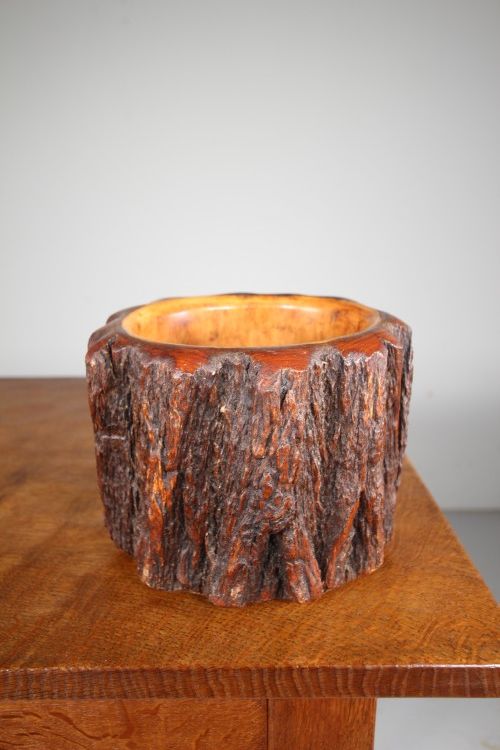


Hand Carved Trunk
A hand carved trunk offers practical storage carrying deep regional character, shaped by hands across the nineteenth and twentieth centuries.
Hand Carved Trunk
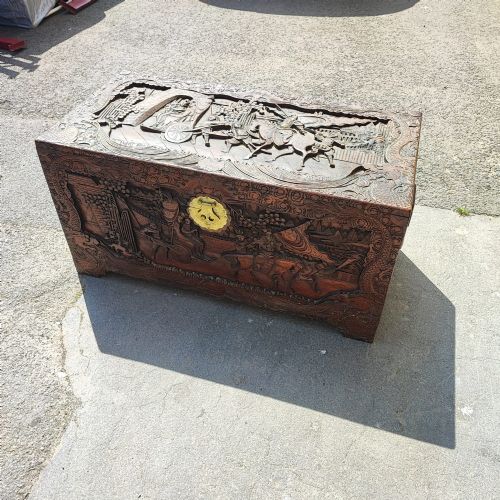
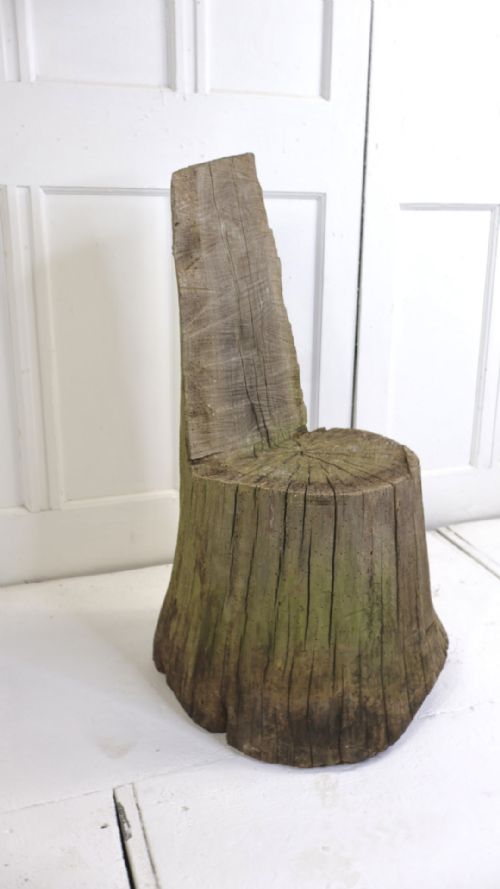
A hand carved trunk encompasses robust blanket chests, dowry coffers, and storage boxes shaped from various timbers and decorated across distinct global traditions. Buyers examining this page encounter pieces ranging from nineteenth-century Chinese camphor wood boxes to Edwardian tree seats and rustic European marriage chests.
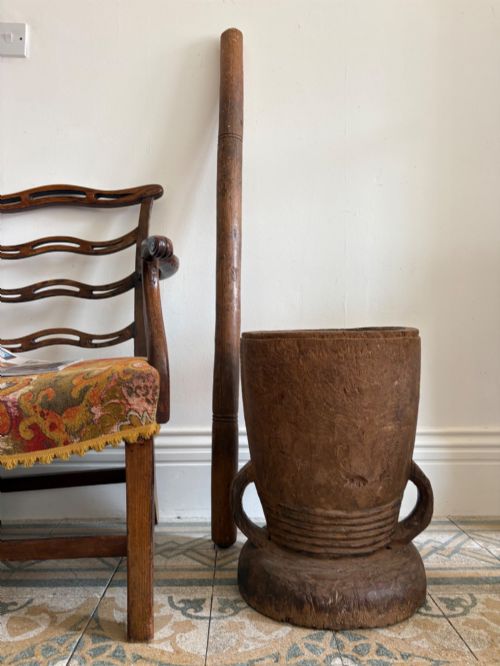
The selection frequently includes Anglo-Indian teak tables, Spanish painted blanket chests, and African primitive grain mortars alongside traditional Chinese chests. These objects serve both as functional storage containers and as striking sculptural furniture within a room.
Materials and construction methods
Artisans constructed these pieces using hardwoods such as teak, camphor wood, oak, and mahogany, often combining them with brass fastenings, iron mounts, or bone inlay. Camphor wood provided a natural aromatic protection against insects for textiles stored within.
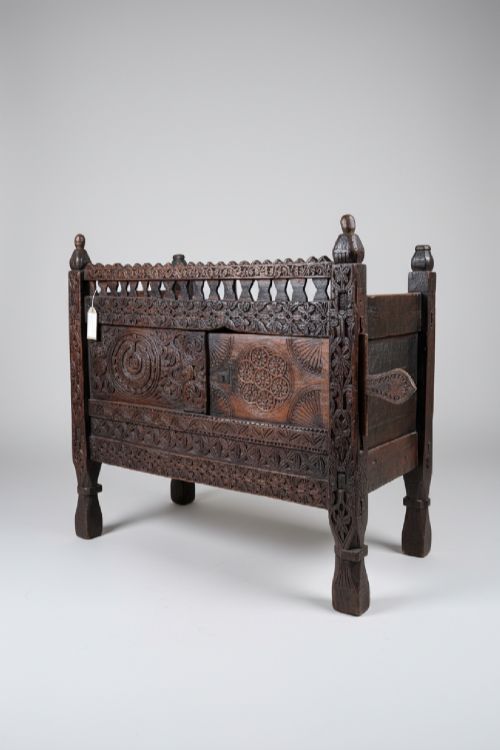
Makers utilised chisels and gouges to carve intricate surface patterns by hand, ranging from deep regional motifs on Chinese export boxes to rustic folk art incisions on European pine and oak coffers.
Listings feature camphor wood, teak, oak, pine, and mahogany across nineteenth and twentieth-century regional styles.
Assessing quality and execution
Quality in a hand carved trunk rests upon the depth, crispness, and control of the carving across the timber surface. Finer examples display harmonious proportion and balanced regional motifs executed by confident hands rather than hurried repetition.
The integrity of the timber joints, the survival of original brass or iron hardware, and the condition of the interior surfaces distinguish superior pieces from simpler utilitarian containers.
Jack Grimble
The Hand Carved Trunk Glossary
- Camphor wood
- An aromatic timber traditionally utilised for storage chests due to its natural pest-repelling properties and pleasing grain. It frequently bears dense hand-carved relief detailing.
- Coffer
- A sturdy wooden chest traditionally used for holding valuables, documents, or garments. These pieces often feature hinged lids and robust framing.
- Cassone
- A traditional Italian large painted or carved marriage chest commissioned for elite households. They frequently display mythological or heraldic decoration.
- Dowry chest
- A storage container prepared for a bride to hold her household linens and personal possessions. These objects hold significant cultural and familial importance.
- Treen
- Small domestic wooden objects created by turning on a lathe or carving by hand. The category includes bowls, boxes, and small vessels.
Hand Carved Trunk: Frequently Asked Questions
What were camphor trunks used for?
These trunks served primarily to store garments, textiles, and precious items while protecting them from dampness and insects.
The natural oils within the camphor timber provided a distinct fragrance that kept moths away from wool and silk fabrics.
How do I date a carved trunk?
Dating relies on examining the timber species, construction joints, tool marks left by the maker, and the style of decoration.
Nineteenth-century examples often exhibit distinct regional carving characteristics and hand-forged iron or brass hardware.
Where were Anglo-Indian tables made?
These pieces were produced in regions such as the Bombay Presidency during the nineteenth century for both local use and export.
They combine traditional Indian carving techniques with British furniture forms like octagonal and occasional tables.
Can I use a heavy chest as a coffee table?
Many sturdy trunks and coffers adapt well to serving as low tables while offering hidden internal storage.
Ensuring the lid remains flat and stable is essential if objects are placed on top during daily use.