




Hand Carved Rustic Stool
These hand carved rustic stool pieces bring raw timber and honest country utility straight into a modern interior.
Hand Carved Rustic Stool
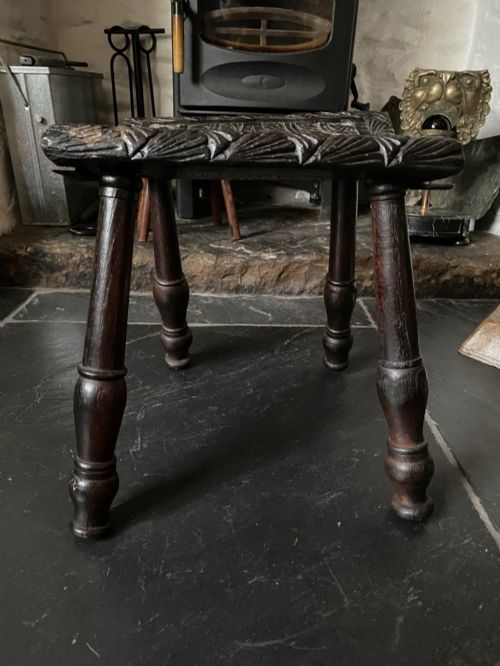
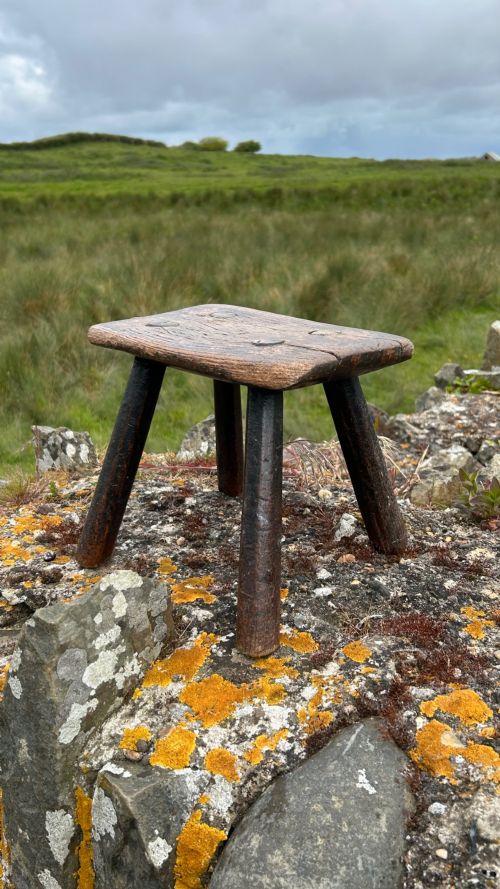
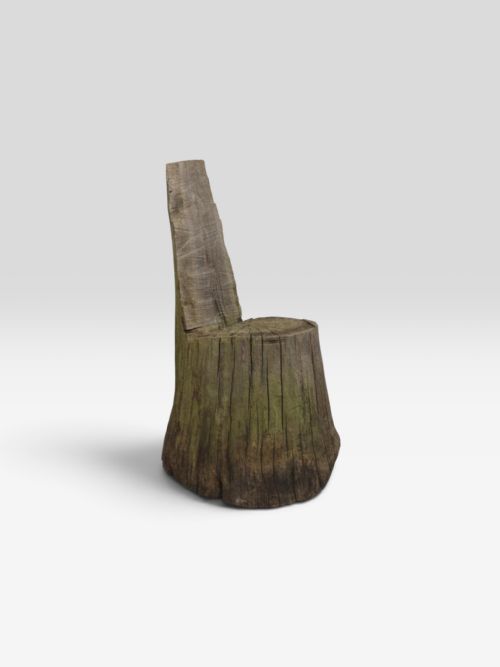
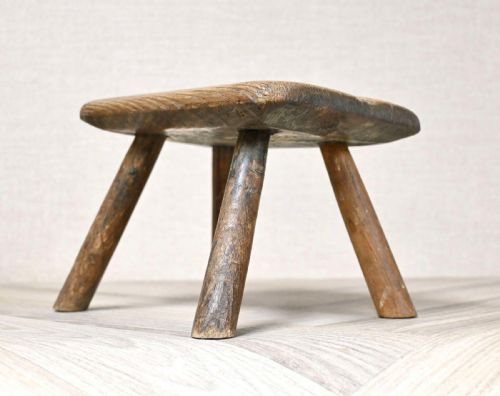
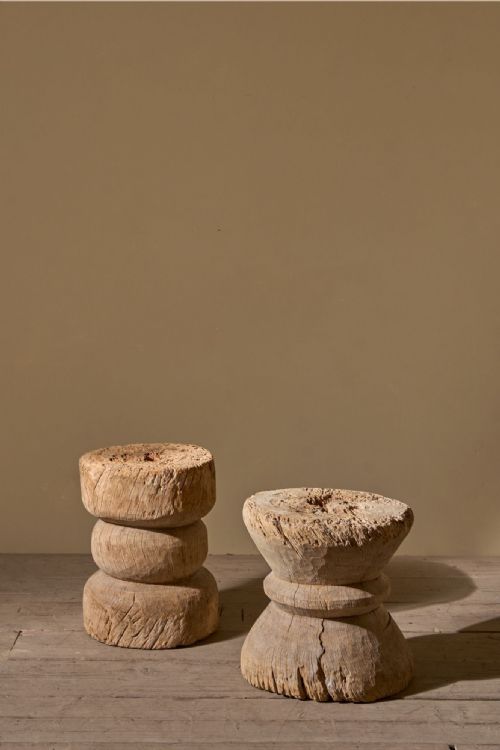
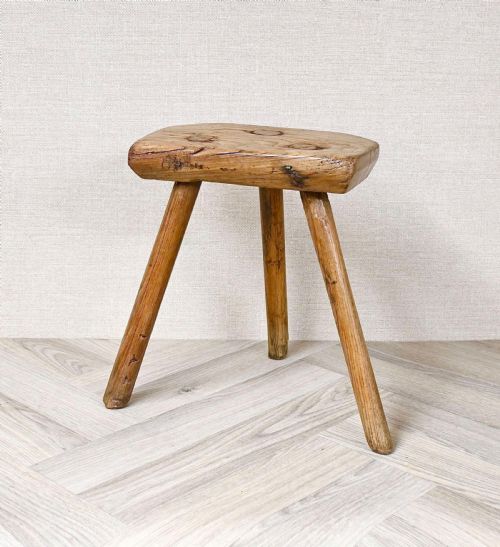
The versions most commonly met on this page rely on honest structural joinery rather than polite cabinet-making. Their seats show the direct marks of axes, adzes and drawknives, retaining the natural curves and knots of the original wood.
Makers shaped these utilitarian seats for functional daily work by hearths, in dairies and around workshops rather than for formal parlours. Their surfaces carry the rich patina of generations of handling and wear.
How they were made
Constructed primarily from solid native woods like oak, elm and pine, these pieces depend on straightforward carpentry techniques. Artisans selected heavy sections of timber and joined legs directly into thick solid seats using wedged tenons.
Surfaces were shaped using traditional hand tools, leaving visible adze marks and tool facets across the wood. Turnery appears on certain supports, utilising simple lathes to form bobbin or spindle legs that balance the heavy weight of the tops.
Hand Carved Rustic Stool Retail Price Guide 2026
Typical asking prices for hand carved rustic stool among the pieces listed under this phrase on Sellingantiques today, from the lower quarter to the upper quarter. They describe what is for sale here now, not the wider market.
What varies in quality
Proportion and the distinct character of the tool work separate basic utilitarian objects from those with genuine sculptural presence. Unaltered surfaces carrying deep historic patination elevate a piece far beyond standard utility.
David Oakleafman Langstaff
The Hand Carved Rustic Stool Glossary
- Vernacular
- Everyday objects made by local tradespeople using regional traditions rather than high-style academic designs. These items prioritise direct function over fashionable ornament.
- Primitive
- Unrefined early domestic or agricultural work shaped with basic hand tools. Such items display straightforward construction methods without decorative pretense.
- Joint stool
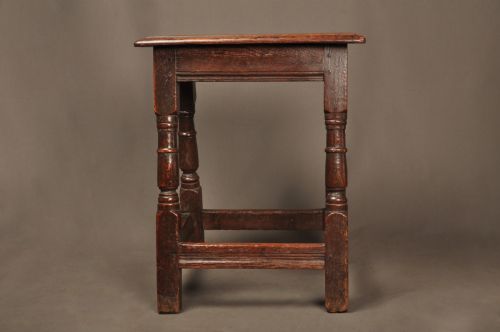
- A sturdy wooden seat assembled with pegged mortise and tenon joinery rather than turned legs driven straight into the top. These provide robust support.
- Patina
- The deep surface sheen and rich colour developed through decades of touching, waxing and natural ageing. This quality signals genuine age and consistent use.
- Adze
- A sharp cutting tool with an arched blade used across timber surfaces to hollow and level seats. It leaves characteristic shallow scoops in the wood.
Hand Carved Rustic Stool: Frequently Asked Questions
What is a hand carved rustic stool?
A hand carved rustic stool is a solid timber seat shaped by hand for practical domestic or agricultural tasks. These items celebrate the natural grain and irregularities of wood.
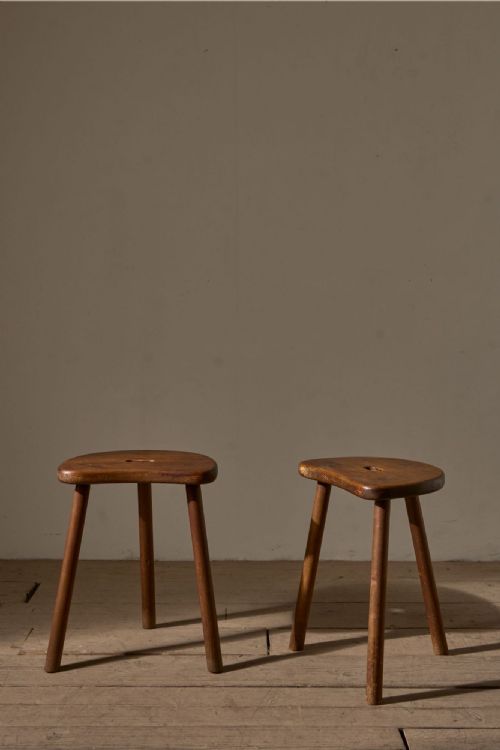
They appear in various historic forms, from simple three-legged milking designs to sturdy seventeenth-century joint stools.
How were these stools used?
Historic households and workshops utilised these sturdy seats for daily chores around the hearth, in dairies and at workbenches. Their low centres of gravity provided stable platforms on uneven floors.
Over generations, owners repurposed them as small side tables, plant stands and impromptu steps.
How do I live with one?
Integrate a rustic seat into a contemporary room as a bedside table, an occasional surface for books or a sculptural plant stand. Their compact footprints allow them to fit easily beside larger upholstered furniture.
Treat the aged timber with simple natural wax to maintain the historical surface without removing the character.
How do I tell periods apart?
Earlier pieces from the seventeenth and eighteenth centuries typically feature heavy pegged oak joinery and thick plank tops. Later nineteenth-century examples often employ simpler construction methods using pine, elm or mixed hardwoods.
Tool marks also provide clues, with adze-hewn surfaces pointing to earlier vernacular traditions compared to later sawn timber.