

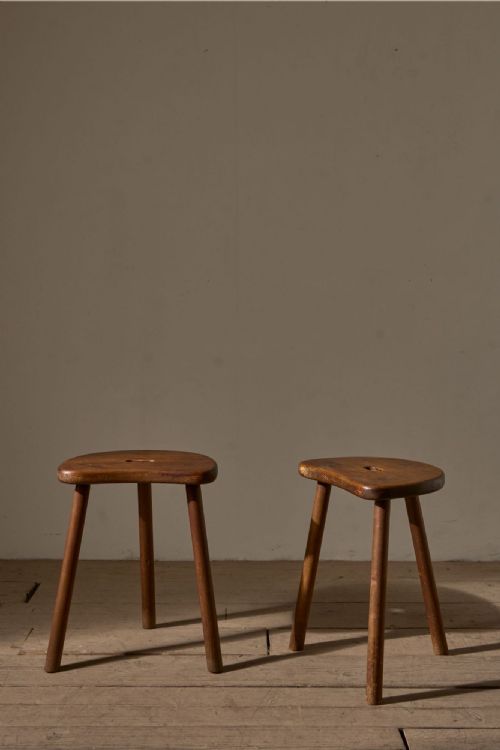
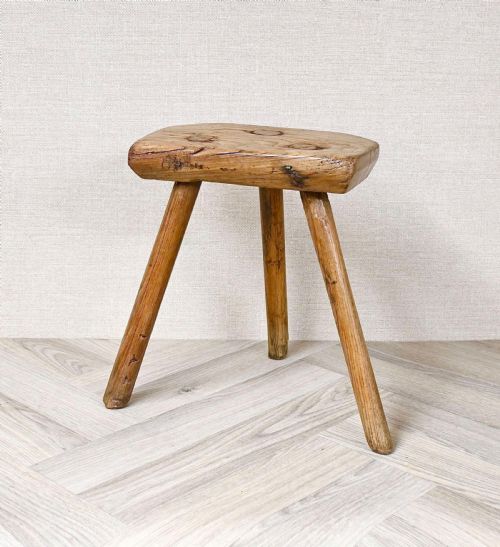


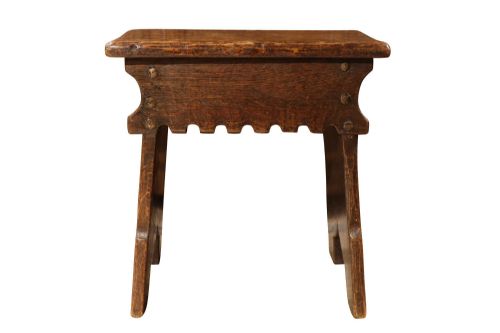


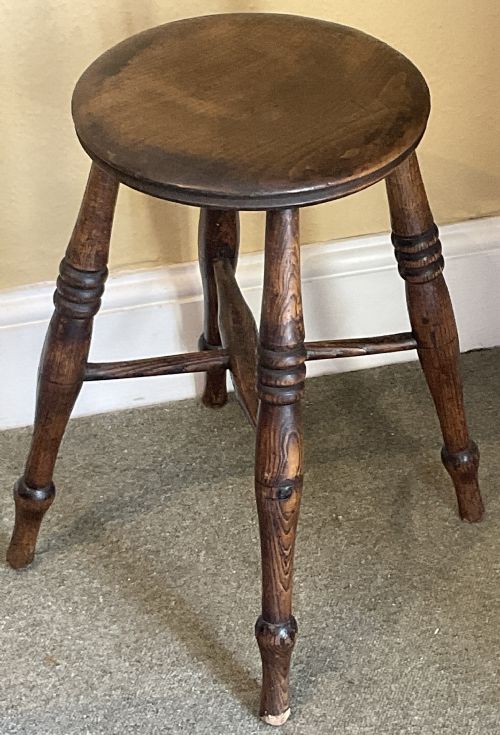
Traditional Wooden Milking Stool
These traditional wooden milking stool examples are solid, honest seating shaped by utility and time, bringing genuine rustic character to modern rooms.
Traditional Wooden Milking Stool
A traditional wooden milking stool serves as a compact, utilitarian seat rooted in agricultural history, built for practical daily chores rather than formal display. When searching for a traditional wooden milking stool, buyers encounter low-slung, sturdy seating designed to remain steady on uneven floors.
The selections span from the eighteenth century through the twentieth century, encompassing Georgian, Victorian, and Arts and Crafts periods. Most items found here lean heavily towards English and vernacular country aesthetics, reflecting local building traditions.
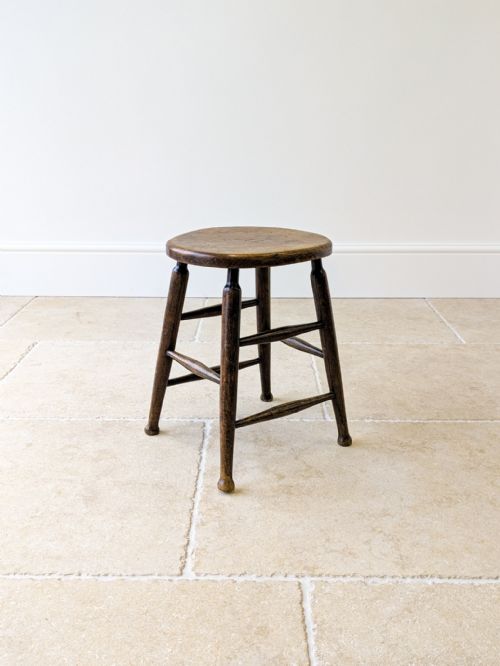
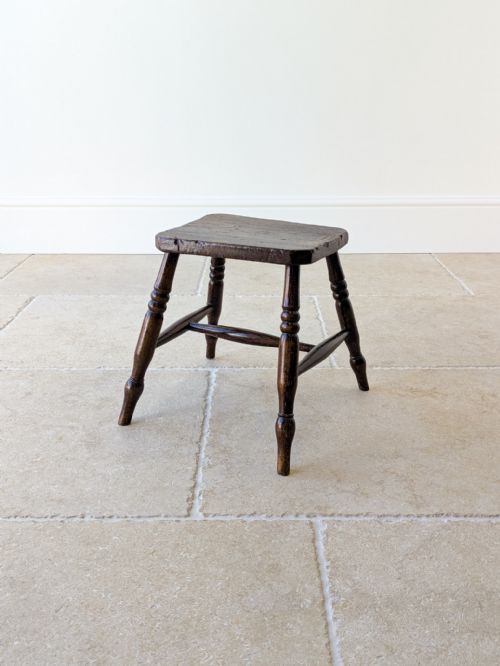
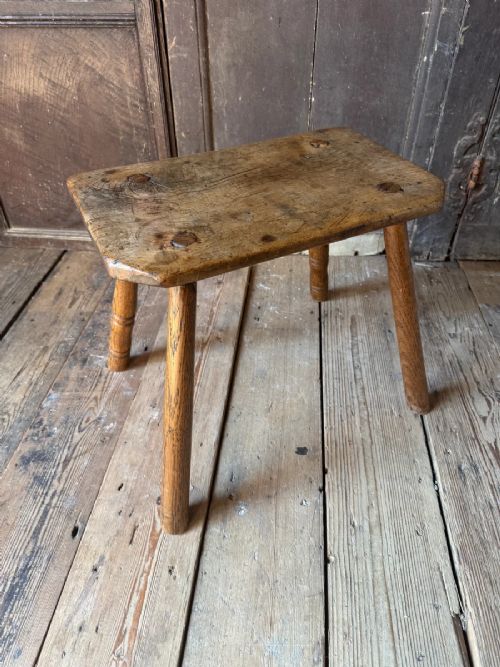
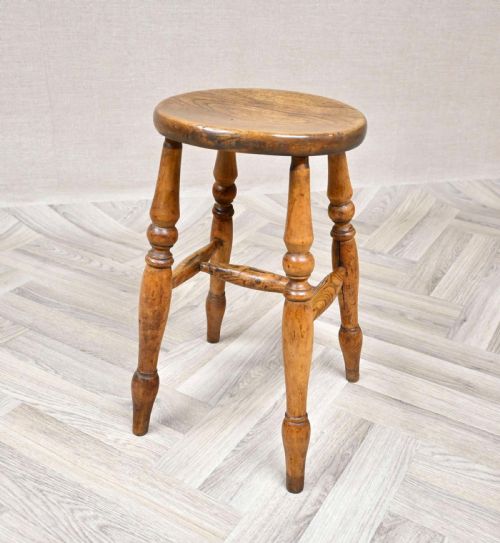
Forms vary from simple plank seats to Windsor-style constructions and single-leg variants designed for mobility. The inventory demonstrates how basic dairy equipment evolved into collectible examples of folk art and vernacular design.
Materials and construction
Timbers such as elm, oak, ash, beech, pine, and sycamore form the primary structure of these items. Makers selected these native woods for their durability, grain pattern, and resistance to splitting under heavy daily use.
Construction relies on traditional joinery methods, including pegged joints and tapered legs wedged directly into bored seats. Surfaces often show the marks of drawknives, adzes, and lathes, leaving tangible evidence of hand tool work.
Traditional Wooden Milking Stool Retail Price Guide 2026
Typical asking prices for traditional wooden milking stool among the pieces listed under this phrase on Sellingantiques today, from the lower quarter to the upper quarter. They describe what is for sale here now, not the wider market.
Factors determining quality
The integrity of the timber and the honesty of the construction dictate the standing of each item. Pieces retaining their original surface patination and honest wear stand apart from those subjected to excessive restoration or harsh stripping.
Proportion and stance separate ordinary examples from exceptional ones. A well-balanced composition with pleasing leg splay and tight joints demonstrates the maker's eye for functional design.
The Traditional Wooden Milking Stool Glossary
- Vernacular
- An architectural or craft style created by local artisans using regional materials without formal academic design. These items reflect the practical needs of their immediate surroundings.
- Pegged construction
- A method of joining wooden components using dowels rather than metal fasteners. This technique allows wood to expand and contract naturally with seasonal humidity changes.
- Windsor
- A chair or stool construction style featuring legs and spindles socketed directly into a solid carved seat. This method creates a rigid and resilient frame.
- Patina
- The deep, lustrous surface sheen developed through decades of handling, polishing, and natural ageing. It serves as a visual indicator of an object's age and history.
- Plank stool
- A simple form constructed from a thick slab of timber joined to vertical supports. It represents one of the most archaic forms of domestic seating.
Traditional Wooden Milking Stool: Frequently Asked Questions
Were these actually used for milking?
Many examples originated in agricultural settings where milkers required a low, stable seat that could be moved easily around the dairy or yard. Single-leg variants allowed the milker to strap the seat to their body while moving between cows.
Over time, these practical items found their way into farmhouse kitchens, hearths, and alehouses, serving various domestic tasks that required low seating.
How do I date an old stool?
Dating relies on observing tool marks, timber species, and construction methods such as pegged joints versus machine-cut screws. Eighteenth-century examples often display adze marks on the underside and simpler, more archaic framing.
Later Victorian and twentieth-century versions may show evidence of lathe work or standardised component manufacturing. Comparing the patination around the handholds and seat edges also helps indicate age.
Can I use them as daily seating?
These pieces were built from robust timbers like oak, elm, and ash to withstand heavy agricultural use. Their sturdy construction makes them exceptionally well-suited for modern domestic environments as side tables, plant stands, or occasional seats.
Placing felt pads beneath the feet protects delicate modern flooring while preserving the historic timber from unnecessary abrasion.