




Carved Floral Wooden Stool
These carved floral wooden stool examples offer sturdy seating and classic botanical motifs, pairing traditional timber frames with textured textile tops.
Carved Floral Wooden Stool
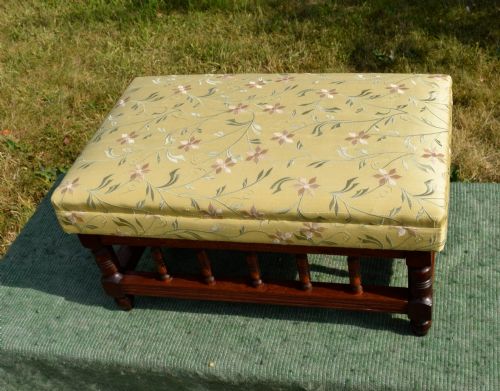
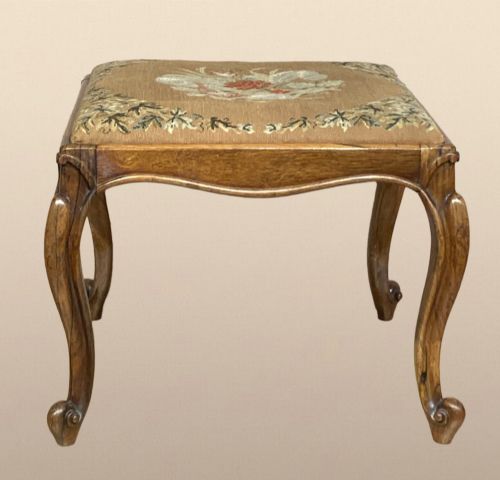
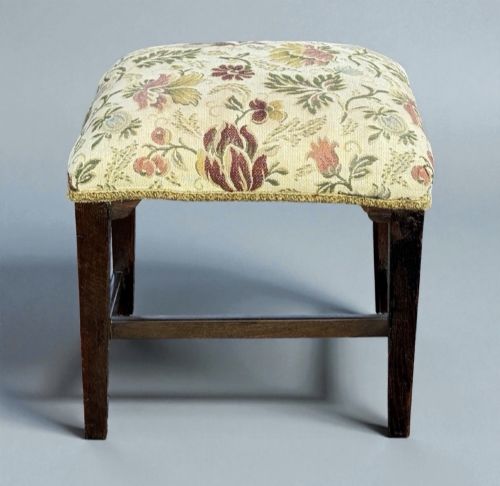
A carved floral wooden stool brings practical seating and intricate botanical detail into a room, drawing on periods from the Georgian era through to the early twentieth century. You will frequently encounter compact footstools, low dressing stools, and occasional pieces featuring traditional wooden frames paired with patterned upholstery.
The selection ranges from robust oak and walnut frames to elegant rosewood and mahogany structures, often displaying revival influences such as Jacobean, Queen Anne, and Louis XV styles. These diverse forms serve as both functional furniture and decorative accents suited to traditional interiors.
Materials and construction
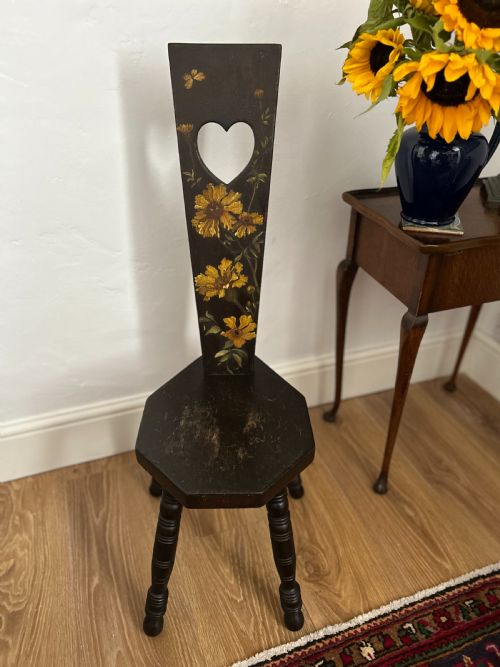
Carpenters shaped these sturdy frames from hardwoods including oak, walnut, rosewood, mahogany, and exotic hongmu, employing traditional joinery and hand carving to render floral motifs along the timber edges and legs. Turnings, ebonising, and hand painting further enhanced the wooden structures.
Upholstered elements rely on textiles such as wool, tapestry, fabric, and needlepoint work, secured over padded foundations to create textured floral seats that complement the carved wooden bases.
Carved Floral Wooden Stool Retail Price Guide 2026
Typical asking prices for carved floral wooden stool among the pieces listed under this phrase on Sellingantiques today, from the lower quarter to the upper quarter. They describe what is for sale here now, not the wider market.
Assessing quality and finish
Quality rests upon the crispness of the timber carving and the density of the chosen hardwood, where deeply defined floral motifs and well-preserved joints indicate superior craftsmanship. Finer pieces demonstrate careful attention to proportion across legs, frames, and upholstery.
The condition and execution of the textile elements also dictate overall merit, with hand-stitched tapestry and needlework seats holding greater distinction than plain or replacement fabric coverings.
The Carved Floral Wooden Stool Glossary
- Cabriole leg
- A furniture leg that curves outward and then tapers inward, mimicking an animal's curving leg. This form appears frequently on Georgian and Victorian seating.
- Bobbin turned
- A style of woodturning featuring a series of spherical or cylindrical knobs resembling bobbins along the shaft. This technique adds rhythmic texture to structural supports.
- Tapestry
- A heavy textile woven with decorative pictorial or floral designs. These resilient fabrics frequently furnish the tops of antique footstools and ottomans.
- Hongmu
- A dense, dark tropical hardwood valued in traditional cabinetmaking. It provides exceptional weight and durability for decorative stands and frames.
Carved Floral Wooden Stool: Frequently Asked Questions
Where should I place a carved floral wooden stool?
These compact pieces fit well beside armchairs as footrests or function as standalone decorative seats in hallways and bedrooms.
Their floral upholstery and carved timber frames also allow them to serve effectively as small plant stands or occasional display surfaces.
How do I care for the wooden frame?
Dust the carved timber regularly with a dry, soft cloth to prevent the accumulation of grit within the floral recesses.
Apply a quality beeswax occasionally to nourish the hardwood and maintain a natural lustre without building up heavy residues.
Are these stools suitable for daily seating?
Most examples provide sturdy support for resting feet or short periods of sitting, though older frames require gentle treatment.
Checking the stability of the joints ensures the piece remains safe for everyday domestic use.
How do I identify the period of the stool?
Examine the wood species, turning styles, and carving techniques against known historical design revivals like Queen Anne or Jacobean.
Minor tool marks and the method of upholstery attachment also offer reliable clues to whether a piece originates from the Georgian, Victorian, or Edwardian eras.