



Carved Wood Side Stool
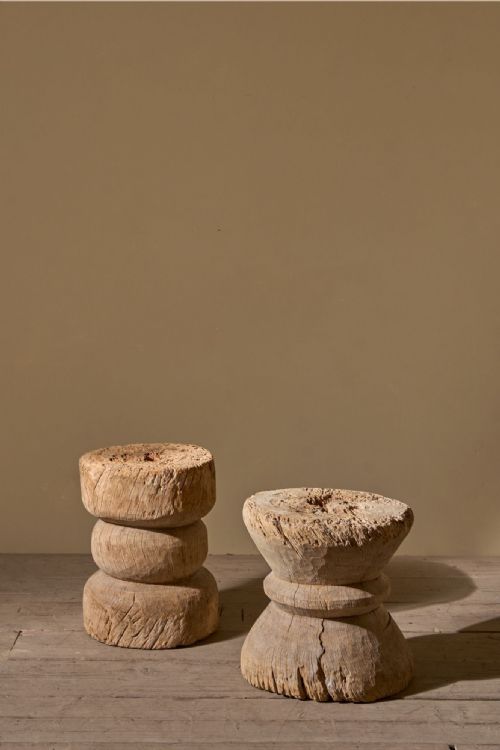
A carved wood side stool offers a compact, sculptural seating or display option built from substantial timber.
Carved Wood Side Stool
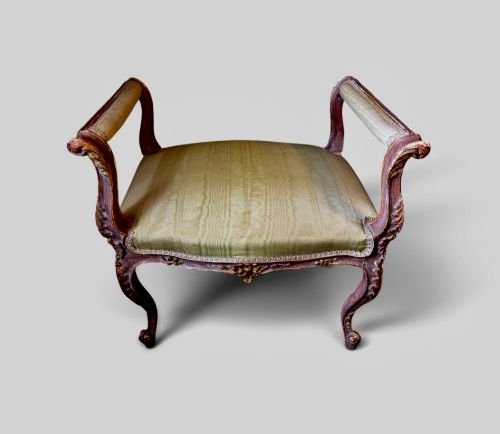
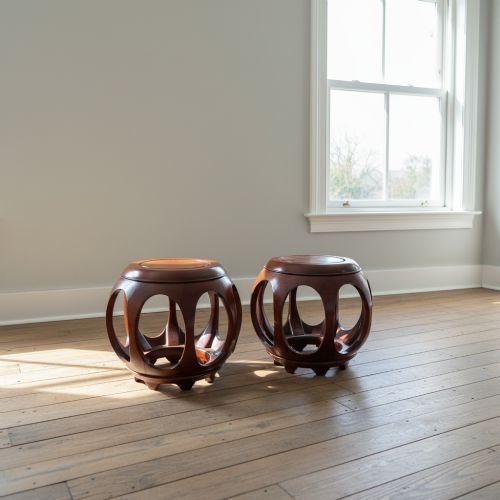
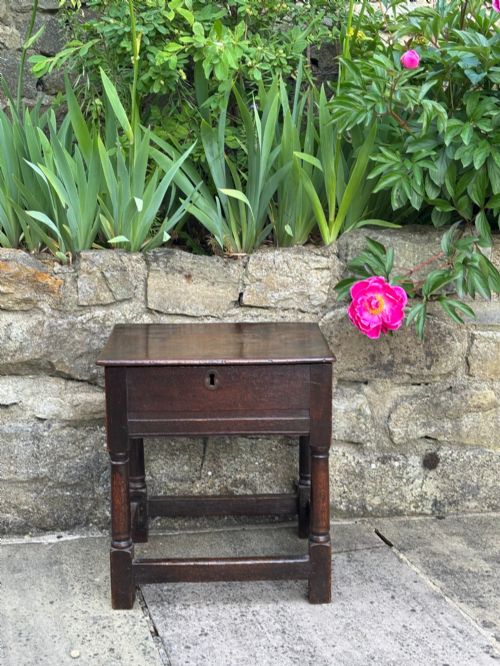
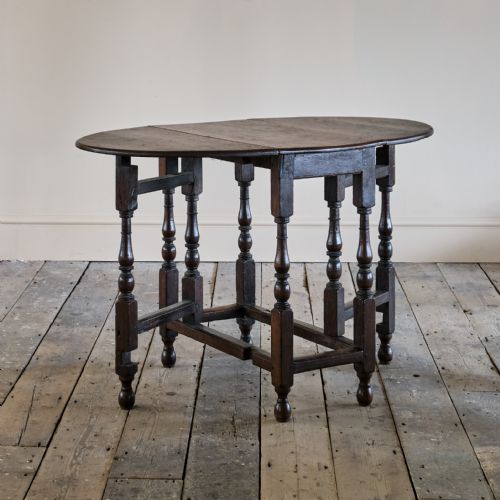
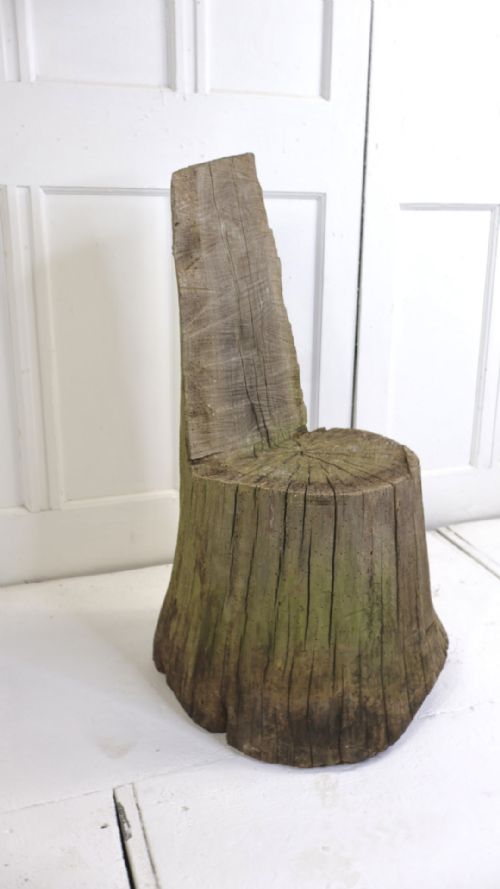
A carved wood side stool combines solid timber construction with ornamental relief work, functioning as a low seat, plant stand, or occasional surface. Buyers seeking a carved wood side stool encounter a diverse range of forms spanning European oak joint stools, Chinese hardwood barrels, and Anglo-Indian occasional pieces.
The selection ranges from early oak box forms and rustic folk pieces to intricate Asian hardwood tables and Edwardian tree seats. Most items date from the nineteenth and early twentieth centuries, drawing on traditional craftsmanship and regional carving styles.
How they were made
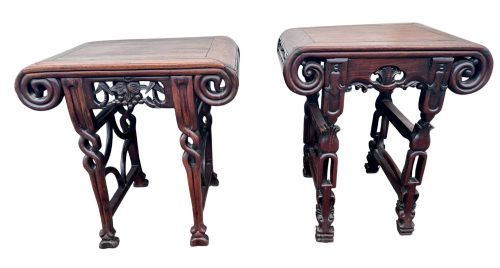
Construction relies heavily on dense timbers such as oak, rosewood, teak, walnut, and padouk, often shaped using traditional pegged joints or solid turned legs. Artisans applied chip carving, relief chiselling, and turned elements directly into the wood.
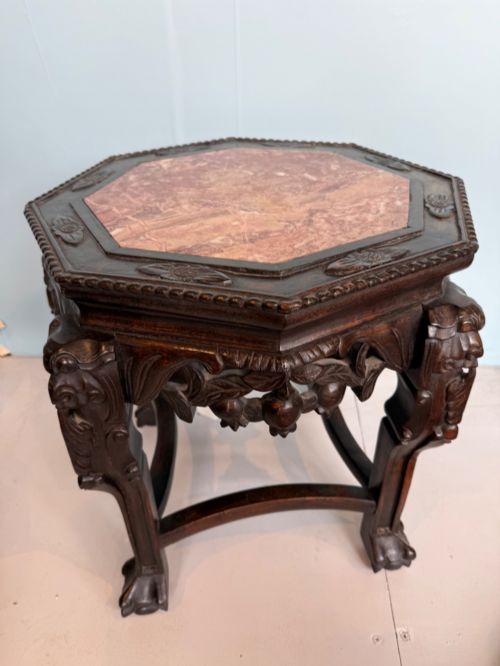
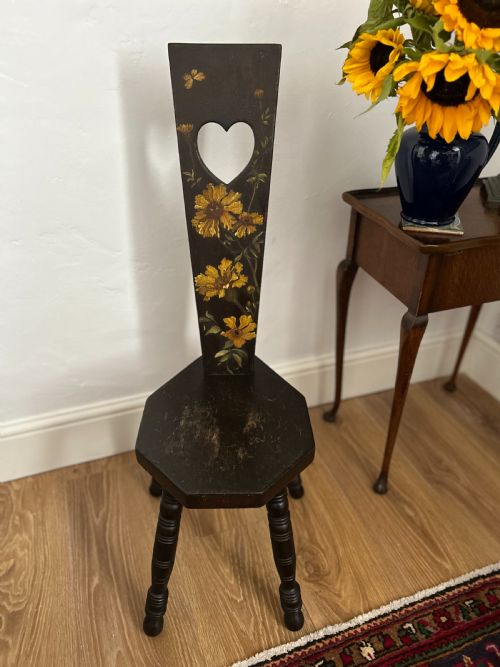
Surface treatments incorporate natural wood finishes alongside occasional marble inserts, bone inlay, quartz tops, and lacquered paint details. Structural integrity depends on durable joinery like pegged construction and solid framing.
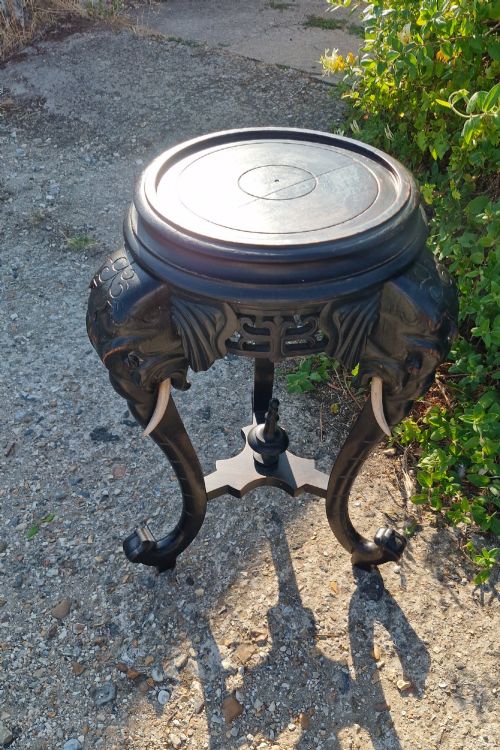
Several items incorporate painted wooden tusks to give carved wooden elephants an eager expression.
What varies in quality
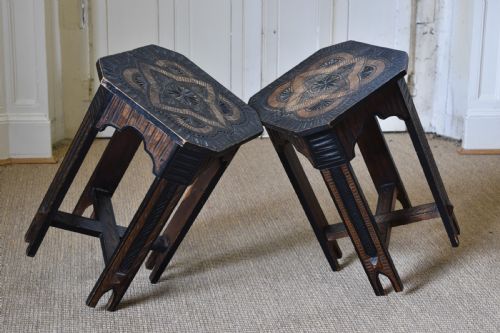
Depth and precision of the chisel work distinguish standard production items from finer studio or regional pieces. Crisp edges in chip carving and well-defined floral or figurative motifs indicate superior hand execution.
Selection of the timber grain, stability of the joint construction, and the integration of secondary materials like marble or bone tops elevate an object. Uniformity in the timber seasoning prevents future splitting and preserves the structural balance.
Liberty
The Carved Wood Side Stool Glossary
- Joint stool
- A traditional sturdy wooden stool built with pegged mortise and tenon joinery rather than turned legs. These pieces served practical household seating and domestic tasks.
- Box stool
- A seating form featuring an enclosed storage compartment beneath the hinged or removable lid. They utilise heavy oak or mahogany panels.
- Hardwood
- Dense timber derived from broad-leaved deciduous trees, including rosewood, teak, and oak. These woods resist denting and support intricate relief carving.
- Pegged construction
- A traditional method of securing timber joints using wooden dowels instead of metal nails or screws. This allows the wood to expand and contract naturally with humidity.
- Marble top
- A stone inset fitted flush into the wooden surface of a table or stand. It provides a cool, durable layer for resting objects.
Carved Wood Side Stool: Frequently Asked Questions
What is a joint stool?
A joint stool is an early form of domestic seating constructed with pegged mortise and tenon joints. Carpenters built these items to provide sturdy, movable seating before upholstered chairs became common.
They appear in domestic interiors as low seats, small side surfaces, or auxiliary stands. Their heavy timber frames ensure long-term durability.
How were elephant tables used?
Elephant tables served as decorative occasional stands, incorporating carved wooden trunks, tusks, and heads into the support structure. Originating largely from Anglo-Indian workshops, they functioned as display surfaces for ornaments and lamps.
Craftsmen utilised regional hardwoods to carve elaborate figures that doubled as functional furniture. They add distinct sculptural presence to a room.
What is a box stool?
A box stool combines a flat seating surface with an internal compartment accessed via the top. Households utilised them to store small textiles, documents, or household items while providing an extra seat.
Constructed mainly from solid oak or mahogany, they feature robust panel sides and hinged lids. Their dual purpose made them essential in traditional interiors.
How do I identify Chinese hardwood stands?
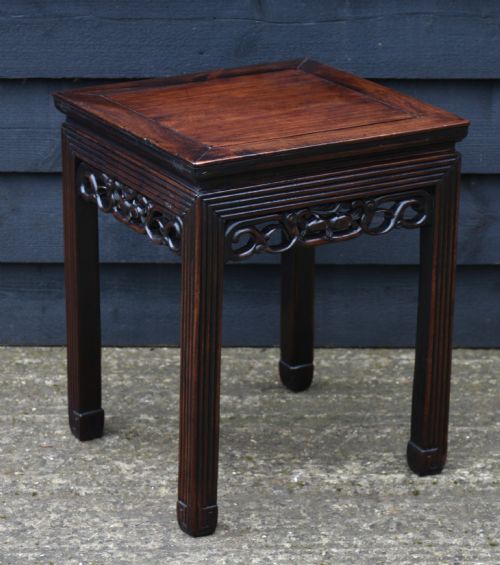
Chinese hardwood stands feature dense exotic timbers like rosewood, often paired with marble inserts, quartz tops, or barrel shapes. Artisans employed traditional joinery without metal fasteners, carving floral or geometric relief patterns into the frame.
These pieces range from low tables to tall plant pedestals dating across the nineteenth and early twentieth centuries. Their polished surfaces highlight natural grain patterns.