

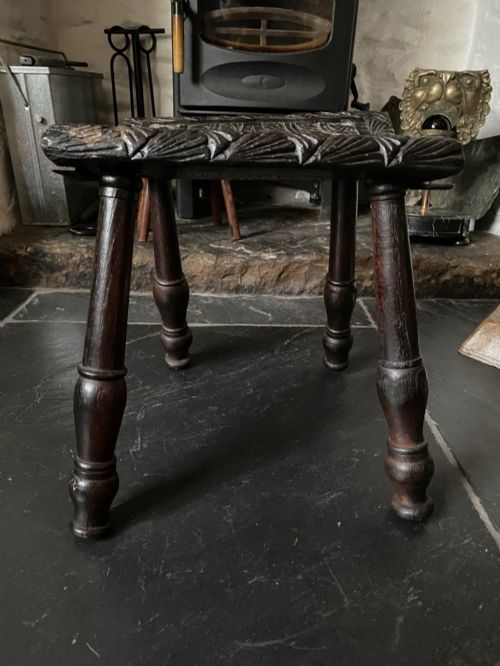
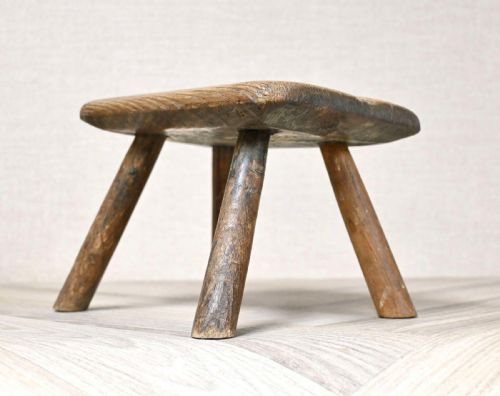


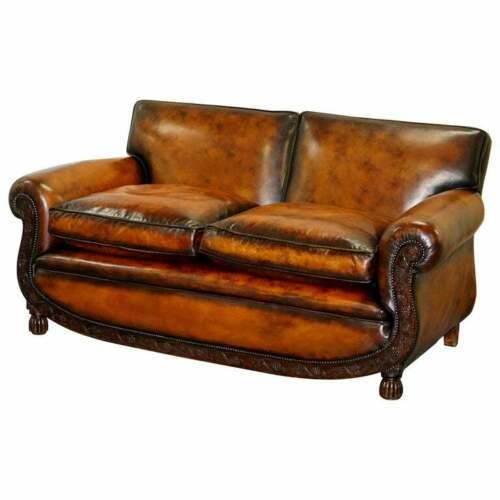


Hand Carved Oak Seat
These hand carved oak seat pieces bring genuine vernacular character into a room through honest timber and traditional craft.
Hand Carved Oak Seat
When you search for a hand carved oak seat, you encounter an array of utilitarian forms shaped by traditional woodworking methods across several centuries. The selection spans straightforward country stools, revolving spinning chairs, low hearth stools, and robust settle benches designed for warmth and utility.
Most examples you meet on this page lean towards sturdy vernacular and arts and crafts traditions rather than formal court furniture. These are honest pieces made for everyday domestic use, carrying the marks of the adze, chisel, and turning lathe.
Materials and construction methods
Makers relied on solid oak and heavy timber, often selecting local hardwoods that offered strength and durability for daily seating. Joinery typically involved pegged mortise and tenon joints, natural wedging, and turned legs secured directly into thick plank seats.
Carving was executed by hand using gouges and chisels to apply chip carving, floral motifs, or sculptural details directly to the dense wood. Surfaces were finished simply through waxing or natural handling, allowing the grain of the solid timber to dominate.
Hand Carved Oak Seat Retail Price Guide 2026
Typical asking prices for hand carved oak seat among the pieces listed under this phrase on Sellingantiques today, from the lower quarter to the upper quarter. They describe what is for sale here now, not the wider market.
Assessing quality in carved wooden seating
Quality rests in the harmony between structural integrity and the crispness of the hand carving. Pieces with deep, confident chisel work and well-balanced proportions generally demonstrate superior craftsmanship compared to later, mechanically hurried reproductions.
The integrity of the timber also dictates value, with heavy solid oak showing stable ageing, minimal splitting, and original surface patination. Altered components or replaced legs diminish the authenticity of an otherwise solid vernacular piece.
David Oakleafman Langstaff·Hampton and Sons
The Hand Carved Oak Seat Glossary
- Vernacular furniture
- Objects made by local craftsmen for everyday use rather than following strict high-style London fashions. These pieces reflect regional materials and traditional techniques.
- Mortise and tenon
- A joint joining two pieces of wood together, where a projecting tongue fits snugly into a corresponding cavity and is often secured with a wooden peg.
- Chip carving
- A style of relief carving where small triangles or chips of wood are removed from a flat surface to create geometric or organic patterns.
- Settle bench
- A high-backed wooden bench with solid arms and a storage box or solid panel base designed to block draughts in older homes.
- Patina
- The surface sheen and colour developed on wood over decades of handling, polishing, and natural oxidation.
Hand Carved Oak Seat: Frequently Asked Questions
What is a hand carved oak seat used for?
These pieces served practical purposes around the home, from low seating by the hearth to sturdy kitchen chairs and hallway settles.
Today they function effectively as accent seating, small side tables, or sculptural statement items in traditional and modern interiors alike.
How do I care for antique oak furniture?
Keep wooden seating away from direct heat sources and sudden temperature fluctuations to prevent the solid timber from splitting.
Apply a traditional beeswax polish occasionally to nourish the grain and maintain the natural surface sheen.
How can I tell the age of an oak stool?
Examine the tool marks left on the underside and joints, as hand-adzed surfaces differ significantly from machine-cut timber.
Wear patterns, the type of joinery pegs used, and the depth of the surface patina also provide clear indicators of period origin.
Are these seats comfortable for daily use?
Vernacular wooden seating prioritises sturdy utility and upright posture rather than deep, cushioned relaxation.
Adding a small loose wool or hide pad can increase comfort while preserving the visible carved surface of the timber.