




Hand Carved Oriental Figure
When you handle a hand carved oriental figure, you hold pieces shaped from hardwood, root wood, and soapstone that carry centuries of regional craft.
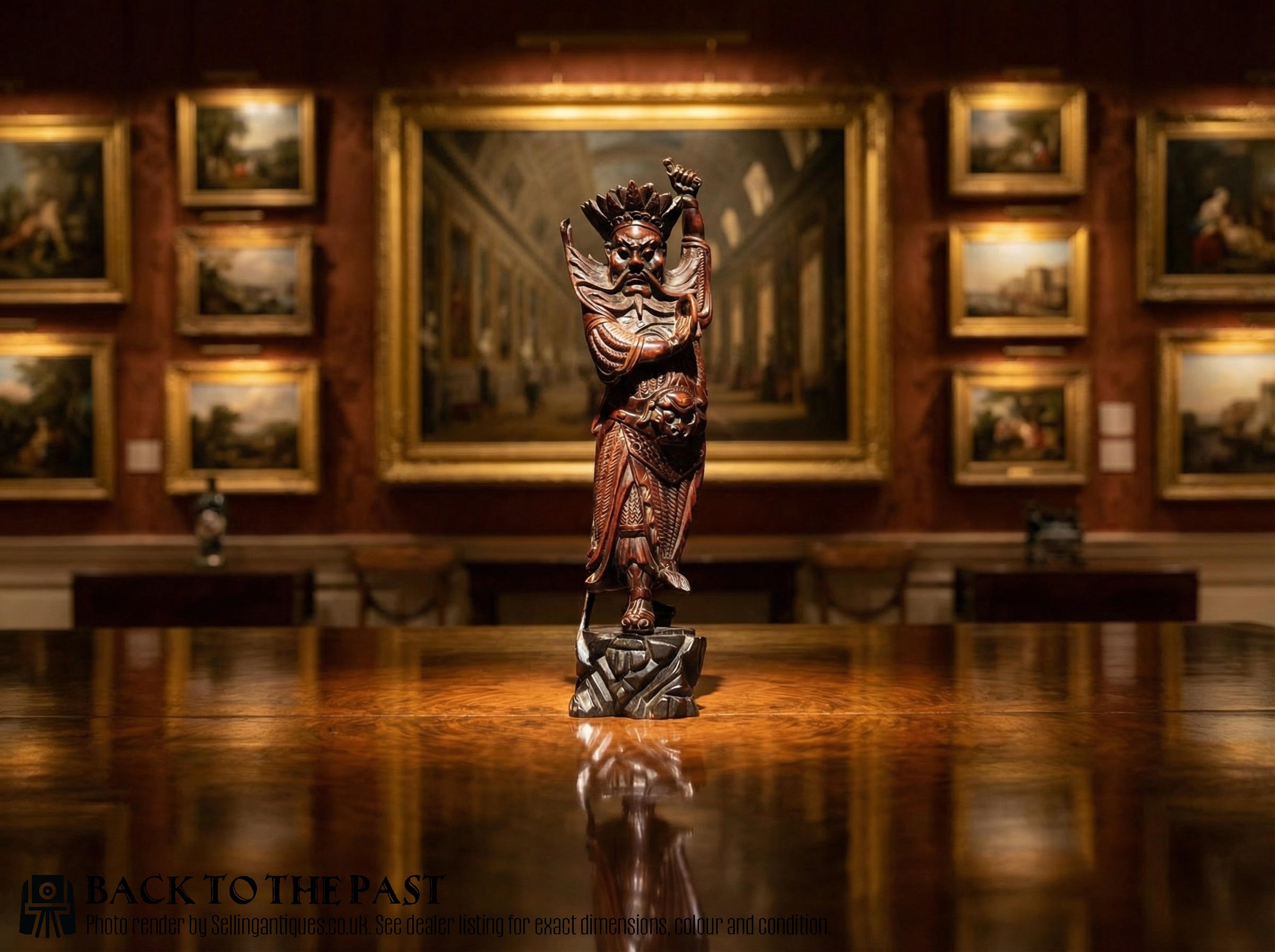
Hand Carved Oriental Figure
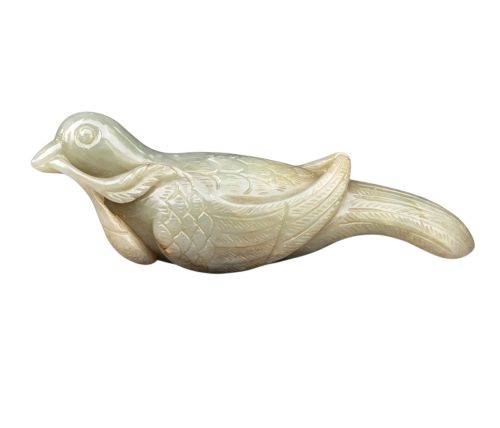
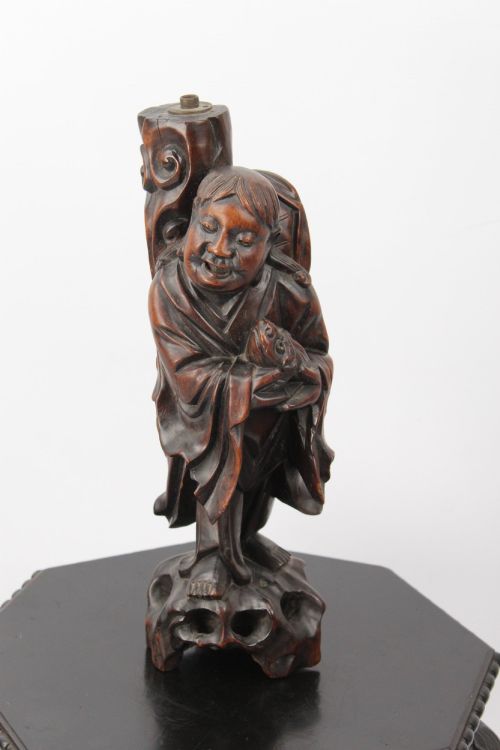
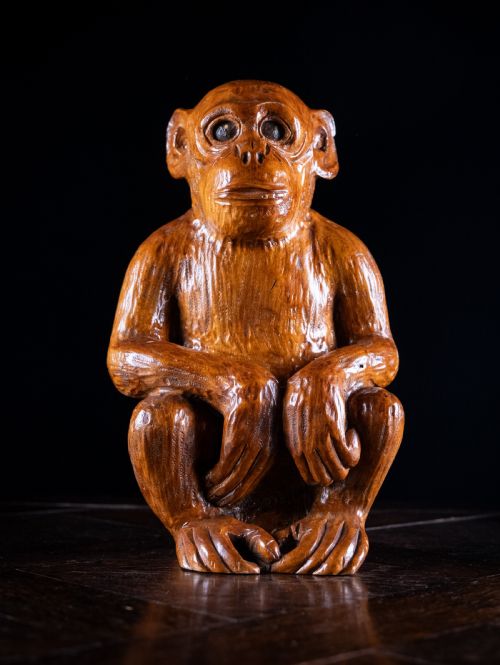
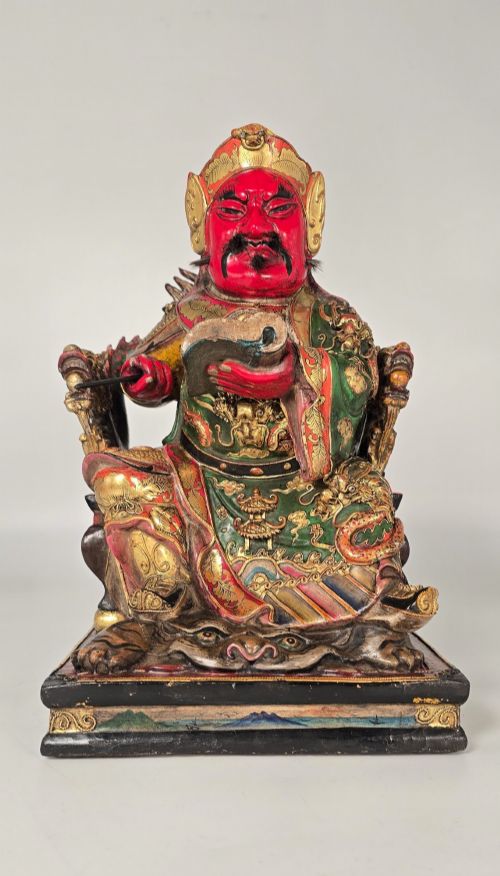
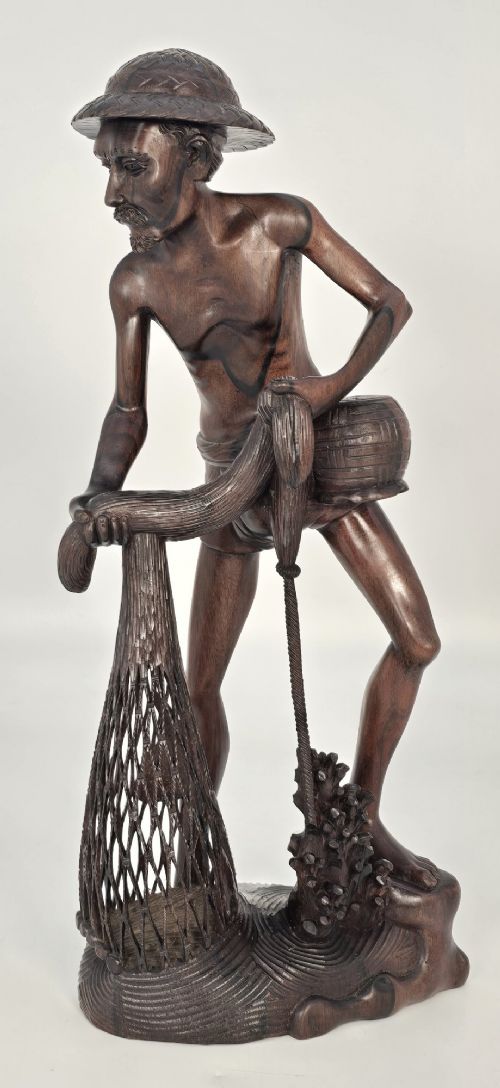
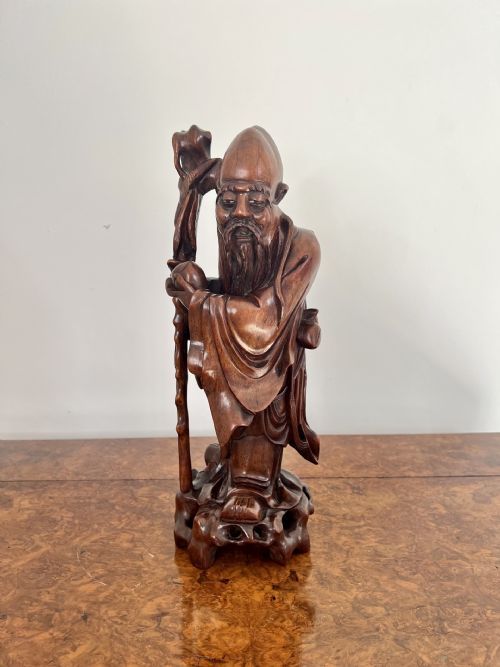
A hand carved oriental figure brings together sculptural depictions of scholars, immortals, animals, and mythological beasts originating from various Asian traditions and periods. Buyers searching this phrase most frequently encounter hardwood and root wood carvings depicting figures such as fishermen, deities, and scholars.
The objects span multiple centuries, with significant representation from the nineteenth century through the early decades of the twentieth century. Forms range from standalone sculptures and figurines to complex groupings representing daily life or religious iconography.
How They Were Made
Alternative mineral materials like soapstone, jade, agate, and marble were shaped using abrasive cutting and polishing techniques. Artisans worked within specific stylistic traditions, incorporating inlaid elements or relief work depending on the regional workshop.
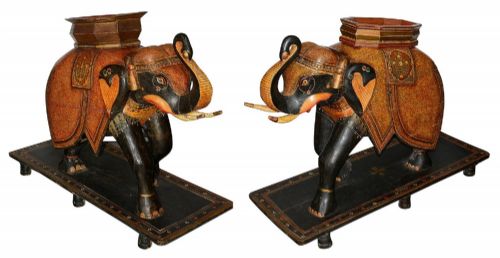
Listings feature items spanning the eighteenth century through the 1930s, incorporating materials such as brass, soapstone, and lacquer alongside various hardwoods.
What Varies in Quality
The degree of anatomical precision and expressive depth in the carving separates standard workshop output from exceptional sculpture. Master carvers utilised the natural irregularities of root wood or the translucency of hardstone to enhance the dynamism of the subject.
The Hand Carved Oriental Figure Glossary
- Root wood
- Timber sourced from the root system of a tree, prized by carvers for its gnarled, twisting grain that dictates the shape of figures. Artisans integrated natural knots and burls into the final composition of scholars or animals.
- Soapstone
- A soft, talc-based metamorphic rock that is easily carved into detailed figures and vessels. Its smooth texture allows for intricate incised lines and polished surfaces.
- Boxwood
- A dense, pale yellow hardwood favoured for small-scale miniature carvings and okimono. The tight grain permits microscopic detail without splintering.
- Okimono
- A Japanese decorative freestanding sculpture designed for display on a shelf or in a tokonoma alcove. These figures often depict deities, historical personages, or animals from folklore.
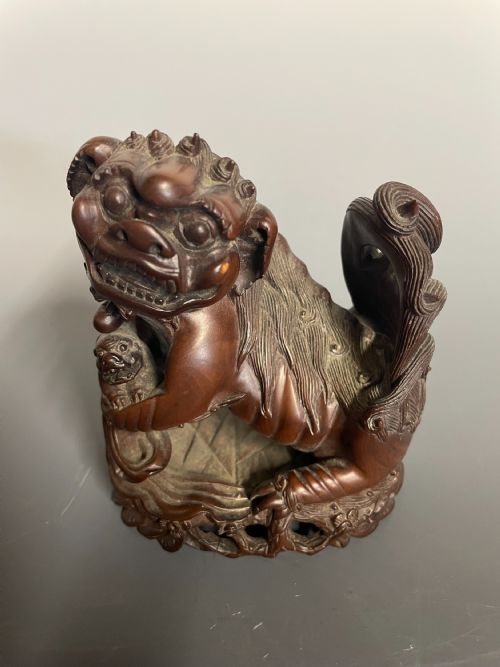
- Foo Dog
- A traditional guardian lion sculpture placed to protect sacred spaces and domestic thresholds. They are typically shown with one paw resting on a brocade ball or a cub.
Hand Carved Oriental Figure: Frequently Asked Questions
What materials are these figures made from?
The pieces are carved from various organic and mineral substances, most notably hardwoods, boxwood, and burr root wood. Other examples utilise soapstone, jade, agate, marble, and lacquer.
Surfaces are frequently finished with painted pigments, gesso, or natural polishes that highlight the grain and texture of the material.
How do I identify the period of a carving?
Dating relies on examining the tool marks, the style of the base material, and stylistic markers associated with specific dynasties or eras such as the Qing Dynasty or the Meiji period. Patina accumulated through handling also offers clues to the age of wooden and stone surfaces.
Comparative analysis with documented examples helps narrow down the production window to specific decades or centuries.
How were these figures displayed originally?
Many of these sculptures functioned as scholar's desk items, temple guards, or decorative ornaments within domestic interiors. Figures of immortals and deities were often placed in areas of honour to bring fortune or protection to a household.
Larger statues stood independently on tables or altars, while smaller groupings formed part of curated collections of curiosities.
How should I care for wooden and stone carvings?
Wooden sculptures require stable indoor humidity levels to prevent the timber from splitting or warping over time. Dusting should be performed gently with a dry, soft brush without applying liquid polishes or modern cleaning agents.
Stone and jade pieces benefit from similar care, keeping them away from direct sunlight and sudden temperature shifts to preserve their surface integrity.