


Hand Carved Indian Furniture
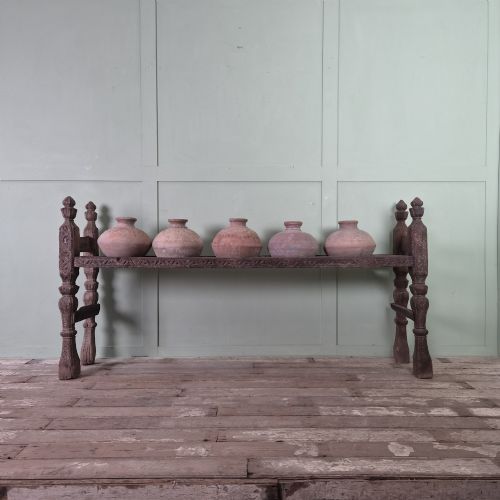
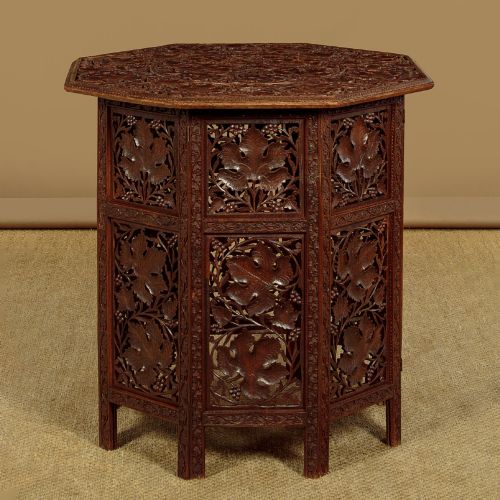
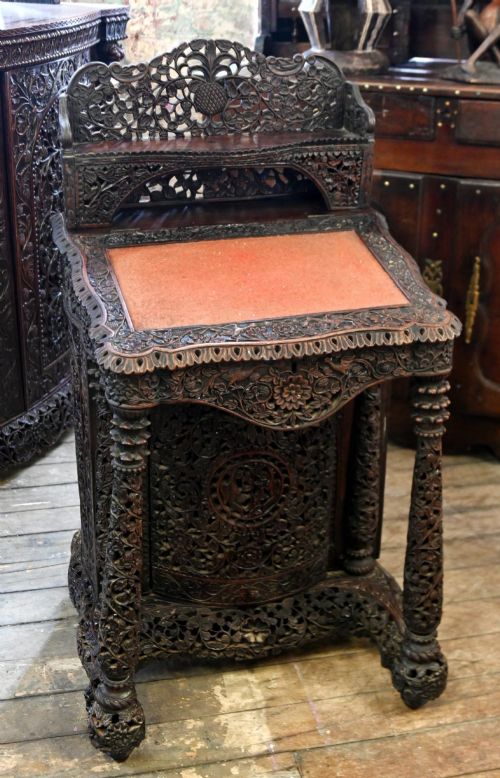
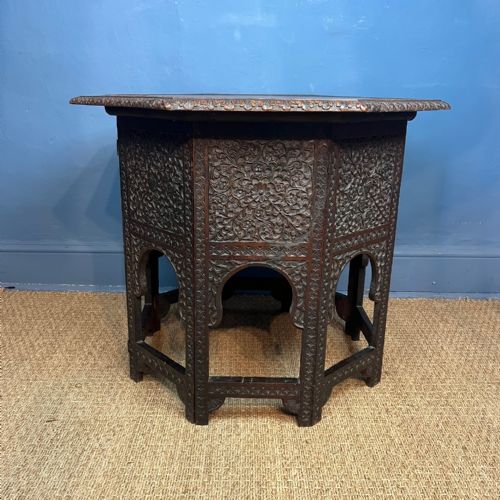
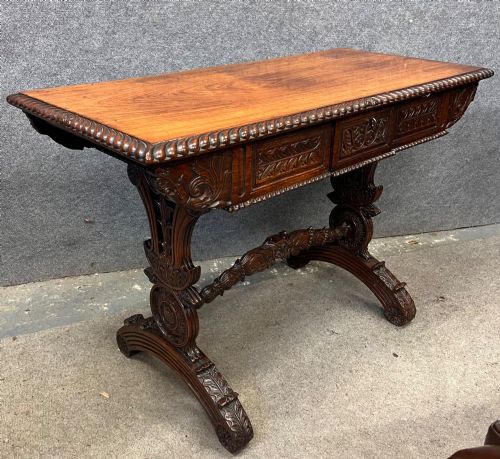
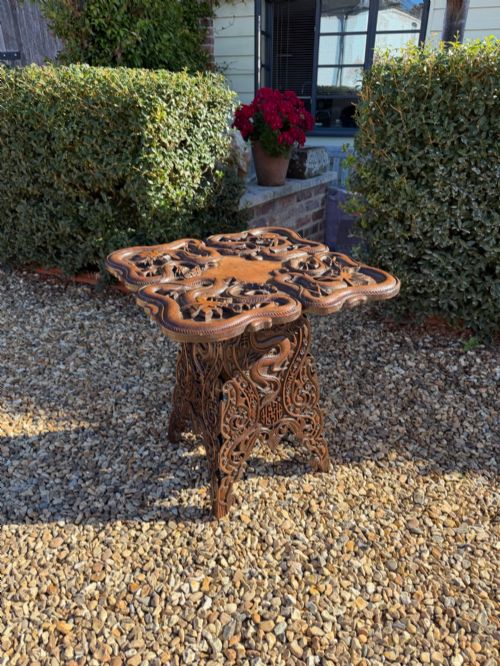
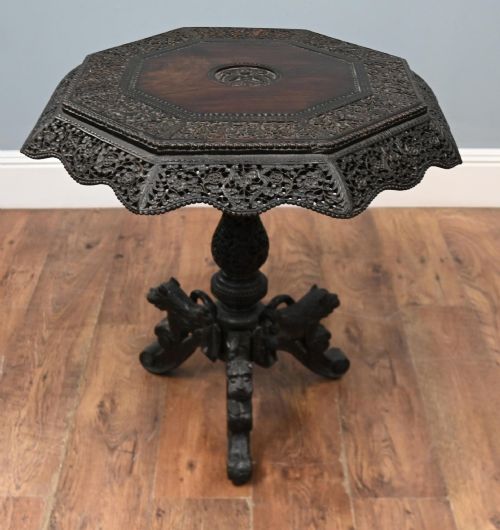
Hand carved Indian furniture brings deep relief carving and rich tropical hardwoods into a room.
Hand Carved Indian Furniture
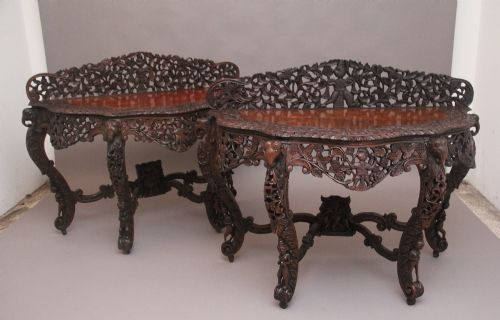
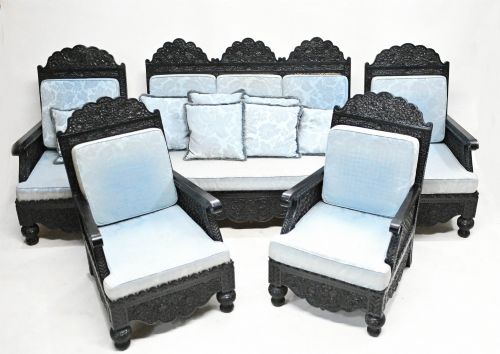
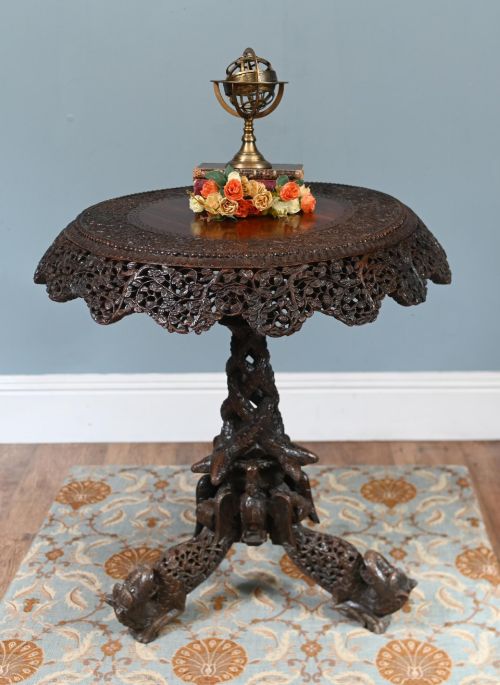
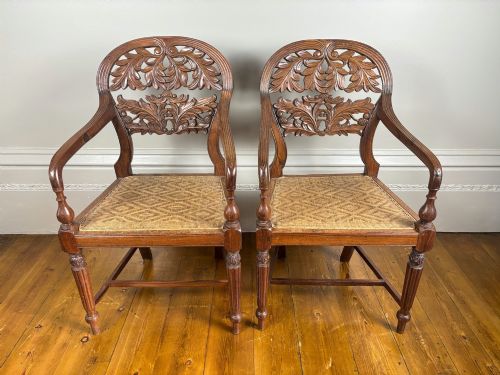
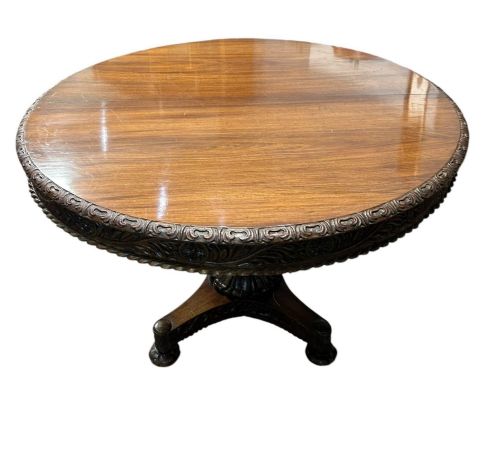
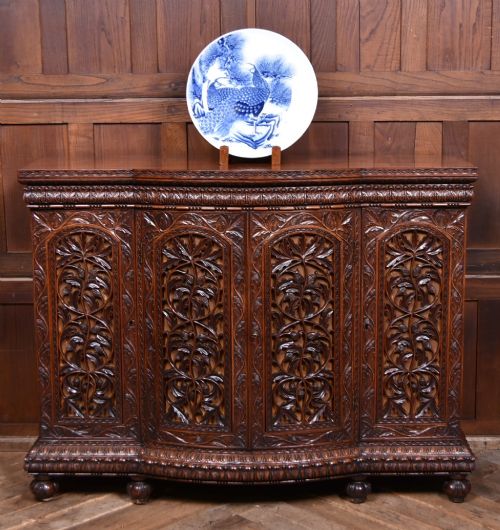
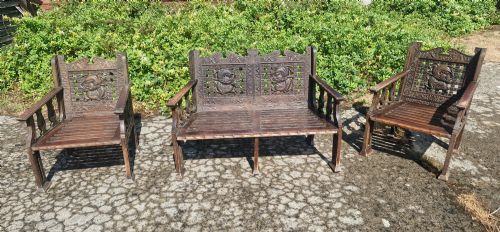
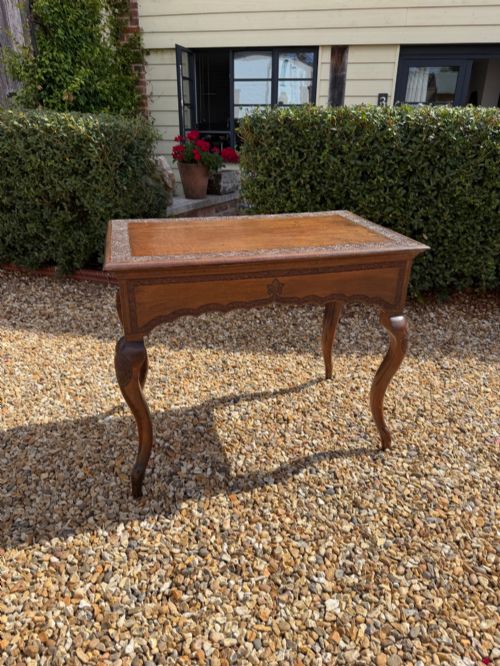
When you search for hand carved Indian furniture, you find pieces rooted in Anglo-Indian, traditional Indian, and colonial traditions spanning the eighteenth century through to the 1930s. The selection on this page centres on occasional tables, side tables, sideboards, cabinets, and seating such as armchairs and settees.
Tables take many forms, from standard round dining formats to octagonal elephant tables, camel tables, and nesting sets. Cabinets, sideboards, tall cupboards, and chests provide storage alongside armchairs and seating suites.
Origins stretch across regions including Bombay, Kashmir, and Burma, capturing styles designated as Anglo-Indian, Anglo-Burmese, Moorish, and Asian folk art.
Materials and Technique
Construction relies heavily on dense tropical hardwoods, notably teak, rosewood, padouk wood, and walnut, alongside general hardwood and bone inlay. Artisans shaped these materials using hand carving techniques to achieve deep, intricate surface relief work across table tops, panels, and structural frames.
Secondary elements include copper tops, leather upholstery, and painted surfaces on folk art cupboards. Joinery methods support heavy carved motifs on items ranging from small lamp tables to large sideboards and multi-piece seating suites.
Hand Carved Indian Furniture Retail Price Guide 2026
Typical asking prices for hand carved indian furniture among the pieces listed under this phrase on Sellingantiques today, from the lower quarter to the upper quarter. They describe what is for sale here now, not the wider market.
Listings feature items spanning the 18th century through to the 1930s, constructed from teak, padouk wood, rosewood, walnut, and bone.
Judging Quality
Quality rests on the crispness and depth of the hand carving across the timber surface. Pieces display varying levels of detail, from simple geometric folk art painting to dense figural and botanical carving depicting elephants or foliage.
The choice of dense primary timbers like padouk, teak, and rosewood dictates the structural integrity and weight of a cabinet or table. Condition of secondary elements such as copper tops, leather, and bone inlay further distinguishes standard items from finer examples.
The Hand Carved Indian Furniture Glossary
- Anglo-Indian
- Furniture made in India during the British colonial period, combining British furniture forms with local carving traditions. This style frequently employs dense native hardwoods.
- Padouk
- A heavy, durable reddish-brown tropical timber favoured for substantial sideboards, chairs, and tables. It responds well to deep relief carving.
- Elephant Table
- A small occasional or centre table supported by carved elephant figures beneath the top. These forms often originate from the Bombay presidency.
- Tilt Top
- A table top hinged to the pedestal base so it can be folded vertically when not in use. This mechanism appears on nineteenth-century examples.
Hand Carved Indian Furniture: Frequently Asked Questions
What is an elephant table?
An elephant table is an occasional or centre table featuring carved elephant supports beneath the surface. These pieces often originate from the Bombay presidency and date to the nineteenth century.
They function well as lamp tables or decorative accents in a sitting room, combining functional surfaces with figural woodwork.
How do I date hand carved Indian furniture?
Dating relies on stylistic markers, timber choice, and period assignations ranging from the eighteenth century to the 1930s. Pieces span Victorian production, colonial eras, and twentieth-century folk art.
Examining the construction methods and regional styles helps separate earlier hardwood items from later twentieth-century pieces.
Where were these pieces made?
Production occurred across regions including India, Burma, Kashmir, and Bombay during colonial and traditional periods. Workshops produced items influenced by British tastes blended with local craftsmanship.
Materials reflect regional availability, utilising local teak, padouk, walnut, and rosewood.
How do I care for padouk and teak furniture?
Maintain tropical hardwoods by keeping them away from direct heat sources and sudden humidity changes. Regular dusting preserves the intricate hand-carved surface details without requiring heavy polishing.
Treat leather and copper inserts on specific tables according to their individual material needs.